

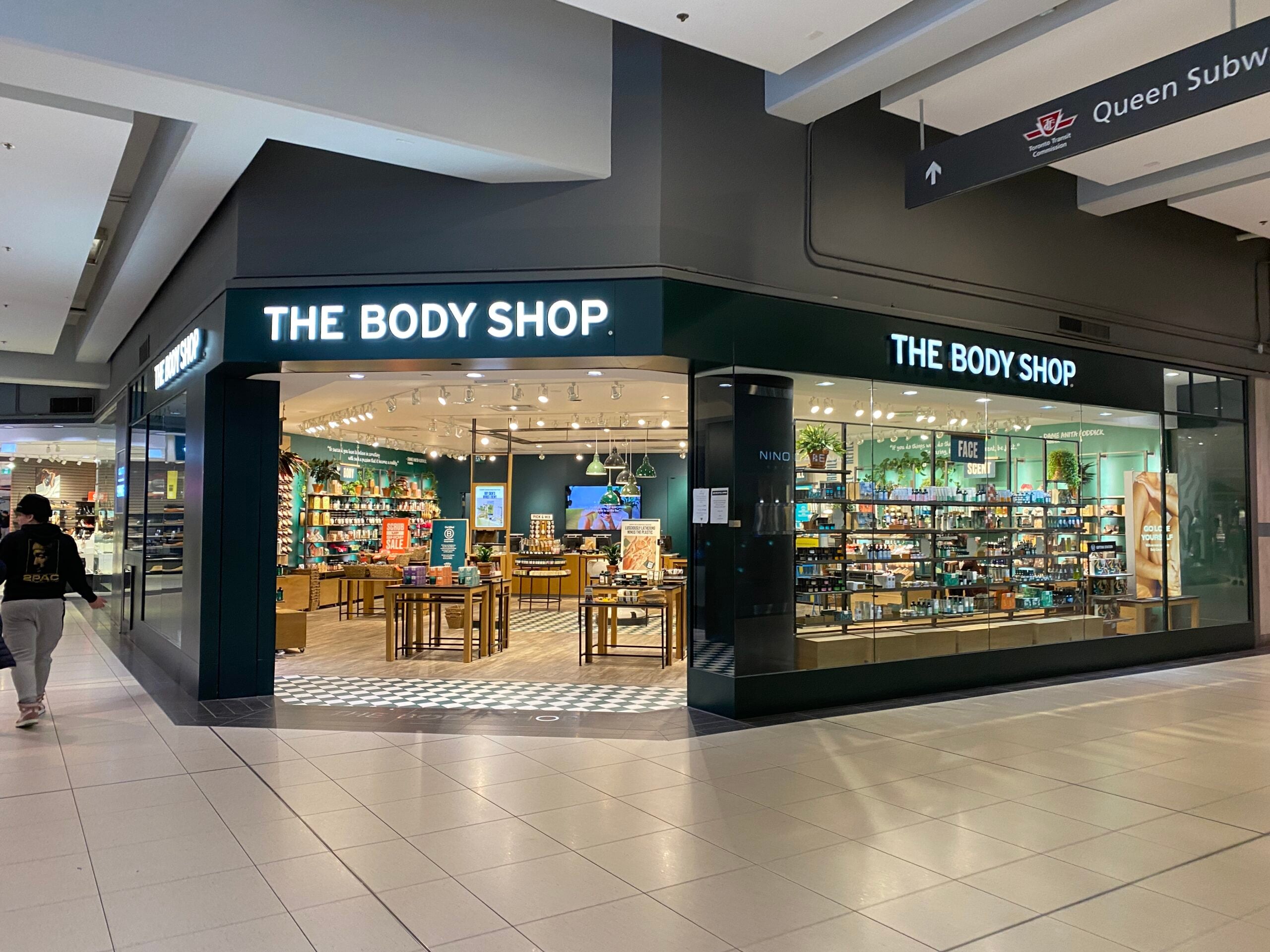
The Body Shop Canada is set to enter a transformative era under new ownership by Markham-based Serruya Private Equity Inc., offering cautious optimism for a revival of the beloved ethical beauty brand. This comes after a turbulent year marked by creditor protection, store closures, and a restructuring process. The deal, expected to close on Monday, marks the beginning of a fresh chapter for the retailer.
David Ian Gray, founder and strategist at DIG360, weighed in on the challenges and opportunities ahead for The Body Shop Canada. His insights provide a roadmap for how the brand could reclaim its place in the Canadian retail landscape.

A Rocky Road to Recovery
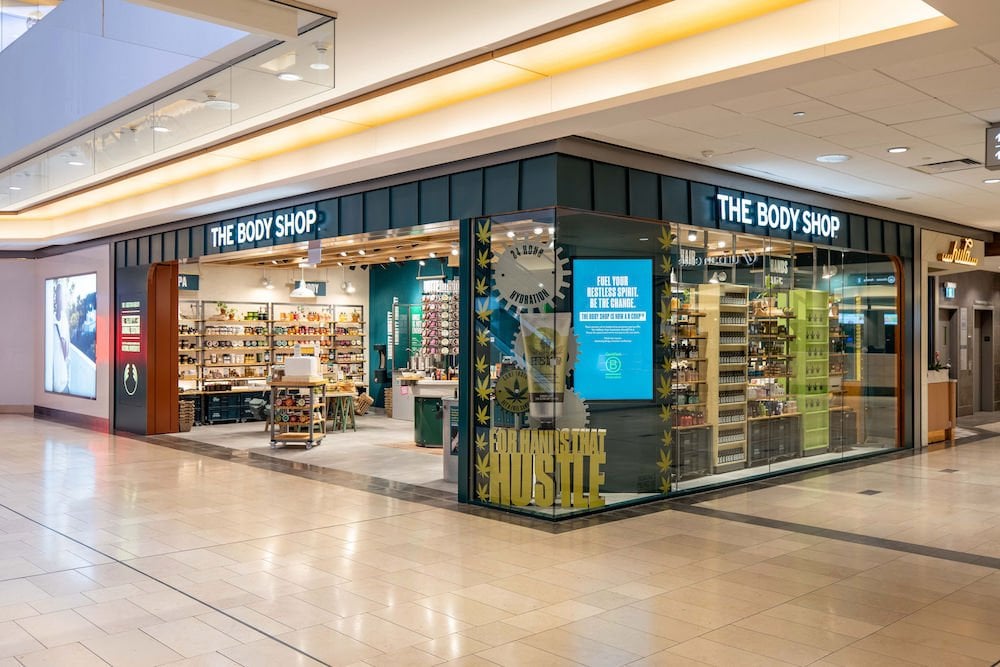
The Body Shop Canada’s financial struggles became apparent earlier this year when the company filed for creditor protection in March. The fallout led to the closure of 33 stores and over 200 layoffs, leaving 72 locations operational. According to court documents, the parent company, European private equity firm Aurelius, was accused of “stripping [the Canadian arm] of cash” and burdening it with unsustainable debt.
David Ian Gray commented on the public reaction to these closures, noting a paradoxical outcome: “The bankruptcy and all the media attention have actually kept the name floating around. It increased awareness, even if not all shoppers know the details.”
This unexpected spike in awareness has created an opportunity. Gray added, “The Body Shop’s brand recognition remains high, particularly in Canada. That’s something to build on.”
The Competitive Landscape
While The Body Shop retains strong name recognition, the road to recovery is fraught with competition. Bath & Body Works has surged in popularity, capitalizing on its affordable price points and broad product range. Meanwhile, brands like Lush and even Rocky Mountain Soap Company are vying for market share with purpose-driven, sustainable offerings.
“The Body Shop used to stand out because of its advocacy for animal testing bans and sustainable products,” Gray explained. “But they succeeded in changing the industry. Today, a lot of brands are purpose-driven, so The Body Shop isn’t as differentiated anymore.”
To succeed, Gray believes The Body Shop must redefine its purpose and make it genuine: “They’ll have to really think deeply about how to differentiate themselves again. They can’t rely on the same animal testing story from decades ago. They need to find the next big thing in ethical beauty.”

Serruya’s Role and the Franchise Model
Serruya Private Equity, led by Michael Serruya, is no stranger to retail turnarounds. The firm’s investments include Second Cup, St. Louis Bar & Grill, and Swensen’s, all of which have seen reinvention under its leadership. The deal’s structure involves entering into a franchise agreement with The Body Shop’s U.K.-based owners, Aurea Group, ensuring the Canadian arm continues sourcing products from the global brand.
Gray noted that the franchise model will influence Canada’s operations: “Canada will essentially function like a franchisee. They’ll receive products and branding from the U.K., but how they execute on retail, operations, and omni-channel strategy will be up to them.”
He added that Jordan Searle, Head of The Body Shop Canada, has already demonstrated an ability to think outside the box. “There’s potential here. The Canadian leadership has shown they can navigate challenges and innovate,” Gray remarked.
Balancing E-Commerce and Brick-and-Mortar
A major question remains how The Body Shop Canada will balance its brick-and-mortar presence with e-commerce growth. The Body Shop U.S. attempted to pivot heavily toward e-commerce, but it underperformed.
Gray believes a hybrid approach is key for Canada: “The future of retail is a clever use of omni-channel. Stores will remain important, but e-commerce needs to complement them, not replace them.”
He cautioned against reliance on price-based promotions: “If they go down the road of constant sales and discounting, they risk cheapening the brand. What they need is a clear value proposition—quality products at a price that feels justified.”
A Strong Foundation to Build On
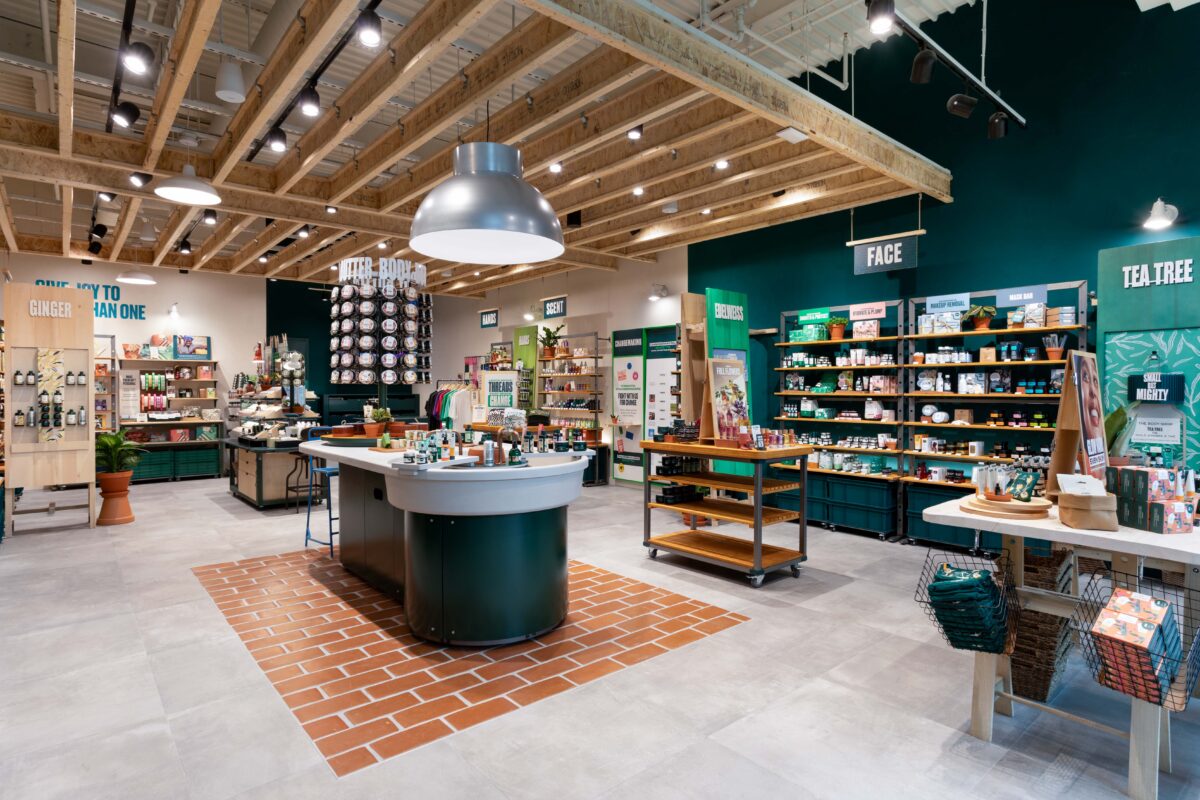
Despite its recent challenges, The Body Shop Canada has significant assets to leverage. “The brand isn’t ruined,” Gray said. “It’s stagnant and stale, but the base is still good. The level of awareness in Canada is very high. That’s why Serruya was interested in acquiring it.”
He also emphasized the importance of trust in product quality: “There’s a renewed interest in quality products—something people can trust. Cheap alternatives are showing their limits. Consumers are increasingly looking for safe, high-quality ingredients at a fair price.”
What’s Next?
The next steps for The Body Shop Canada will include reassessing its store footprint, streamlining operations, and rebuilding trust with consumers. Court filings show that Serruya Private Equity will also reinstate the company’s e-commerce operations, which ceased earlier this year during creditor protection proceedings.
Gray pointed out that timing is critical: “Closing a deal before Christmas is tough, but it gives them a chance to hit reset in the new year. They can take stock of what’s working and plan for the future.”
He remains cautiously optimistic about Serruya’s intentions: “Serruya isn’t known for quick flips. They play a long game. From what I understand, Jordan Searle’s team wanted a buyer committed to the long haul. That seems to be what they’ve got.”
Final Thoughts
The Body Shop Canada’s future hinges on its ability to adapt to a competitive market while staying true to its values. With strong name recognition, Canadian-led operations, and new ownership experienced in retail turnarounds, there is reason for optimism.
Gray summarized the challenge: “This is a chance to reset. If they can find a way to stand out, deliver on quality, and reconnect with their purpose, The Body Shop Canada could be poised for a comeback.”
More from Retail Insider:
- The Body Shop Canada to Be Sold to Serruya Private Equity
- The Body Shop Canada Goes into Restructuring and will Close 33 Stores [Article Includes Expert Analysis]
- The Body Shop Launches ‘Shop-in-Shop’ Spaces at Shoppers Drug Mart, Expanding Retail Presence [Interview]
- The Body Shop Expands Updated ‘Workshop’ Store Concept in Canada Following Pre-Pandemic Launch [Interview]














One reason I started giving up on shopping there is the fact they kept discontinuing products I liked. When I learned they had discontinued the whole Honey Bronze line, I was livid. Apparently in someone’s zeal to go vegan, (probably a fellow woman) honey (which is what bees make) became objectionable, which meant even a Fair Trade product with a women’s collective in Africa is no longer offered because omg, it had honey. I recently discovered the Edelweiss product line -especially because it has a more reasonably and affordability priced version of a product at Sephora (which sells expensive brands) that I really like using. But I fear it’s only a matter of time before that gets discontinued too! Lush was always kind of pricey and the products expire before you end up using it all. Rocky Mountain Soap needs to either get the word Soap out or do something to extend its association beyond gift catalogs and tourist souvenir shops. Bath and Body Works does not scream natural ingredients, it screams overpowering fragrance. Plus it’s American?!