Martin Moriarty on West 4th Avenue’s Retail Boom in Vancouver

Date:

Share post:

West 4th Avenue, nestled in Vancouver’s Kitsilano neighbourhood, has become a hub for premium and direct-to-consumer brands. Long known for its mix of boutiques and local eateries, the street has undergone a significant transformation in recent years. Yet, this growth comes with challenges, primarily due to the scarcity of retail spaces.

“There’s really no space left,” said Martin Moriarty, Senior Vice President at Marcus & Millichap Canada, during a recent interview. “It’s a vibrant, long-term market, but once spaces are leased, tenants tend to stay for the long haul. That makes it difficult to accommodate new retailers.”

High-Profile Tenants Cementing West 4th’s Status

The avenue’s appeal has attracted both international brands and homegrown Canadian names. Reformation, a Los Angeles-based sustainable fashion retailer, recently secured a former Allbirds location on the street. “Reformation already has signed up,” Moriarty confirmed. “That lease is done, and it’s an exciting addition to the area.”

Other prominent brands include Aritzia, which is in the process of opening a flagship location in a former bank building. Additionally, Danish outerwear brand Rains opened its store on West 4th in December, contributing to the street’s reputation as a destination for stylish and contemporary retailers.

“These are big brands making strategic moves,” said Moriarty. “West 4th has rapidly become a focal point for direct-to-consumer brands seeking a presence in Vancouver.”

Future Aritzia store on West 4th Ave in Vancouver. Image: Apple Maps

Limited Space Drives Challenges and Opportunities

The scarcity of available retail space remains a pressing issue for prospective tenants. Moriarty noted, “I was on West 4th yesterday with a tenant, exploring potential opportunities. But most of them are off-market possibilities. There’s just not much left unless a tenant decides to move, which isn’t common.”


One notable development is the former Safeway site on the 2300 block, which was purchased by Low Tide Properties and PCI Development. The project will include rental housing, retail space, and a Sobeys grocery store. However, as Moriarty explained, “That amazing project is still a couple of years away, so immediate leasing opportunities remain limited.”

With the demand for retail space outpacing availability, Moriarty suggests potential expansion opportunities. “You might see the retail stretch extend east and west, particularly with an amazing project like the PCI development on the 2300 block,” he said. “But moving too far east leads to a different mix of tenants, often more service-oriented.”
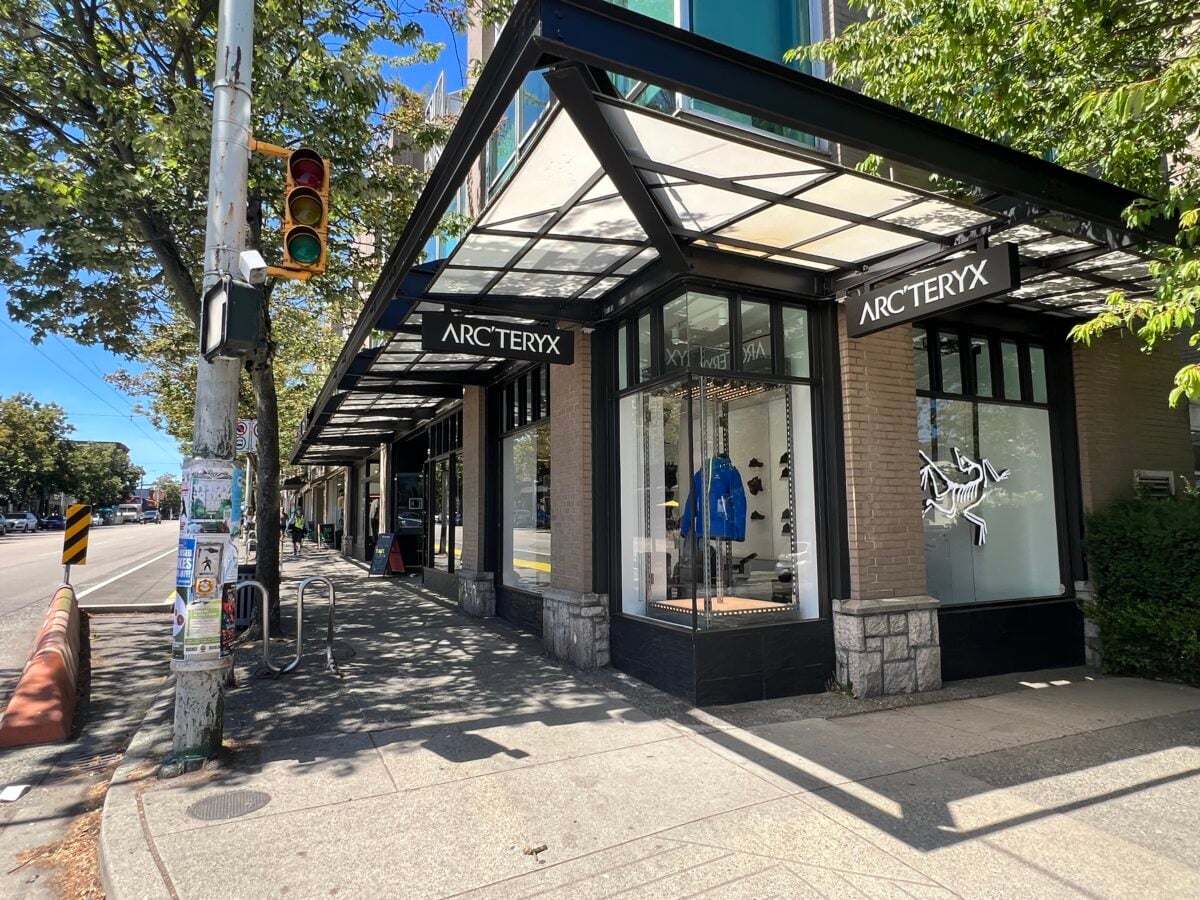
Arc’Teryx on West 4th in Vancouver, BC in July 2023. Photo: Lee Rivett.

The Broadway Plan and Future Growth

The recently implemented Broadway Plan, which facilitates higher-density residential developments along the Broadway corridor, is expected to impact West 4th positively. The addition of the Broadway SkyTrain line will bring more transit access to the area, increasing foot traffic.

“The SkyTrain will funnel more people to West 4th,” Moriarty stated. “It’s only going to boost the neighbourhood’s appeal. The increased density from residential developments will add to the vibrancy of the area.”

Projects like the Jericho Lands and the Sen̓áḵw development by local First Nations groups will further enhance the area’s population density. “These developments will bring thousands of new residents,” Moriarty explained. “While they’ll include retail, much of it will be service-oriented, keeping West 4th as the primary destination for premium and boutique shopping.”
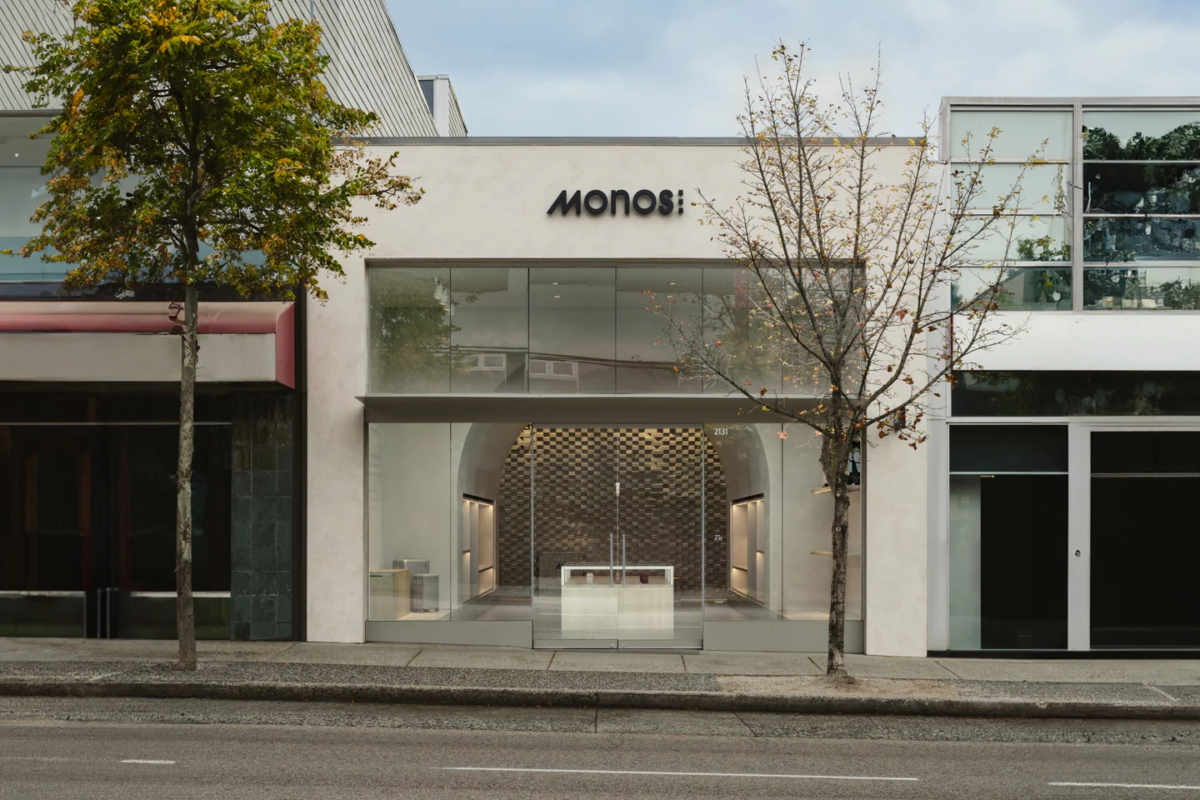
Monos store on West 4th Avenue in Vancouver – the first for the company. Photo: Monos

A Bright Future for West 4th

As Kitsilano continues to develop, the future looks bright for West 4th Avenue. The scarcity of retail space and the influx of new residents suggest that demand will only increase. “With the demographic strength of the west side and the additional density from rental projects, it’s hard to be anything but positive,” said Moriarty.

The street’s transformation underscores Vancouver’s broader retail trends, where location, tenant mix, and urban development converge to shape vibrant shopping districts. For West 4th, the challenge now is balancing growth with preserving the character that made it so desirable in the first place.

“West 4th is a unique case,” Moriarty concluded. “It’s a neighbourhood street with global appeal. That’s a hard combination to beat.”


More from Retail Insider:

Vancouver’s West 4th Retail District Thriving Amidst Growing Popularity and Upscale Competing Brands [Feature]

RELATED ARTICLES

Subscribe to the Newsletter

Subscribe

* indicates required

RECENT articles

From The Desk: Social Media Growth, Store Modernization and AI’s Impact on Retail Marketing

Canadian retailers focus on digital-driven growth, store upgrades and authentic brand experiences amid rising AI-produced marketing content and property shifts.

Retail Insider’s Canadian Retail Monitor: October 2026 — Retail Spending Rebounds, but Growth Remains Uneven

Canadian retail sales rose 1.2% in August 2026 to $74.6 billion, with gains across all nine major subsectors. Retail Insider's October Canadian Retail Monitor examines category performance, regional differences, wholesale activity, e-commerce growth and persistent affordability pressures heading into the holiday season.

RETHINK Retail Expands Executive Communities Under Canadian Leadership

RETHINK Retail is expanding its executive communities under Canadian CEO Marie Chevrier Schwartz, with Chris Parsons appointed VP of Audience. The company is developing Canadian programming focused on AI, retail media and industry collaboration.

Retail sales climb to nearly $75 billion in August: Statistics Canada

Core retail sales, which exclude gasoline stations and fuel vendors and motor vehicle and parts dealers, were up 1.1% in August.

Retail Insider “Q3 2026 Apparel & Fashion Report”: Stores Have to Earn Their Investment

Canadian fashion retailers are expanding, relocating and closing stores within the same market. The Q3 report examines why location productivity and network contribution matter more than headline store counts.

Canadian Franchise Sector Supports Nearly 2 Million Jobs: CFA

Canadian Franchise Association CEO Sherry McNeil discusses franchise ownership, opportunities for entrepreneurs, industry growth and the importance of due diligence.

OpenTable report highlights restaurants’ economic impact on Canadian communities

OpenTable survey finds half of Canadian diners spend an average of $133 at nearby businesses before or after restaurant visits, while no-shows remain a cost for operators.

Tahini’s targets 30 new restaurants as social media drives franchise growth

The Canadian Mediterranean fusion chain has 76 restaurants and plans further expansion in Canada and the U.S., with some franchisees discovering the brand online.

Toronto-Based Panda Hub Raises $4 Million to Expand Mobile Car Care Marketplace

Panda Hub plans to launch its Panda 2.0 platform, enter new markets and add premium automotive services as it prepares for Series A funding.

Canadian Small Businesses Emphasize Local Identity as Holiday Costs Rise: VistaPrint Survey

VistaPrint research finds 51% of Canadian small businesses cite financial pressures as a key holiday challenge, while 32% prioritize attracting new customers.

Daily Synopsis: October 22, 2026

Canada Post starting weekend parcel delivery in Toronto Montreal and Ottawa, Walmart Supercentre opens in Fort McMurray, Stony Plain Costco under construction, adults drive Halloween candy sales, and other news.

Kith Opens Second Canadian Storefront at Vancouver’s Oakridge Park

Kith has opened its second Canadian store at Oakridge Park in Vancouver. The approximately 9,000-square-foot store features men's, women's and children's fashion, footwear, Kith Treats and a distinctive street-facing design within the shopping centre's expanding international retail mix.

NAPA Canada Sales Rise 9% as Acquisitions Drive Expansion Amid Soft Market

NAPA Canada reported 9% sales growth in the third quarter of 2026, supported by its acquisition of Benson Auto Parts. Comparable sales rose just 1%, highlighting subdued demand as parent UAP expands its Canadian automotive distribution and repair network.

MUJI opening first Vancouver Island store as Canadian expansion continues

The Japanese retailer is introducing a community partnership program in Victoria, with plans to extend the initiative to future Canadian store openings.

WitchSchool Canada Tests ‘Reciprocal Retail’ Model in Ottawa’s ByWard Market

WitchSchool Canada is testing a collaborative retail model in a 160-square-foot storefront in Ottawa’s ByWard Market. Founder Kiki Keskinen says the grant-supported residency connects independent entrepreneurs through shared programming, customer referrals and promotional opportunities, while raising questions about long-term operating costs.

Cozey doubles size of Toronto flagship showroom (Photos)

The furniture retailer is expanding its Queen Street West location as it adds products and prepares for new store openings in Edmonton and New York City.

CouchHaus Expands Toronto Presence With New King East Pop-Up Showroom

The Canadian furniture brand is returning to Toronto after its 2024 Stackt Market test, using an in-person showroom to support customer experience and national growth.

Retail Insider “Q3 2026 Grocery Report”: More Capacity, a Harder Fight for the Basket

Canadian grocers are adding stores, converting banners and reworking online fulfilment. The Q3 report examines whether more capacity can capture additional household spending at an acceptable cost.

Two-thirds of small business owners plan to exit within decade, CFIB says

A CFIB report says limited succession planning could put Canadian business assets, jobs and community services at risk as owners prepare to retire or sell.

One in four Canadian small business owners required to guarantee financing personally: Equifax

Equifax Canada survey finds younger entrepreneurs are more likely to use personal credit and assets to support their businesses as owners face customer, cost and cash-flow pressures.