As tensions rise over ongoing trade tariffs, Canadian consumers are showing a renewed sense of national pride, with a growing movement towards purchasing Canadian-made products.
Tandy Thomas, Associate and E. Marie Shantz Fellow of Marketing at Queen’s University’s Smith School of Business, said the surge in patriotism is driven by economic uncertainty and trade tensions with the U.S. Thomas emphasized that while the fervor is currently strong, its longevity depends on how easy retailers make it for consumers to adopt new shopping habits.
According to Thomas, this emotional shift in consumer behaviour reflects a deeper trend of Canadian nationalism, spurred by feelings of betrayal and anger towards the U.S.

“Canadians have always been proud of their country, but the recent tariff situation has amplified those emotions,” she explained. She noted that although this may initially prompt consumers to seek out Canadian-made products, the key to sustaining this trend lies in retailers making it convenient for shoppers to find and purchase local goods without added difficulty.
However, Thomas cautioned that this movement might not be sustainable if it requires too much effort from consumers, particularly in the face of rising costs and inflation.
“Retailers need to ensure that buying Canadian is easy, affordable, and integrated into everyday shopping routines,” she said. While the movement is still in its early stages, Thomas believes that small, sustainable changes in consumer behaviour could lead to lasting shifts in the market if retailers leverage the current sense of national pride effectively.
“Certainly, this patriotism has always been there. It’s not that Canadians suddenly became patriotic (recently). We’ve always been an incredibly proud nation. Now, we are just rallying around the flag in this time of crisis,” she said.
“Whether or not this translates into lasting changes to shopping habits really depends on how easy retailers make this for Canadians. Right now, in this acute crisis, everyone feels a lot of emotion. They want to stand up for Canada, do something, and not feel helpless. People will put in the time and the effort—they’ll go to the stores, read the labels, seek out the product, and take the time to do that. But that is not a sustainable way to shop.
“Eventually, people will start running out of time. It’ll be a Wednesday evening, and they have to rush to get something for dinner before getting their kids to soccer practice. They’re just going to grab the first thing they know will get the job done.
“So, the trick will become making it easy. If retailers make it easy for customers to find the products and try them, and then if we like them, it will be much easier to keep that going over time. New habits will form, and we might see, what I hope we see, a lasting uptick in those consumption behaviours.”
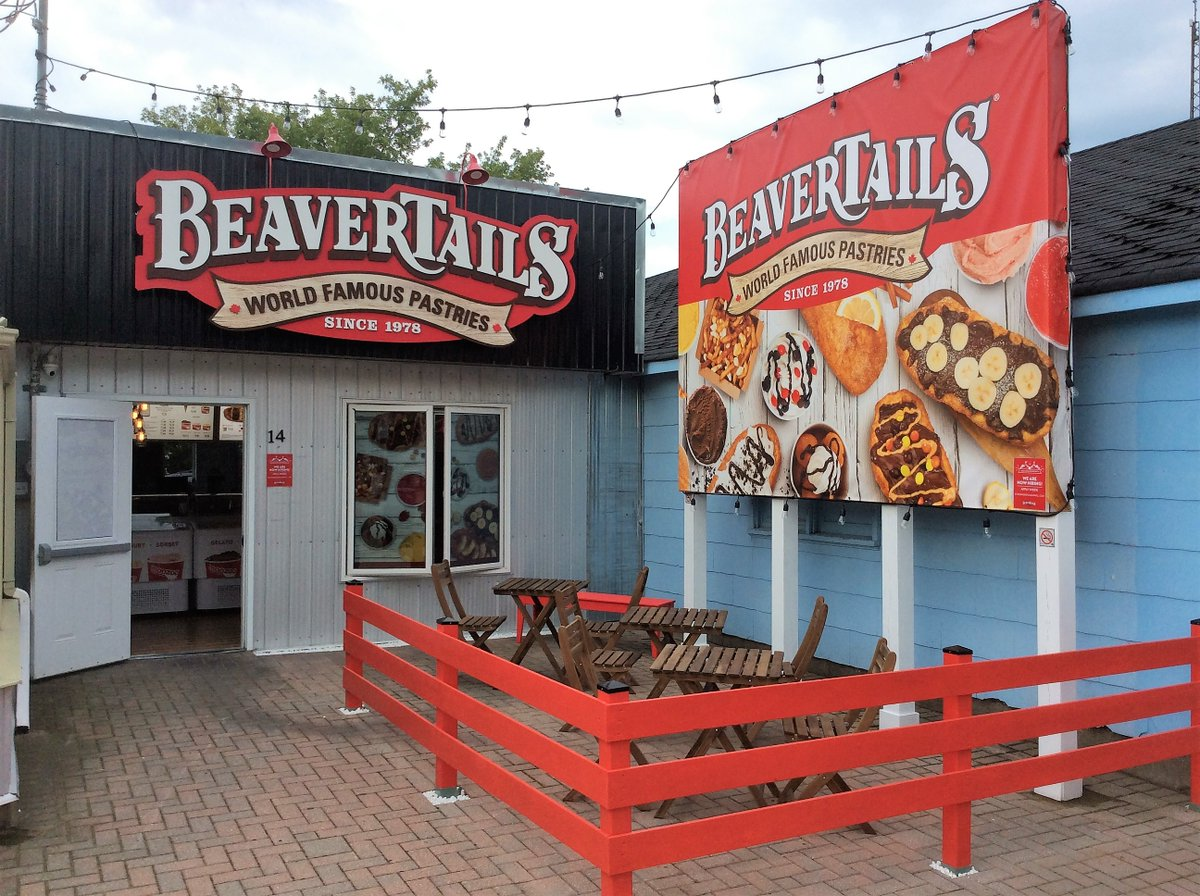
Thomas said Canadians are feeling not only anger but betrayal from our friends, our allies, our neighbours. Canadians and Americans are so entwined. “It’s our family—both figuratively and in many cases, literally. This is not a battle we ever imagined we’d be in. We never thought our best friend would turn on us.”
Buying local became a huge issue with the pandemic when we saw small local retailers and local producers suffering disproportionately, said Thomas.
“But more broadly, the entire culture and view around the role of the marketplace in everyday life has changed,” she noted.
“I’d say 30 years ago or so, there was a very clear divide: there was the world of the marketplace, and then there was social life, and they stayed separate. Companies didn’t engage with controversial social issues. But over the past few decades, we’ve seen a shift toward integrating social life with the marketplace. Consumers now view the marketplace as a tool to help create the world they want to see. There’s an expectation that companies stand for values, that if they see an injustice in the world, they should speak up about it and take a position.
“We’ve seen brand activism become much more prevalent in the past 10 years than at any other point in history, and I view this as just another extension of that. Consumers are using the tools at their disposal to make their views known and to take action. The biggest tool we have is the marketplace.”
She said consumers are willing to pay more for products that are aligned with their values. Whether that happens to be products that support sustainability, or in our case, Canadian products, consumers are willing to pay more.
“Now, of course, there are caveats to that. You have to be able to pay more. It’s unrealistic to ask people who are struggling to pay their bills to pay more. So, in this particular moment, we have to realize that some people simply won’t be able to do this, and we need to be okay with that. Those of us who can pay a little bit more should do our part and support those who may not be able to,” added Thomas.
“But we’re also early in this process. We haven’t really felt the pain yet. We might see a few products going up in price . . . They haven’t lost their jobs yet. But we know those things are coming. This is not going to be a fun parade where we wave the flag. This is really going to require people to buckle down, be serious, and push through the hard times because if this continues, it’s going to get hard.”

Thomas said she believes we’ll see people try to shift towards Canadian retailers and Canadian service providers as much as they can.
“But I think the phrase “as much as they can” is pretty loaded. Our retail landscape is dominated by American-owned companies. That’s just how it’s structured. You can do your best, but it’s going to be hard,” she said.
“Then, it’s about asking yourself: are you punishing the right entity? So, I would encourage consumers to think about whether there’s an alternative. Think about the ownership structure—who are the owners, and who will be impacted? The owners of a local Home Depot and the employees there, for example.
“This is not a simple question. If we start seeing mass boycotts of these large employers, they might have to lay off more people, and that’s not necessarily the best thing either. There’s no clean way to get around it. The key is for each consumer to think about how they can support Canadian producers and those who are going to suffer the most through this tariff process. Then, make small changes to your lifestyle and habits to keep those going.
“Anything drastic probably won’t be sustainable in the long term. Consumers are pretty bad at making drastic changes but are pretty good at making small, sustainable changes that become part of their daily routines. That’s where I think we’ll see the longevity of this movement—small changes that aren’t massively disruptive to daily life because, at the end of the day, that’s a big ask for consumers. And we know they’ll likely fail at that.”
This is a tremendous opportunity for Canadian companies.
“There are very few moments in our lives where there are massive disruptions to our daily patterns. When there are disruptions and consumers are paying attention to what they’re doing, that’s when there’s an opportunity to shift habits, gain new customers, and change loyalties,” she said.
“Anything Canadian retailers and producers can do to highlight that they are Canadian and support our local community and country is hugely important. Make it easy, make it known, and consumers will respond. It’s a tremendous opportunity to create visibility and get those new customers. And then, assuming the product quality is there, hopefully keep them for a long time.”