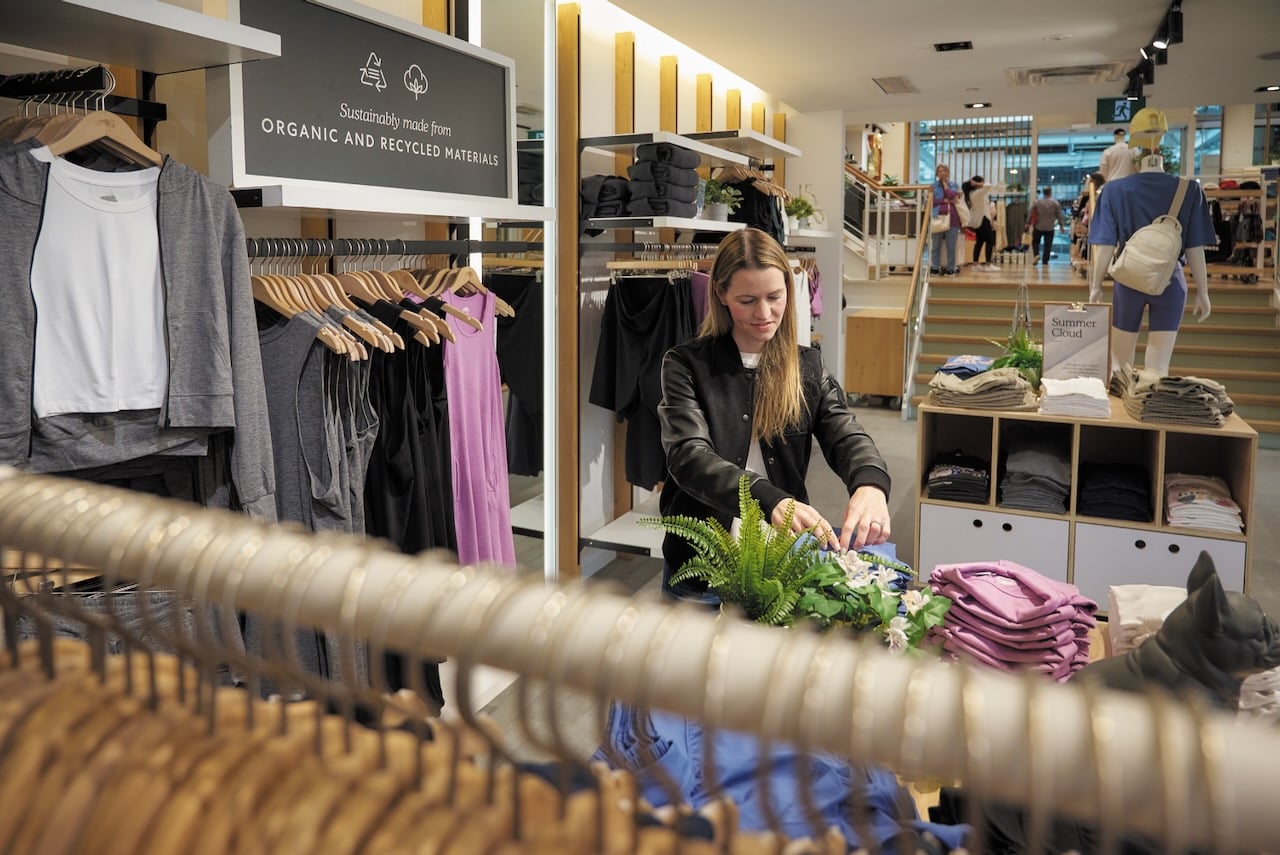
Tepperman’s, a family-owned furniture and appliance retailer with a rich 100-year history, is celebrating its centennial with exciting developments and a renewed focus on innovation. Executive Chairman Andrew Tepperman attributes the company’s longevity to its commitment to values, long-term vision, and adaptability. With efforts like solar installations at its stores and recognition as a top workplace, Tepperman’s continues to thrive in the competitive retail landscape.
The company operates seven stores across southwestern Ontario and is expanding cautiously, with plans for continued growth. Tepperman’s also runs an outlet brand. Rather than quickly entering new markets, the company focuses on enhancing existing locations.
Looking forward, Tepperman’s is addressing industry challenges, including tariff impacts and staying ahead in a tech-driven world. The company is upgrading to Oracle’s NetSuite ERP system to boost operational efficiency. Despite economic uncertainty and competition from larger retailers, Tepperman’s remains focused on its core values, ensuring high-quality service and products as it enters its second century of business.
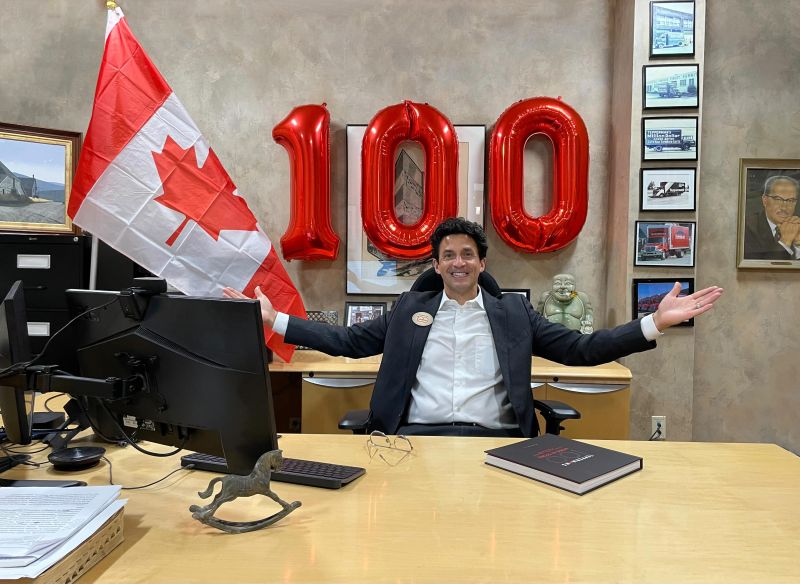
“This 100th anniversary is more than a celebration of our business—it’s a celebration of our valued customers, employees, and business partners who have contributed to our success over the decades,” said Andrew Tepperman, 3rd Generation, Executive Chairman.
“Looking back 100 years ago, there were 22 home furnishing retailers in Windsor. Today, Tepperman’s is the only one still standing. What we do is not unique, but how we do it is—like building long-term customer relationships and a great work culture.”
The third generation company has seven stores in southwestern Ontario – Windsor, London, Kitchener-Waterloo, Ancaster, Sarnia, Chatham, and St. Catharines. Tepperman’s is an award-winning leader in sustainability, with innovative programs such as EV charging stations installed at all stores, a 914 solar panel installation on the roof of its 70,000-square-foot Kitchener store, partnering with Habitat for Humanity to divert products from landfills, and working with Second Wind Recycling and RecycMattress to reduce waste.
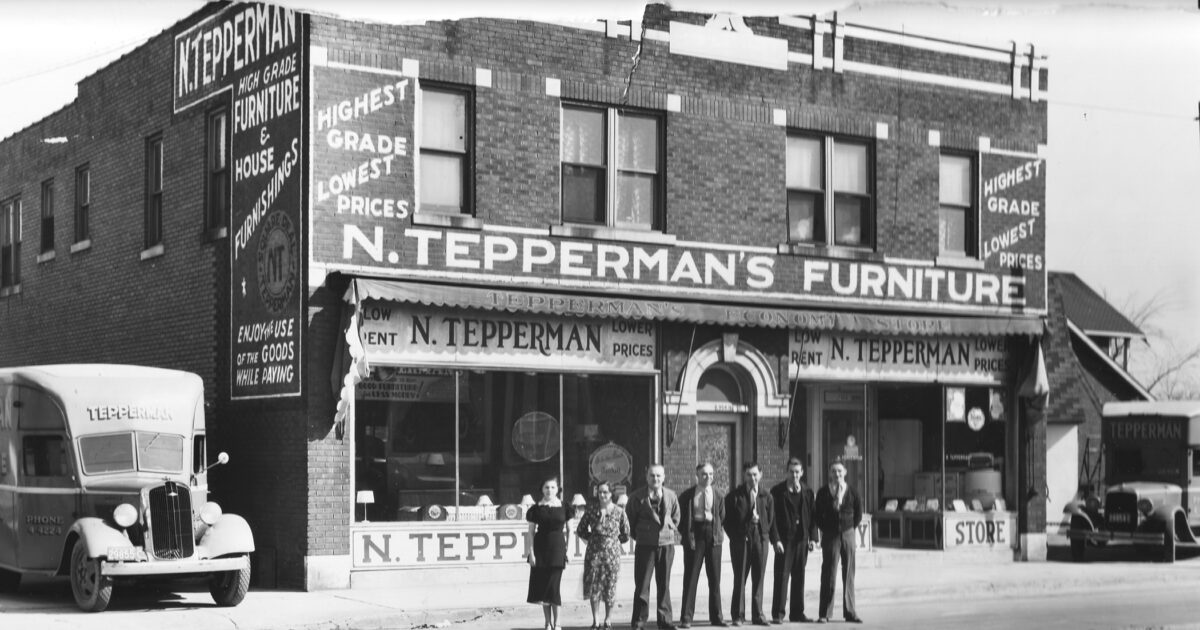
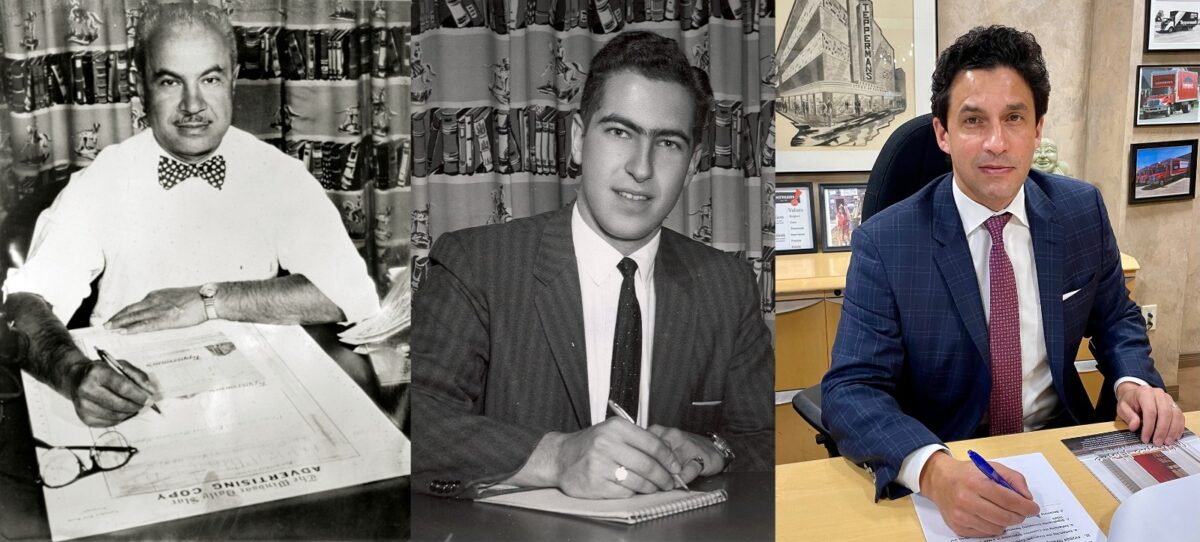
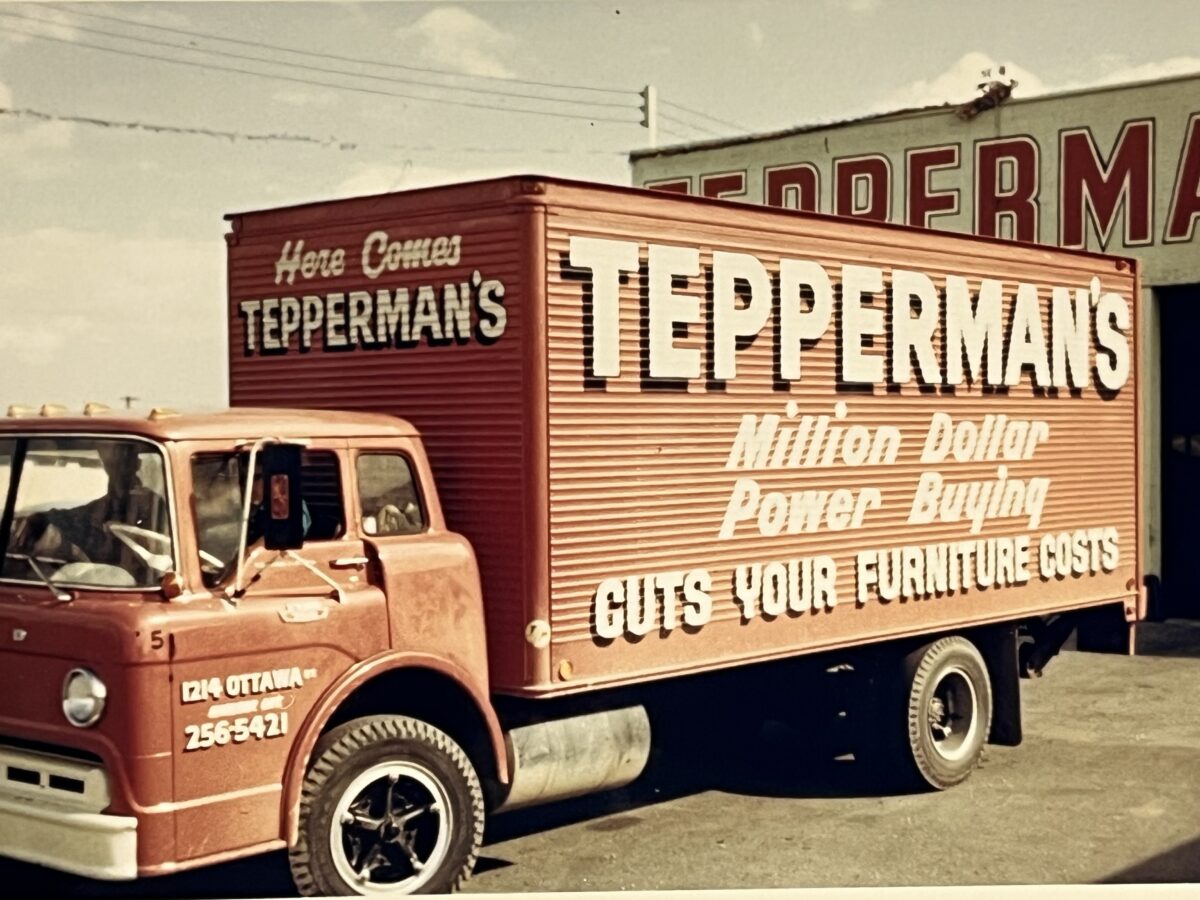
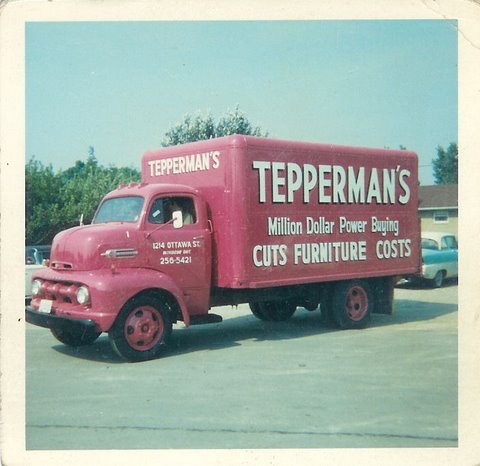
The history of Tepperman’s is a true Canadian immigrant story that started when Nate Tepperman came to Canada after the Russian Revolution. Starting with nothing more than a dream in 1925, Nate began selling rugs door-to-door on foot in Windsor, Ontario. As his business grew, he evolved from walking to a bicycle to a used pickup truck, eventually opening his first brick and mortar store in 1929.
His son, Bill Tepperman, took the helm in 1970, leading expansion into Chatham, Sarnia, and London. Today, under the leadership of brothers Andrew and Noah Tepperman, the company has grown to include stores in Kitchener, Ancaster, and St. Catharines.

Key milestones include the opening of the Bargain Annex brand (now Outlet at Tepperman’s) in 1984, being honoured with the Canadian Retailer of the Year award in 2003, numerous Environment and Sustainability awards by the local Chamber of Commerce, voted Best Place to Shop by the readers of local newspapers, investing over $1M in children’s education including a unique Indigenous scholarship for post graduate studies, and being recognized as a Great Place to Work by the Great Place to Work Institute Canada for the past two years.

“As we honour our past with this 100th anniversary, our story continues as there is so much more in store. We’re focused on the future as we innovate and grow. To survive 100 years, a company must be more than just a business — it must wholeheartedly embrace and prioritize the communities it serves. As our mission statement states, when we do it right, they will come back.” said Masoud Negad, newly appointed CEO of Tepperman’s.
Andrew Tepperman said a book was created on the company’s history and they discovered some interesting things. For instance, he found out that his grandfather, who came from Russia in 1920, was about to go to Argentina to follow his girlfriend. Then, all of a sudden, the papers came in for Canada, and he had to make a choice. He chose Canada.
The company opened its seventh store in May 2024 in St. Catharines. It also runs seven separate Outlet stores attached to the main store.
“The next big thing will be finishing the renovation of our stores to the Tepperman’s 2.0 model. We started in 2018, and now the only one left is London,” he said. “It’s about 90,000 square feet, so we had to delay it due to insane construction and renovation costs after COVID. I’ve got all the engineering drawings and the design done, but I just need to wait until it’s cost-effective.
“After that, it’ll be our final renovation. We’re always getting inquiries about new sites in Ontario, but we like to move slowly and carefully. We’re 100 years old now, and with seven stores in seven markets, we focus on controlling them, have the top market share, before we move on. I’d like to digest St. Catharines first.”
Even though 100 years is a long time and a lot has changed—like technology, marketing, and e-commerce—what hasn’t changed is what Tepperman thinks has been the secret sauce.
“Myself, my parents, and my grandfather have always been fully committed to the retail business. We don’t have hobbies, we don’t golf. We love the retail business, we’re just in it 110%. There are no distractions at all. For example, when I go on vacations with my family, I always leave for a bit to visit other retail stores for new ideas,” he said.
“Another thing is our value system and culture. My brother and I develop 10-year visions each year that are supported by six guiding principles. These are non-negotiable, and our departments must incorporate them into their annual plans. For example, 10 years ago, we said we wanted to double our sales. We didn’t tell our team how to do it; we just let them figure it out. It turned out to be a bit of both: same-store growth and new market growth.
“We also set goals like being able to produce our own power and get off the grid. As a result, two of our locations have solar installations. Ten years ago, we set a goal to be certified as the best place to work, and for the second year in a row, we’ve been certified as a great place to work. Many retailers I speak to aren’t doing this, and I don’t know why, because having that far-reaching vision brings the whole team together, and you’re all moving toward that common goal.
“Another thing is the discipline of execution. My father, who retired in 2006, had an expression: “By when.” If we were about to do something, he would ask, “By when?” That simple question forced us to set deadlines and meet them.”
Many independent retailers over the years have been competing against some giant retailers in their same segment of the industry.
Tepperman said the company has been competing against the giants for years. For years the brand only had a presence in Windsor. He said he keeps a Windsor phone book from 1931 on his desk, and it lists 22 furniture stores just in Windsor.
“Today, only one remains—Tepperman’s. Over the years, we’ve competed against major chains like Sears Canada, Future Shop, Eaton’s, and international competitors who eventually left the market,” he said.
“A lot of it comes down to being in it for the long term and adapting quickly. We don’t have a plan B. We’ve got to pivot fast, adapt fast. A lot of it has to do with a culture of continuous improvement.
“We also come from Windsor, being headquartered in Windsor, which has volatile economic conditions and higher unemployment rates compared to the rest of Canada. That creates resilience, and we’ve been able to transfer that to other markets that we’re in.”
Tepperman said the retailer is focused on assessing the potential impacts of tariffs, especially on products sourced from the U.S. It has been evaluating alternatives, and if they still want to work with American companies. It is also looking into subsidies to offset the tariffs so it doesn’t have to pass the cost onto the customer.
“We’ve been sourcing globally for 30 to 40 years, so we have options. Over 50% of what we sell is made in Canada,” he said.
“The other big project we’re working on is transitioning to a new ERP (enterprise resource planning) system. We’ve spent the last two years preparing for the switch from a 26-year-old legacy system to Oracle’s NetSuite, which will bring a lot of new efficiencies. This change will impact everything from answering phone calls to digital marketing. We’re looking forward to that.”