As global tensions and economic pressure mount, Canadian consumers are demanding more than patriotic marketing — they want authenticity, community investment, and proof of values. According to Eve Rémillard-Larose, CEO of TBWA Canada, the stakes have changed, and brands must evolve or risk losing relevance.
“The day after Donald Trump made those comments, our phones started ringing off the hook,” said Rémillard-Larose in an interview. “Brands were panicking — they wanted to tell Canadians they were Canadian or that they’ve always been part of the community.”

That initial rush, she explained, resulted in a marketing flurry. Maple leaves began appearing in advertising, websites were updated with patriotic copy, and slogans invoked unity. But the tone quickly shifted.
“Consumers began asking, ‘Okay, but what do you do for me?’” she said. “There’s this economic reality. Groceries are more expensive. Housing’s more expensive. People are scrutinizing brands more critically now.”
Authenticity Over Optics
Founded globally in the 1960s and operating in Canada for over 20 years, TBWA — dubbed “The Disruption Company” — has long partnered with major brands to craft creative campaigns that break through the noise.
Clients like Nissan, Apple, and RBC trust TBWA’s bold approach, with its Canadian arm operating out of Montreal, Toronto, and Edmonton with over 200 employees.
In recent months, however, the agency has focused on helping brands respond to a growing call for authenticity.
“It’s not enough to say you’re Canadian,” Rémillard-Larose explained. “You need to walk the talk. Consumers want to see tangible ways you’re contributing to their communities.”
Many brands, she noted, have already been doing the work — investing in local partnerships, hiring Canadian workers, sourcing from Canadian suppliers — but had never communicated those actions in a meaningful way.
The Air Transat ‘Canadian Ocean’ Moment
One recent example of TBWA’s approach is its cheeky campaign for Air Transat. Using April Fools’ Day as a launchpad, the agency helped the airline temporarily rebrand the Atlantic Ocean as the “Canadian Ocean.”
“We needed Ontario to understand that Air Transat flies direct to Europe, with over 100 weekly flights,” said Rémillard-Larose. “So we came up with a playful idea: if we’re crossing the ocean so often, let’s name it after ourselves.”
The campaign struck a nerve. “People laughed. They shared. But more importantly, it opened a conversation,” she added. “It was the perfect blend of cultural commentary and brand positioning.”
Spotlight on Foodland: Supporting Local Since Day One
Another campaign close to the CEO’s heart is for Foodland, a grocery banner under Sobeys that emphasizes hyper-local sourcing and deep community ties.
“Foodland has always bought from local farmers and supported regional economies,” said Rémillard-Larose. “It was already walking the walk, so this moment became an opportunity to amplify its values.”
The challenge, she said, was to evolve beyond slogans and show Canadians what brands like Foodland are doing — and have always done — to support people close to home.
Redefining What It Means to Be a Canadian Brand
As conversations around national identity and trade become more nuanced, so too do definitions of Canadian brand loyalty. Can a foreign-owned brand be Canadian if it employs Canadians, gives back locally, and manufactures in Canada?
“There’s complexity,” said Rémillard-Larose. “We’re seeing debates. Some brands were founded elsewhere but do more for Canadians than those that were born here. So the question becomes: what truly matters?”
She believes the focus should be less on where a brand is headquartered and more on its actions.
“I don’t think you need to be founded in Canada to have a meaningful impact,” she said. “If you’re invested here, if you’re giving back, if you’re showing up for communities — that’s what matters.”

The Risk of Superficial Patriotism
In the early days of the nationalist wave, some brands were quick to wrap themselves in the flag — sometimes without the substance to back it up. Rémillard-Larose warns that this kind of opportunistic marketing can backfire.
“Canadians are smart. They’ll call out performative patriotism,” she said. “This is not a ‘buy Canadian’ versus ‘don’t buy American’ issue. It’s more about trust, values, and connection.”
She noted that consumers are increasingly asking, Is this brand for me? Does it align with my values? Does it support my community? These questions now influence purchasing decisions more than ever.
Regional Nuances: Buying Local in a Diverse Country
Although the nationalist sentiment has united Canadians coast-to-coast, regional variations still matter.
“In Quebec, for example, you might see a stronger push for local French-language support. In Alberta, maybe the messaging has to be more fiscally conservative,” said Rémillard-Larose.
“But overwhelmingly, people want to support what’s in their backyard. We saw a strong shift toward ‘buy local,’ not just ‘buy Canadian,’” she added.
Campaigns that Drive Conversation — Not Division
Navigating patriotism in a divided global landscape isn’t easy. Brands must tread carefully, avoiding political landmines while staying relevant.
That’s where TBWA excels. “With Transat, we walked the line beautifully. It was clever without being divisive,” said Rémillard-Larose. “It got people talking — but in a positive way.”
That balance, she explained, is key. “You can be culturally relevant and funny without being polarizing. That’s the challenge creative agencies need to embrace right now.”
Data-Driven Decisions With a Human Touch
TBWA doesn’t rely on gut instinct alone. The agency begins every campaign with research into Canadian sentiment, values, and community concerns. Then it maps those insights against the brand’s core DNA to find alignment.
“We ask: what matters to Canadians, and how can this brand show up in that space authentically?” said Rémillard-Larose.
Success is measured not just in sales, but in trust, perception, and sentiment.
“We’re not looking for flash-in-the-pan virality,” she said. “We want to build long-term loyalty.”
Advice for Canadian Retailers: Be Real and Give Back
For Canadian retailers wondering how to navigate the current climate, Rémillard-Larose offers a simple yet powerful piece of advice: authenticity above all.
“If you want to stand tall and say you’re Canadian, then back it up,” she said. “What are you doing to earn that trust? Are you giving back? Are you helping Canadians stretch their dollars?”
She also urged retailers to think long-term. “This may be a moment, but there will be others. If you’ve built goodwill now, you’ll be better prepared next time.”
A Global Opportunity for Canadian Identity
Beyond domestic impact, Rémillard-Larose sees opportunities for Canadian brands on the global stage — especially those who lean into the country’s core values.
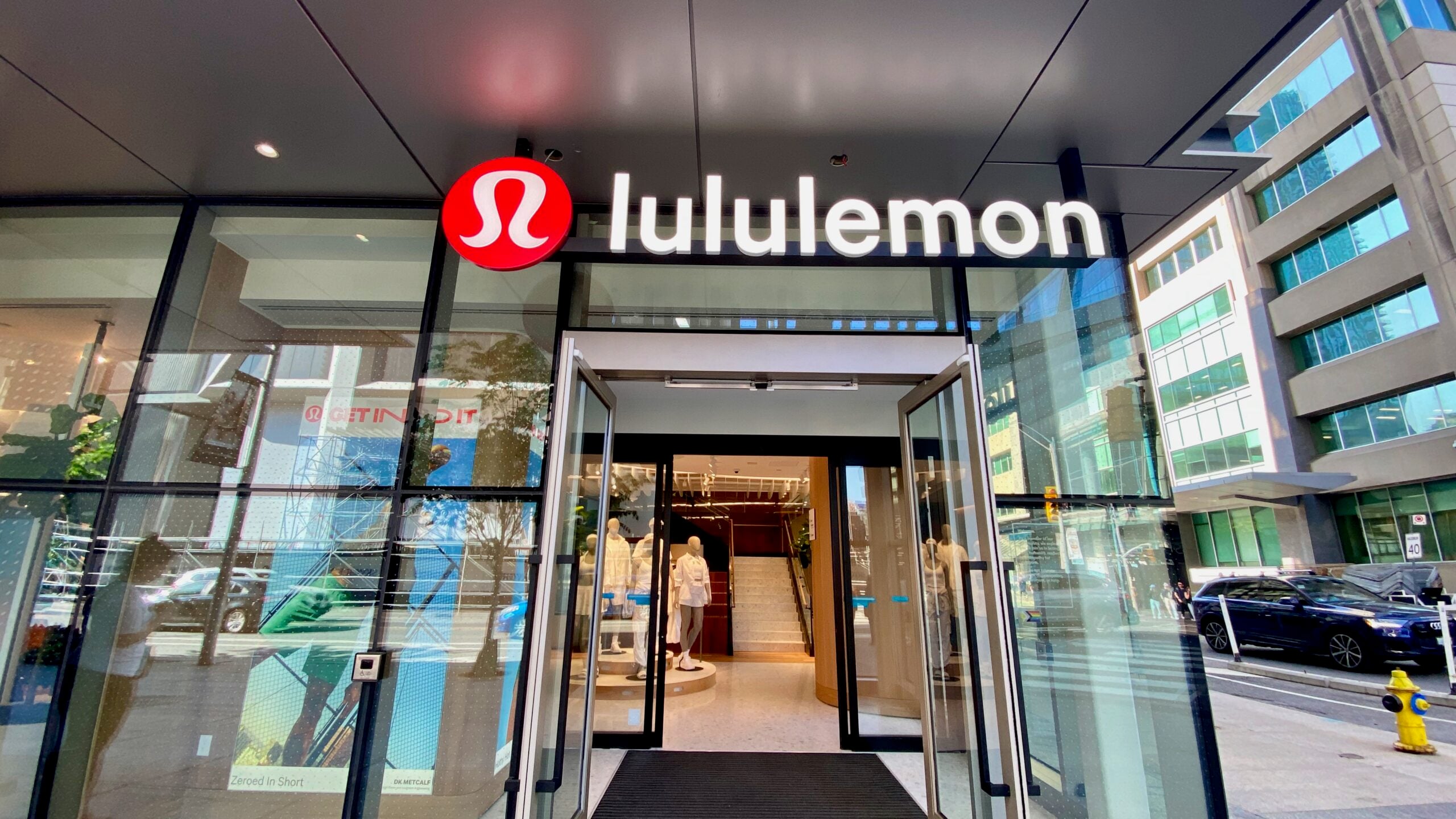
“We’re known internationally as nice, fair, welcoming — and those qualities are more valuable than ever,” she said. “Brands like Roots or Lululemon could do even more to reflect that image abroad.”
With the right mix of substance, storytelling, and pride, she believes more Canadian companies can become international icons.