

On May 2, 2025, the Hudson’s Bay Company officially turns 355 years old—a historic milestone for one of the world’s oldest continuously operating companies. But instead of a celebratory mood, there is a growing sense of mourning. The venerable retailer, founded in 1670 as a fur trading enterprise and later transformed into a department store empire, is now teetering on the edge of extinction.
This anniversary could be its last.
In March of this year, Hudson’s Bay Company filed for creditor protection under Canada’s Companies’ Creditors Arrangement Act (CCAA). As liquidation sales continue and stores prepare to shutter, the 355th birthday may become a final tribute to a business that once helped shape Canada’s economic and cultural fabric.
A Company That Once Defined Canada
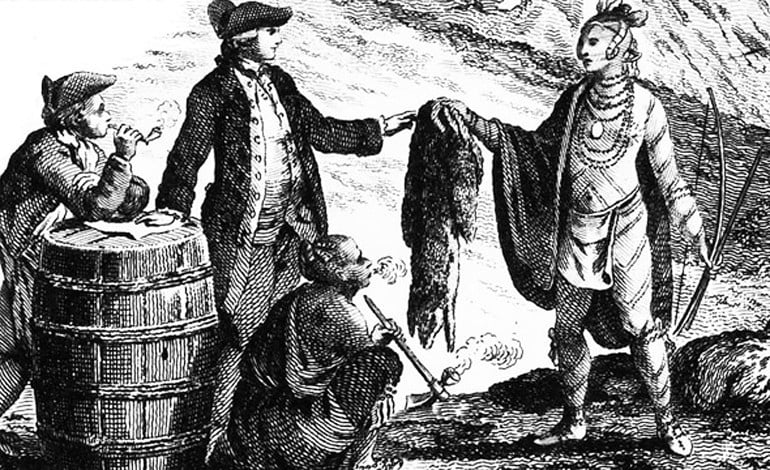
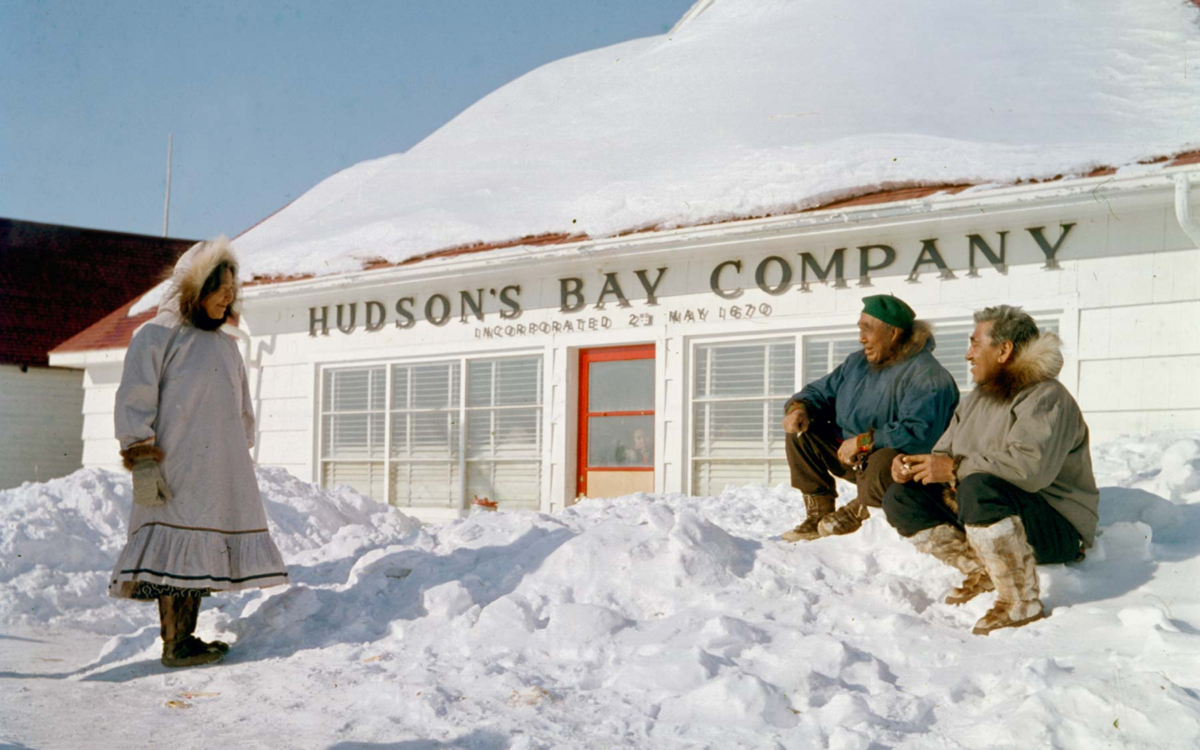
Hudson’s Bay’s origins are as old as Canada itself. On May 2, 1670, King Charles II of England granted a royal charter to “The Governor and Company of Adventurers of England trading into Hudson’s Bay,” giving it trading rights over a vast swath of North America. What began as a fur trading monopoly would go on to evolve into a dominant commercial force, playing a foundational role in Canada’s development—from mapping the West to establishing trading posts that eventually grew into cities.
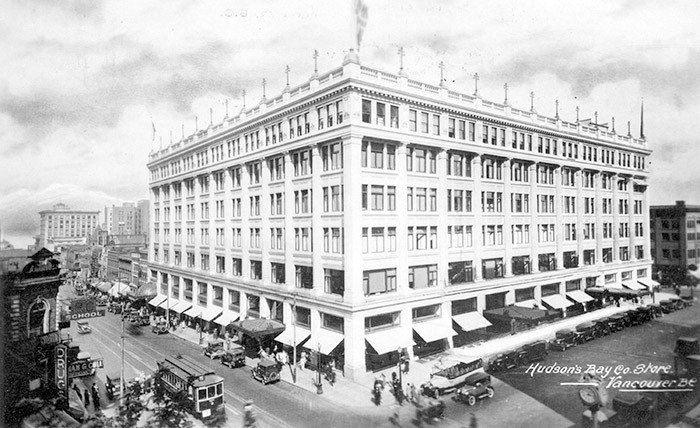
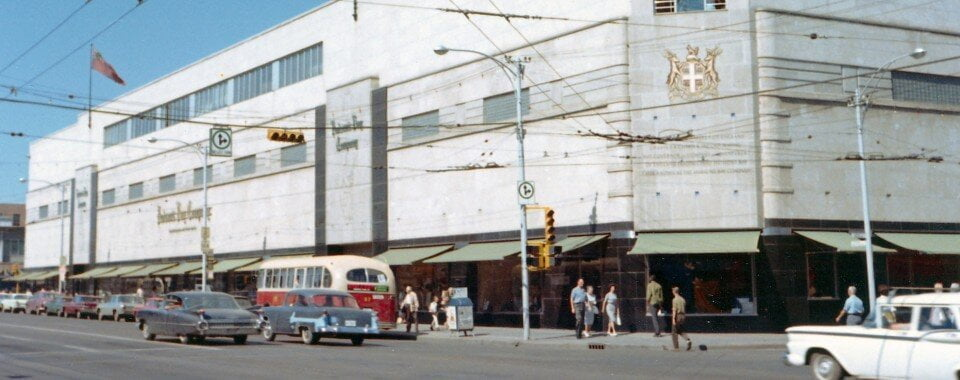
In 1881, the company pivoted toward retail, and by the 20th century, Hudson’s Bay had reinvented itself as a department store brand. Its flagship locations in Vancouver, Calgary, Edmonton and Winnipeg (later Toronto, Ottawa and Montreal via acquisition), became architectural and commercial landmarks. The brand’s signature wool blankets, striped patterns, and seasonal sales became embedded in the national psyche.
But over the past two decades, the proud institution has faced mounting pressures.
The March Into Bankruptcy
Hudson’s Bay Company filed for CCAA protection on March 7, 2025, following months of financial turbulence. According to court filings, HBC owes more than $1.1 billion to a broad roster of creditors, including landlords, suppliers, and tax authorities. The filing came after the collapse of talks with potential investors and amid rapidly declining sales.
A confidential internal memo leaked earlier this year revealed that HBC experienced a 33% decline in total sales in 2024, including a 49% plunge in e-commerce revenue—a devastating drop for a company that had invested heavily in online channels during the pandemic.
With a cash crunch and no immediate rescue capital, HBC was forced into creditor protection. Alvarez & Marsal Canada Inc. was appointed as monitor, and efforts began to restructure the business. But by late April, the strategy shifted from restructuring to liquidation.
The Final Liquidation: Six Hudson’s Bay Stores Remain—For Now
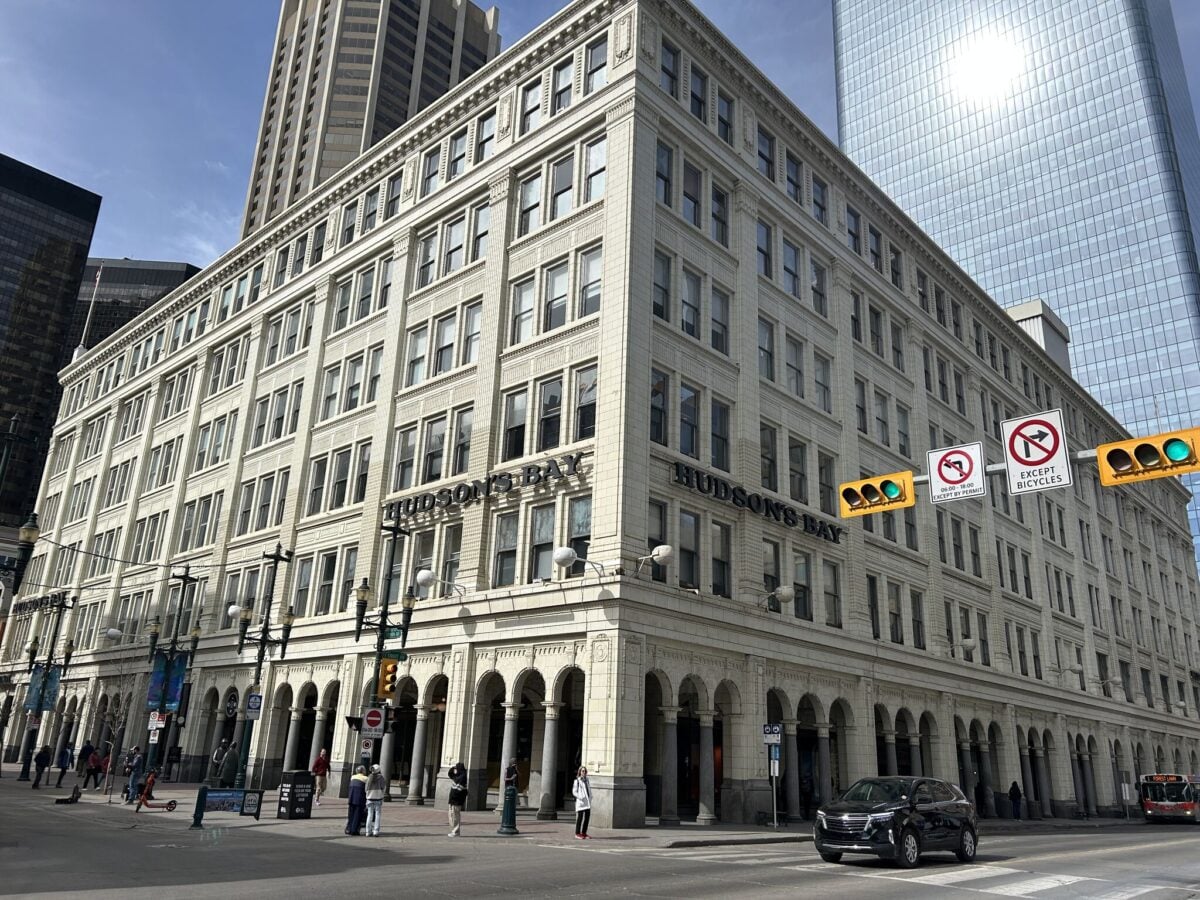
On April 23, 2025, Hudson’s Bay announced that liquidation sales would begin at its final six remaining department stores, as well as one Saks Fifth Avenue location. The affected Hudson’s Bay stores include:
- Hudson’s Bay/Saks Fifth Avenue Queen Street (Toronto)
- Hudson’s Bay Yorkdale Shopping Centre (Toronto)
- Hudson’s Bay Hillcrest Mall (Richmond Hill, ON)
- Hudson’s Bay Sainte-Catherine Street (Montreal)
- Hudson’s Bay CF Carrefour Laval (Laval, QC)
- Hudson’s Bay CF Fairview Pointe-Claire (Pointe-Claire, QC)
The Saks Fifth Avenue stores at CF Sherway Gardens in Toronto and CF Chinook Centre in Calgary will also be shuttered, along with 13 Saks OFF 5TH stores. All locations are expected to close by June 15, 2025, effectively ending HBC’s 355-year-old retail operations.
Disrepair, Distrust, and Diminished Relevance
As part of the court proceedings, documents revealed that many Hudson’s Bay properties had fallen into disrepair. Deferred maintenance and lack of capital investment created conditions that alienated both shoppers and landlords. In several cities, property owners had been seeking new tenants even before the bankruptcy was filed.
Retail strategist Carl Boutet, who has closely followed HBC’s decline, told Retail Insider in a recent interview that trust in the brand had eroded across all key stakeholders.
“Customers lost confidence in the experience, suppliers pulled back, and landlords started preparing for the worst,” said Boutet. “It became a self-reinforcing cycle of decline.”
Even the company’s private label strategy—once seen as a strength—lost traction. Shoppers began gravitating toward specialty retailers, fast fashion, and e-commerce platforms that offered better pricing and selection.
A Sale of Icons: Charter and Brand Up for Grabs
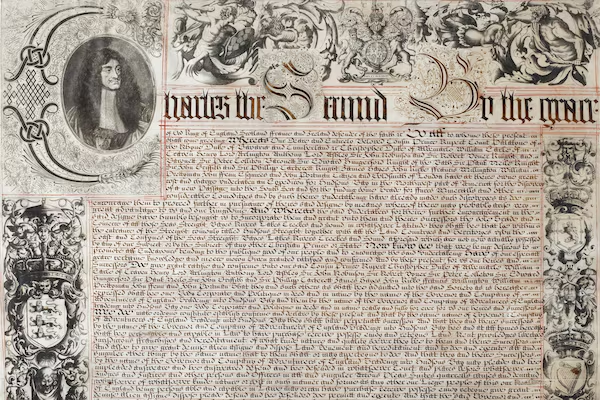
One of the most dramatic elements of the CCAA process has been the auctioning off of the company’s intellectual property and assets—including the Hudson’s Bay brand name and its 1670 Royal Charter, one of the oldest corporate charters in the world.
Multiple bids have emerged. Toronto-based investment firm Urbana Corp. publicly confirmed interest in purchasing the brand and charter, with CEO Thomas S. Caldwell noting that the historic value of the assets could be repurposed for modern applications. Other bids reportedly include one from Chinese-Canadian billionaire Weihong Liu and another reportedly from Canadian Tire Corporation, although details remain sealed due to court-mandated confidentiality.
The Royal Charter is currently stored under climate-controlled conditions in Manitoba, and its future—along with HBC’s heritage archives—is uncertain.
Employees, Landlords, and Suppliers Left in Limbo
The CCAA process has left thousands of employees across Canada in a state of uncertainty. While court documents suggest some workers may receive severance and benefits from a limited pool of remaining funds, others could be left with little support, particularly if their contracts were terminated before the filing.
Landlords, many of whom are owed millions in rent, are also weighing their legal options. Shopping centre owners such as Cadillac Fairview, Oxford Properties, Ivanhoé Cambridge, and Primaris have already began strategizing repositioning former Hudson’s Bay boxes for new tenants.
Suppliers, including fashion brands, local suppliers, and logistics providers, face potential write-offs for outstanding invoices.
What Comes Next?
With liquidation underway, questions remain about what—if anything—will survive of Hudson’s Bay Company. Will the brand be licensed or resurrected in another form? Could a digital-only Hudson’s Bay relaunch under new ownership? Or will the name join the ranks of other once-mighty but now-extinct department stores like Eaton’s, Woodward’s, and Sears Canada?
As of today, May 2, 2025, Hudson’s Bay Company is 355 years old. But unlike past anniversaries marked by promotions or historical retrospectives, this year’s milestone carries a somber weight. The nation’s oldest retailer may not live to see its 356th birthday.
In a world where retail is increasingly driven by convenience, technology, and personalized experience, Hudson’s Bay—once a symbol of endurance—is facing a quiet, if not undignified, exit.
And yet, for generations of Canadians, the brand’s history remains indelible. As it fades from shopping streets and skylines, Hudson’s Bay’s cultural imprint will persist—in memories, in archives, and in the very story of Canada itself.











Happy Birthday Hudson’s Bay. 355 years! What a legacy. You’ve been around longer than Canada, you’ve been around to see the whole world change, you’ve been around for many special moments in our lives. How sad that Canadians let HBC go bankrupt at the hands of American. HBC survived the Great Depression, world wars, countless economic downturns, but couldn’t survive two decades of American private equity.
Reading that Canadian Tire placed a bid for Hudson’s Bay made me smile and think wow what a great fit for Canadian Tire & Hudson’s Bay to be together. Both great Canadian Retail Icons. Both businesses complement each other. I’d love to see Canadian tire corporation be the next owners of Hudson’s Bay, Zellers, and the icon HBC stripes. Would feel like the legacy of HBC isn’t totally lost.
It would be interesting to see what Canadian Tire might do with its bid — it appears to be bidding for HBC’s intellectual property, which means we could see HBC-branded/stripe products in Canadian Tire stores. I had wished Canadian Tire would also operate HBC as a department store, though that model might not be relevant to them (with expansive fashion, beauty etc). Ms. Liu’s bid for 25 stores is the only current public bid to maintain a department store chain in Canada, and it will be interesting to see if she call pull this off. She would also need to win a bid for the intellectual property I suspect (or a single bid for both could be accepted).
The problem is that Canadian Tire is unlikely to want to run anything resembling a department store chain. (Technically, it already does operate one under its own brand!) The general consensus in the retail and investment community seems to be that there is no value in an ongoing HBC operation in any way resembling the traditional one.
Canadian Tire would likely simply offer HBC merchandise (such as blankets) as a sub-brand. There is, of course, precedent: Canadian Tire acquired the NOMA brand after that company went under, and now offers a wide range of own-brand merchandise under the NOMA label.
I want the powers that be- to contact me.. jim turner—- jctcab@cogeco.ca
It is of great concern to me that the historic property of Hudson Bay and in particular- sir George simpson be held and not sold.
I am sir George’s 4th great grand son and we are his family. It is disconcerting that the family was not notified about the historical replicas of this era. Also the artifacts at York factory..