WoolAid, the world’s first biodegradable bandage crafted with merino wool, has officially entered the Canadian market and is now available in more than 500 Sobeys locations nationwide. Designed to outperform conventional plastic bandages, WoolAid offers a breathable, skin-friendly, and environmentally responsible alternative—bringing meaningful innovation to a category long dominated by synthetic, petroleum-based materials.
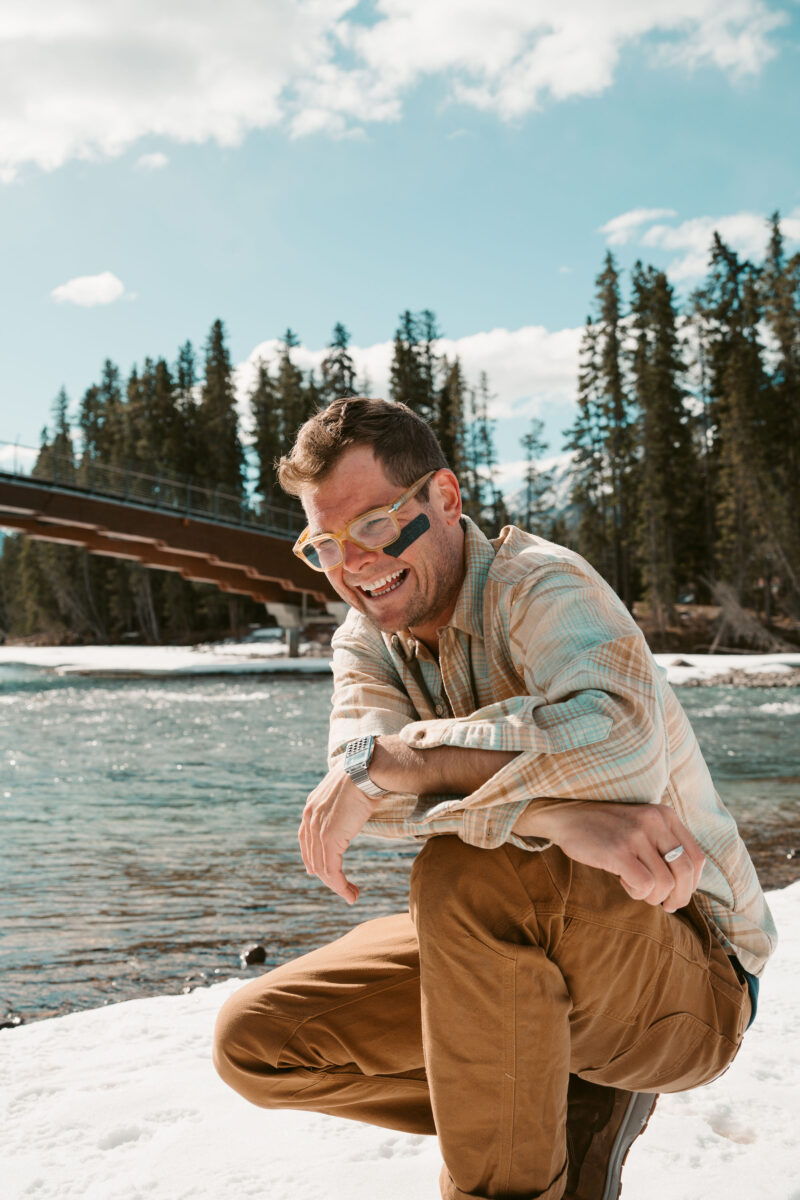
At the helm of the New Zealand-founded brand is Lucas Smith, who recently relocated to Banff, Alberta, to oversee WoolAid’s Canadian rollout.
“I’m based here in Banff, but I’m originally from New Zealand,” says Smith. “Originally, I’m from a place on the South Island. A lot of our Merino wool comes from that area—it’s a big fine wool-producing part of New Zealand. I moved to Banff to support our Canadian launch and efforts.”
Although only in Banff for a few months, the area is familiar terrain. “I used to be a mountain guide, and back in 2014, I spent some time here between guiding seasons. I met a lot of people my age, so it’s been great coming back a decade later and reconnecting with the community.”
Smith’s inspiration for WoolAid started in the mountains—and with a problem many hikers can relate to. “At the end of the day, we make bandages from Merino wool. I used to be a mountain guide, and growing up in the mountains, you need products that perform,” he explains. “You can upgrade your jacket, your toothpaste—there’s always a better version of most things you take outdoors. But with bandages, everything was plastic.”
“When I was guiding, we’d take groups of about 50 people through the mountains, and almost everyone would end up with blisters after five days of hiking. And it wasn’t just a physical issue—it was a mental one. People would stop focusing on the experience and start focusing on their feet.”
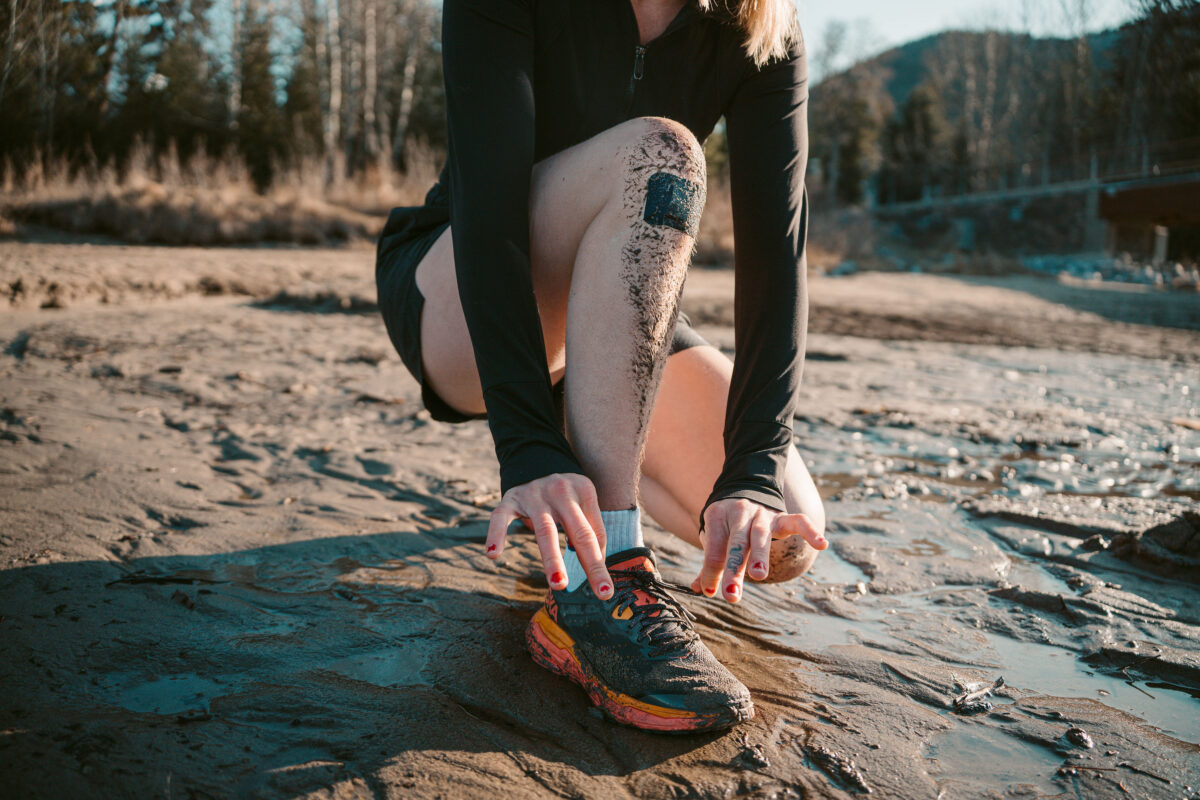
The idea crystallized while guiding on the Milford Track, one of New Zealand’s most iconic alpine trails. “The government limits how many people can go on the trail—only 50 a day. So it’s often people on honeymoons or big bucket list trips. And for them to be distracted by blisters instead of the mountains just didn’t feel right.”
“As guides, we lived in Merino wool—our socks, our clothes—because we knew how well it performed. Yet we were putting plastic band-aids on people. It didn’t make sense,” he adds. “So at 20 years old, I decided someone had to make bandages out of Merino wool. No one had. That’s where the journey started, a decade ago now.”
What began with loose wool tucked into socks has now become a patented, FDA Class I medical-grade bandage that’s naturally antimicrobial, hypoallergenic, and designed to break down in soil within four months, returning nutrients like nitrogen and phosphorous to the earth.
“It never made sense to me that we’d go to such lengths to buy natural, technical fabrics for our bodies—but then use petroleum-based plastic on our skin when it’s at its most vulnerable,” says Smith. “It took us years to secure global patents and build the supply chain to make this happen, but we knew the world needed a cleaner, smarter way to heal.”
WoolAid is now available in New Zealand, the U.S., and Canada, with distribution through the Sobeys network. “In Canada, they’re available throughout the Sobeys network. Any Sobeys or Sobeys-owned store with a pharmacy should have them.”
Smith adds, “We’re also in New Zealand and the United States. It took a long time to get everything in place—filing patents, completing clinical research. Since it’s a product going on open wounds, we had to make sure it was safe.”
Built from ethically sourced merino wool—the same wool used by luxury fashion houses—WoolAid combines performance and environmental responsibility in a way that’s redefining the wound care category. Unlike 65% of plastic-based bandages, which contain forever chemicals, WoolAid is gentle on skin, kind to the planet, and built to perform when it matters most.
So what’s next?
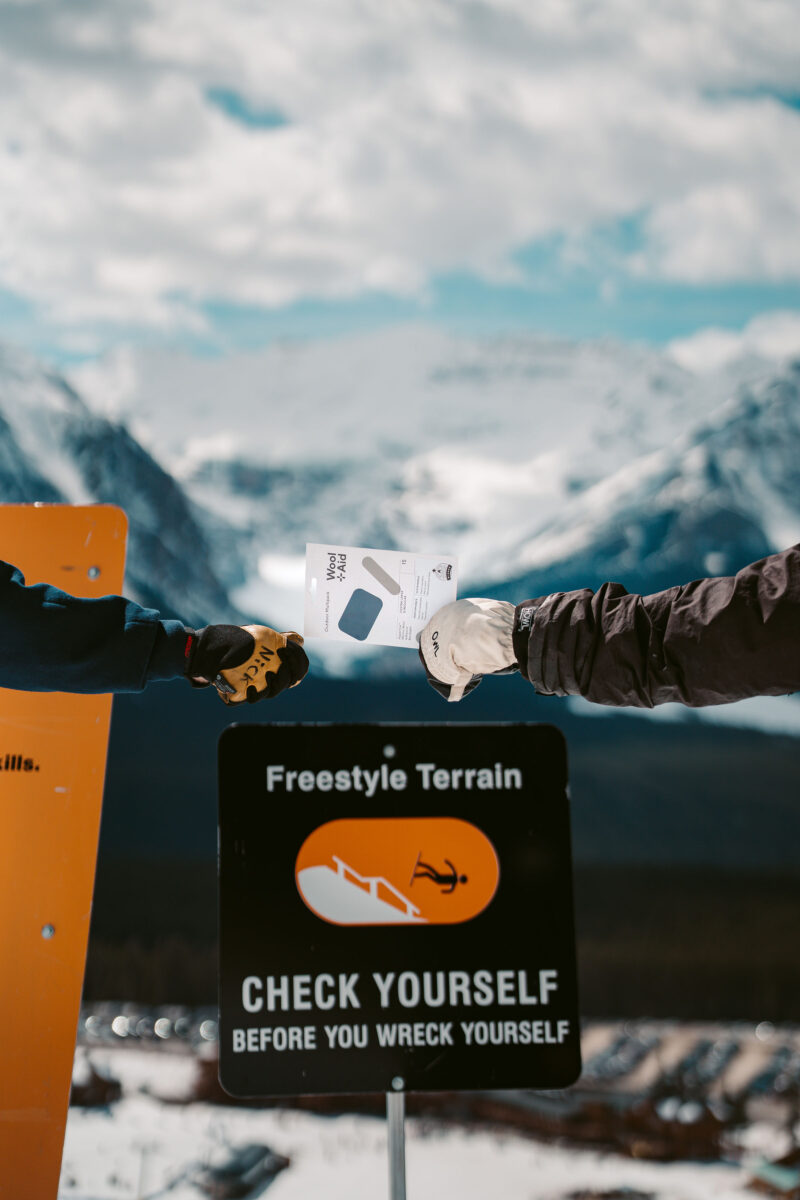
“Ideally, we want it to be something everyone can access. We’re starting with people who are outdoorsy—ski fields, hiking companies, places like that—because they understand performance gear and Merino wool. But eventually, we want it available to the general public,” says Smith.
“The goal is to get to a point where you’re in rural Alberta or B.C. at a gas station, and alongside chewing gum, you can pick up a WoolAid bandage. That’s the vision.”
That vision includes a strategic rollout: “Sobeys is helping us with the mainstream rollout. We’re managing the smaller, niche retail—like ski fields—ourselves to maintain control over the brand while we can.”
He believes it’s a smart approach: “I think it’s smart to build with a community that understands the value first and then branch out.”
When asked about WoolAid’s core customer, Smith is quick with data. “From the data we’ve seen over the past couple of years, it’s predominantly women. Women are typically the household purchasers. People buy bandages either proactively—on a shopping list with milk and bread—or reactively, when they have a cut or blister. And in both cases, women tend to be more on top of it than men.”
“In the outdoor industry, people already understand Merino wool because of brands like Smartwool and North Face, who’ve done a great job educating consumers. But in general, this is a product everyone will likely use at some point in the next three to five months.”
Related Retail Insider stories: