Sleep Country Canada is preparing to enter the United States at scale through its acquisition of Sleep Number, a transaction that would give the Canadian retailer control of a recognized American brand, proprietary mattress technology and a network of more than 570 stores.
A U.S. bankruptcy judge approved the sale on July 20 following a competitive auction conducted as part of Sleep Number’s Chapter 11 proceedings. Court documents place Sleep Country’s winning proposal at approximately US$701 million in total value, including US$529.5 million in cash and the assumption of selected obligations. Closing is expected by July 31.
The final proposal was substantially higher than Sleep Country’s original US$415-million stalking-horse bid. Reuters reported that the Canadian retailer agreed to increase its offer by approximately US$286.8 million through the auction process. Brooklyn Bedding was selected as the backup bidder.
Sleep Country described the combination as creating the world’s second-largest sleep retailer, with more than 800 stores across Canada and the United States. The company currently operates 307 corporate-owned stores and 18 warehouses in Canada, while Sleep Number has more than 570 locations across the U.S.
The deal would change Sleep Country’s geographic reach considerably. The company has assembled a collection of Canadian store banners and online sleep brands, but its physical retail operations have remained concentrated in Canada. Sleep Number provides immediate access to markets throughout the United States without requiring years of store-by-store expansion.
It also leaves Sleep Country responsible for a difficult turnaround. Sleep Number entered bankruptcy protection after several years of declining sales, widening losses, store closures and pressure from approximately US$672 million in debt.
A Canadian Retailer Moves Into the U.S.
Sleep Country operates its namesake banner and Dormez-vous, along with Endy, Silk & Snow, Hush, Casper Canada and Simba. Its business spans mattresses, bedding, furniture and sleep accessories sold through stores and digital channels.
The company has expanded its portfolio through acquisitions and brand development. Sleep Number brings a much larger geographic platform and a retail model that differs from much of Sleep Country’s current business.
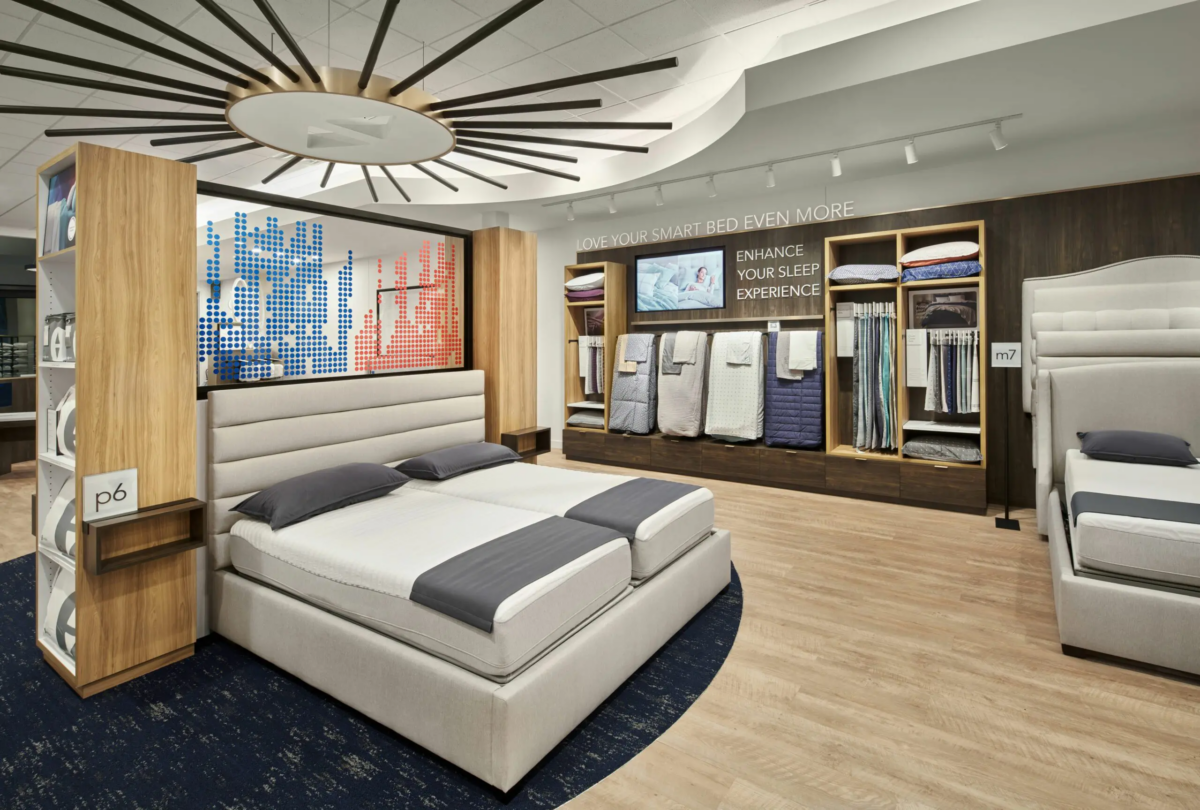
Sleep Number’s mattresses allow customers to adjust firmness and support settings. Its newer products also include pressure-relieving support, temperature-balancing features and connected technology.
The company says it has served more than 16 million people over nearly four decades and holds more than 1,000 patents and patents pending. Its operation covers product design, assembly, retail sales, home delivery and continuing customer support.
Sleep Country President and CEO Stewart Schaefer said the company sees opportunities to build the business in the U.S. and introduce Sleep Number products in Canada and other markets.
Details of a Canadian rollout have not been released. Sleep Country has not indicated whether the products would be carried inside its existing stores, introduced through dedicated selling areas, launched online or supported by standalone Sleep Number locations.
Fairfax Ownership Sets the Stage
Sleep Country’s move into the U.S. follows its own change of ownership less than two years ago.
Fairfax Financial Holdings acquired Sleep Country in October 2024, paying $35 in cash for each outstanding share. The transaction took Sleep Country private and resulted in its shares being delisted from the Toronto Stock Exchange.
The acquisition carried an enterprise value of approximately C$1.7 billion when it was announced.
Sleep Country now operates within the portfolio of Toronto-based Fairfax, an insurance and investment holding company led by Prem Watsa. Private ownership allows the retailer to undertake an integration that could require sustained investment and operational changes away from the quarterly reporting cycle faced by a publicly traded company.
The Sleep Number transaction would take Sleep Country from several hundred Canadian locations to an announced network exceeding 800 stores across two countries.
The approximately US$701-million winning proposal also represents a larger financial commitment than was apparent when Sleep Country entered the bankruptcy process as the stalking-horse bidder. The companies have not provided a detailed public breakdown of how Sleep Country will finance the US$529.5-million cash component or fund the subsequent integration.
Sleep Number Entered Chapter 11
Sleep Number filed for Chapter 11 protection in June and entered a court-supervised sale process with Sleep Country serving as the stalking-horse bidder. The arrangement was conducted under Section 363 of the U.S. Bankruptcy Code and remained open to higher or otherwise better offers.
Sleep Country’s original proposal contemplated US$415 million in cash, the assumption of selected liabilities and potential purchase-price adjustments. That offer established the opening terms for the auction.
Sleep Country increased its proposal following the competitive process. The court-approved bid is valued at approximately US$701 million, with US$529.5 million payable in cash. Sleep Country also agreed to assume obligations that include certain employee severance expenses and contractual liabilities.
The transaction is structured as an asset sale. Sleep Country is acquiring substantially all of Sleep Number’s operating assets through a wholly owned subsidiary, SNBR Inc. It is not acquiring the publicly traded company’s shares through a conventional corporate takeover.
The original purchase agreement also gave the buyer the ability to exclude contracts and leases it did not wish to assume. That provision gives Sleep Country room to review the U.S. operation as it decides which parts of the store network and contractual structure fit the business under new ownership.
Sleep Number arranged access to as much as US$260 million in debtor-in-possession financing to support operations during the proceedings, including up to US$65 million in new funding.
Sales and Losses Worsened
Sleep Number entered the sale process following a steep deterioration in its financial performance.
The company generated net sales of approximately US$1.41 billion in fiscal 2025, down 16 per cent from the previous year. It recorded a net loss of US$132 million, compared with a loss of US$20 million in 2024.
Sleep Number reduced adjusted operating expenses by US$136 million during the year and reported US$185 million in annualized cost reductions. Those measures included changes to corporate staffing, technology spending, administrative functions and the store network.
The savings did not offset the decline in revenue. Adjusted EBITDA fell 35 per cent to US$78 million.
Conditions remained difficult during the first quarter of 2026. Net sales fell 18.9 per cent to US$319 million, reflecting lower sales volume and a smaller store base. Sleep Number posted a quarterly net loss of US$50 million, widening from US$9 million a year earlier. The company entered Chapter 11 with approximately US$672 million in debt.
Sleep Number incurred US$22 million in restructuring and other non-recurring costs during the quarter, including store and office closure expenses, severance, professional fees and costs connected with its review of strategic alternatives.
The company had also completed its largest product redesign in nearly a decade, resetting its stores with a simplified assortment and new marketing. Management reported improving demand late in the first quarter, although the business remained unable to resolve its longer-term financing requirements outside a court-supervised process.
Sleep Number attributed its recent difficulties to a combination of inflation, tariffs and supply-chain disruption, alongside weak demand for larger discretionary purchases.
Attention Turns to the Store Network
The future of Sleep Number’s more than 570 U.S. stores will be one of the principal questions after closing.
Sleep Country’s announcement combines the existing networks of both companies to arrive at a footprint of more than 800 locations. That number could change as the new owner evaluates store performance and determines which leases to retain.
Sleep Number had been reducing its real estate footprint before entering Chapter 11. The company said it intended to retain locations based on profitability and sought authority to reject leases associated with 44 stores that had previously closed.
The bankruptcy process gives Sleep Country a mechanism for dealing with leases and contracts that no longer fit the operation. The company can review the network market by market, taking into account sales performance, occupancy costs, geographic coverage and the cost of supporting delivery and connected products.
Further closures are possible, although Sleep Country has not disclosed a store target or identified locations under review.
The network still provides broad U.S. coverage that would have been expensive and time-consuming to assemble organically. Reuters reported that Sleep Number operates 572 U.S. stores and employs approximately 2,920 people.
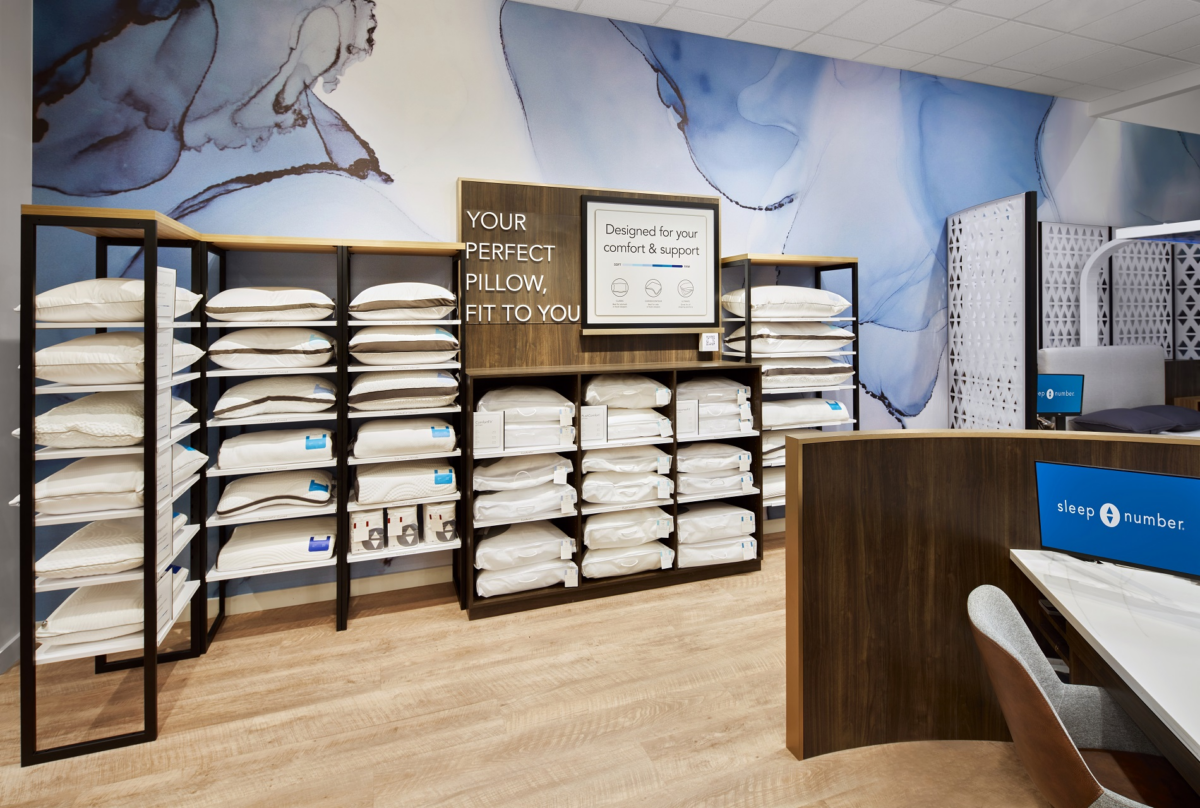
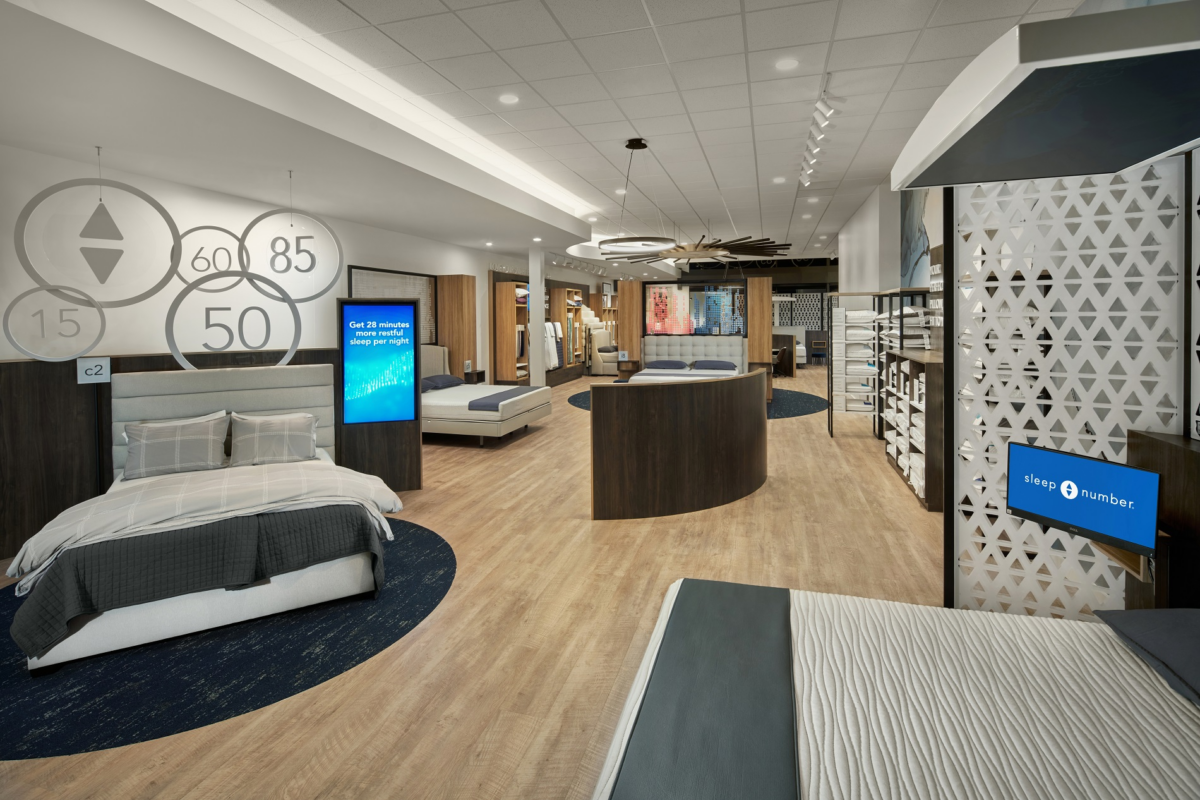
Sleep Number sells its mattresses, adjustable bases, furniture and bedding through its stores and online channels. Its products also lend themselves to an in-person sales process, allowing customers to test adjustable mattresses and receive explanations of the technology and comfort settings before purchasing.
Customer service will be another immediate priority. Sleep Number shoppers may have active warranties, pending deliveries, store credits, reward balances and beds connected to the company’s digital platform.
Sleep Number said its stores, website, deliveries, warranty service and connected-bed infrastructure would continue operating during the sale process.
Technology Adds to the Appeal
Sleep Country is acquiring assets extending beyond the store network. Sleep Number has developed an intellectual property portfolio around adjustable mattresses, sleep tracking and responsive bed technology. Its products can collect information and adapt to a customer’s comfort preferences.
The continuing customer relationship may include software, warranty service, accessories and eventual replacement purchases.
The model gives Sleep Country access to a specialized part of the mattress market and a large existing customer base. It may also provide opportunities across product development, marketing, sourcing, fulfillment and e-commerce.
Sleep Number products are expected to continue being assembled in the United States. Sleep Country has not announced changes to the company’s assembly, delivery or headquarters operations.
Brand management will require careful decisions. Sleep Number has operated as an exclusive, vertically integrated retailer centred on its own products. Sleep Country carries a broader assortment of brands and price points through its Canadian banners.
The company will have to determine where the businesses can share resources while retaining the specialized positioning that has distinguished Sleep Number in the U.S.
Sleep Number Could Enter Canada
Introducing Sleep Number products in Canada is one of the potential growth opportunities identified by Sleep Country.
The Canadian retailer already has stores, distribution facilities, delivery capabilities and a customer base across the country. Those resources could support a launch without requiring Sleep Number to construct a separate national infrastructure.
Products could eventually be introduced at selected Sleep Country and Dormez-vous locations, carried in dedicated selling areas or launched through e-commerce before reaching a wider selection of stores.
A separate Sleep Number banner is another possibility, although the company has not indicated that standalone Canadian stores are planned.
The eventual approach will depend partly on how Sleep Country positions the products within its existing assortment. Sleep Number operates at a premium price point and requires a more involved demonstration and installation process than many conventional mattresses.
A Canadian launch would also provide an early indication of whether the brand’s emphasis on personalization and technology translates outside the U.S.
The Work Begins After Closing
Sleep Country has secured a route into the United States that would have been difficult to reproduce through organic growth.
The transaction would give the Canadian retailer a national brand, proprietary products, customer relationships and a store network extending across the U.S. At approximately US$701 million in total value, the winning proposal also represents a considerably larger commitment than Sleep Country’s opening bid.
Early priorities are expected to include maintaining operations, reviewing the store portfolio and supporting existing customers. Decisions around investment, merchandising and the balance between physical and digital retail will follow.
The July 20 court approval brings the transaction close to completion. Once the deal closes, Sleep Country will begin determining how Sleep Number’s stores, technology and customer base fit within its broader North American business.