After rebuilding Fitness World from the brink of bankruptcy into one of British Columbia’s largest fitness chains, President and CEO Chris Smith is preparing for the next stage of growth: a nationwide Fitness World franchise expansion. The company, which currently operates 17 locations across the province with more than 90,000 members, is introducing a hybrid growth model that combines both franchised and corporate-owned clubs.
For Smith, who has worked in the fitness industry for nearly three decades, the franchise model represents what he calls the company’s “most significant growth frontier.” His vision balances scaling a proven concept while remaining true to Fitness World’s inclusive and community-driven mission.
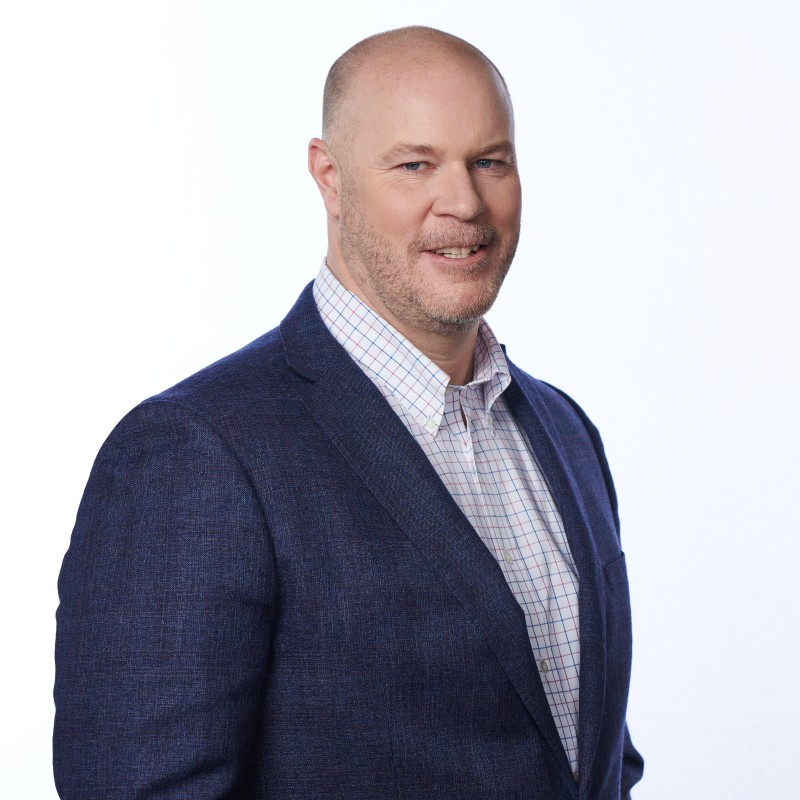
“We intend to offer the ability to become a franchisee while also still growing corporate stores,” Smith said. “We don’t plan on stopping corporate growth. We plan to continue with a balance of both, particularly at this stage of our incubation as a business.”
Fitness World’s current trajectory is a stark contrast to its situation just five years ago. The company was previously known as Steve Nash Fitness World and Sports Clubs, operating under a mid-tier pricing model before filing for bankruptcy during the pandemic.
Smith purchased the business out of insolvency and “right-sized” its operations to 15 clubs before gradually expanding to 17. An 18th location is now in development in British Columbia.
“It’s been an exciting time, certainly not a journey without difficulties or challenges,” Smith said. “But I think we’ve found a way. We definitely have something unique enough that it creates separation and a strong value proposition for our members.”
Since 2020, the company has invested close to $10 million into revitalizing its facilities, upgrading equipment, and refreshing interiors. According to Smith, nearly everything about the gyms has been transformed except the walls themselves. The changes have resonated with members, with Fitness World boasting some of the highest Google review scores in its markets.
Franchise Opportunities Across Canada and Beyond
The Fitness World franchise expansion is designed to tap into a growing fitness industry that is currently valued at $5.8 billion in Canada and growing at more than six percent annually.
Corporate growth is being focused in Ontario and Alberta, while the franchise model will allow operators to launch new clubs in both Canada and the United States. Smith confirmed that early discussions are underway in Toronto, Calgary, Edmonton, and markets across the West Coast.
“We don’t want to grow too fast, but we want to grow as sustainably as possible,” Smith said. “Our model has proven adaptable across urban and suburban markets, and we’re confident that we can replicate our success in new regions.”
The company is targeting both seasoned operators and first-time entrepreneurs, with initial franchise investments ranging from $1 million to $1.6 million. The goal is to establish a national presence while maintaining consistent standards and accessibility.

A Flexible Model for Different Communities
One of Fitness World’s defining features is its flexibility in adapting to the needs of local communities. The company typically operates facilities of 20,000 to 25,000 square feet, serving as anchor tenants in commercial retail centres. However, Smith said the model can adjust in size where larger footprints are not available.
“We flex our model into the communities,” Smith explained. “For example, some suburban clubs offer child-minding services because families need that support, while our urban locations may not require it. In some communities, we also offer women’s-only workout areas, whether for cultural or personal reasons. It’s about meeting members where they’re at.”
This approach has helped Fitness World serve diverse demographics, from young professionals in Vancouver to families in suburban areas. Amenities include strength and cardio equipment, hydro massage, nutritional services, group fitness classes, and recovery options such as red-light therapy and massage chairs.
Smith emphasized the importance of keeping membership prices accessible, avoiding the exclusivity of high-end gyms while offering a more robust experience than ultra-low-cost competitors. “We are very affordable,” he said. “We don’t want to be high-end because one of our core values is inclusivity. You can’t really be inclusive if your price point excludes people.”
Integrating Fitness and Healthcare
A key industry shift Smith highlighted is the growing intersection between fitness and healthcare. The rise of GLP-1 weight loss drugs has prompted greater dialogue between medical professionals and fitness operators.
“Our industry has always talked about how great it would be to tap into the medical community,” Smith said. “The introduction of these weight-loss drugs has created synergy that we’ve never seen before. It’s changing the way everyone approaches health and wellness.”
While Smith cautioned about regulatory differences between Canada and the United States, he said the integration of medical and fitness approaches could fundamentally reshape the sector. “It will end up in a better spot,” he noted. “But there are risks along the way.”

Younger Generations Driving Demand
Another positive development for Fitness World is the increased health focus of younger generations. Smith said Gen Z and Millennials are demonstrating stronger engagement in fitness compared to previous cohorts.
“The younger generation is prioritizing their health and wellness in a way that’s refreshing,” Smith said. “It could have a significant impact on the future of the industry.”
Statistics from the Fitness Industry Council of Canada, where Smith serves on the board, show that every $1 invested in wellness initiatives saves $4 in healthcare costs. “Imagine if we could double the number of Canadians living healthier lifestyles,” Smith added. “It would not only improve quality of life but also free up resources for other critical social programs.”
A Community-Centred Approach
Fitness World has sought to differentiate itself through community engagement. Initiatives have included free fitness programs for seniors, partnerships with youth organizations, and wellness programs for vulnerable populations such as those experiencing homelessness.
In 2025, the chain became the official fitness partner of RUNVAN, further cementing its role as a supporter of local health and wellness initiatives.
“We want to be more than just gyms,” Smith said. “We want to create a movement that makes health accessible for everyone, regardless of age, income, or background.”

Technology and Marketing Innovations
Behind the scenes, Fitness World has modernized its operations with new technology partnerships. In 2024, the company partnered with ABC Fitness to implement advanced member management platforms, digital engagement tools, and data-driven personalization. The result has been stronger online sales, which now represent a third of the company’s revenue.
“We’ve nearly tripled monthly sales since 2020 through digital marketing and online sales channels,” Smith noted. “Technology has been a critical part of our turnaround and growth.”
Looking Ahead: Expansion and Real Estate Strategy
The next stage of the Fitness World franchise expansion will hinge on securing the right real estate opportunities. Smith confirmed he will be meeting with brokers at the ICSC conference in Toronto, scouting potential sites.
“I’ll be looking at available real estate and making some strategic decisions in the coming months,” he said. “It’s easier said than done, but we’re committed to finding the right locations for long-term success.”
While a soft launch of the franchise program is planned for Canada in 2025, the company is preparing for a “hard launch” at major trade shows in Las Vegas later in the year, including the International Franchise Expo.