As part of Retail Insider’s ongoing review of the Canadian retail industry by vertical, this article provides insights into the current state of Fitness Studios in Canada. The objective is to offer retail leadership valuable insights into market dynamics, trends, and industry opinions. This summary will be revisited annually, supplemented by additional articles that expand on key developments and expert perspectives.
The Fitness Studios in Canada Market Landscape
The Fitness Studios in Canada segment is a key component of the broader Health and Wellness retail industry. This vertical includes boutique fitness studios, group training gyms, franchised workout studios, and wellness-focused fitness centres. It caters to a diverse consumer base, offering specialized services such as high-intensity interval training (HIIT), yoga, Pilates, cycling, strength training, and holistic wellness programs. The segment has evolved rapidly, especially post-pandemic, with the integration of digital fitness solutions, hybrid memberships, and a stronger emphasis on community-driven wellness experiences.

National Chains & Large Fitness Operators
- GoodLife Fitness: Canada’s largest fitness club operator, integrating wellness and recovery programs.
- Orangetheory Fitness: A leader in boutique fitness with a strong network of studios across Canada.
- Anytime Fitness: A well-known 24/7 access gym with numerous locations across the country.
- LA Fitness: A full-service gym chain offering strength training, cardio, and group classes.
Franchise-Based & Specialized Studios
- F45 Training: A rapidly growing functional fitness franchise with a strong member base.
- HOTWORX: Specializing in infrared-heated fitness studios focusing on strength training and high-efficiency workouts.
- 9Round: A kickboxing-themed fitness studio providing high-intensity circuit workouts.
- Club Pilates: A leading name in boutique Pilates fitness.
Luxury Fitness Chains
- Equinox: A high-end fitness chain offering premium services, group classes, and spa amenities.
- Barry’s: A popular boutique fitness studio known for its high-intensity interval training (HIIT) workouts.
Independent & Boutique Studios
- Local Boutique Studios: Many independent operators cater to niche fitness communities, such as yoga, barre, and boxing studios.
- SPINCO: A Canadian-based indoor cycling studio with a loyal customer base.
- Fit Factory: A boutique training facility offering group classes and personal training.

Notable Financial Trends for Fitness Studios in Canada
In reviewing the Canadian businesses noted above, the majority are privately held companies and only two are publicly traded. Looking broadly over the publicly traded information for F45 (publicly traded under the ticker symbol FXLV) and Club Pilates (operated by Xponential Fitness, which is publicly traded under the ticker symbol XPOF) identified:
- Over the past year, F45 Training has faced significant financial challenges, including substantial net losses and a decline in stock value, leading to its delisting from the New York Stock Exchange in August 2023.
- In contrast, Xponential Fitness reported positive financial trends. In the third quarter of 2024, the company achieved a 21% year-over-year increase in system-wide sales, reaching $431.2 million. Additionally, the quarterly average unit volume (AUV) grew by 8% to $631,000, and total membership rose by 16% to 827,000 members.
Generally across the Canadian marketplace for Fitness Studios for financial trends identified:
- The Canadian fitness industry is projected to reach $4.5 billion in 2024, a decline from pre-pandemic levels in 2019.
- Over the past five years, the industry has faced a negative 3.8% compounded annual growth rate (CAGR).
- Despite this, major brands like Orangetheory Fitness and GoodLife Fitness are seeing steady growth, with recovery rates of 85-95% of pre-COVID levels.
- The industry is shifting towards hybrid revenue models, blending in-person training with digital subscriptions.
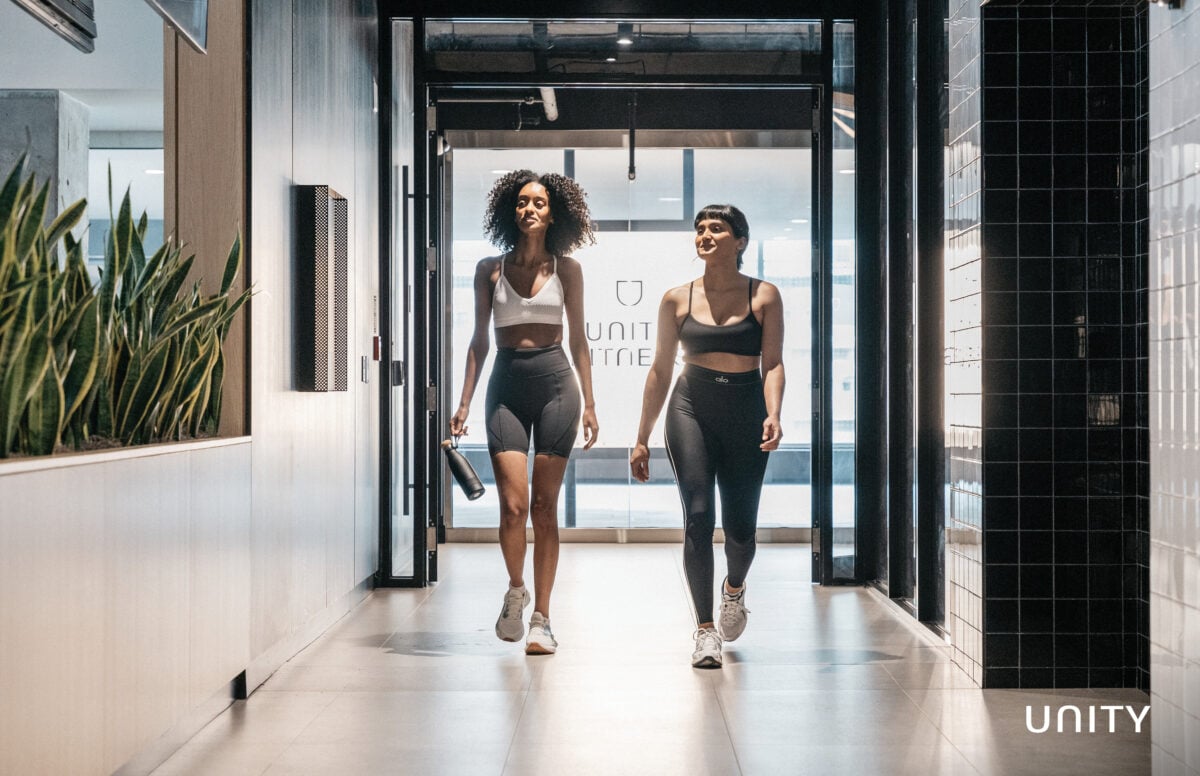
Trends for “Fitness Studio Industry”
This section explores the latest trends shaping the fitness studios in Canada, driven by consumer demand and technological advancements.
- Hybrid Fitness Models: A blend of in-person classes and digital fitness experiences.
- Wearable Tech Integration: Increased use of smart devices for personalized workout tracking.
- Mental Health & Wellness Focus: Holistic fitness experiences integrating mindfulness and stress management.
- Community-Driven Fitness: Group workouts and social fitness activities becoming more popular.
- Recovery & Regenerative Fitness: Increased focus on active recovery services like cryotherapy, massage, and infrared saunas.
- Mature Adult Fitness: Strength training for individuals over 40 is on the rise.
- Sustainability in Fitness: Eco-conscious gyms promoting green practices.

Industry Opinions
- Blake MacDonald, Orangetheory Fitness Canada: The industry has not yet returned to its 2019 revenue highs but is gradually recovering, with contraction still visible in some areas.
- Tammy Brazier, GoodLife Fitness: Membership numbers are back to pre-pandemic levels, with check-in rates surpassing pre-2020 figures. The focus is now on community, mental well-being, and social connection.
- Stephen Smith, HOTWORX: Strength training is a rising trend, particularly among women, with a surge in interest in resistance training and supplements.
Industry Associations’ Perspective
Industry associations provide a broader perspective on the fitness studio retail sector, highlighting ongoing trends and key challenges.
- Gabriel Hardy, Executive Director, Fitness Industry Council of Canada: The industry is experiencing a positive recovery, although around 20-25% of gyms permanently closed due to the pandemic. However, demand for preventive health solutions and longevity-focused fitness is growing.
Read more about the Industry Opinions and Industry Associations’ Perspectives in our Special Report: The State of Canada’s Fitness Industry.

Reports, Studies, and White Papers
Recent reports from Deloitte and the International Health, Racquet & Sportsclub Association [IHRSA] indicate:
- Digital integration remains critical: The rise of AI-driven fitness and customized coaching is expected to expand further. 2024 Sports Industry Outlook (Deloitte)
- Gym attendance is surging: Consumers view fitness as a healthcare complement, rather than just a weight-loss tool. Economic Health & Societal Well-being: Quantifying the Impact of the Global Health & Fitness Sector – Canada (Deloitte and International Health, Racquet & Sportsclub Association [IHRSA], 2022)
- Longevity and health optimization trends: Fitness centres are focusing on long-term health metrics such as VO2 max and bone density preservation. Noted in both studies above.

Retail Insider’s Opinion
Retail Insider believes that Fitness Studio Retail in Canada is poised for a transformative period. While financial constraints and pandemic aftershocks have slowed recovery, new opportunities are emerging in the form of hybrid fitness models, social-driven engagement, and longevity-focused wellness solutions.
The Impact on Canada
- Health and Economic Impact: The shift towards preventive healthcare and wellness positions the fitness industry as a crucial pillar in Canada’s public health system.
- Consumer Behaviour: Gen Z and Millennials are driving demand for personalized fitness experiences, while older demographics are increasingly embracing strength training for longevity.
- Market Consolidation: Studios will need to innovate or partner with larger fitness chains to remain competitive in the evolving landscape.
- Sustainability: Expect eco-conscious fitness initiatives to gain traction, with green gyms becoming more prevalent in urban centres.
The Fitness Studio segment is at an inflection point, and its success will depend on how well busnesses adapt to these shifting trends while continuing to deliver value to Canadian consumers.