As Canadian consumers return to stores following the pandemic, retailers face growing pressure to offer seamless integration between online and in-person shopping experiences, says a Deloitte Canada executive.
“The key message is that customers are demanding a unified, connected experience, shopping in person and online,” said Shirl Gilani, Senior Manager of Technology & Transformation at Deloitte Digital. “There’s a lot of technology improvements that can be done in order to provide that experience.”

Recently Deloitte released its report Connected stores are reshaping retail. Is your organization ready for the store of the future?
Although technology has sparked new ways to shop in the retail sector, 80% of sales still take place in brick-and-mortar stores. Meaning? Physical stores are here to stay. But retailers don’t always live up to their customers’ evolved expectations for shopping experiences, like personalized service and convenience, said the report.
The company’s research reveals:
- 82% of customers want to be able to see and feel a product in store before deciding to buy.
- Only 35% of retail executives believe that their staff has the tools and information needed to personalize customer experiences.
- 60% of shopping begins online while 80% of sales happen in store, making integration across channels more critical than ever.
Gilani said many companies have made significant strides in enhancing their online platforms, offering features such as one-click checkout and visualization tools. But with more shoppers returning to physical stores, expectations are evolving.
“People are really longing for in-person store experiences,” Gilani said. “They want to use their senses—touch, feel—and have a seamless experience as they’re shopping in the store.”
She added that regardless of geography, consumers expect consistency.

“If you browse something online and think, ‘I really like this chair, but I want to see it in person,’ you expect that the inventory will be there,” she said. “You expect the store associate will be able to answer all your questions and place an order seamlessly.”
That consistency, Gilani emphasized, depends heavily on accurate, real-time data and backend system integration.
“You go to a store and the associate says the online inventory isn’t accurate—that’s where the experience gets frustrating,” she said. “Consumers have access to so much information now. Are your store associates equally equipped?”
While online shopping continues to grow, Gilani said physical stores play a unique role in brand engagement and loyalty—particularly among younger consumers.
“People are looking for experiences that you don’t get online,” she said, citing the example of fragrance retailer Glossier, which creates immersive, sensory in-store environments. “Gen Z and Gen Alpha are going to come there, take selfies or videos, and put it on TikTok. Everybody else is looking for that experience.”
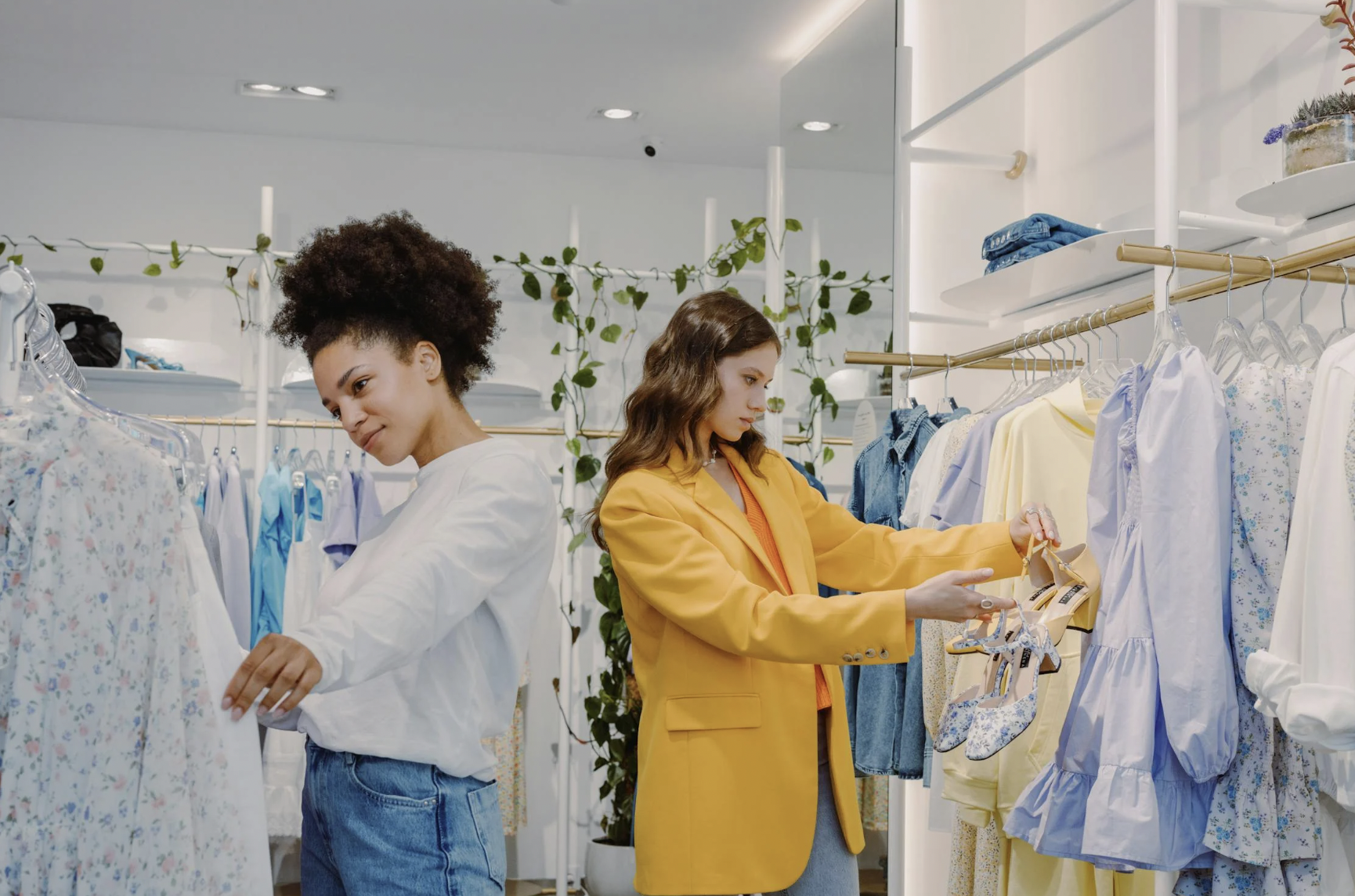
She said the future of retail isn’t about choosing between online and in-store, but about unifying them.
“It’s not about online or store,” Gilani said. “It’s about creating a unified experience irrespective of the channel.”
Gilani also noted that most customer journeys now begin online, even if they end in-store.
“If you’re starting a journey online—say, you’re looking for a pair of denims—you might go to the store to try them on, and end up buying something else as well,” she said. “Sometimes the reverse is true—you discover something in the store and later buy it online.”
When asked whether any Canadian retailers have introduced in-store navigation tools—such as augmented reality maps—Gilani pointed to Canadian Tire’s system that displays aisle numbers. However, she said more advanced solutions would require stronger data infrastructure.
“Having the user experience is straightforward but you need real-time, accurate data,” she said. “If your systems aren’t connected and the data feed is batch-fed overnight, you’re going to get stale data.”
She added that automated backend processes—such as automatic inventory replenishment or discounting soon-to-expire items—could free up associates to better serve customers.
“That’s what we do with our clients,” Gilani said. “Let’s clean your foundation, make your data clean, and connect your systems. Only then can you deliver these experiences in a meaningful way.”
More from Retail Insider: