

The centre of gravity in Canada’s luxury market is shifting, and the forces at work are both global and deeply local. The most immediate shock has come from currency. “If I look at the Euro to Canadian conversion, it’s now 1.63,” says strategic retail advisor Antony Karabus. “In October a year ago it was 1.5, so it’s 10 percent worse this year. The cost of luxury product in Canadian dollar terms has increased 10 percent just because of the currency decline.” Most luxury merchandise is sourced in Europe and priced in euros, meaning Canadian luxury retailers are facing a materially higher cost base than last fall.
Karabus is blunt about the implications. “You really cannot absorb the cost increases as it would severely impact your profitability. It is virtually impossible for a retailer to absorb a 10 percentage point hit to margin.” For stores built on curated luxury assortments, personalized high service and beautiful ,high-cost stores, this movement in cost of goods lands fast. It narrows room for promotions and raises the bar on what justifies full price at the point of sale.

At the same time, the luxury customer has evolved. As Karabus frames it, today’s shopper wants authenticity, sustainability, and meaningful experiences. The old belief that price equals prestige is giving way to a mindset that asks whether a brand and service model deliver value. That shift makes the traditional department store, often seen as transactional, less compelling than a strong, differentiated specialty retailer or luxury brand mono-brand boutique.
For Canadian luxury retail, the past year has underscored how closely the industry is tied to the Euro — and to a consumer who expects more than a beautiful emporium of brands. Where the luxury customer chooses to spend is increasingly about experience, personalized service and the ability to get curated, unique product from brands they can trust and value.
The Power of Place: Bloor–Yorkville and Yorkdale
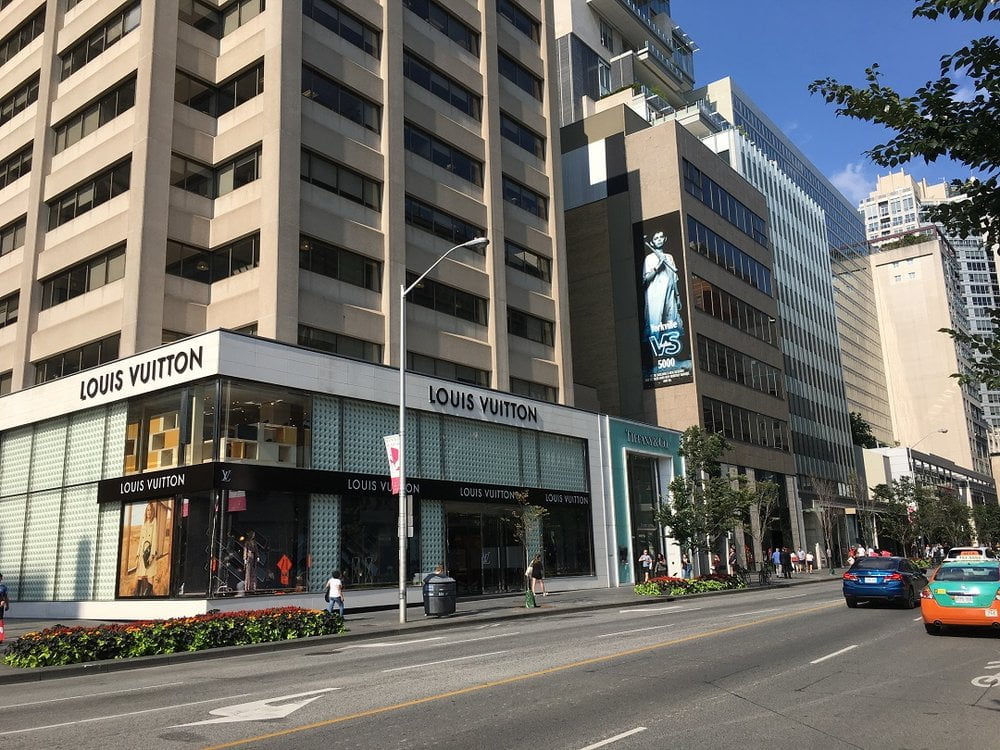
Toronto remains Canada’s luxury epicentre. “There are really only two concentrations of luxury in Toronto —Yorkdale and Bloor Street between Bay and Avenue Road,” Karabus notes. “Virtually every luxury mono-brand store is on both.” Brands want full expression, from architecture to environment, and seek proximity to big-spending, luxury clients. The result is a dense two-block radius of designer flagships near multi-brand department stores.
This brand power shapes how department and specialty stores operate. “The brands want the ambience and environment of their brand inside a luxury department store,” Karabus says. “They don’t just want three hundred square feet with a narrow assortment of their product, they want their store inside a the luxury department store to reflect the fuller expression of their brand.” That logic explains the growth of concessions within Holt Renfrew and the parallel build-out of flagships by the designer brands in Yorkville and luxury wings in Yorkdale and other top malls across Canada.
When mono-brand luxury designer brand doors offer the full expression of their brand assortments and well-trained ambassadors, department stores will be at risk of feeling marginalized, unless they provide something distinctive the mono brands cannot.
Harry Rosen’s Specialty Advantage
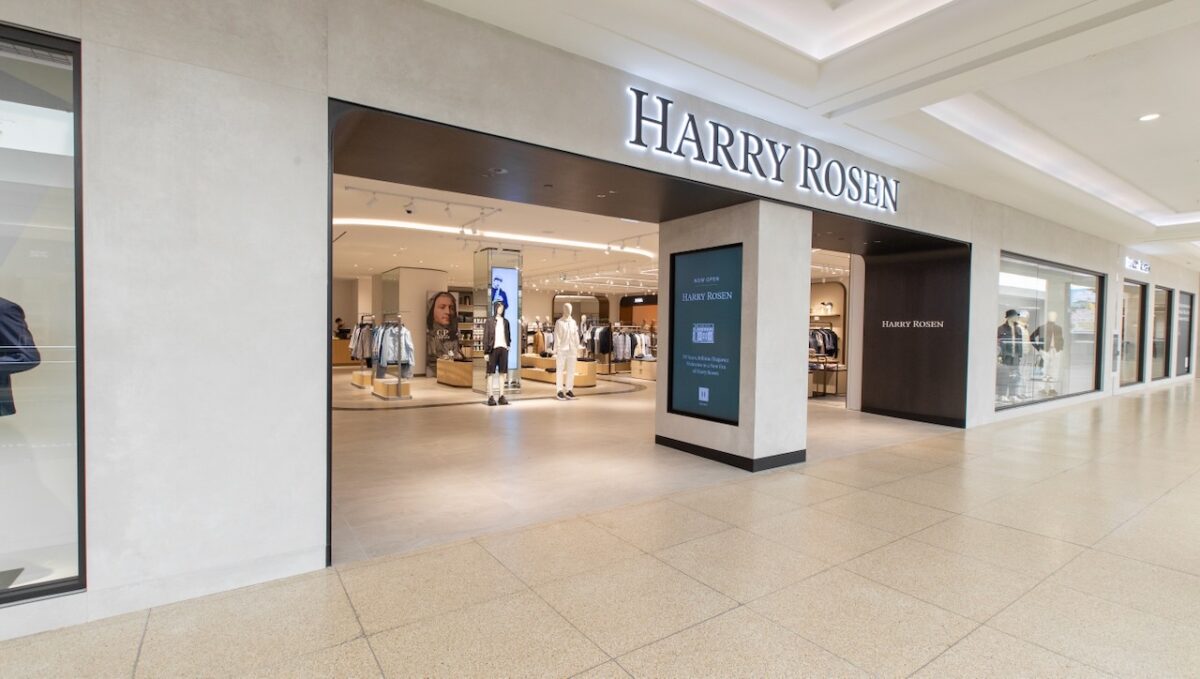
One Canadian retailer using this moment to strengthen its position, says Karabus, is Harry Rosen. “The only luxury menswear player of consequence in Canada is Harry Rosen. They own the dominant mind share of the luxury male consumer in Canada.”
He credits leadership succession and openness to change. “When Larry [Rosen] succeeded Harry, he transformed it to make it more contemporary. And Larry’s sons are now evolving the environment, experience, and merchandise assortment to meet the luxury male consumer as he evolves.”
The retailer’s refreshed concepts, including the reimagined First Canadian Place store and upcoming Yorkville flagship, lean into lifestyle storytelling, tailored service, and curated edits across suiting, footwear, and modern luxury casual. Karabus believes this positions Harry Rosen to continue to successfully serve the high-value client seeking breadth across brands with seamless personal service.
There is also a structural tailwind for menswear. “The resale or vintage market is not as applicable to men as it is to women,” he notes. “Women buy much more apparel each year, whereas men refresh components of their wardrobe annually.” No menswear retailer has leveraged that runway more effectively than Harry Rosen, and Karabus expects the chain to thrive as the market evolves.
Holt Renfrew at an Inflection Point
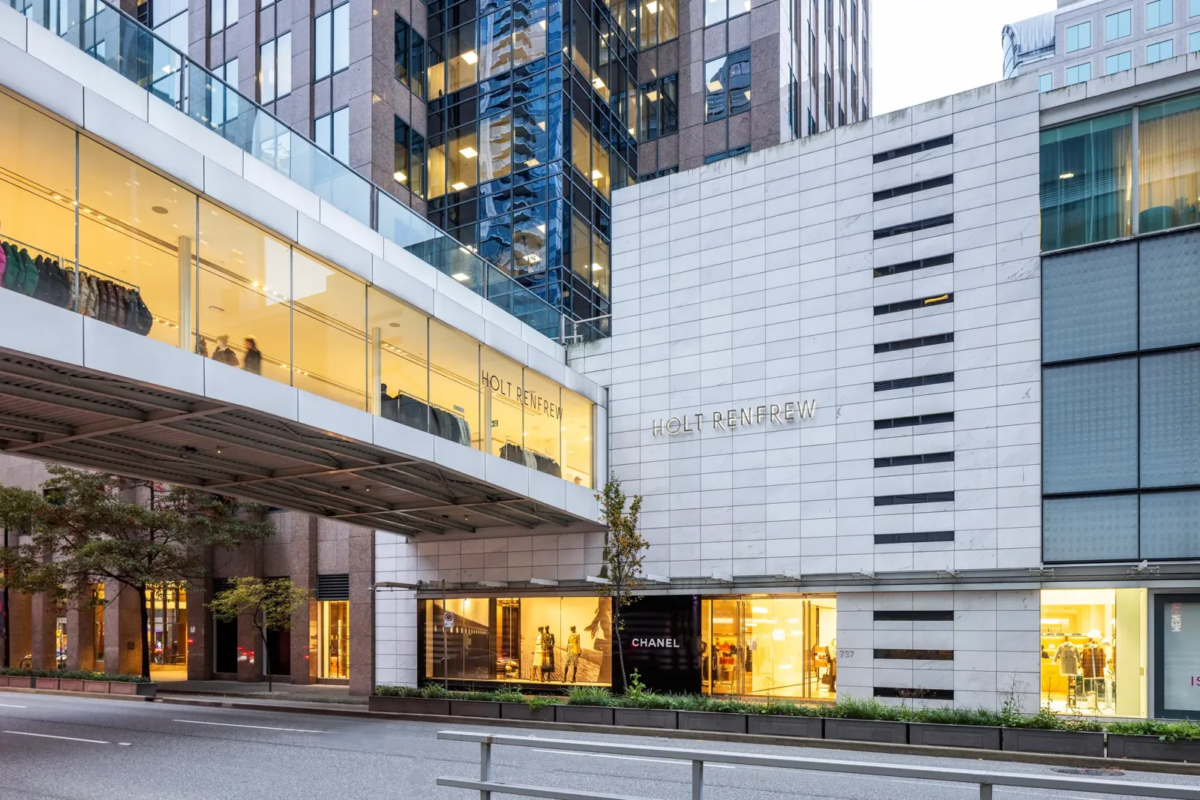
The other pillar of Canadian luxury, Holt Renfrew, is navigating a model increasingly driven by concessions. “The brands are forcing it because they want the benefit of the personal shoppers and their own environment inside Holts,” says Karabus. As more labels operate their own spaces in Holt Renfrew and larger boutiques at Yorkdale, Bloor Street, and in Montreal and Vancouver, the authority over product, pricing, and presentation keeps shifting toward the brands.
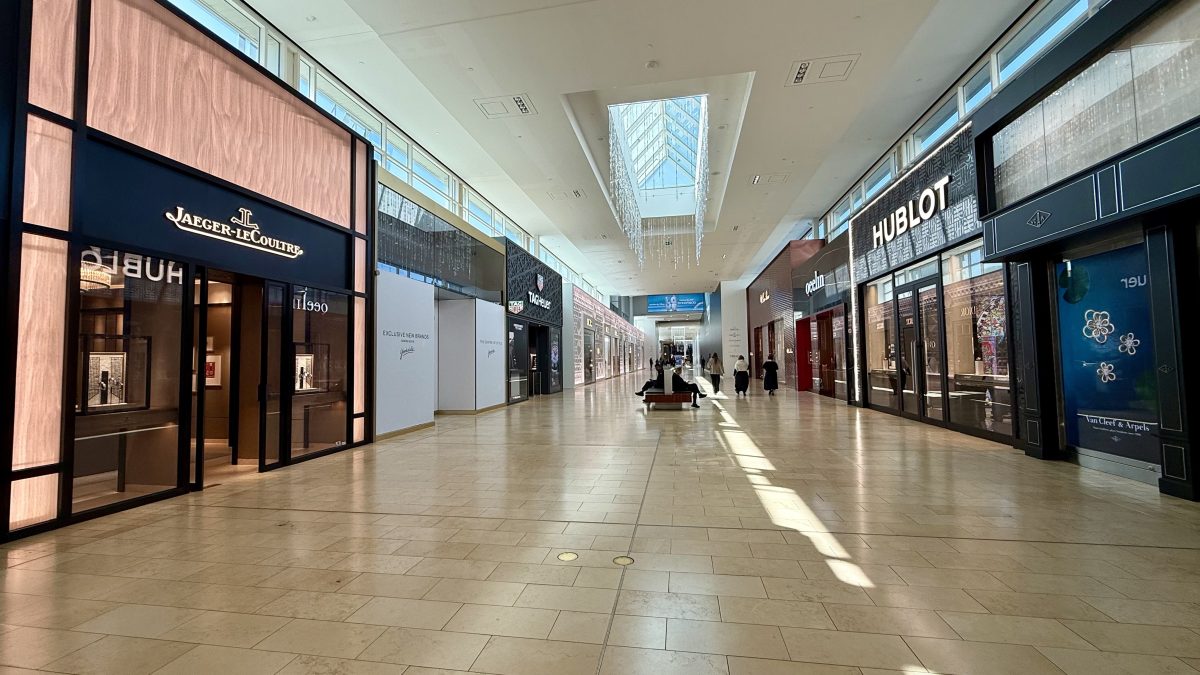
Karabus foresees some brands moving away from wholesale entirely. “I could see one day when most of the best designer brands say “ I will stay in your stores so long as I can do it under a concession model rather than a wholesale model.” Watches and jewellery already demonstrate that power. “If I want a Cartier, I am going to Cartier. If I want a Rolex, I am going to Rolex.” The best clients will be guided through tightly- controlled brand experiences.
An ownership question also hovers over Holt Renfrew. The Weston family has focused on its food and real estate assets while investing heavily to modernize Holts. With leadership turnover, speculation about future ownership surfaces regularly. “If I was a betting man, I would see a change in ownership in the near to medium term,” Karabus says, suggesting a global multi-brand operator with deep luxury relationships could be a likely buyer.
Experience and Service as the True Moats
Intensifying competition from designer brand mono-brand stores means multi-brand retailers must excel where brands cannot easily follow. “The only sure way you stop people from going to the mono-brand store is through exceptional and personalized service and the ability for those salespeople to serve the luxury consumer across multiple brands,” Karabus says. “If it’s just a transaction, the consumer will go to the mono-brand store.”
He advocates experiences that turn visits into events — private shows, masterclasses, beauty workshops, or culinary collaborations. “You go to a multi-brand luxury store for an experience, not just a transaction,” he says. “You go shopping, have lunch, see your friends.” Digital can enhance that theatre through live-streamed runway shows and stylist commentary with pre-order options.
Personal shoppers who understand fit and lifestyle remain key differentiators. Cross-brand styling, early access to pieces, and on-site tailoring justify premium pricing and deepen loyalty — a level of service mono-brand stores rarely match.
The Circular Economy Goes Mainstream
The resale market has become a structural part of luxury retail. Karabus sees this as a fundamental shift in mindset. Customers who once insisted on new now embrace authenticated pre-owned, particularly in women’s handbags, accessories, and watches. “If they can get a bag for $15,000 instead of $28,000, and it’s authenticated, many luxury consumers will appreciate and enjoy the savings,” he says. “They’d rather go on an incredible vacation for the difference.”
Retailers can either cede that market to external platforms or integrate it themselves. Karabus advocates for the latter, through in-store consignment, certified pre-owned watch programs, or trade-in credits that keep value within the retailer’s ecosystem. “The last thing brands want is to get the first sale but not the second and third when it’s resold again and again.”
Toronto’s consignment landscape reflects that momentum. Boutiques on Dundas and Queen have built followings through curated, authenticated pieces and boutique-level service. Mine & Yours, founded in Vancouver and expanded to Toronto, and Calgary- and Toronto-based VSP Consignment, have helped push luxury resale into the mainstream. The lesson, says Karabus, is clear: treat the circular economy as an extension of luxury, with authentication and concierge-grade service, and it becomes a loyalty engine rather than a threat.












Isn’t the average profit margin on luxury items in the hundreds or perhaps 1000%? If so, a 10% currency exchange fluctuation can absolutely be absolved while not dramatically affecting profitability or prices. In the restaurant or fast moving consumer goods industry, 10% is definitely too high to absorb. But when your average margin is 500%, then 490% will not result in economic strife. I’m sorry, it just won’t. In fact, I’d argue that maintaining prices would lead to good will among the consumer and propel higher volume sales. Good will and high trust are components of “experiences and unique service” correct? Sounds more like greed to me, and I’m not a cheap person.