For much of the past two years, Mastermind Toys has been quietly rebuilding. After filing for creditor protection in late 2023 and closing dozens of locations, the iconic Canadian toy retailer emerged under new ownership with a narrower store base, a refreshed brand identity, and a renewed focus on what it believes made the company successful in the first place.
Now, that rebuilding phase is turning into a growth strategy.
Mastermind Toys has officially launched a franchising program, marking a significant shift in how the company plans to expand across Canada. Rather than racing to reclaim store count through corporate ownership, the retailer is leaning into a model rooted in local ownership, community engagement, and careful market selection.
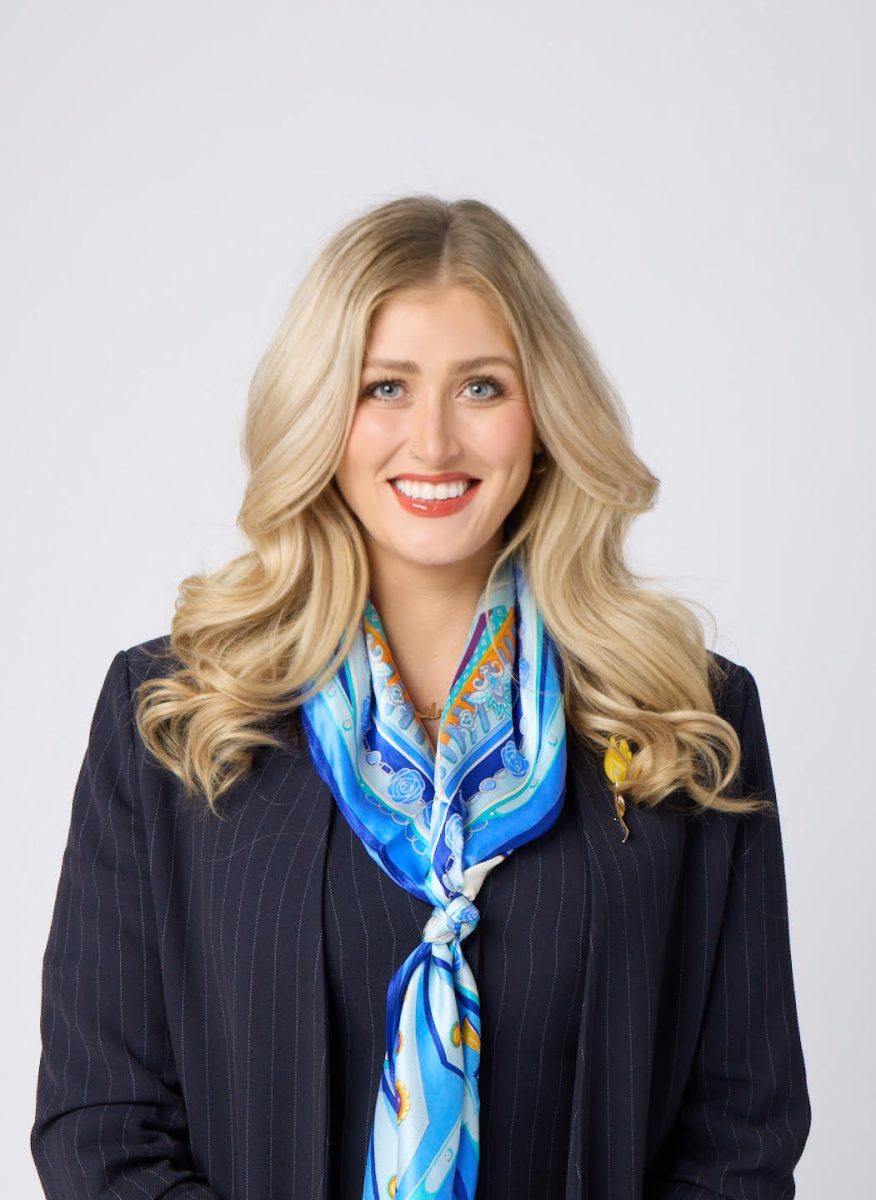
For Danielle Bazely, Senior Director of Marketing at Mastermind Toys, the decision reflects a broader rethinking of how national retail brands should grow in the current environment.
“With this new phase of growth, we looked at the best opportunity for bringing this business into what we call Mastermind 3.0,” Bazely said. “The community presence of a location and the engagement with the local community is so important. Through franchising, we have a way to expand in a really thoughtful way, not rapid expansion, but growth that happens at a community level.”
Why Franchising Fits Mastermind’s DNA
Franchising, Bazely stressed, is not being positioned as a shortcut to scale. Instead, it is being framed as a way to replicate the conditions under which Mastermind stores tend to perform best.
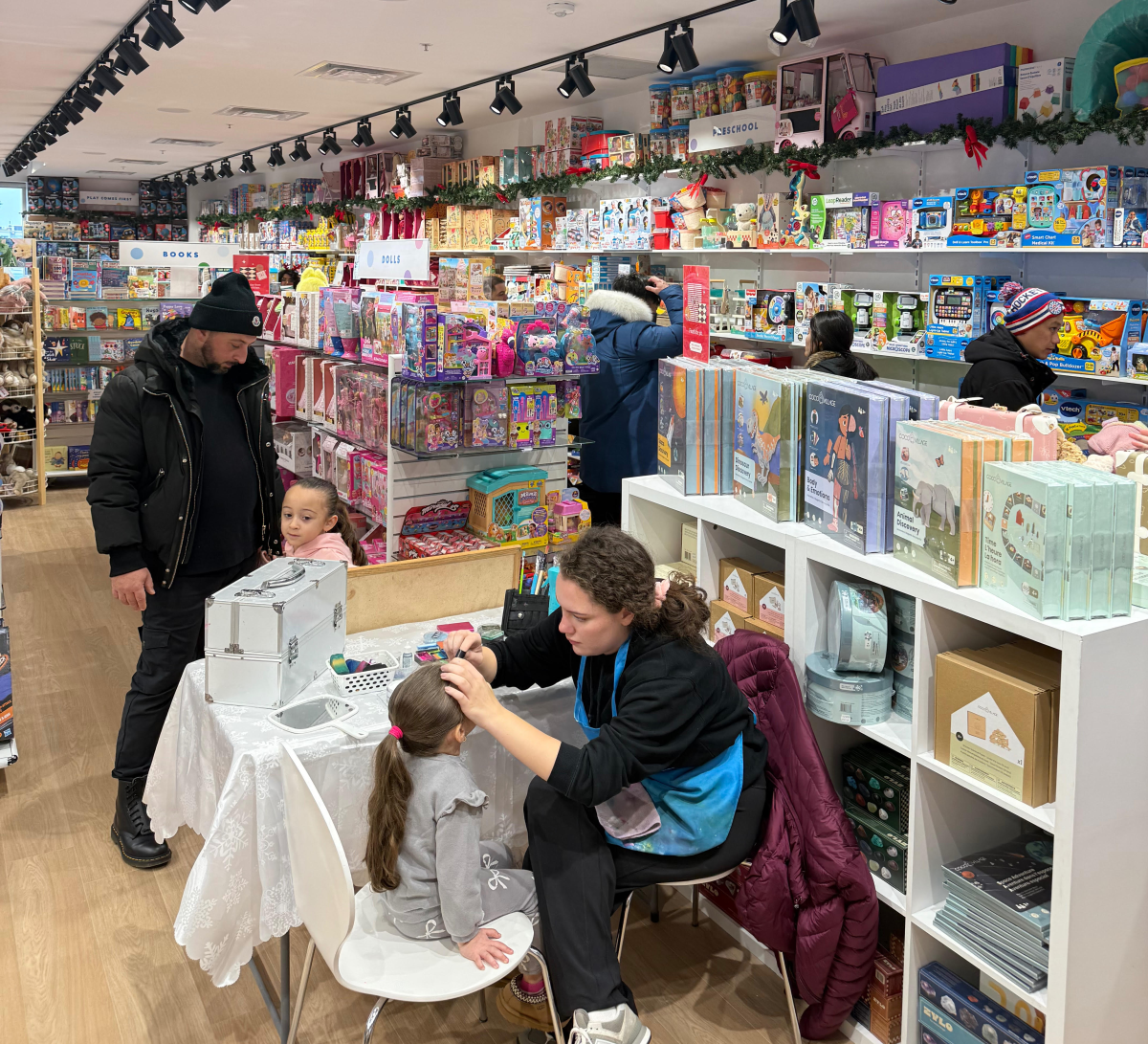
Over its four-decade history, the brand has learned that its strongest locations are often those where store leaders are deeply embedded in their neighbourhoods. Schools, families, and local organizations are not just customers, but active participants in the store’s ecosystem.
“We’re really looking for somebody who is a community-embedded operator who wants to build a trusted local institution,” Bazely said. “Not just a passive investment.”
The ideal franchise partner, she explained, is someone with retail or hospitality experience who wants to be a hands-on owner-operator. Multi-unit operators are also welcome, particularly where they can help the brand scale responsibly across adjacent markets. This approach is especially appealing in smaller cities and regional centres where local knowledge often matters more than centralized decision-making.
“In some of these rural communities across Canada, having someone who knows that community so well gives us a much better chance to succeed,” Bazely said.
From Recovery to Opportunity
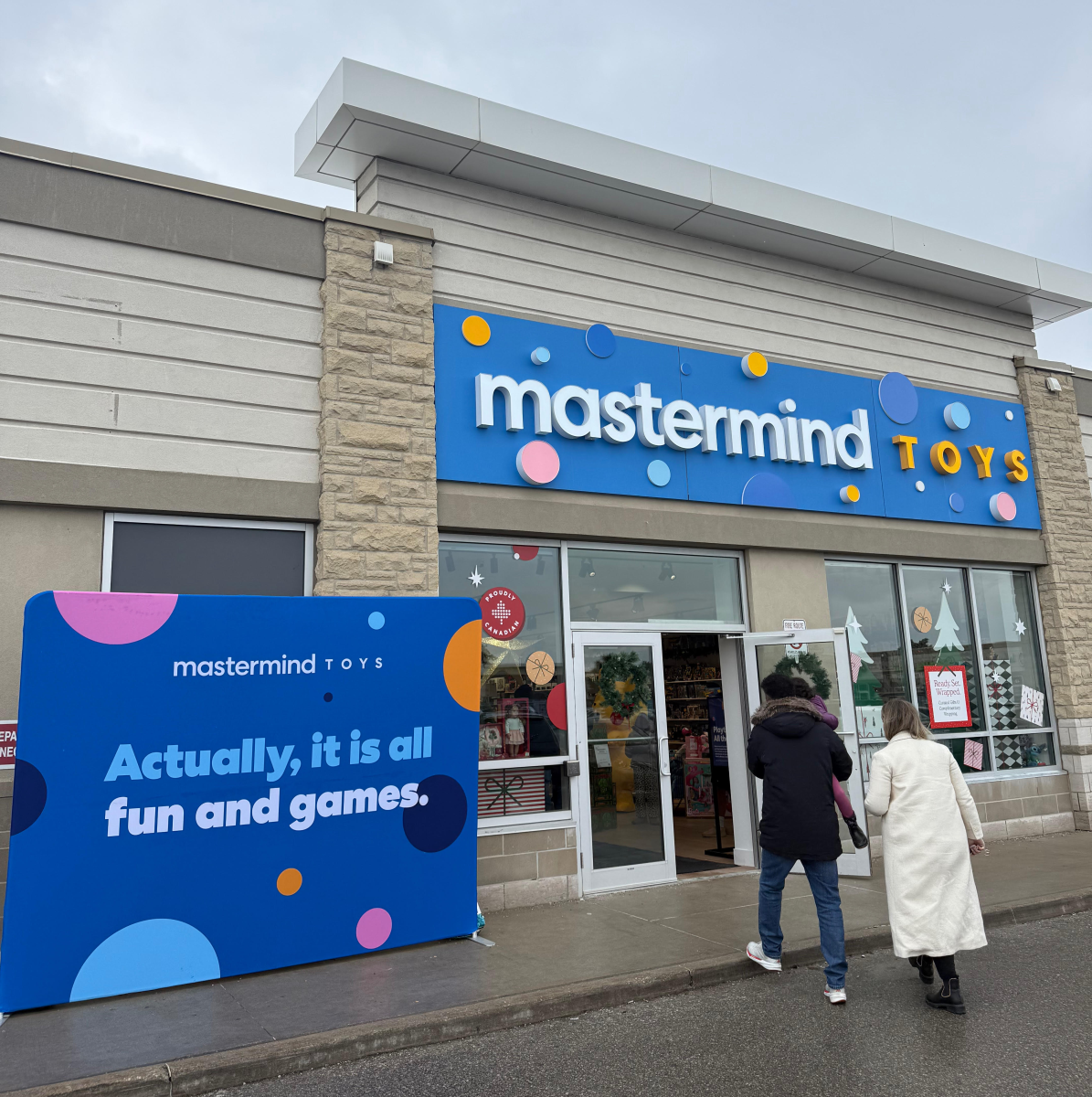
The first franchised Mastermind Toys store has already opened in Woodbridge, Ontario, a location that carries symbolic weight for the brand. Woodbridge previously had a Mastermind store before the company entered CCAA proceedings, and its return underscores a broader theme running through the franchising strategy.
“Just because locations closed doesn’t mean those markets weren’t a good fit,” Bazely said. “It just means it wasn’t the right model at that time.”
Franchising allows Mastermind to re-enter former markets with a structure better aligned to local realities. Rather than carrying the full burden of corporate overhead, franchise operators can scale at a pace suited to their communities, while benefiting from national brand recognition and centralized merchandising support.
This recalibration mirrors a wider shift across Canadian retail, where brands are increasingly cautious about overexpansion and more willing to experiment with hybrid ownership models.
How Big Could It Get
While Mastermind is deliberately avoiding aggressive timelines, the long-term potential of the franchising program is significant. Bazely indicated that the brand could ultimately support more than 100 locations nationally, though she emphasized that quality matters far more than speed.
“There’s definitely opportunity for more than 100 doors,” she said. “But we’re not just looking to grow. We’re looking to bring in strategic partners who can really carry out the magic of Mastermind in their local spaces.”
The company plans to maintain a mix of corporate-owned and franchised stores, allowing it to retain direct control over key locations while using franchising as the primary vehicle for geographic expansion.
Where Mastermind Is Looking to Grow
There remains room to grow even in markets where Mastermind already has a presence. Bazely pointed to continued opportunity across the Greater Toronto Area, particularly in neighbourhoods that previously supported a store or where other retailers have exited.
Beyond Ontario, the brand is targeting further expansion in Vancouver, particularly in the urban core, as well as Ottawa, Niagara, Calgary, Kelowna, and Kingston. Smaller and underserved markets are also firmly on the radar.
“If you look at places like Sudbury or North Bay, they don’t necessarily have a dedicated specialty toy retailer serving the community,” Bazely said.
Underlying all site selection decisions is a focus on population dynamics. Mastermind is prioritizing markets with sustained population growth, strong family formation, and long-term demographic stability, whether driven by immigration or birth rates.
A Cleaner, More Focused Store Experience
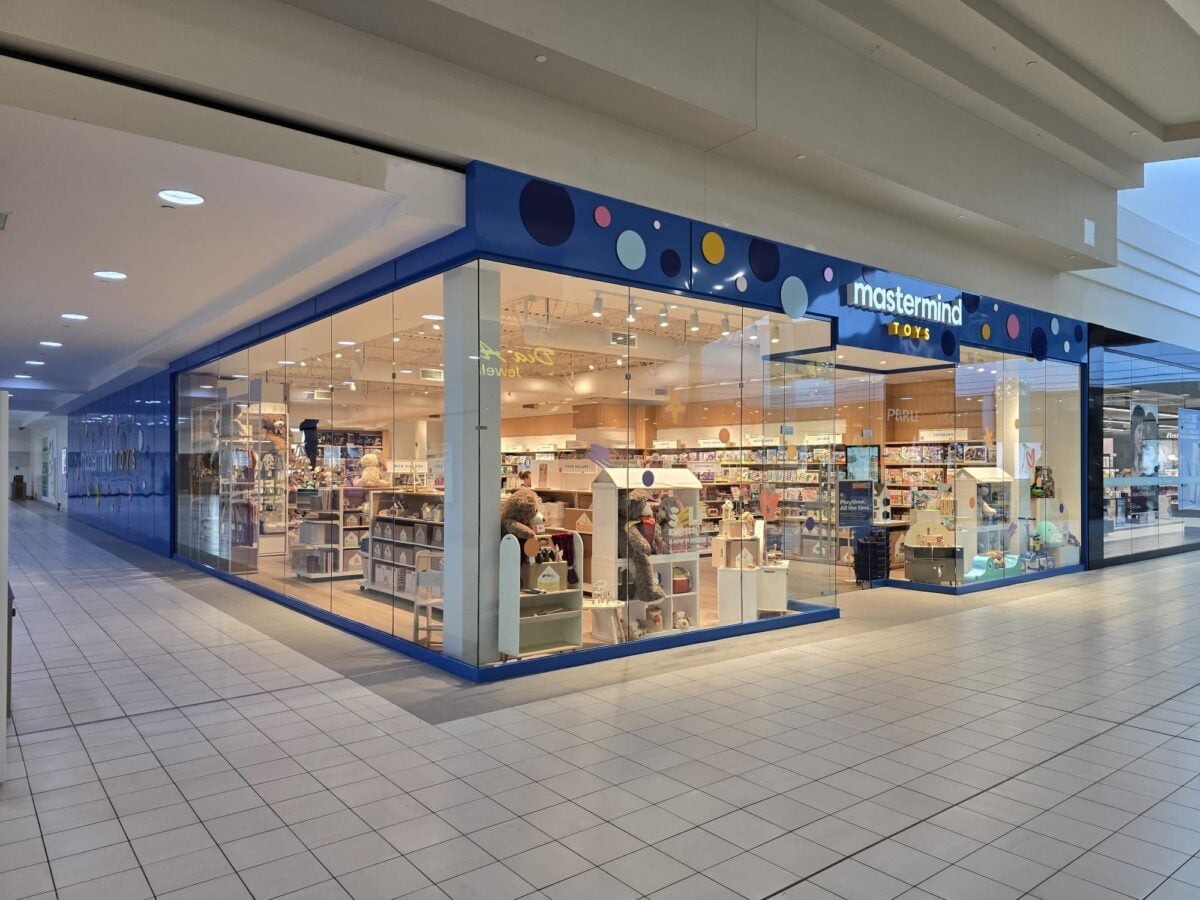
Franchise locations will reflect Mastermind’s refreshed store design, which debuted earlier this year and has already been rolled out at select corporate stores.
The updated format emphasizes openness, brightness, and clarity, a noticeable shift from some of the denser layouts of the past. The goal is not minimalism for its own sake, but a clearer expression of Mastermind’s role as a specialty retailer.
“We want to be the place you can find unique pieces you can’t find somewhere else,” Bazely said. “The toys, the gifts, the books, all of that needs to be at the forefront.”
Recommended franchise store sizes range from 3,000 to 3,600 square feet, allowing for a full assortment while remaining operationally efficient.
Coco Village and the Broader Assortment
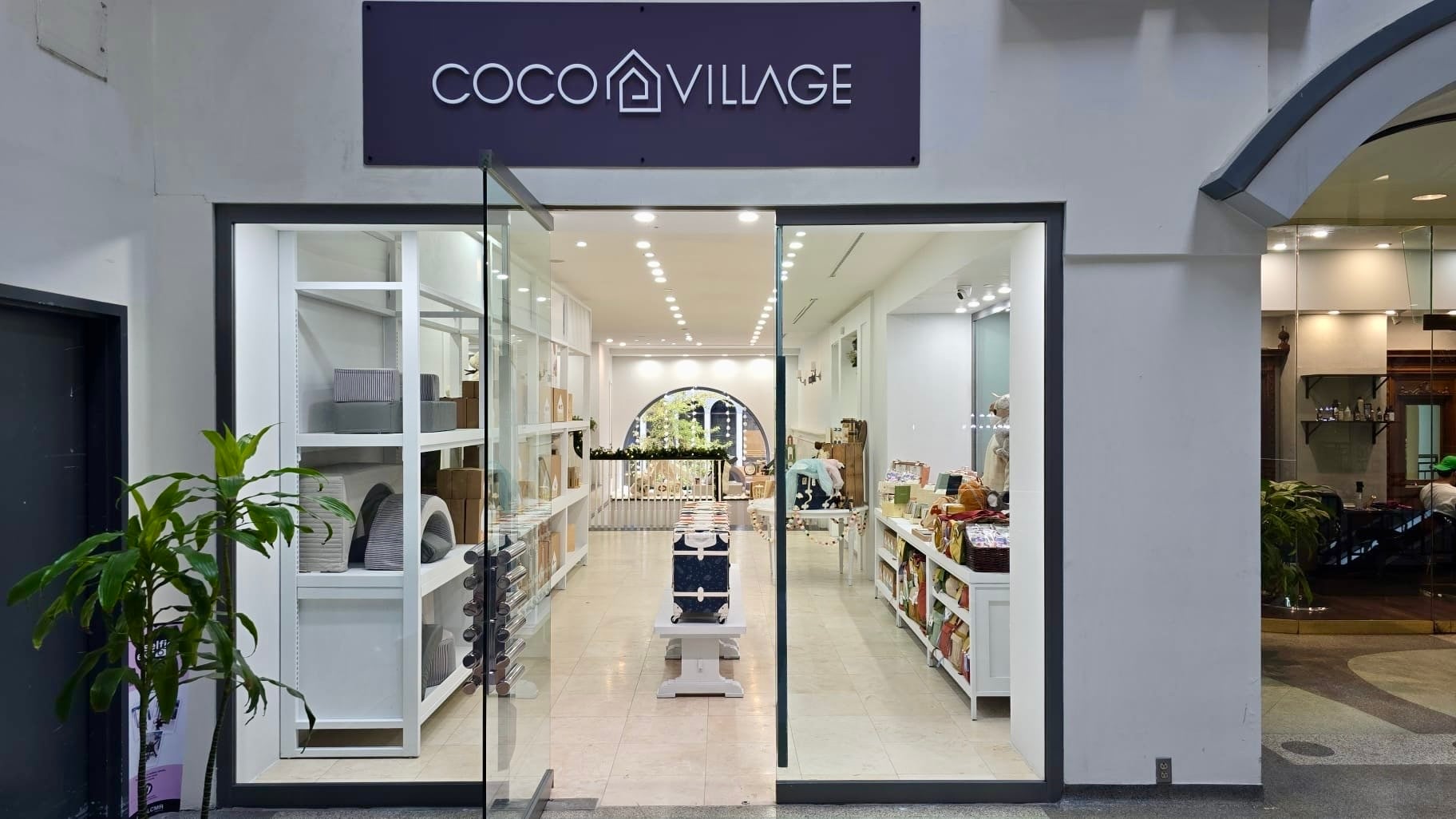
Franchise stores will carry Mastermind’s full assortment, including Coco Village, the children’s apparel brand acquired by the company. Coco Village remains one of Mastermind’s masthead brands, though its growth strategy is currently focused on direct-to-consumer channels.
“We continue to invest in Coco Village, and our buyers are really excited about growing our vendor relationships more broadly,” Bazely said.
Standalone Coco Village stores operate primarily in Quebec, where the brand has strong regional roots. Mastermind is not actively pursuing a franchise expansion for Coco Village in Quebec at this time.
The franchising announcement follows a period of heightened activity for Mastermind across multiple channels.
Over the holiday season, the retailer operated pop-up locations inside Holt Renfrew stores, hosting events such as Storytime with Santa, LEGO craft bars, and doll tea parties. The partnership, which runs into early January, positioned Mastermind within a luxury retail context while reinforcing its experiential credentials.
At the same time, Mastermind has expanded partnerships with 7-Eleven and DoorDash, extending its reach beyond traditional store walls and meeting customers where convenience increasingly matters.
Why the Timing Matters
Bazely noted that franchising interest tends to spike at the end of the year, making the launch particularly timely.
“This time of year is one of the highest periods for franchise inquiries,” she said. “People are spending more time with their families, doing goal-setting, and asking what they want to do next.”
For some, franchising represents a path out of long corporate careers. For others, it is an opportunity to invest capital, gain more control over work-life balance, or build something rooted in their community.
At its core, the Mastermind Toys franchising expansion is less about reinvention than refinement. Founded in 1984, the brand has always differentiated itself through curation, trust, and a belief in the developmental value of play.
Franchising, Bazely said, allows the company to extend that philosophy nationally without losing its local soul.
“We’re looking for people who want to bring the Mastermind Toys brand to their community,” she said. “Whether that’s bringing it back, expanding where it already exists, or starting somewhere new.”