By Selina Ved
Retail has always fascinated me as a dynamic industry that blends innovation, consumer behaviour, and global trends. Growing up immersed in retail through my family’s business, Apparel Group, I’ve had the privilege of witnessing firsthand the challenges and rewards of expanding brands to international markets — particularly in the Middle East and India, two of the world’s most exciting and fast-evolving retail regions.
From launching Aldo, Ardene, and La Vie en Rose in the Middle East to adapting brands like Tim Hortons to new cultures, I’ve come to appreciate the critical role of strategic planning, cultural adaptation, and choosing the right partners in global expansion.
The Unique Value of Quebec Brands
Quebec brands hold a special place in global retail. Their European-inspired sophistication combined with North American operational efficiency makes them highly adaptable in diverse international markets. However, while expansion brings exciting opportunities, it also requires brands to overcome key challenges—from regulatory compliance to cultural nuances. This article serves as a practical framework for Quebec brands and SMEs aiming to expand globally, with lessons drawn from the international journeys of Aldo and Tim Hortons.
Checklist for Successful International Expansion: 10 Key Factors
Before expanding globally, Quebec-based brands must assess several key factors to ensure a smooth and sustainable entry into a new market. The following checklist provides a structured approach for planning thoughtfully the international growth of a retail business.
1. Market Research
- Analyze consumer behaviour, purchasing power, and local competition.
- Identify regions with emerging demand for your product category and understand key growth drivers.
2. Regulatory Compliance
- Understand franchising laws, import duties, product safety norms, and local retail regulations.
- Ensure proper registration of trademarks and compliance with data privacy and labor laws.
3. Market-Driven Offer
- Adapt product offerings to reflect local cultural, geographic, and consumer preferences—including climate, religious beliefs, lifestyle habits, and socioeconomic context.
- Tailor packaging, sizing, and product names to resonate with local expectations, languages, and functional needs.
4. Cultural Sensitivity
- Localize marketing messages, visuals, and campaigns to align with regional customs and values.
- Avoid messages that could be misinterpreted or deemed inappropriate in the target market.
5. Choosing the Right Partner
- Collaborate with experienced local partners—retailers, mall operators, or distributors— who are aligned with your brand’s vision, values, and goals.
- The right partner brings market knowledge, cultural fluency, and operational expertise. A misaligned or inexperienced partner can hinder market entry and dilute brand execution.
6. Omnichannel Strategy
- Develop a unified retail experience by integrating physical stores with digital commerce.
- Ensure the online platform supports localized language, payment options, and shipping logistics.
7. Operational Readiness
- Optimize inventory management, supply chain efficiency, and warehousing to meet local demand.
- Train regional teams to ensure service quality and consistency across markets.
8. Brand Positioning & Pricing Strategy
- Position the brand taking into account competition, economic conditions, income and consumer expectations in the target region.
- Price products at a price point that is both accessible to the target clientele and aligned with the brand’s identity.
9. Digital & Social Media Marketing
- Leverage local digital platforms (e.g., WeChat in China, Instagram and Snapchat in the Middle East, TikTok in Southeast Asia).
- Collaborate with local influencers and content creators to build up a community and ensure brand authenticity.
10. Sustainability & Consumer Trends
- Align with rising global demand for sustainability by highlighting eco-conscious materials, ethical sourcing, and fair labor practices.
- Implement and promote Corporate Social Responsibility (CSR) initiatives relevant to the local community and environment.
Understanding Global Markets: Key Differences and Opportunities
For a successful international expansion, Quebec retailers must understand the distinct characteristics of each major market. Each region presents unique consumer behaviours, regulatory challenges and market entry strategies that businesses must carefully assess to effectively navigate their way through.
United States
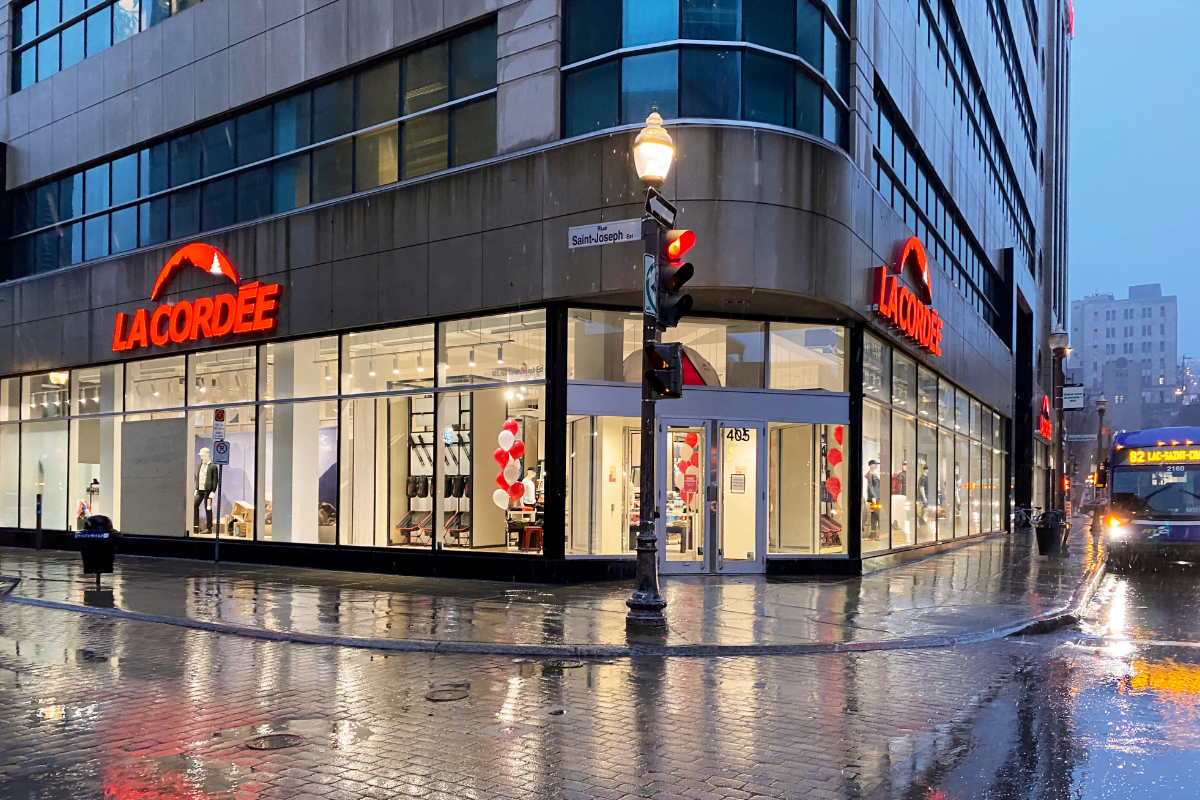
The United States remains an attractive market due to its large consumer base, high purchasing power, and well-established retail infrastructure. Geographic and cultural proximity also make it a logical first step for many Quebec retailers, which is why businesses often see it as the most accessible international expansion route. However, it is also one of the most competitive retail landscapes—not only among U.S. brands but also global players. Despite proximity, entering the U.S. market is often more difficult and expensive than expected, especially when competing with well-established players and dealing with elevated customer acquisition costs (Smith, 2023). Success in the U.S. depends on omnichannel strategies that integrate brick-and-mortar stores with strong e-commerce capabilities, as well as differentiated brand positioning. Quebec brands entering the U.S. must focus on leveraging digital innovation, personalization, and customer experience to gain a competitive edge in a saturated environment. Some retailers even opt to test less competitive markets before tackling the U.S. to refine their approach.
Europe
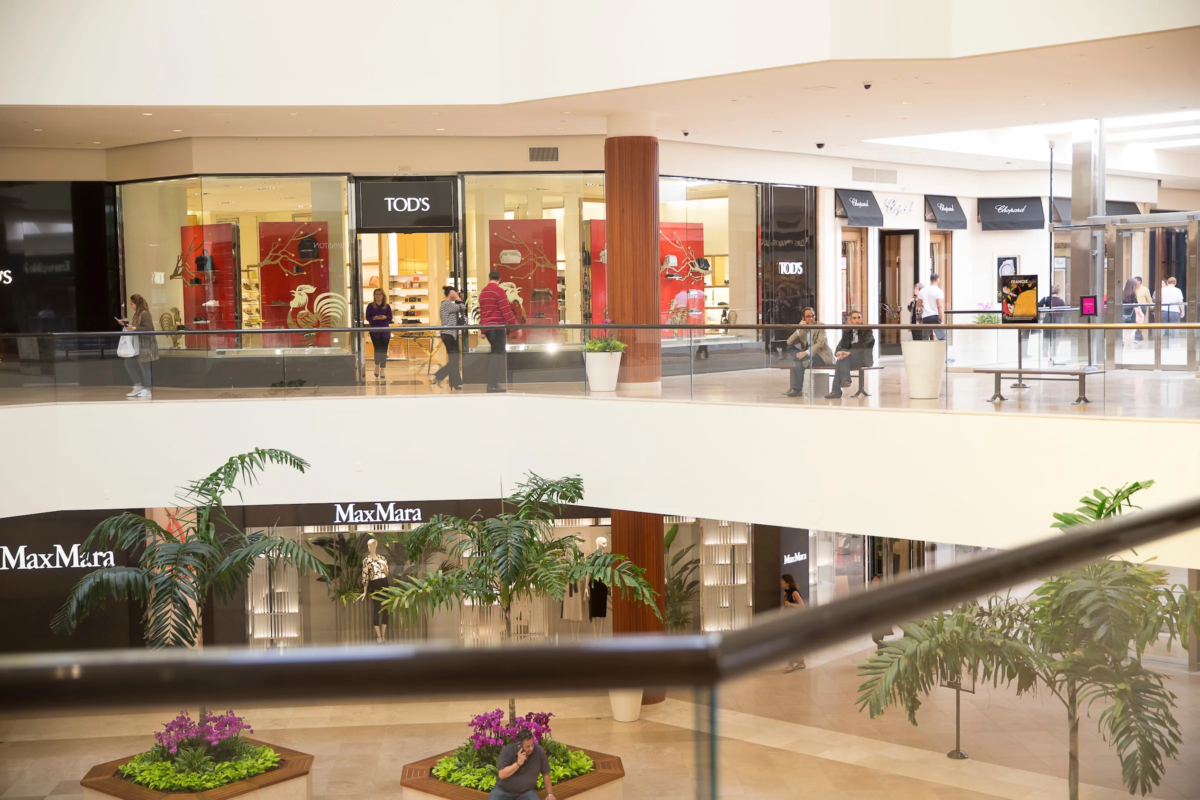
European consumers prioritize premium experiences, craftsmanship, and sustainability. Quebec brands that emphasize eco-conscious initiatives, innovative product design, and high product quality are more likely to thrive in this market. However, companies must also navigate strict regulatory frameworks such as the EU’s General Product Safety Regulation (GPSR) and environmental standards like REACH (Registration, Evaluation, Authorization and Restriction of Chemicals), which regulates the use of hazardous substances in materials and packaging (European Commission, 2023.) These rules add complexity to product formulation, labeling, and packaging compliance. Furthermore, high operational costs and labor regulations in markets like France and Germany further reinforce the need for precision in expansion planning.
Asia
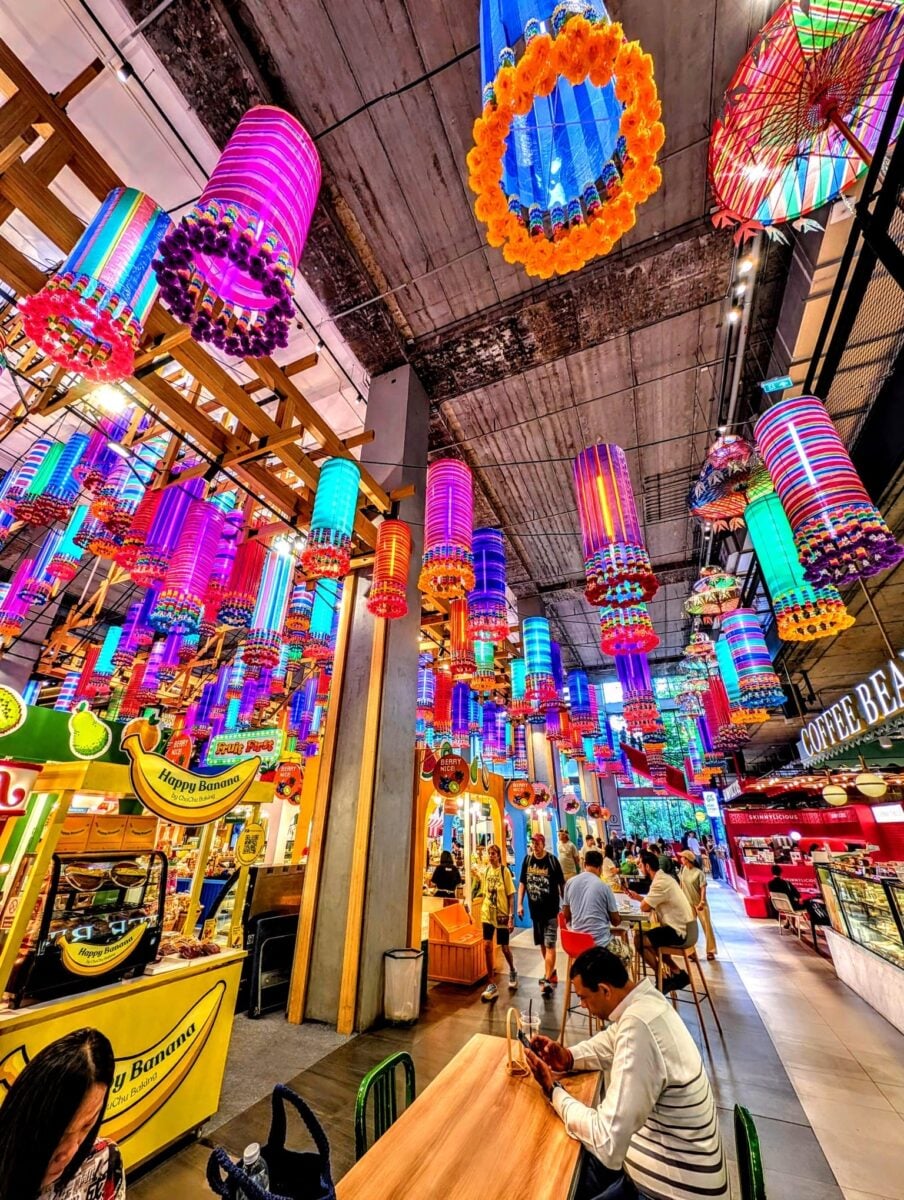
Asia, particularly China, India, and Southeast Asia, represents a high-growth opportunity driven by a booming middle class and increasing demand for international brands. However, this region also presents several complexities: differing consumer behaviours, intense digital-first competition, and region-specific regulations. For instance, China’s Personal Information Protection Law (PIPL), enacted in 2021, requires companies to obtain explicit user consent for data collection and to store data on local servers (Baker McKenzie, 2021).
In Southeast Asia, fragmented logistics networks and varying language and payment systems add to the challenge. Brands seeking success here must prioritize localized digital marketing, regional platform integration (e.g., Alibaba, JD.com, Flipkart), and culturally attuned brand experiences. In this environment, securing the right local partner is essential—but many global brands have struggled to find alignment in the region, particularly in China, where digital and offline retail operate under vastly different ecosystems.
South America
South America is an emerging market with growing appeal, especially in the affordable fashion and lifestyle segments. Countries like Brazil and Mexico offer a large middle-class population eager for global brands, but macroeconomic instability, import tariffs, and inflationary pressure pose significant entry barriers. For example, Brazil’s complex tax system—including ICMS (value-added tax at the state level) and IPI (federal excise tax)—can complicate import pricing and inventory forecasting (PwC Brazil, 2022). Success in South America requires flexible business models, affordability-focused pricing strategies, and alliances with established regional players who understand the regulatory terrain.
For Quebec retailers and SMEs, global expansion is not a one-size-fits-all endeavour. North America and Europe reward strong brand narratives, premium positioning, and sustainability, while Asia and South America demand agility, digital adaptability, and robust local partnerships. By understanding these key differences, businesses can develop tailored, market-specific expansion strategies that increase their chances of long-term success.
The Importance of Choosing the Right Partner in Global Expansion
One of the most critical factors in a brand’s successful international expansion is selecting the right local partner. A strong partner brings market knowledge, established distribution networks, and operational expertise, ensuring that a brand enters a foreign market seamlessly. For Quebec brands, this alignment is especially important when navigating new markets with distinct cultural, regulatory, and retail ecosystems.
Aldo’s International Journey
While the brand has seen great success in regions like the Middle East, some of its partner brands have struggled to find the right local partner in other parts of the world—including the all-important Chinese market. Over the years, Aldo has worked with several distributors in China and faced challenges related to supply chain efficiency, product positioning, and consumer engagement. These hurdles were compounded by the complexity of China’s fast-evolving, digitally dominant retail sector and the need for highly localized strategies (China Daily, 2024).
However, the brand is now refining its approach in China with a focus on e-commerce-driven growth and new partnerships with digital-first players, aiming to reposition itself more effectively in the market (China Daily, 2024). This signals a promising shift in strategy and an understanding of how alignment with the right local partner can significantly impact brand success.
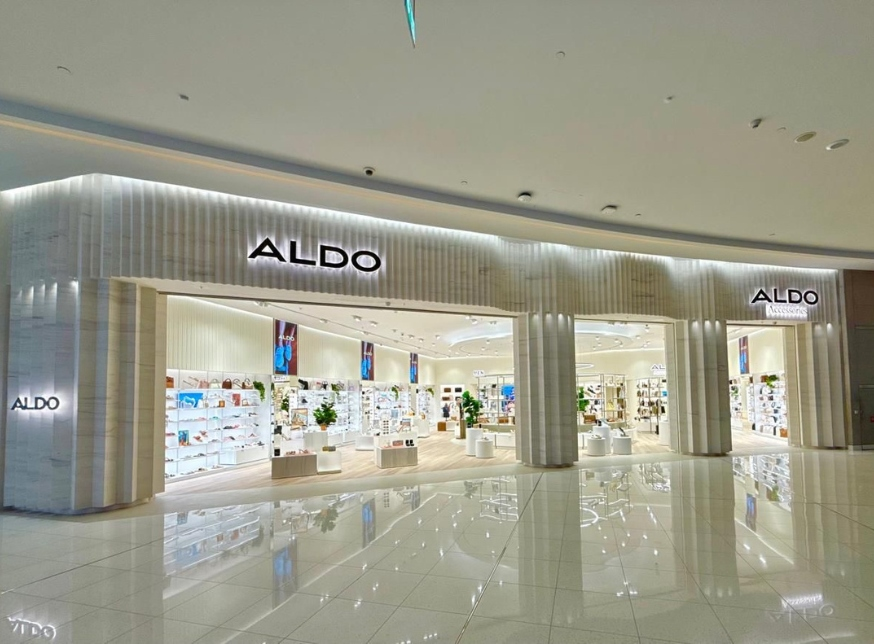
In contrast, Aldo’s expansion in the Middle East underscores the transformative power of a well- matched partner. Collaborating with Apparel Group, Aldo benefited from a deep understanding of local fashion preferences, strong omnichannel operations, and prime placements in luxury malls that serve as both cultural and commercial hubs. Positioned as an affordable luxury brand, Aldo’s collections were adapted to regional trends, allowing them to expand swiftly while maintaining brand integrity and operational consistency. This strategic alignment enabled Aldo to become a recognizable and respected brand across the GCC and India.
Tim Hortons in the Middle East
Tim Hortons provides another compelling example. Although not a Quebec-based brand, its successful expansion into the Middle East—beginning in 2011—demonstrates the importance of localization and strategic franchising. Understanding the region’s long-standing coffee culture, Tim Hortons adapted its menu to feature popular items like Karak tea, Arabic coffee, and date- based sweets (Gulf Business, 2012). Through franchise agreements with experienced regional partners, the brand ensured operational excellence while allowing flexibility for cultural nuances. This approach enabled Tim Hortons to grow rapidly across the GCC and build a loyal consumer base.
Key Takeaways
The success of Quebec brands like Aldo and Tim Hortons in international markets highlights the importance of strategic planning, cultural adaptation, and choosing the right local partners. While global expansion offers immense opportunities, it also presents challenges that require market- specific strategies, strong brand positioning, and operational readiness. For Quebec brands and SMEs looking to expand, success depends on understanding regional differences, leveraging digital transformation, and ensuring adaptability while maintaining brand integrity. Ultimately, brands that combine global ambition with localized execution will be best positioned for long- term sustainability and international growth.
For SMEs and emerging Quebec brands, choosing the right partner is even more vital. Without the global infrastructure of larger brands, these businesses often rely on local expertise to bridge gaps in logistics, compliance, and customer engagement. A strong partner can provide the insights, credibility, and operational capacity needed to ensure a brand’s successful entry and long-term performance in a new market.
Ultimately, brand strength alone is not enough. Execution, cultural relevance, and strategic alignment with a trusted partner are critical. Whether through Aldo’s momentum in the Middle East or Tim Hortons’ culturally attuned expansion in the GCC, the evidence is clear: Quebec brands seeking sustainable international growth must prioritize the careful selection of the right local partners.

About the Author:
Selina Ved is a second-generation entrepreneur, visionary founder of Nessa.com and co-founder of Nysaa. Her parents, Nilesh and Sima Ved, are the founders of the largest retail conglomerate in the Middle East.
Through Nessa, she has introduced over 250 global beauty brands to the Gulf States in the Middle East, including 25 exclusivities. By leveraging AI and predictive analytics to enhance the shopping experience, Selina has carved her own path in the beauty industry through her innovative approach. This success has earned her a place on Forbes Middle East’s 30 Under 30 list in 2022.
Selina also co-founded Nysaa, a joint venture Apparel Group and Nykaa which blends local culture with cutting-edge technology to revolutionize beauty retailing in the Gulf region. Ambitious, she aims to open 100 stores in the Middle East.
Currently pursuing her Master’s degree in Retail Management at McGill University’s Bensadoun School of Retail Business, Selina combines her academic knowledge with her entrepreneurial expertise to continue redefining the landscape of beauty retailing.
The Retail Council of Quebec presents the 2nd edition of the Next Gen Retail Perspective, a series of 4 articles, each written by a student from McGill University’s Bensadoun School of Retail Management (BSRM).
This series offers an opportunity to explore the ideas and perspectives of young professionals who are shaping the retail world of tomorrow. This article originally appeared on the CQCD website.
Sources:
- Baker McKenzie. (2021). China’s Personal Information Protection Law.
- China Daily. (2024). Canadian Footwear Brand Aldo Eyes Digital Growth in China.
- Commission européenne. (2023). REACH.
- Gulf Business. (2012). Tim Hortons to Expand in the Middle East.
- PwC Brazil. (2022). Doing Business in Brazil.
- Smith, James. (2023). The True Cost of Entering the US Retail Market. Global Retail Journal.