Canada’s retail property market is starting 2026 in a more stable position after pockets of volatility earlier in 2025, though performance continues to vary widely by market and format, according to a new survey from commercial real estate firm CBRE.
CBRE’s H2 2025 Retail Rent Survey says many cities rebounded as last year progressed, with stabilization becoming more evident nationwide heading into 2026, even as economic uncertainty persisted.
Survey points to uneven recovery
The survey found that leasing demand remained active across most retail categories, though outcomes differed sharply depending on local conditions.
“Demand from retail brands remains healthy, with leasing activity spread across most categories,” says CBRE Senior Vice President Alex Edmison. “When you drill into the numbers, retail performance continues to be highly situational. Local demographics, tenant mix and economic drivers can make or break retailers. Strategic tenant relocations continue in response to these dynamics, particularly for flagships in high density areas.”

CBRE said retail supply remains constrained across the country, keeping vacancy levels tight amid strong leasing activity. Elevated development costs have limited new construction in recent years, though the firm said strong fundamentals are beginning to unlock new projects in select markets where demand is established and pre-leasing has been secured.
Rental rates continued to rise in the second half of 2025, increasing in 37 of the 120 format types or key urban areas tracked in the survey.
Grocery-anchored suburban shopping centres were identified as top performers, while select urban retail nodes experienced a substantial rebound where return-to-office mandates supported improved daytime foot traffic.
The survey also pointed to sustained demand for fitness and wellness services, particularly in Ontario and Western Canada. In Calgary, physician recruitment initiatives contributed to increased demand for medical clinic space, while Edmonton saw success filling large-format vacancies.
Trends shaping retail in 2026
Looking ahead, CBRE outlined several themes expected to influence leasing and development decisions in 2026.
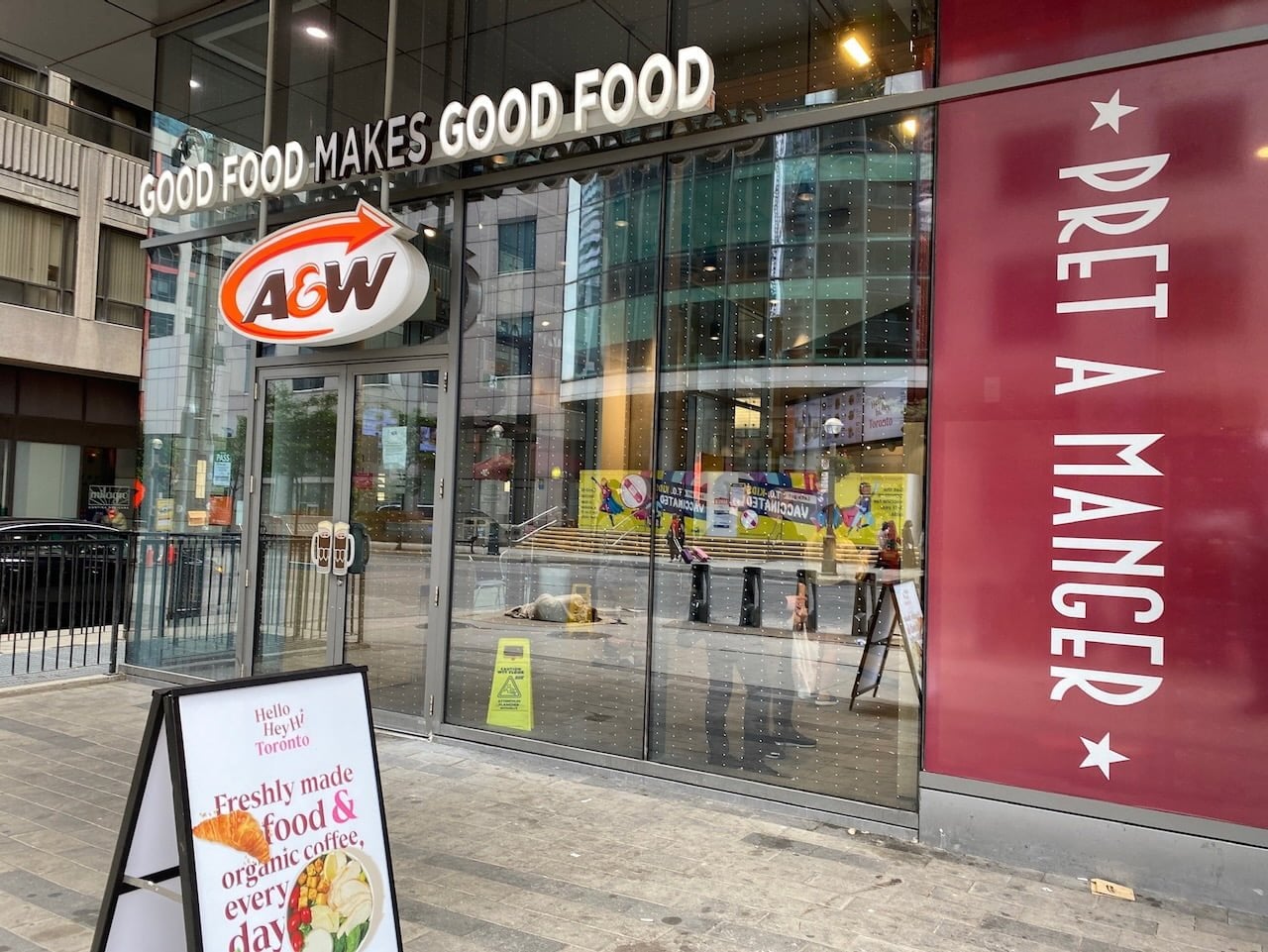
Interest in former Hudson’s Bay Co. spaces remained strong, according to the survey. Some locations have been leased by Canadian Tire, Sport Chek, Mark’s and TJX, while entertainment uses such as Round 1, Happy Kingdom and Splitsville Bowl are also being explored. Some landlords are extending mall corridors into these former anchor spaces with smaller units, while others are planning demolitions.
At the same time, large-format retailers including Toys R Us, Linen Chest and JYSK are closing underperforming locations, creating new availability in a market that has traditionally been tight.
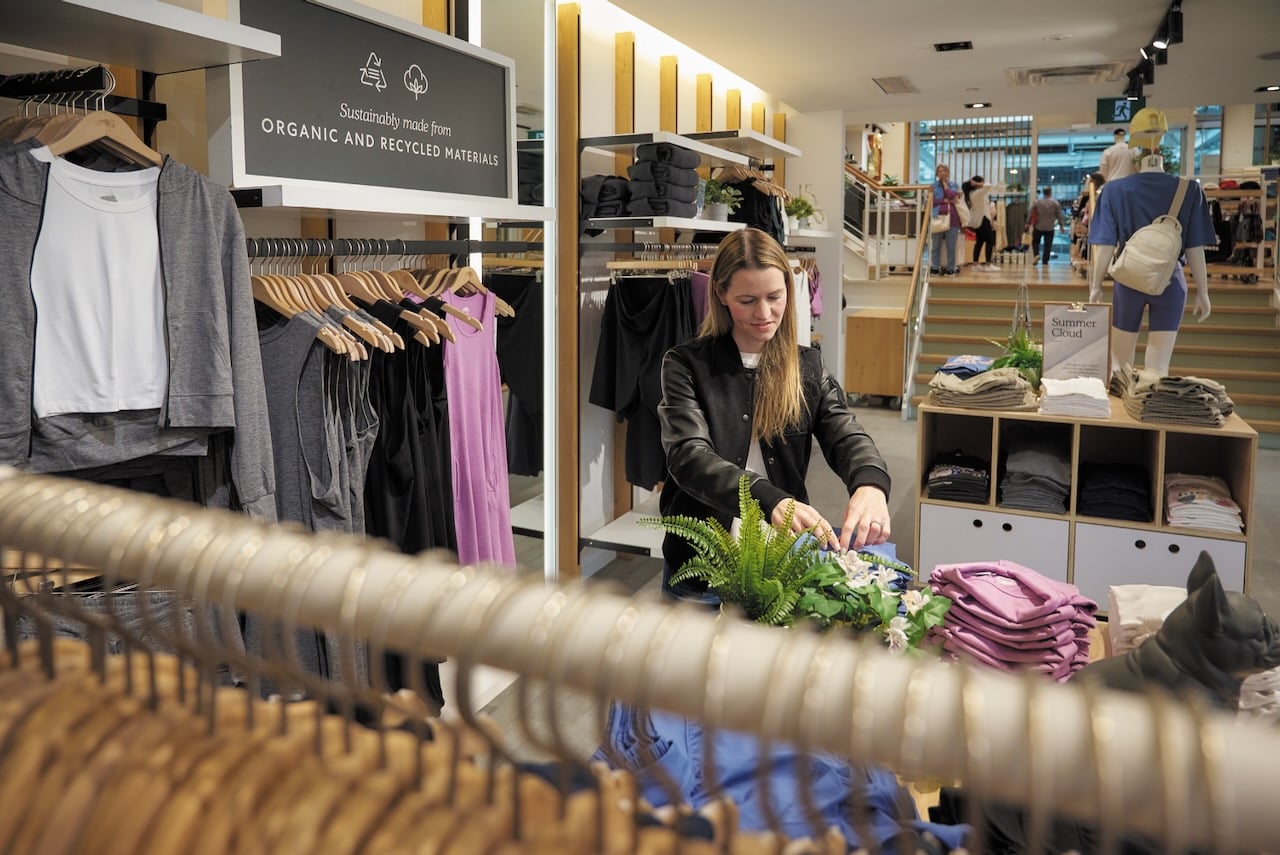
In the luxury segment, first-to-market brands continued to push into key retail districts, while major luxury houses became more selective and slower to sign new deals following mixed performance in 2025. The athleisure category showed strong momentum, with brands such as Arc’teryx, Lululemon, ON, Vuori, Hoka and Reigning Champ signing new leases and competing for space.
Value-oriented retailers also continued to perform well, absorbing demand from cost-conscious households. CBRE said consumers are expected to further reduce spending in 2026, supporting expansion by brands including Winners, Marshalls, Homesense, Structube, IKEA, Uniqlo and Crunch Fitness.
Regional market highlights
CBRE’s survey highlighted several notable developments across major Canadian markets.
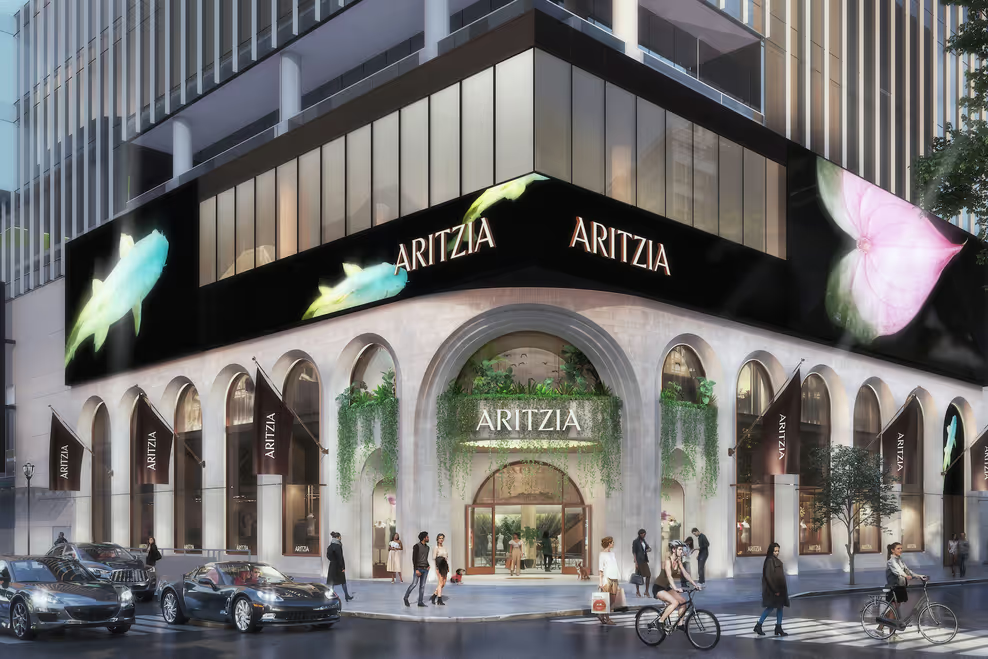
In Vancouver, the announcement of Aritzia’s new 40,000-square-foot flagship store in a portion of Nordstrom’s former space at Pacific Centre was cited as a signal of renewed confidence in the city’s core. This comes alongside the opening of several new downtown restaurants as foot traffic improves. Retail vacancies and rental rates are expected to remain stable or increase, as new retail supply remains closely tied to mixed-use developments, which CBRE said have slowed significantly.
In Calgary, demand for medical clinic space was fueled by the College of Physicians and Surgeons of Alberta’s sponsorship initiative. A streamlined process for recruiting international medical graduates resulted in more than 600 physician hires, amplifying demand in a category that had been largely inactive since 2020.
Winnipeg saw the opening of a new Costco warehouse, a 166,894-square-foot location in Headingley’s Westport Development. The mixed-use project is expected to bring retail, office and warehousing space to the west end of the Greater Winnipeg Area. Olexa Developments has also broken ground on a new mixed-use development in the St. Boniface neighbourhood.
In Toronto, Yorkdale Shopping Centre and Bloor Street West continued to attract first-to-market entrants. Gentle Monster, a Korean eyewear brand, opened a location in December. On Bloor Street, Italian menswear boutique Luca Faloni opened amid strong attention, while Tiffany & Co.’s Canadian flagship store at the corner of Bay and Bloor is slated to open in spring 2026.
Montreal also showed signs of renewed activity, with brands on Sainte-Catherine Street West relocating into new flagship stores. CBRE said demand from national and international retailers is rising as the Sainte-Catherine revitalization advances, with the latest phase shifting west in September. The project includes replacing aging infrastructure and enhancing pedestrian spaces.
Overall, the survey suggests Canada’s retail real estate market is entering 2026 with improved stability, while outcomes continue to depend heavily on location, format and tenant strategy.
More from Retail Insider: