

Zellers’ return to physical retail is moving quickly from proof of concept to national ambition. Following the successful opening of its first new standalone store at Londonderry Mall in Edmonton in October 2025, the retailer has confirmed plans to expand the Zellers 3.0 concept across Canada, positioning the brand for a broad re-entry into major markets.
The Edmonton store marked the first full-scale expression of the new Zellers under private Canadian ownership, following the acquisition of the brand’s intellectual property out of Hudson’s Bay Company’s insolvency process earlier in 2025. While nostalgia played a role in the opening-day excitement, the early performance of the store has underscored something more material: sustained traffic, strong sales, and validation that a smaller-format, value-driven department store can still resonate with Canadian consumers.
According to the company, the response exceeded internal expectations, reinforcing confidence in the model and accelerating plans for a phased national rollout.
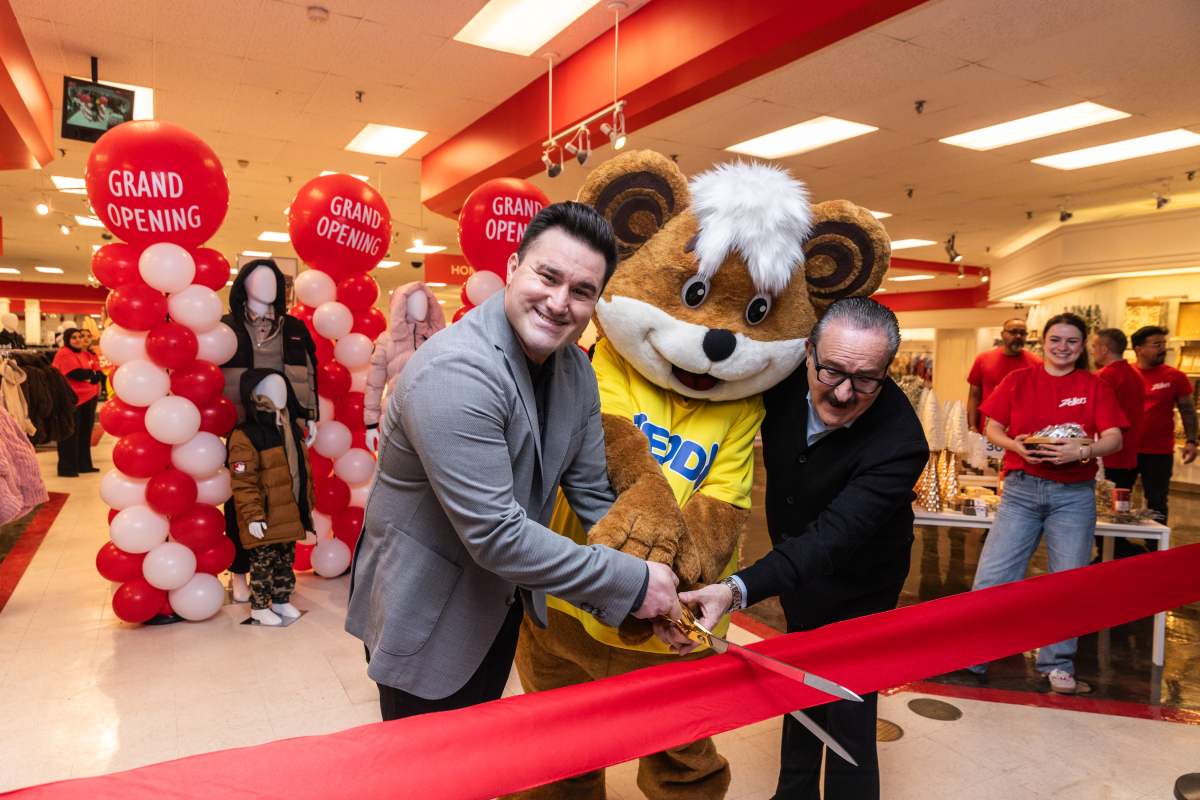
Early Results Validate the Zellers 3.0 Model
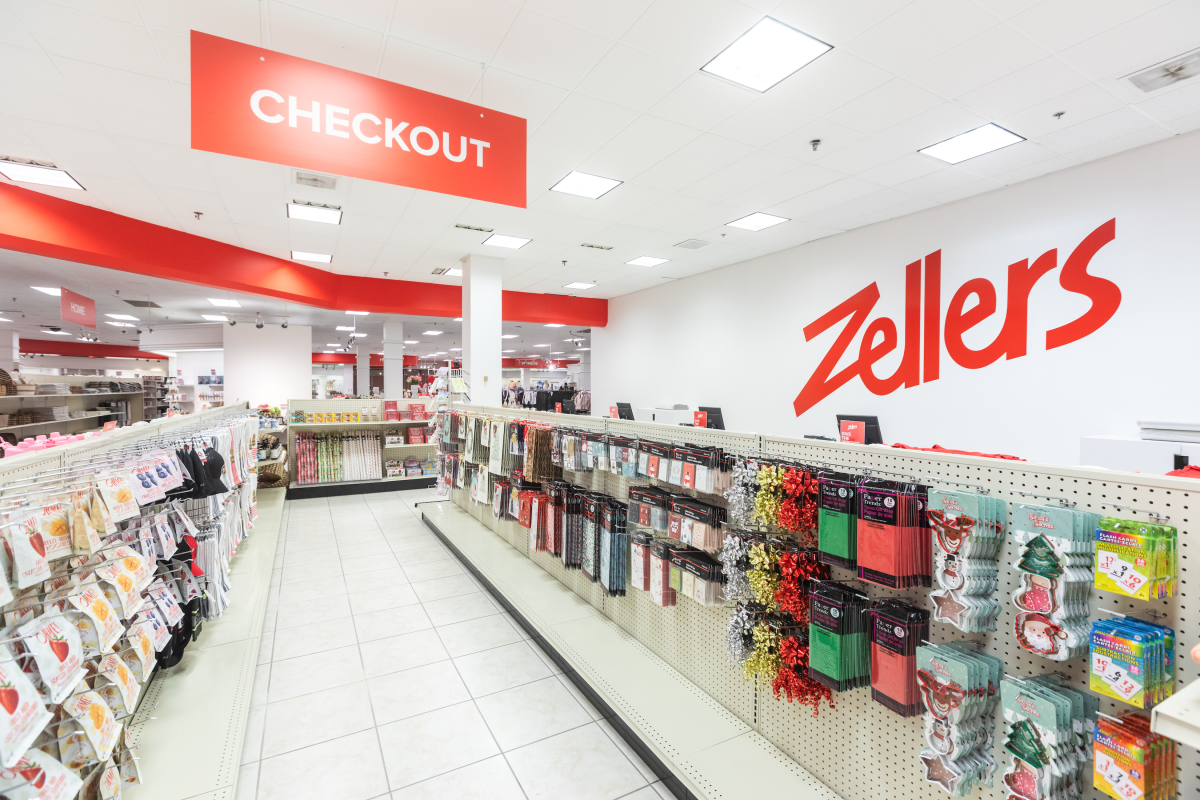
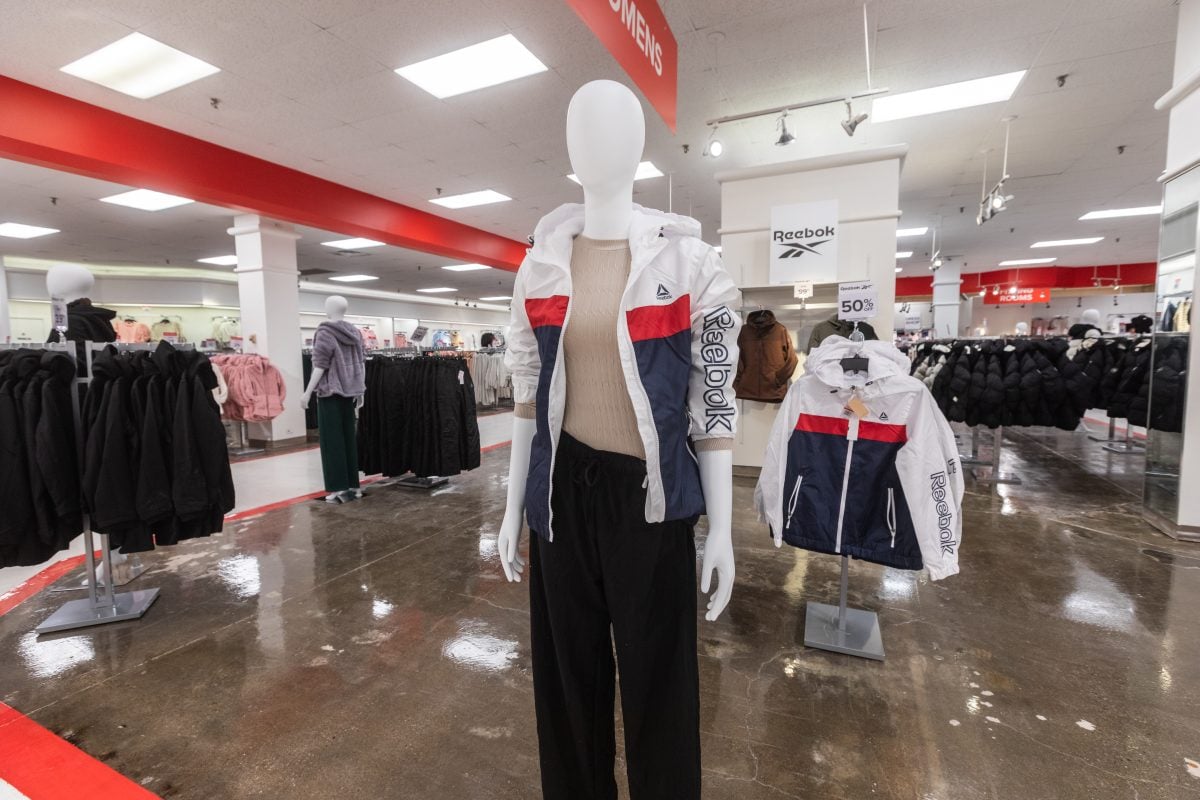
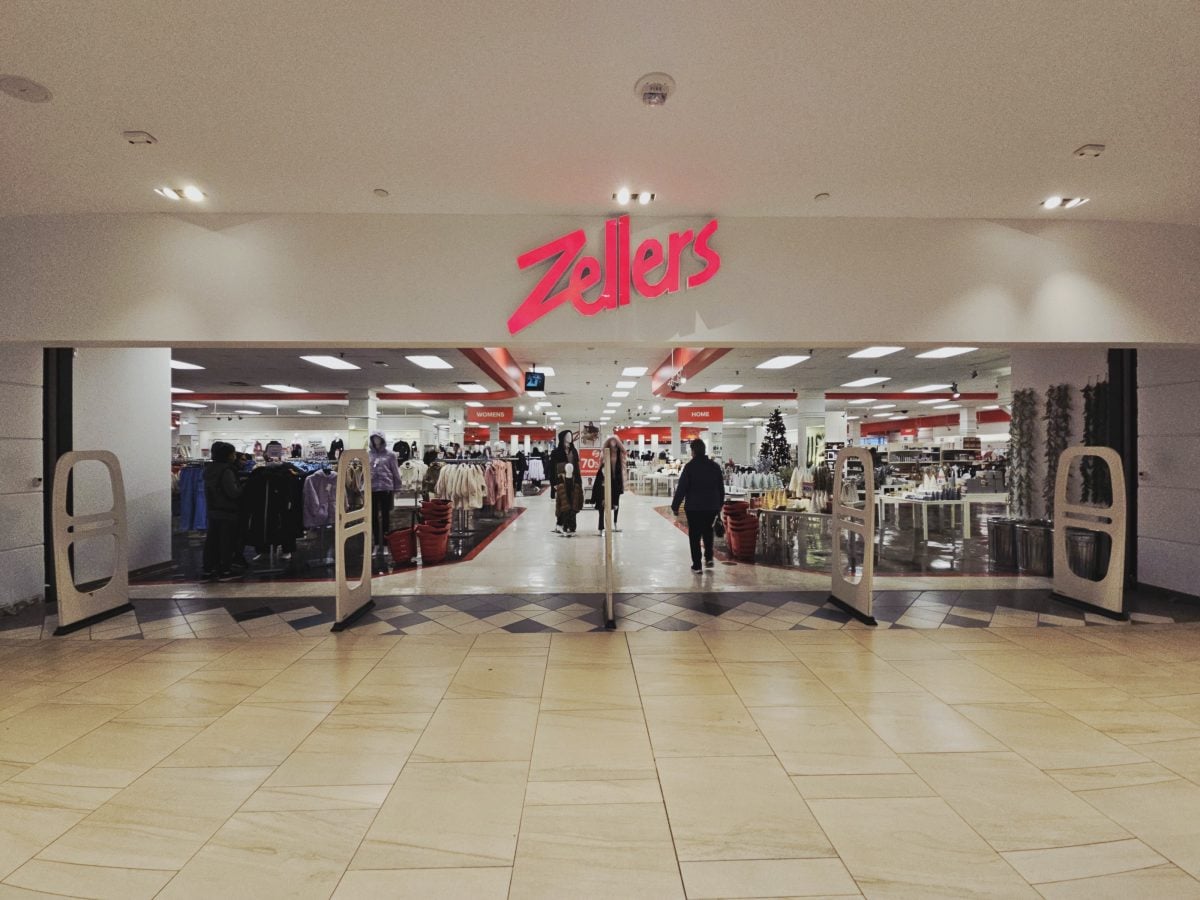
From the first day of operations, the Edmonton store drew foot traffic from families, longtime Zellers shoppers, and a younger cohort discovering the brand in physical form for the first time. The store features a curated assortment spanning men’s, women’s, kids’ and baby apparel, footwear, accessories, home essentials, and seasonal goods, with a mix of recognizable national and global brands alongside everyday lifestyle staples.
Speaking in an interview conducted in October 2025 on opening day, Joey Benitah, Chief Operating Officer of Zellers, said the company deliberately chose Edmonton as the launch market due to its deep historical ties to the brand.
“Historically Edmonton has been a fantastic market for Zellers, with a very strong customer base,” Benitah said. “As we saw on opening day, there was a lot of passion and love for the brand. We definitely got it right in selecting Edmonton as our first market.”
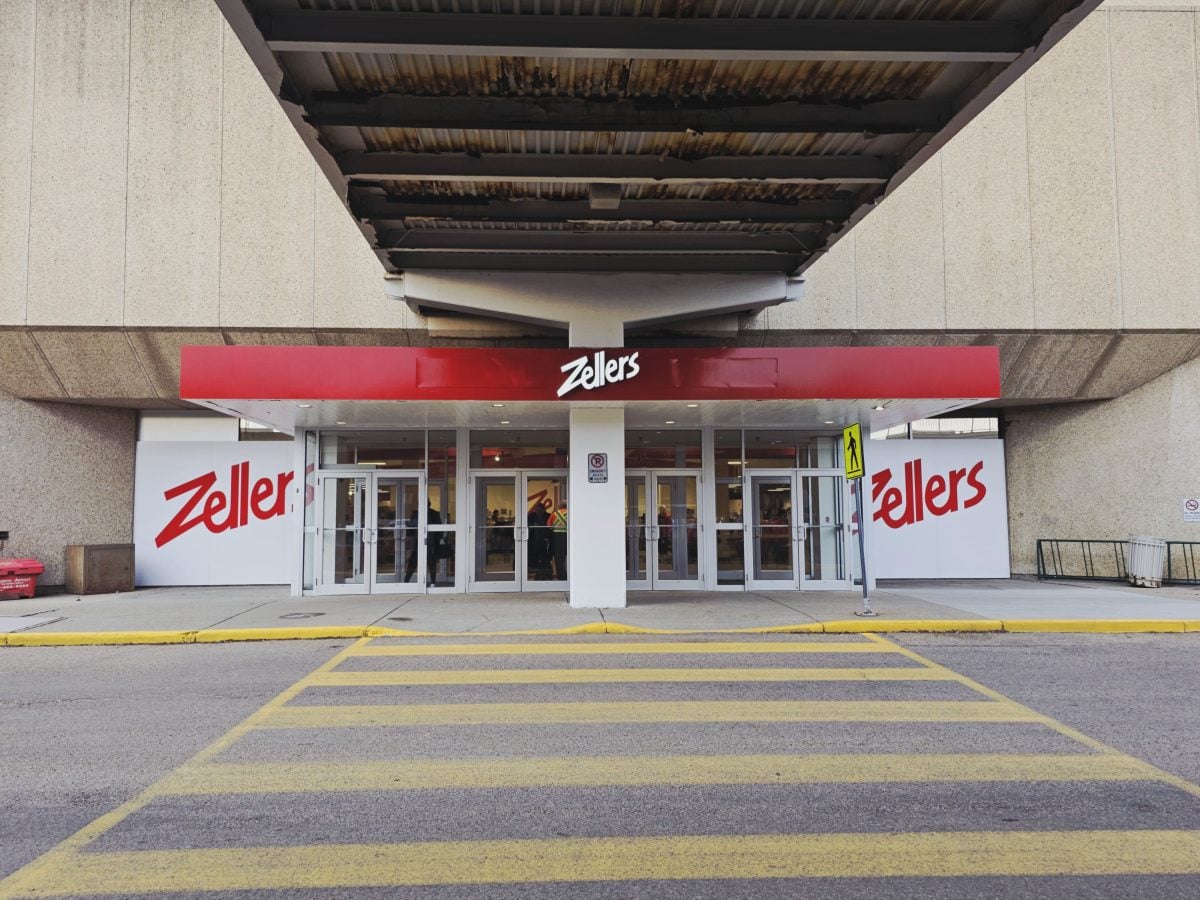
The choice of Londonderry Mall also reflected a collaborative approach with landlords as Zellers explores how to reposition former anchor spaces in a challenging retail real estate environment.
“In speaking with the landlord, they were very excited when they first heard that we had acquired the brand,” Benitah said. “They wanted to be part of that early relaunch phase, and they have been unbelievable partners.”
A Phased Approach Designed for Long-Term Sustainability
Unlike the previous attempts to revive the Zellers name, the current iteration is being positioned as a long-term rebuild. Benitah emphasized that the company has intentionally adopted a phased approach, allowing the concept to evolve based on customer feedback and operational learning.
“This is such an iconic brand with so much history that we need to get it right,” he said in the October interview. “Canadians deserve Zellers back, and back long term.”
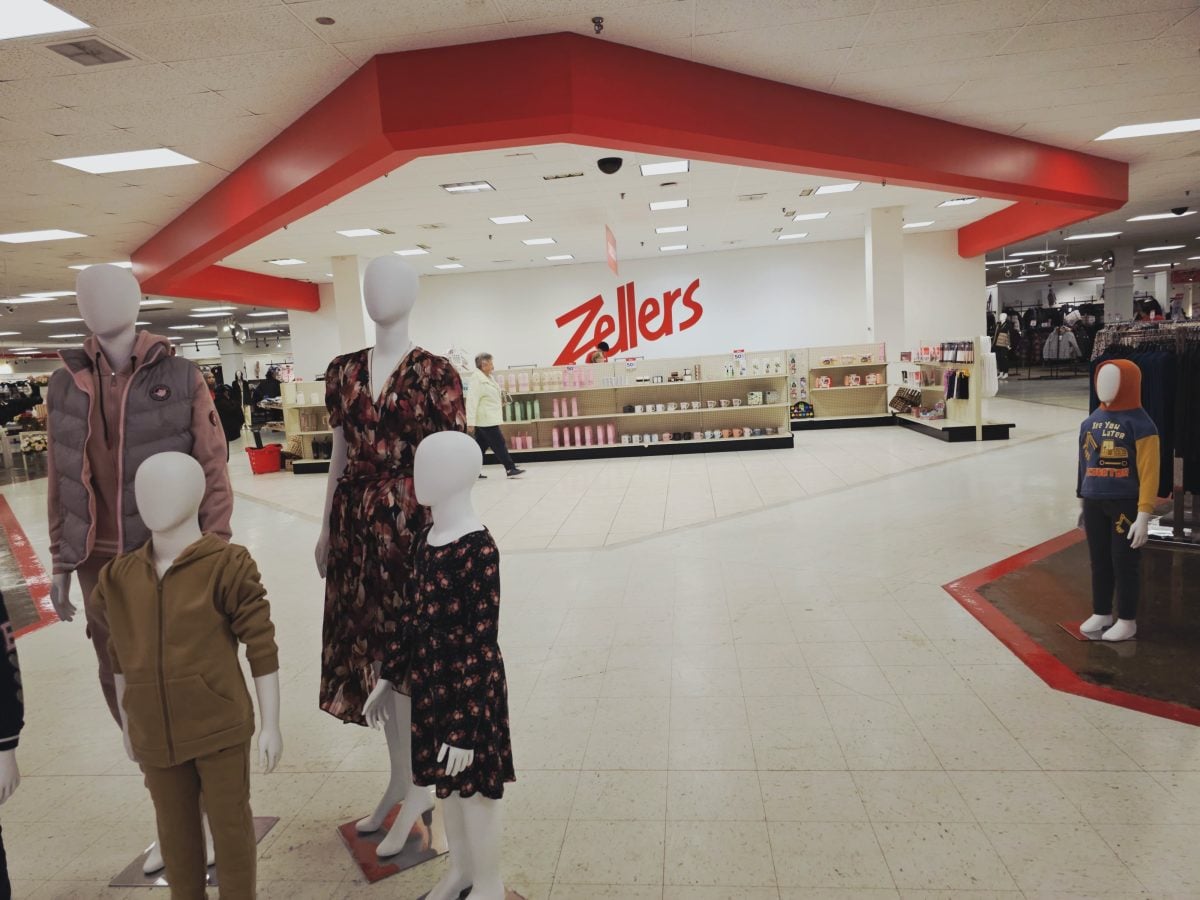
That philosophy has shaped decisions around store size, merchandising breadth, and category mix. Rather than replicating the sprawling full-line department stores of the past, Zellers 3.0 is designed as a smaller-format family department store that balances selection with operational sustainability.
“There is a fine line between not having enough selection and having too much selection,” Benitah said. “Our objective is to find the perfect sweet spot between giving customers what they want most at incredible value and having a business model that is sustainable on a national basis.”
Zeddy Returns as a Cultural Anchor
The Edmonton store also marked the official in-store return of Zeddy, Zellers’ iconic mascot, whose presence proved to be more than symbolic. Families responded enthusiastically, and the brand is now expanding how Zeddy is integrated into the store experience.
Benitah revealed plans to introduce “Zeddy’s World” as a dedicated department, allowing customers to customize Zeddy with interchangeable outfits and accessories, extending the character beyond simple logo merchandise.
“We are evolving Zeddy into something much more interactive,” he said. “Customers will be able to change his outfits and really engage with the character in a fun way.”
National Expansion Now Underway
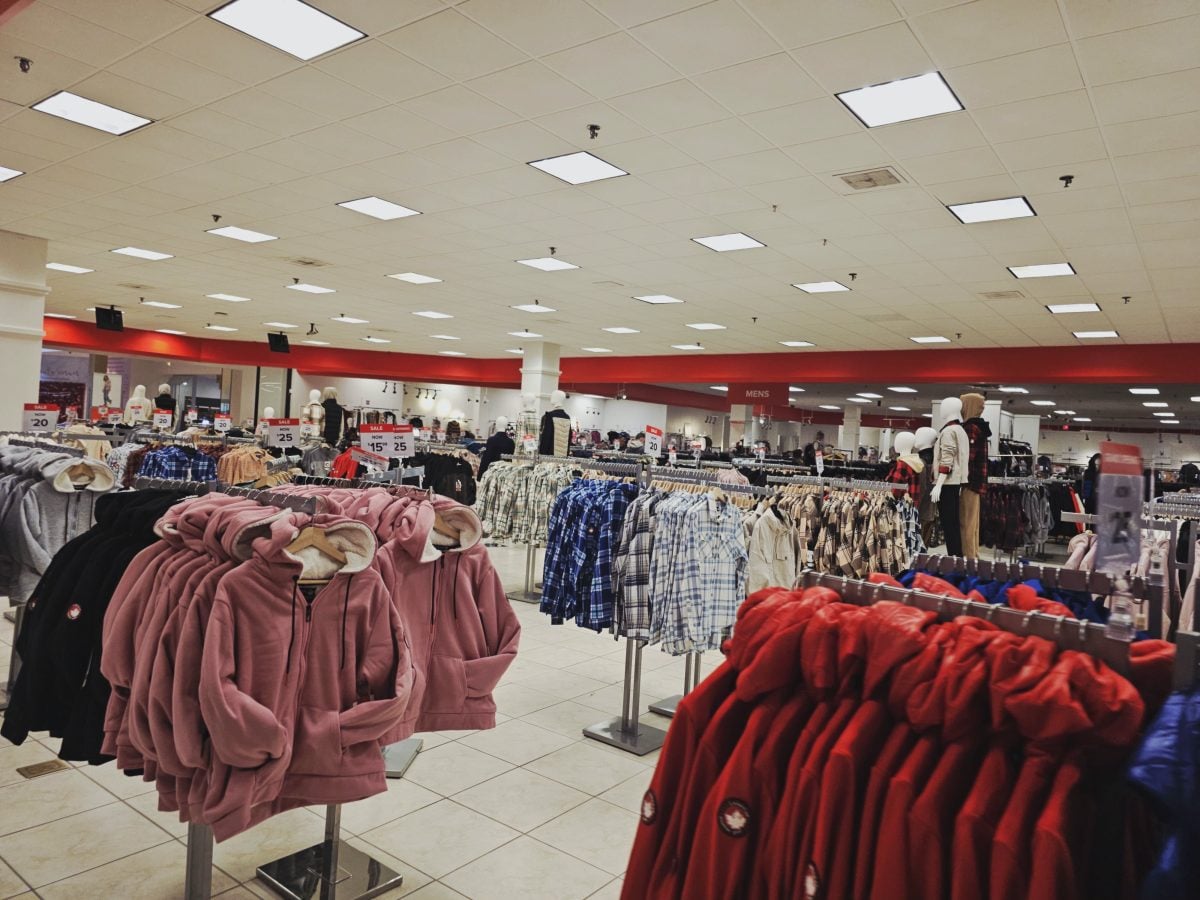
With the Edmonton store performing ahead of expectations, Zellers is actively pursuing new leasing opportunities across the country as part of its national expansion strategy. The focus is on major Canadian markets, with flexibility around store footprints and real estate configurations.
“Our goal is to bring Zellers back to communities across the country,” Benitah said in a January 2026 statement. “We are already in active conversations with landlords nationwide.”
Former Hudson’s Bay Company locations are a natural starting point, particularly as large anchor spaces continue to come available amid ongoing redevelopment timelines. Zellers’ strategy may involve occupying a single floor of a former department store, refreshing the space, and operating while longer-term redevelopment plans unfold.
“This type of real estate does not become available very often,” Benitah said. “During our initial learning phase, occupying these spaces allows us to refine the concept while giving landlords productive use of their properties.”
E-Commerce and Loyalty Programs on the Horizon
While the current focus remains on physical retail, Zellers is also laying the groundwork for a national e-commerce platform targeted for launch in 2026. Benitah said in October the company is taking a deliberate approach to ensure the online experience reflects the same value-driven positioning as its stores.
“We want to get it right,” he said. “When we launch e-commerce, it has to be something customers genuinely love.”
The brand also plans to reintroduce the Club Z loyalty program in a modernized form, though no specific timeline has been announced.
Understanding Zellers’ Three Eras
Zellers’ return marks the third distinct chapter in the brand’s history. Originally founded in 1931 by Walter P. Zeller, the chain grew into a national discount powerhouse before being acquired by Hudson’s Bay Company in 1978. At its peak in the late 1990s, Zellers operated roughly 350 locations across Canada.
The brand’s decline in the 2000s culminated in the sale of many leaseholds to Target in 2011, leading to the closure of nearly all full-line stores by 2013. A brief “Zellers 2.0” revival under Hudson’s Bay launched in 2023 as shop-in-shops within Bay stores, but was ultimately wound down amid HBC’s financial collapse.
In August 2025, the Zellers trademarks, logo, Zeddy mascot, and related intellectual property were acquired by Quebec-based Les Ailes de la Mode Inc., controlled by the Benitah family, returning the brand to Canadian ownership.
Zellers 3.0 Under Canadian Ownership
The Benitah family, led by Isaac Benitah, controls several Canadian retail banners and brings decades of apparel and home retail experience to the Zellers revival. Joey Benitah has emerged as the public face of Zellers 3.0, emphasizing discipline, adaptability, and long-term viability.
“This is a phased reinvention,” Benitah said. “We are listening, learning, and evolving quickly. Our goal is to make this the best version of Zellers yet.”
That philosophy now underpins Zellers’ national expansion, as the retailer moves from a successful Edmonton launch toward rebuilding a national Canadian discount department store banner.










This is not zellers. It’s just lipstick on fairweather brands/junk.
Zellers’ revival makes sense because it is not being treated as nostalgia theatre. It is a disciplined retail re-entry anchored in brand memory but governed by modern economics. Having worked within the Hudson’s Bay Company across store operations, general management, distribution, and district leadership development, I understand both the emotional equity and the operational truths that defined Zellers at its peak. It was never just a department store; it was a national value merchant built on price trust, private-label strength, and accessibility for Canadian households. The Edmonton launch signals an understanding that revival is about reactivating what worked structurally—assortment discipline, operational simplicity, and scale logic—while avoiding the margin traps of the past. Nostalgia alone does not drive traffic. Execution does. If discipline holds, national expansion is not sentimental; it is rational. —Junie Patricia
Zellers’ revival makes sense precisely because it is not being attempted as a museum piece. It is being approached as a disciplined retail re-entry, anchored in brand memory but governed by contemporary economics. Having worked within the Hudson’s Bay Company ecosystem across store operations, general management, warehouse distribution, and district leadership development, I understand both the emotional equity and the operational realities that once defined Zellers at its peak. Zellers was never simply a department store. It functioned as a national convenience merchant with mass accessibility, credible private-label authority, and a deep understanding of Canadian households across urban, suburban, and regional markets. Its strength was clarity of value, not aspiration theatre. The Edmonton launch signals something important: leadership appears to understand that revival is not about recreating the past, but about reactivating what worked structurally price trust, assortment discipline, operational simplicity, and scale logic while avoiding the margin traps that ultimately undermined the banner in its later years. Canadians carry nostalgia for Zellers, but nostalgia does not generate repeat traffic. Execution does. If the current ownership continues to respect the brand’s original promise while applying modern supply-chain discipline, inventory velocity, and labour productivity, national expansion is not sentimental it is rational. Zellers can earn relevance again, not by pretending time stood still, but by proving it remembers who it was built for in the first place. Junie Patricia
Zellers management continues to refer to its store as a department store and not a discount store they are wrong in doing so .Check AI to see the differences