Cooler Co., one of Canada’s fastest-growing yerba mate and kombucha beverage brands, has officially transitioned 100% of its manufacturing to Canada, marking a significant investment in domestic production and a new chapter in the company’s long-term growth.
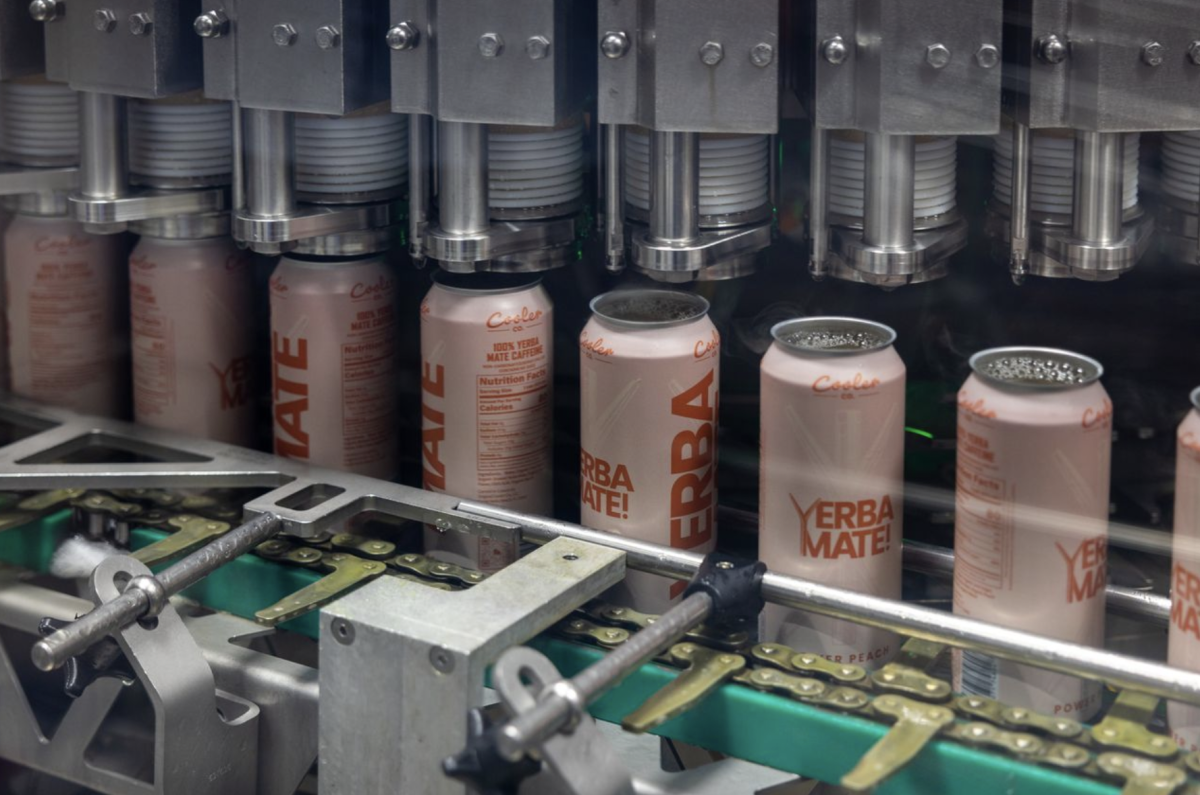
Its kombucha line continues to be brewed at Cooler Co.’s facility in Coquitlam, B.C., while its yerba mate is now produced at National Dry in Toronto, Ontario, an organic-certified facility capable of producing up to 800 cans per minute. Together, the two sites form an all-Canadian, coast-to-coast production model.
“Cooler Co. is incredibly proud to bring all of our production home,” said Dan Larsen, Co-Founder and CEO of Cooler Co. “This move represents more than just a shift in geography — it’s a statement of who we are. By manufacturing entirely within Canada, we’re reducing our environmental footprint, strengthening local partnerships, and ensuring every can reflects the innovation, integrity, and energy of the communities that inspire us.
“When I first started making kombucha, my goal was to create beverages that feel good to drink and good for the people enjoying them. Having Cooler Co. fully made in Canada makes me excited for what’s ahead. We’re already working on developing more flavours and getting our products onto even more Canadian shelves.”

Larsen was a former chef who founded the original Culture Craft Kombucha in 2015 before rebranding it to Cooler Co. in 2024 with the addition of yerba mate. His relationships with local farmers and his personal health journey were catalysts in creating a brand focused on low-sugar, nutrient-dense alternatives to mass-produced beverages.
Cooler Co.’s beverages are currently available at retailers across B.C. and Ontario, including (in alphabetical order): Country Grocer, Foxy Farm Market, Fresh Street Market, Greens Market, Healthy Planet, IGA, Langley Farm Market, London Drugs, Nature’s Fare, Save-On-Foods, Stong’s Market, Urban Fare, and Whole Foods.
Rebuilding production ecosystem
Larsen said the biggest operational tradeoff in moving its manufacturing was rebuilding its production ecosystem from the ground up.
“Our former U.S. partners provided established workflows and predictable output. Transitioning to Canada required requalifying suppliers, onboarding new teams, and implementing our QA standards from scratch,” he said.
“Financially, the move was favourable. With domestic ingredient sourcing, streamlined freight, and the elimination of cross-border logistics, our unit costs have decreased. The stability of a Canadian supply chain, combined with closer proximity to our core retail market, has improved both cost efficiency and operational control.
“Internally, the justification became clear once we aligned around three core priorities. First, producing in Canada strengthens our positioning with retailers who increasingly value domestic manufacturing. Second, we removed operational risk tied to cross-border variability and USD exposure. And third, consolidating production within Canada enables tighter oversight, faster innovation cycles, and a more resilient platform for national scale.”
Strengthening supply chain resilience
Larsen said a coast-to-coast production model fundamentally strengthens its supply chain resilience by reducing exposure to the very pressures that have challenged beverage companies over the past few years.
“By manufacturing our kombucha in our HACCP-certified facility in Coquitlam, BC and producing our Yerba Mate with Canada Dry in Ontario, we have removed single-point dependency and built regional redundancy into the system. This geographic diversification allows us to balance production loads, respond more quickly to regional demand shifts, and maintain continuity if one facility experiences downtime, ingredient delays, or labour constraints,” he explained.
“On the financial side, the model significantly mitigates tariff and currency exposure. By eliminating cross-border manufacturing, we removed the volatility tied to U.S.–Canada freight, USD exchange fluctuations, and evolving import duties. Our cost structure is now more predictable, and we are no longer vulnerable to regulatory or geopolitical changes that can disrupt U.S. production pipelines.
“Transportation efficiency is another major advantage. With facilities on both coasts, we shorten haul distances, reduce reliance on long-range refrigerated freight, and improve delivery timeliness for key retail partners. This not only lowers transportation costs but also reduces carbon impact and enhances freshness at the shelf.
“Global uncertainty remains a constant, but domestic, regionally distributed production gives us greater control over the variables that matter most: ingredient sourcing, labour, quality oversight, and speed to market. Rather than reacting to global disruptions, we’ve positioned Cooler Co. to operate with stability, predictability, and the flexibility required to scale nationally without structural bottlenecks.”
Controlling the supply chain end to end
Larsen said ensuring quality, organic certification, and consistency at scale begins with controlling the supply chain end to end.
“Our board has maintained direct business relationships with some of the largest Yerba Mate suppliers in Brazil for more than fifteen years, which gives us priority access to certified organic growers, full traceability, and consistent ingredient quality. Every shipment is supported by certificates of analysis, organic declarations, pesticide panels, and microbiological testing before it leaves South America,” he added.
“Once ingredients arrive in Canada, they enter a tightly managed domestic system. Canada Dry’s Ontario facility, which is certified organic through Ecocert, follows strict organic handling protocols, segregated storage, and validated allergen and sanitation controls. Each lot is retested on arrival to confirm identity, organic compliance, and sensory profile.
“Consistency at scale is maintained through standardized batching, calibrated extraction parameters, and in-process controls that monitor Brix, acidity, colour, and aroma. Monthly joint QA reviews ensure any deviations are addressed quickly and the process continues to tighten as we grow.”
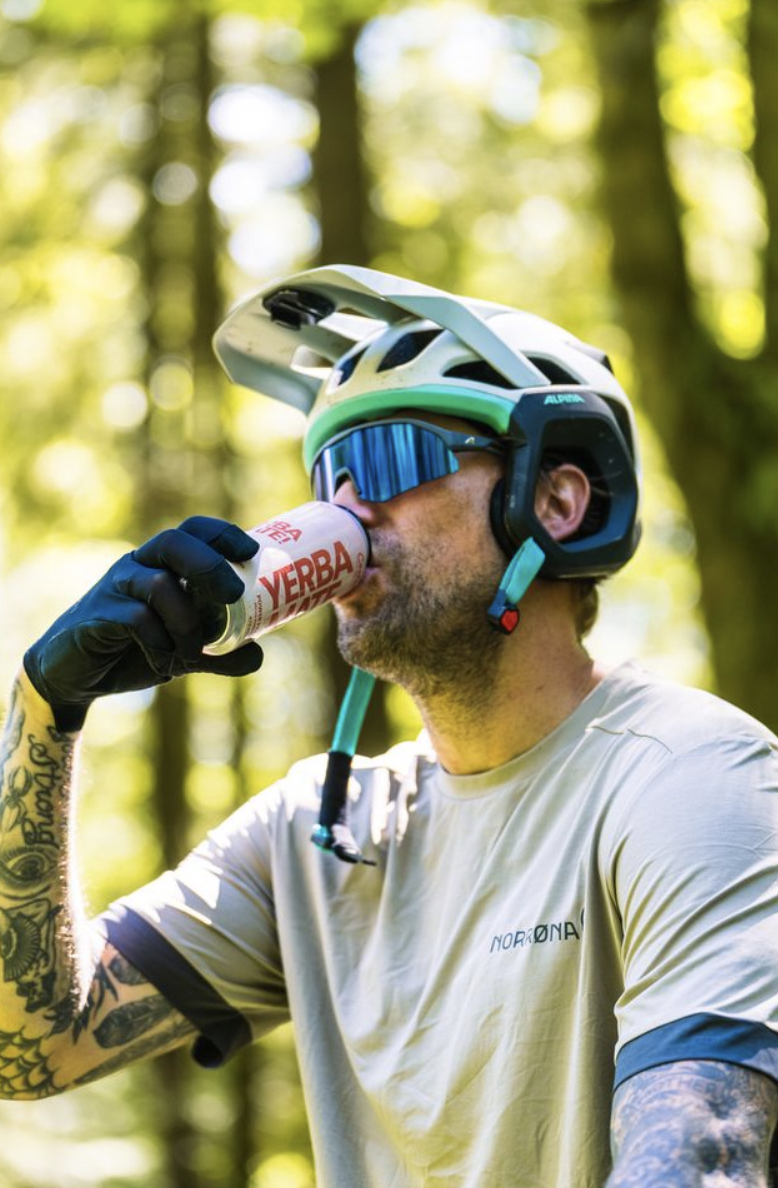
Larsen said manufacturing entirely in Canada strengthens both its pricing and its value proposition.
“By removing cross-border freight, USD exposure, and U.S. co-pack volatility, our cost structure has improved. As a result, our pricing will decrease, making us more competitive with U.S. brands while still protecting our margins,” he said.
“The Made in Canada advantage does not come at a premium. Domestic production gives us tighter control, shorter transportation routes, and greater efficiency, allowing us to keep shelf pricing affordable while offering retailers a stronger, locally produced option.”
Plans for broader expansion underway
Larsen said this move positions Cooler Co. to scale nationally while building a strong foundation for continued U.S. growth.
“Producing entirely in Canada gives us the stability and efficiency we need for coast-to-coast distribution at home, but it also supports our expansion south of the border. We have already launched in the United States through Amazon and begun distribution across all five boroughs of New York as well as Northern Florida. Plans for broader expansion are underway with major U.S. grocery banners, and the improved cost structure from domestic manufacturing strengthens our competitiveness in those markets,” he said.
“The strategy is both Canada-first and globally minded. Establishing a reliable, efficient Canadian production base allows us to serve our home market exceptionally well while scaling into the U.S. with confidence and consistency.”
More from Retail Insider: