When Darcy Skarsen reflects on how his business journey began, he does not point to a long-term master plan. Instead, he traces it back to early 2020, when a sudden layoff forced him and his wife Elaine to rethink their future.
“It really all started around March 2020,” Skarsen said. “I was working a nine-to-five sales job in Bonnyville and ended up getting laid off. I had no prospects, no job, nothing. I wasn’t sure what the next step was going to be.”
Rather than waiting for the job market to recover, the couple decided to move forward with a business idea they had discussed in earlier years. That decision marked the beginning of a new chapter for the Skarsen family, one that would grow into a portfolio of foodservice and entertainment businesses across Alberta’s Lakeland region.
What began with a single restaurant has since expanded to include multiple Pita Pit locations, a Booster Juice, and a bowling alley that filled a long-standing gap in the community. The projects were built through a hands-on, family-driven approach, with Darcy and Elaine working closely together from the outset.
Booster Juice marks the first step into ownership
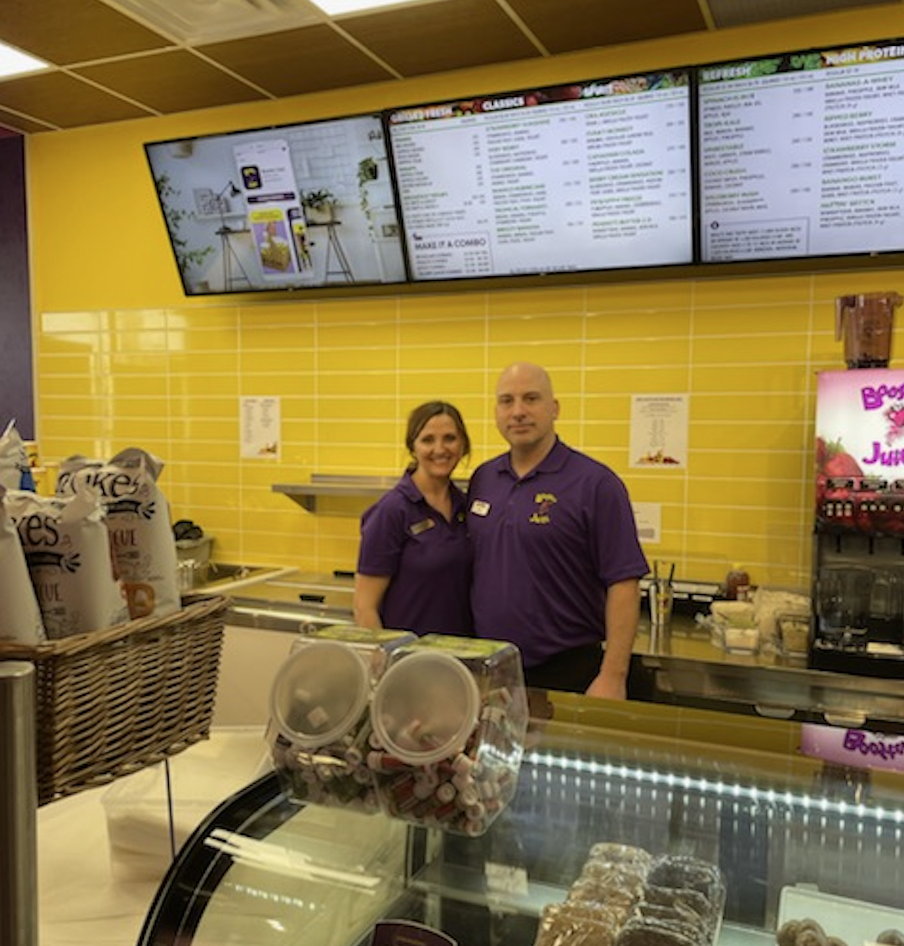
The Skarsens’ first step into business ownership came with the opening of a Booster Juice in Bonnyville in February 2021. At the time, the move was less about expansion and more about creating stability and taking control of their future.
“Out of that situation, I ended up opening a Booster Juice,” he said. “We opened in February 2021, and that was really my introduction to franchising and running my own business.”
The experience gave Darcy and Elaine a practical education in operations, staffing, and working within a national franchise system. He said the store remains an important part of both the business and their personal journey.
“It was my first one, so it will always be near and dear to me,” Skarsen said. “It taught me a lot about how franchising works and what it really takes to run a business day to day.”
Acquiring Pita Pit and building local scale
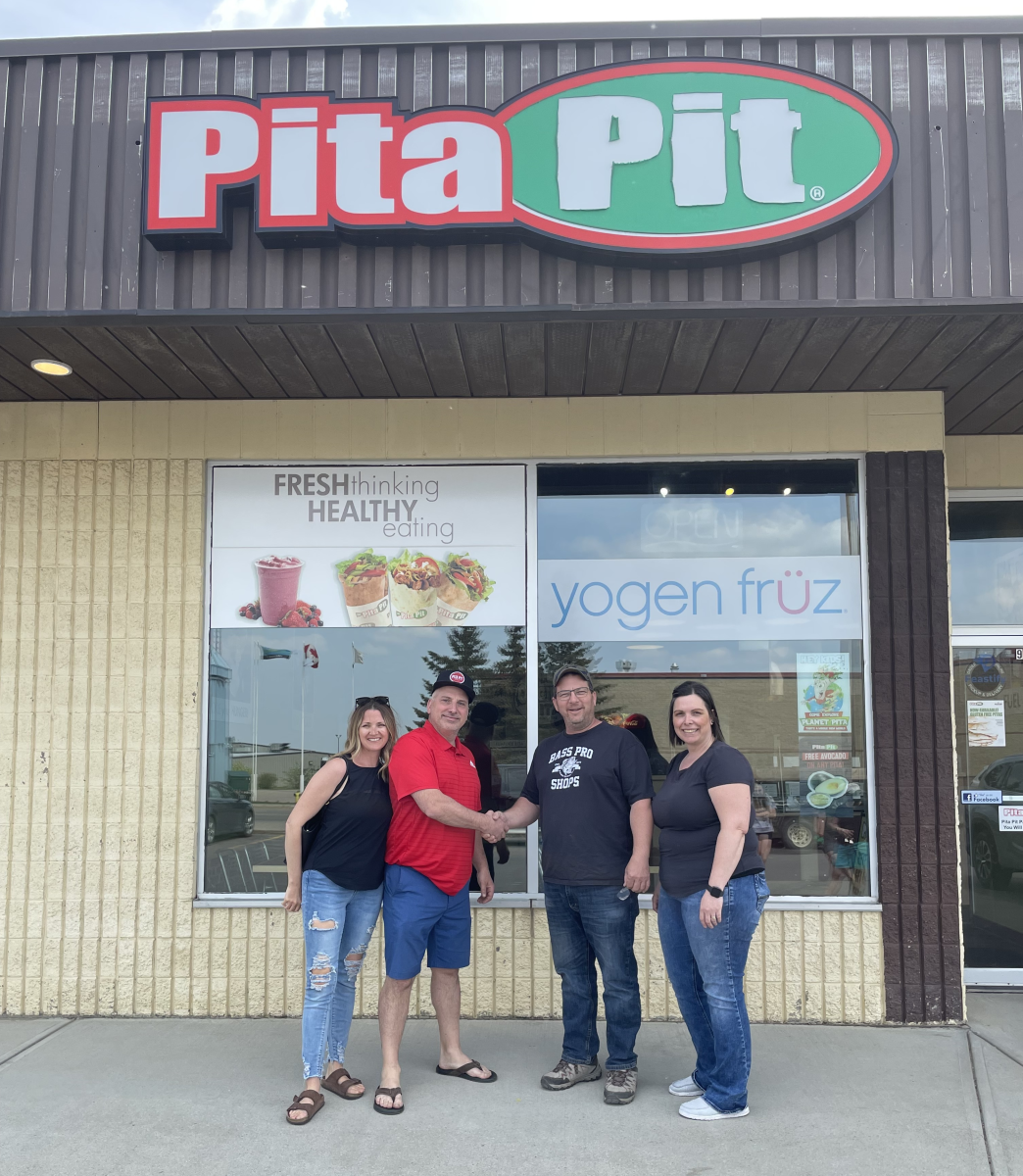
Not long after opening Booster Juice, Skarsen was approached by the owners of the local Pita Pit in Bonnyville. The opportunity aligned with conversations he and Elaine had already been having about growth.
“Not long after that, the owners of the Pita Pit here in town approached me and asked if I’d be interested in buying it,” he said. “Long story short, we took it over in June 2022.”
Founded in Kingston, Ontario in 1995, Pita Pit has grown into one of Canada’s most recognizable fast-casual brands, with approximately 240 locations nationwide under Foodtastic’s ownership. Its customizable menu and strong catering business have helped it perform well in a range of markets, including smaller communities.
For the Skarsens, the brand’s flexibility and local relevance made it a natural fit for expansion.
Different franchise models, different strengths
Having now operated more than one franchise concept, Skarsen is careful to frame differences between systems as structural rather than good or bad. He said those lessons were learned through the couple’s early experiences together in the business.
“Every franchise has a different model,” he said. “Some are more turnkey, some give you more involvement in the build and operations. You really only understand that once you’ve lived it.”
He said both Booster Juice and Pita Pit have strengths, but Pita Pit aligns more closely with how he and Elaine prefer to operate in smaller markets.
“With Pita Pit, there’s more opportunity to be hands-on,” Skarsen said. “I like being involved in the build, understanding where costs are going, and adapting to the local market where it makes sense.”
That alignment has influenced where the couple is focusing future growth, without diminishing the role Booster Juice played in getting them started.
Reopening Pita Pit in Cold Lake with a new approach
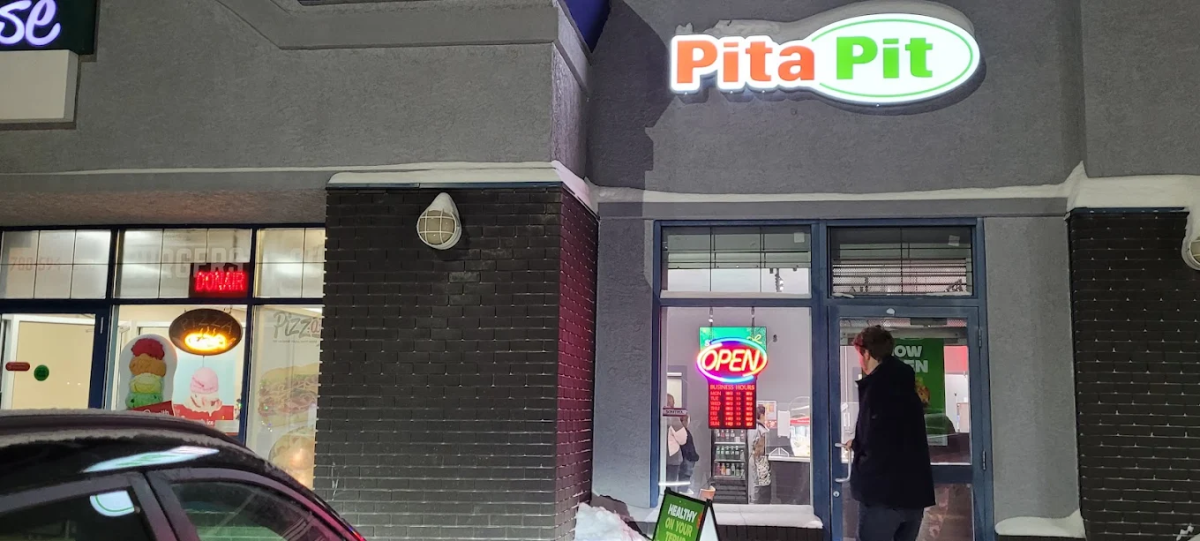
The Skarsens’ second Pita Pit location opened in Cold Lake in late 2025, bringing the brand back to the community after a previous location had closed years earlier.
“The earlier store struggled because of where it was located,” he said. “It was upstairs in a multiplex with limited visibility and foot traffic.”
The new location, positioned near Walmart with strong parking and visibility, has performed well out of the gate.
“We’ve been open just over a month now, and the response has been really encouraging,” Skarsen said.
He emphasized that location fundamentals are especially critical in smaller markets.
“When you’re visible and convenient, people respond,” he said. “That’s even more important outside major urban centres.”
Filling a community gap with a bowling alley
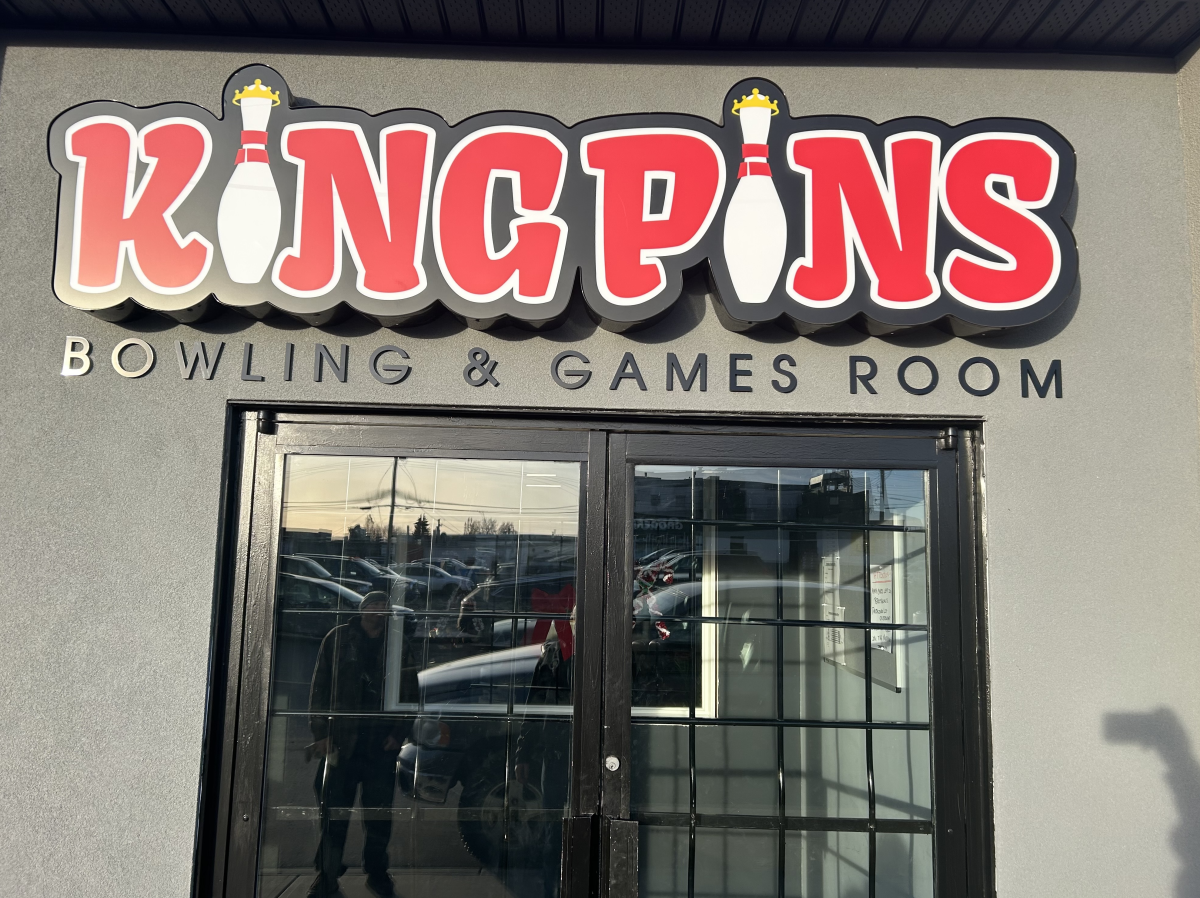
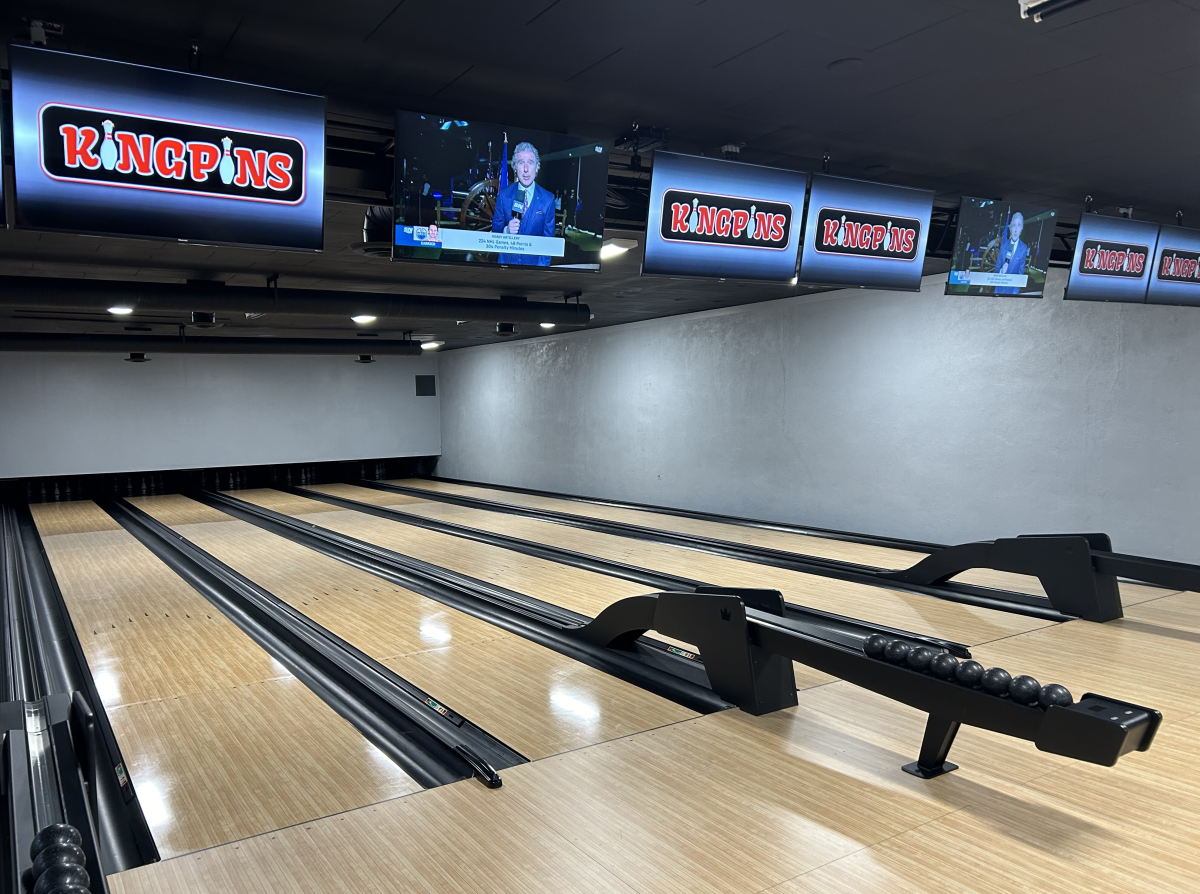
Beyond foodservice, the Skarsens also identified an opportunity to bring back a bowling alley to Bonnyville, which had been without one for roughly a decade.
“Bonnyville used to have a bowling alley that closed around 2013,” he said. “It had been there for decades, and the town really felt the loss.”
Since opening in 2023, the bowling alley has become a steady destination for leagues, families, and corporate events.
“Bowling has been incredibly popular,” Skarsen said. “We have leagues five nights a week, weekends are busy, and we’re booked solid with Christmas parties.”
The business has also reinforced his appreciation for locally owned concepts alongside franchises.
“With the bowling alley, we decide everything,” he said. “We decide the menu, the hours, what we’re going to offer. You don’t have that flexibility with franchises.”
Labour and food costs remain the biggest challenges
Like many restaurant operators, Skarsen said staffing and food inflation are the most pressing challenges he and Elaine face.
“Staffing is probably the toughest part of the business,” he said. “In rural communities, it’s hard to find full-time employees.”
He noted that temporary foreign workers have played a vital role in keeping operations running.
“Temporary foreign workers have been critical for us,” Skarsen said. “Most of them are here to build a better life for themselves and their families, and they work incredibly hard.”
Food costs, meanwhile, have reshaped customer perceptions.
“Food costs are the biggest challenge right now,” he said. “People come in and say, ‘I just paid $20 for a pita, chips, and a pop.’ And I tell them, ‘I paid almost that much just to make it.’”
“It’s not that restaurants are getting rich,” Skarsen added. “It’s simply what it costs to operate today.”
Low rents and why small markets still make sense
One advantage the Skarsens continue to benefit from is manageable occupancy costs, particularly in Bonnyville.
“If I told you what I pay for rent here, you’d probably fall off your chair,” he said. “I pay about $1,200 a month for roughly 1,200 square feet.”
That cost structure allows for resilience when food and labour costs rise, and helps explain why secondary and tertiary markets remain attractive for franchise expansion when paired with strong local demand.
“Our customer base isn’t high school kids,” Skarsen said. “It’s workers. We deliver platters to job sites regularly, and there’s a lot of disposable income in this region.”
Looking ahead to Costco-driven growth
The Skarsens are currently exploring another Pita Pit location in Lloydminster, tied to a new Costco development expected to draw traffic from across the region.
“We’re looking at a site near the Costco that’s being built,” he said. “Those developments create a lot of consistent traffic, especially from surrounding communities.”
At the same time, he remains cautious about scaling too quickly.
“I like to be able to visit my stores regularly,” Skarsen said. “Once they’re farther away, you have to be very thoughtful about how you manage that.”
Practical advice for future franchisees
After several years in business, Skarsen offers straightforward advice to others considering franchising.
“Do your homework,” he said. “Talk to other franchisees and understand what you’re getting into.”
Above all, he stressed that ownership requires ongoing involvement.
“You can’t expect the franchise to do everything for you while you sit back,” Skarsen said. “You still have to put in the work.”