The Westbeach brand revival marks a rare and meaningful full-circle moment in Canadian retail. More than four decades after Chip Wilson founded the original surf, skate, and snowboard label in Vancouver, the iconic name is back, grounded in the same coastal culture that shaped it in the first place. With a newly opened flagship store at 2138 West 4th Avenue in Kitsilano and a carefully staged plan to expand across Canada, Westbeach is once again positioning itself as a community-driven action sports brand rooted in quality, durability, and authenticity.
The relaunch is being led by Braden Parker, a Vancouver-based entrepreneur best known as the co-founder and former CEO of Casca Footwear. Parker was appointed CEO after Wilson quietly bought back the rights to the Westbeach brand roughly two years ago. Rather than rushing the name back to market through licensing or wholesale distribution, the team has chosen a deliberate retail-first approach that emphasizes physical experience, heritage storytelling, and product integrity over speed.

“Chip started the brand, and he bought it back,” Parker said. “We were chatting last February after I had sold my business, and he mentioned Westbeach as an opportunity he had but did not really know what to do with. We both felt the timing was right to bring back a surf, skate, and snow brand with real authenticity, centered around high-quality product.”
Why West 4th Avenue Matters
The choice of Kitsilano, and specifically West 4th Avenue, was not incidental. The street has long been one of Vancouver’s most established lifestyle retail corridors, closely associated with surf culture, athleticwear, and outdoor brands. It also carries historical significance for Westbeach itself. One of the brand’s original stores was located just down the street decades ago.
“West 4th was a natural fit,” Parker said. “The first Westbeach store was actually on West 4th, just down the street. There is an alignment there that felt right, both culturally and historically.”
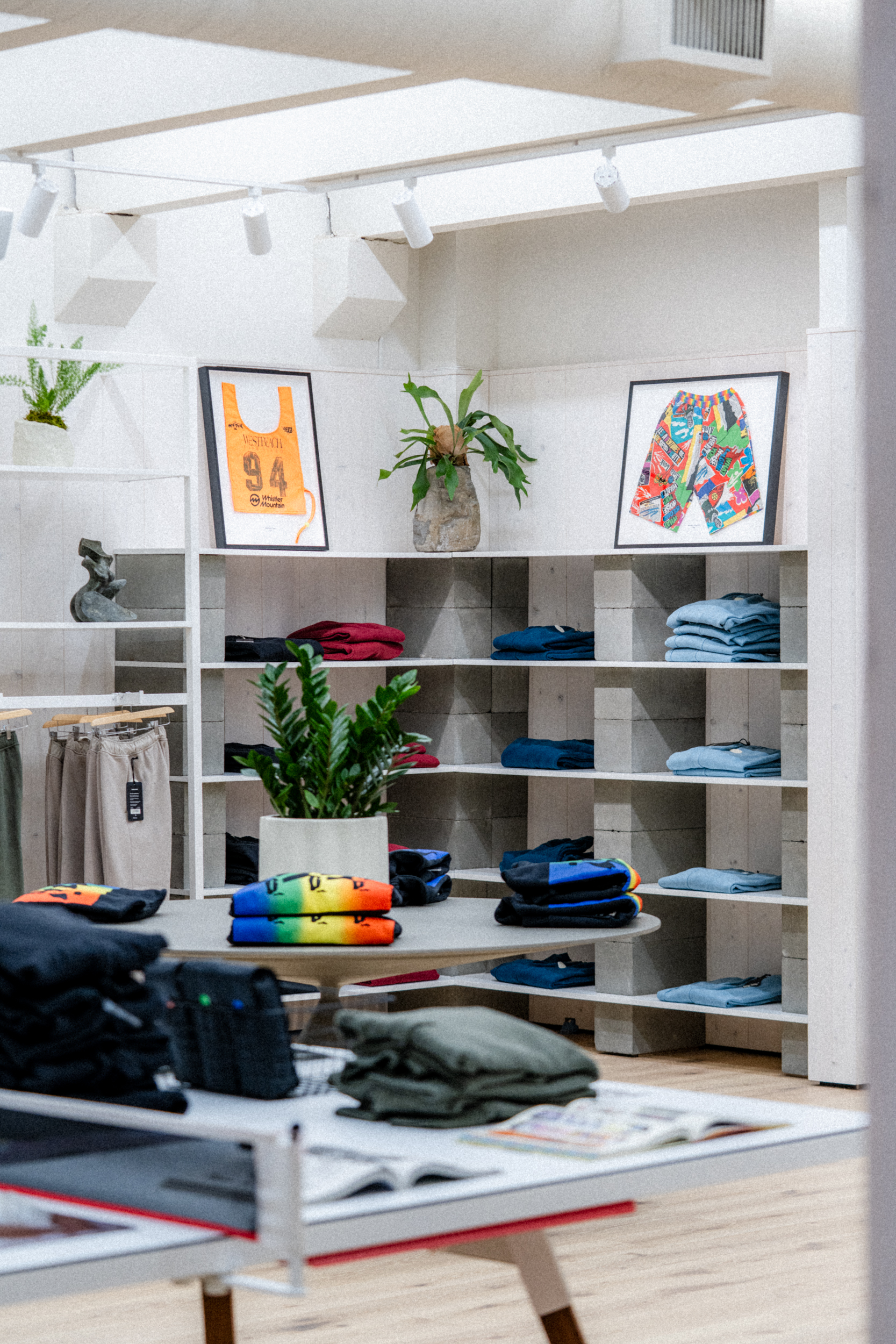
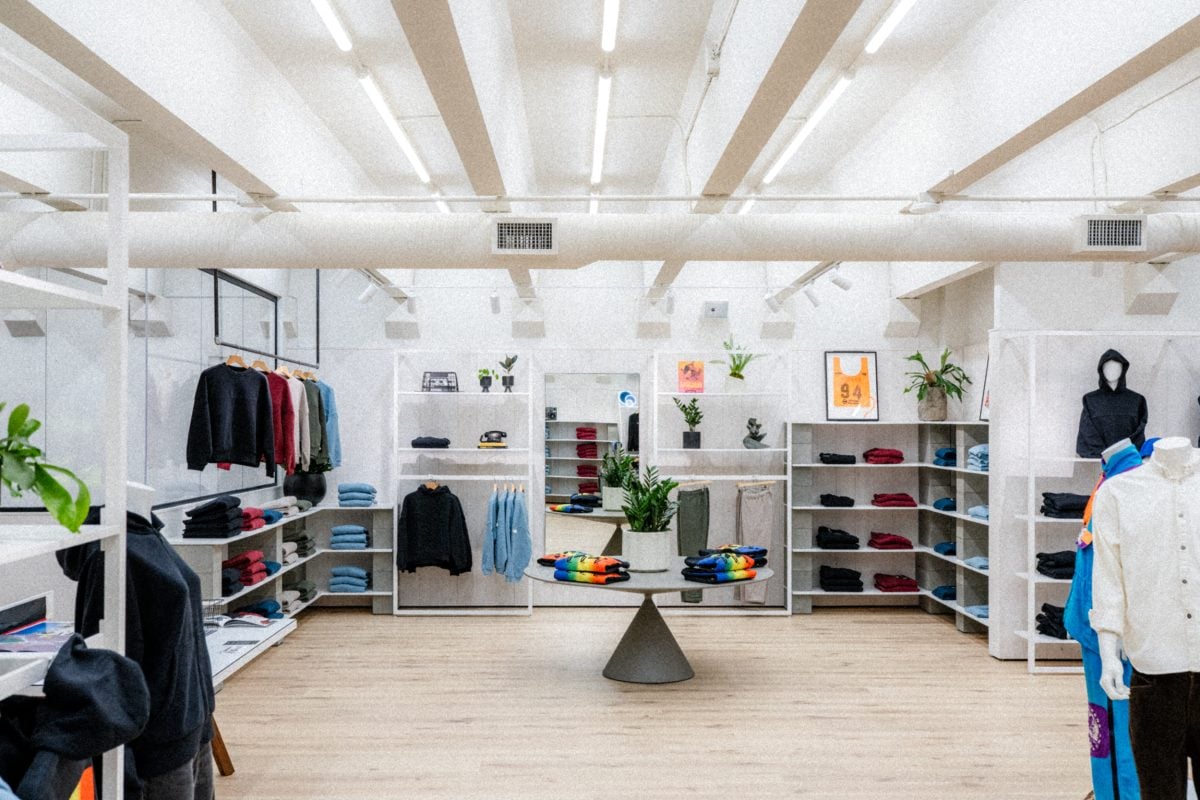
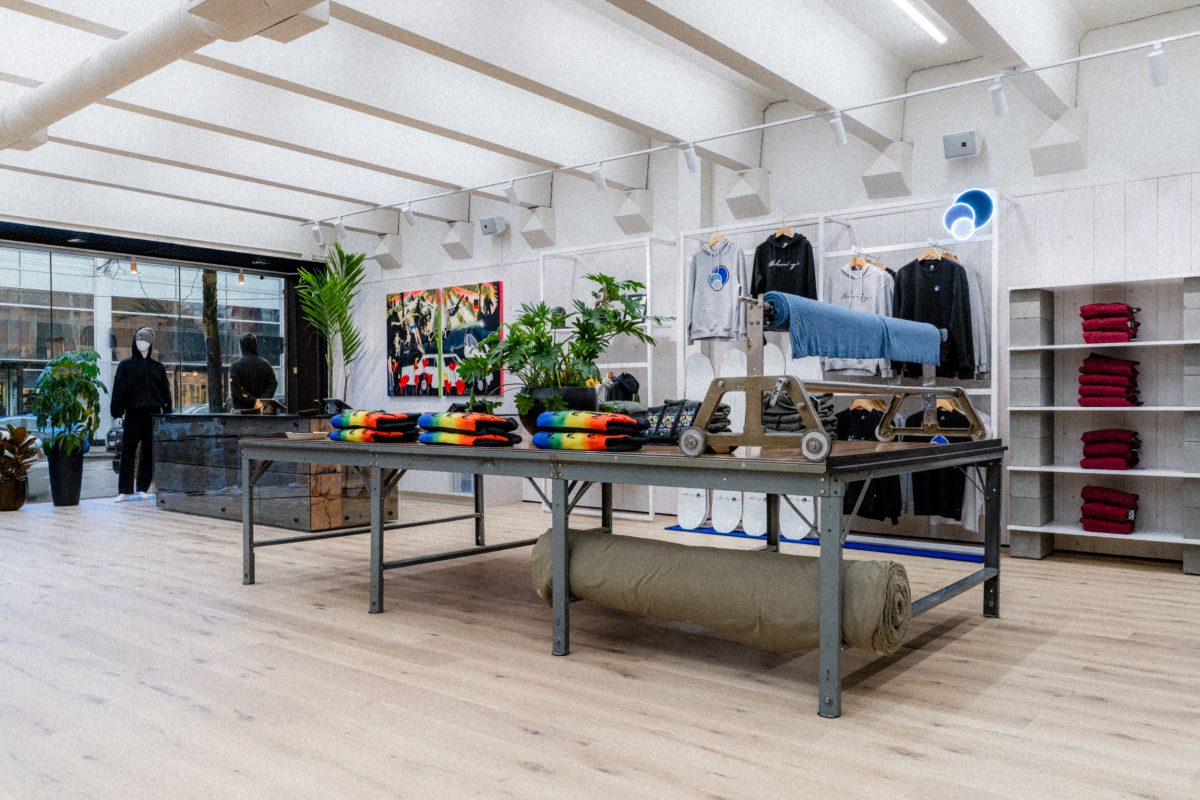
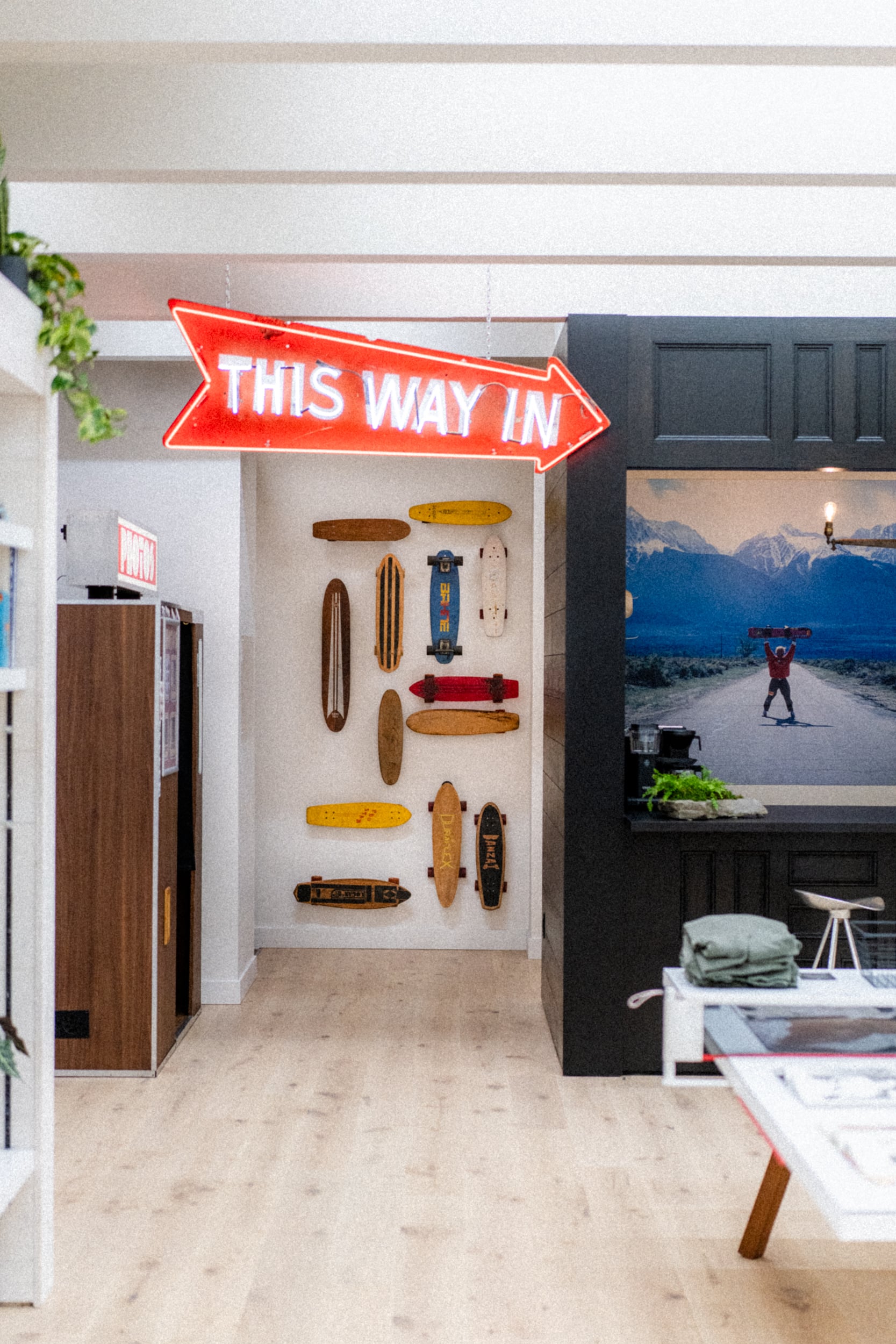
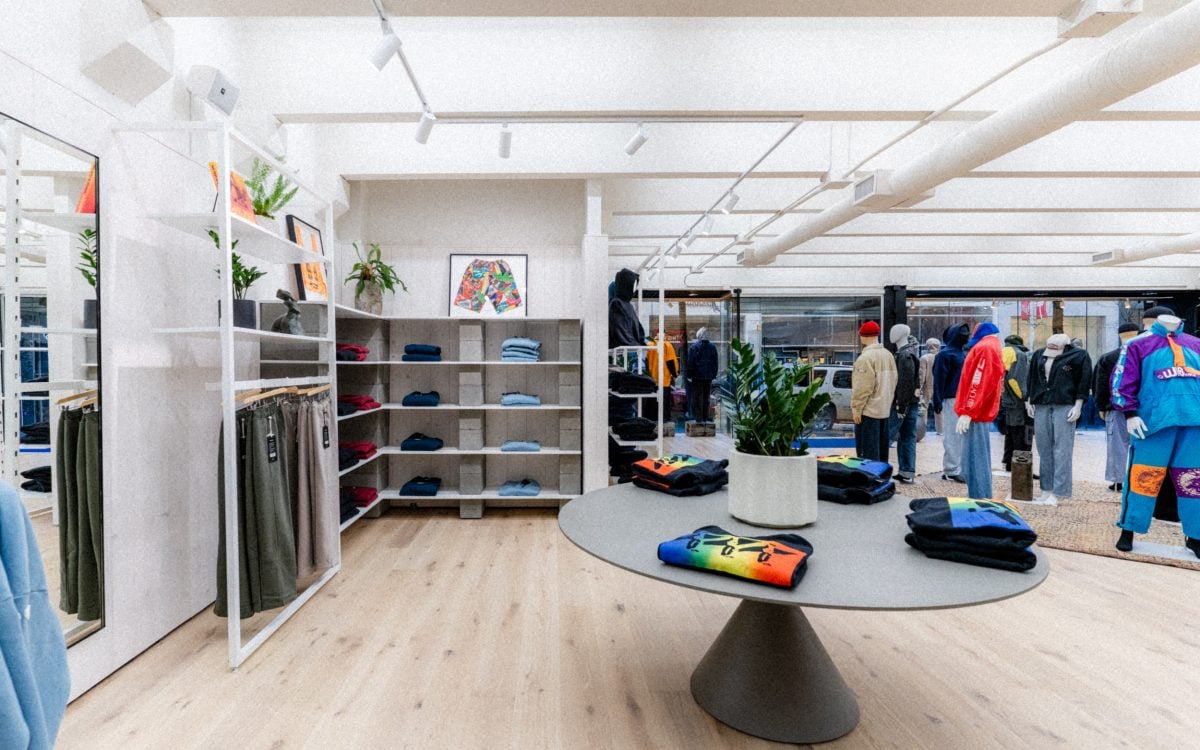
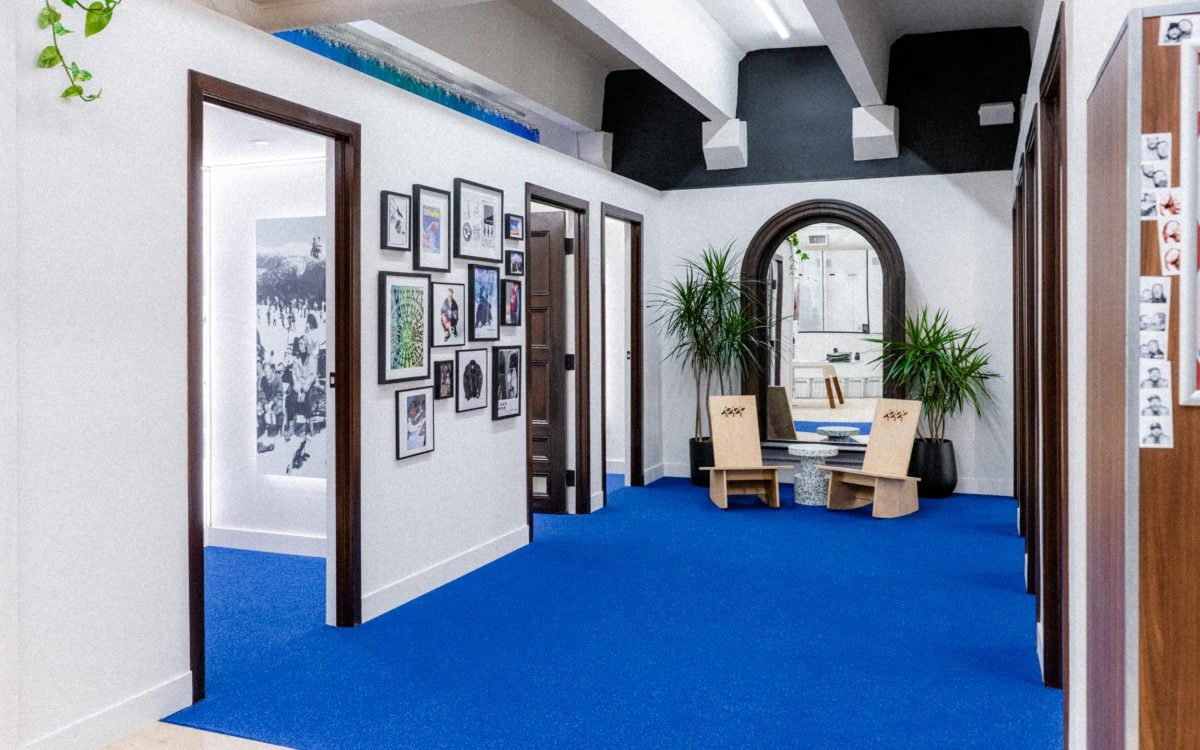
The new flagship spans approximately 3,600 square feet and was designed less as a traditional apparel store and more as a modern interpretation of what Westbeach once represented. The space blends retail, heritage display, and community gathering into a single environment that feels intentionally unfinished in the best possible way.
“When people talk about the original Westbeach, a huge part of what made it special was the store itself,” Parker said. “It was a community hub. People would hang out, learn about new products, and skate. We really wanted to recreate that.”
A Store Designed for Community, Not Just Commerce
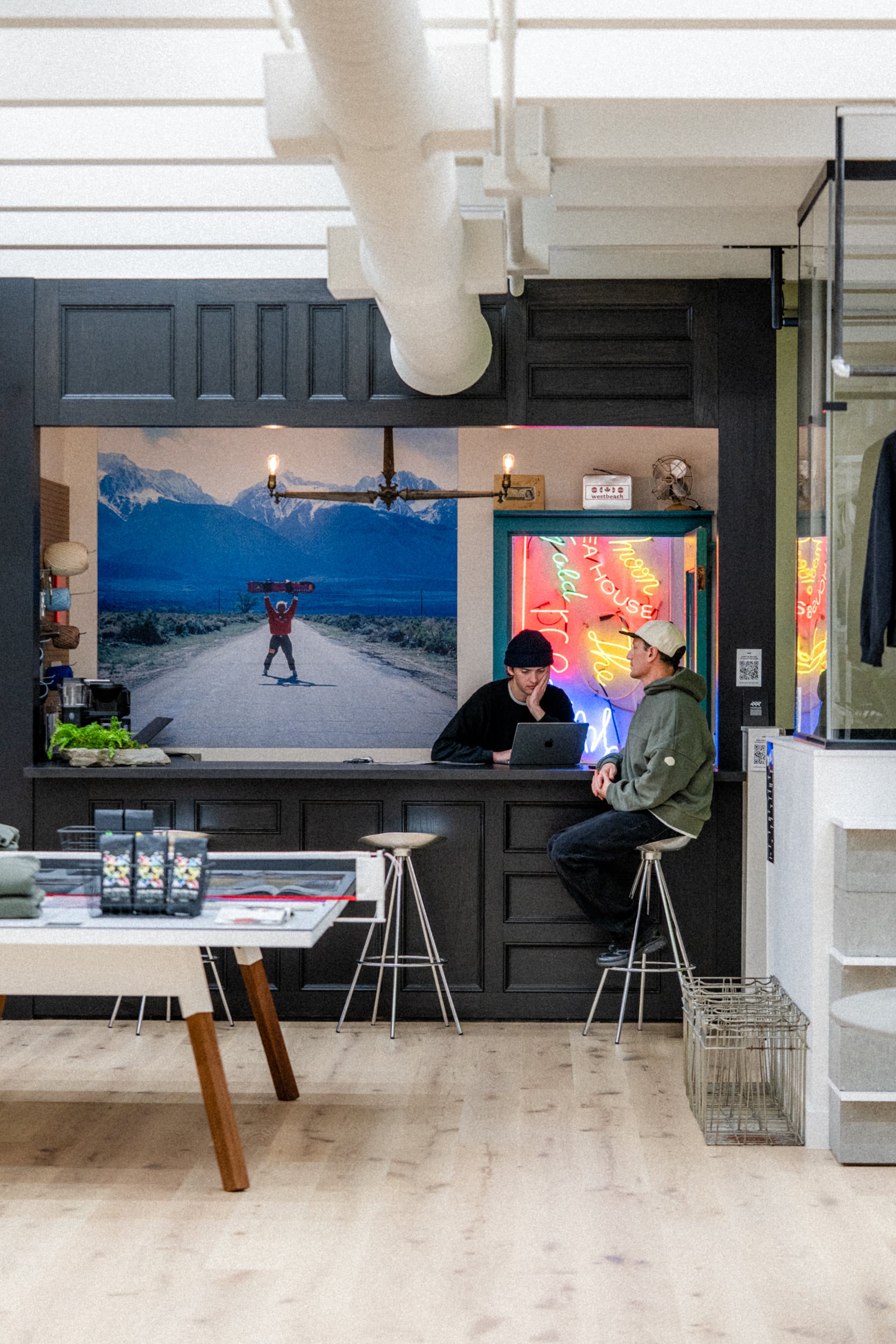
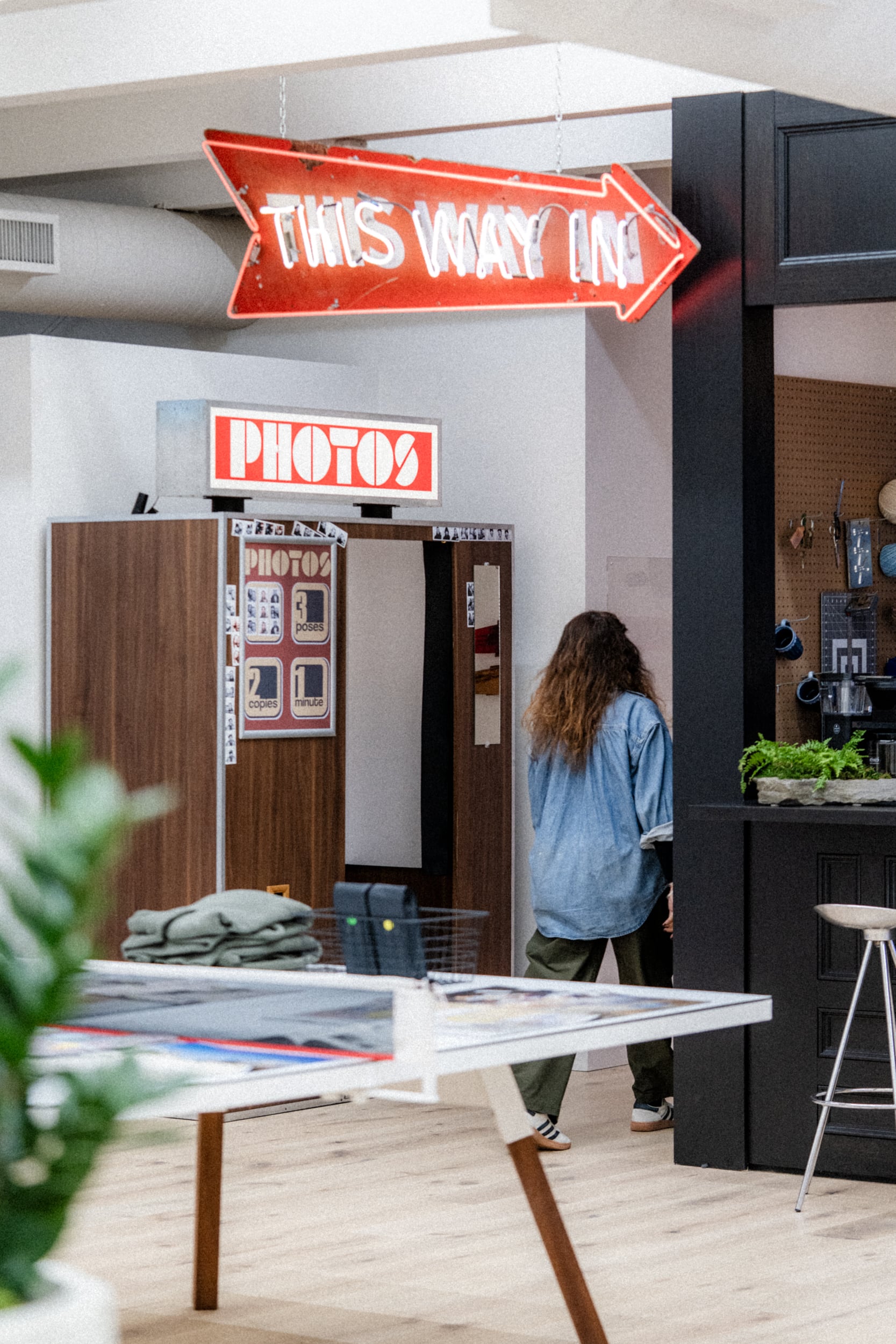
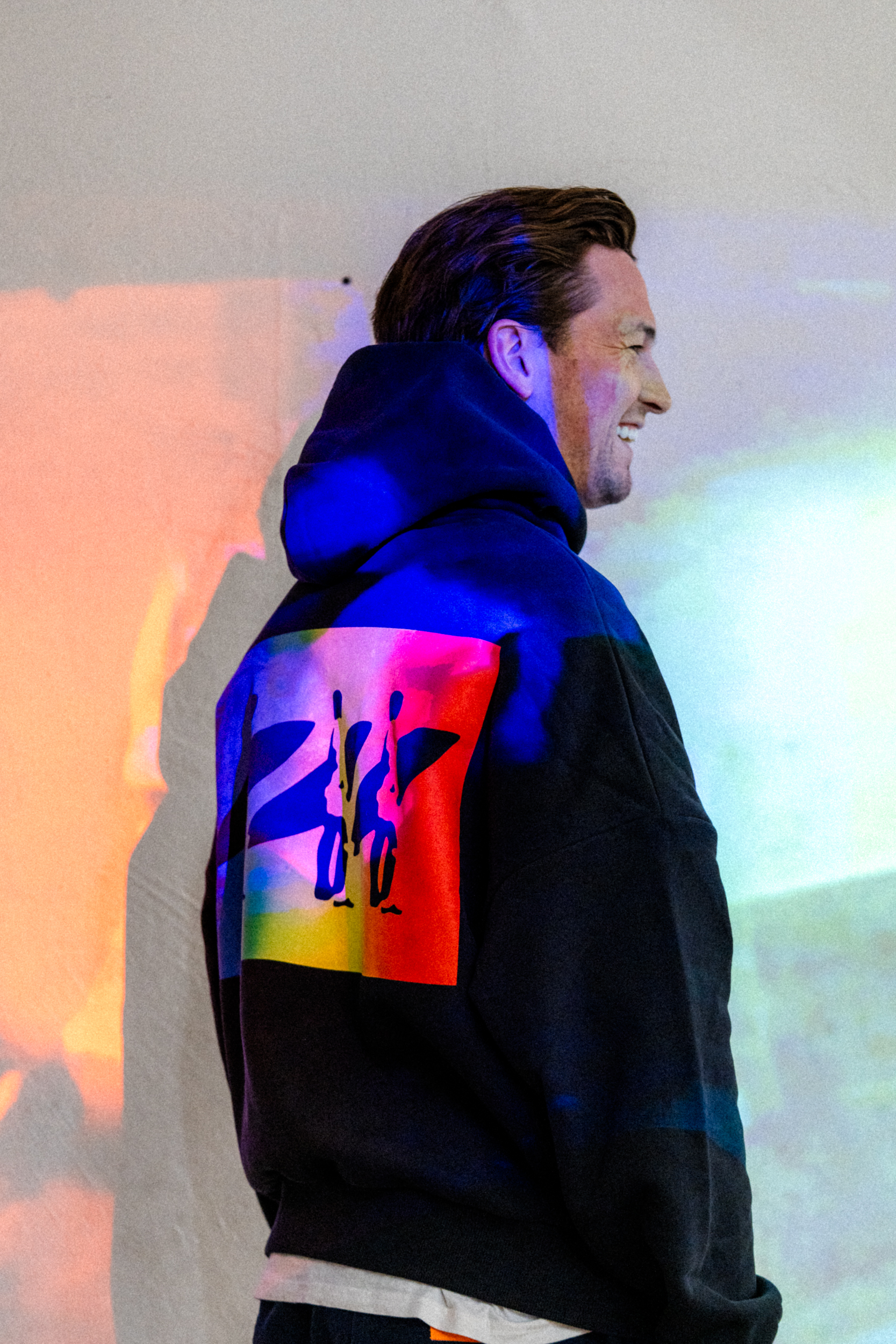
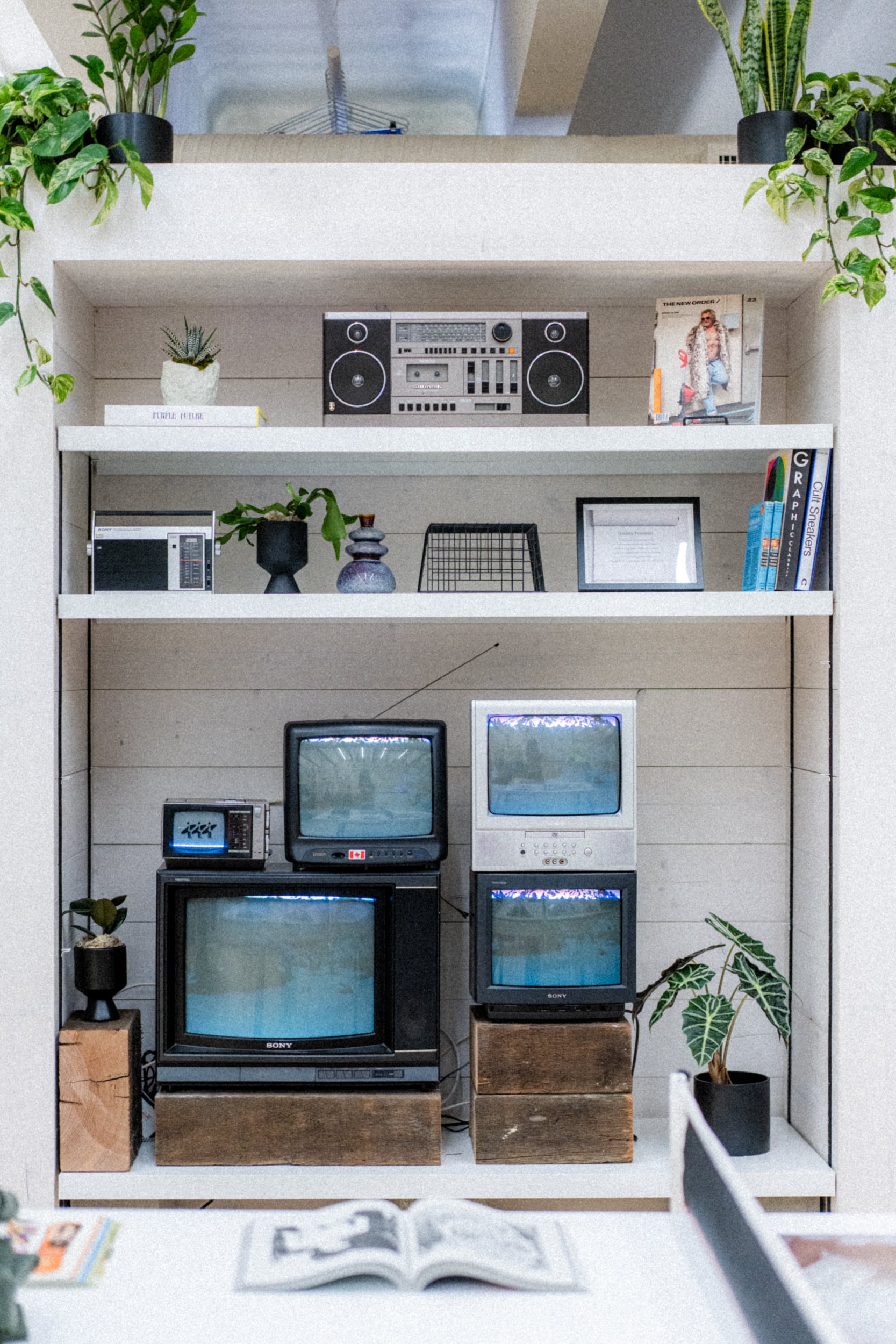
Walking into the new Westbeach store feels closer to entering a surf shack or clubhouse than a conventional apparel shop. Heritage photography lines the walls, chronicling the brand’s early days and its evolution through surf, skate, and snowboard culture. Vintage Westbeach pieces are displayed alongside new product, reinforcing continuity rather than reinvention.
One of the most distinctive features of the store is a skateboard mini ramp installed in the back corner. While the original Westbeach location featured a much larger pipe, the modern version is intentionally more accessible.
“The original Westbeach had a six-foot pipe,” Parker said. “Ours is a two-and-a-half-foot mini ramp. It is more forgiving and more approachable. People from as young as 12 up to much older come in and skate.”
Customers can use the ramp by scanning a QR code and signing a digital waiver, a process that required extensive coordination with insurers and the landlord. The sound of skateboards rolling through the space has become a calling card for the store, drawing in passersby who hear it from the sidewalk.
“It has been a really cool part of the store,” Parker said. “You hear the skating, and people walking by get curious and come in.”
Adding to the sense of hospitality is a small coffee bar near the front of the store. For now, it serves complimentary coffee, reinforcing the idea that the space is meant for lingering, not just transacting. Over time, the team plans to introduce services such as free hemming, further blurring the line between retail and community space.
Launch Night and Immediate Response
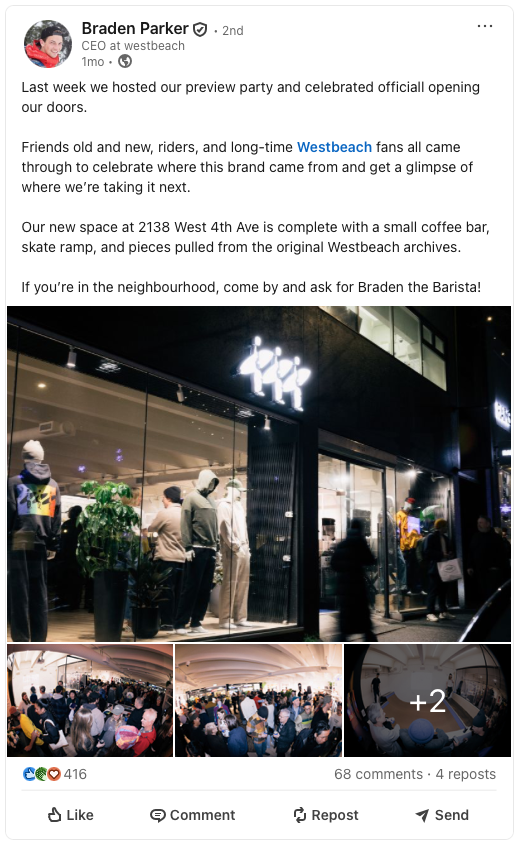
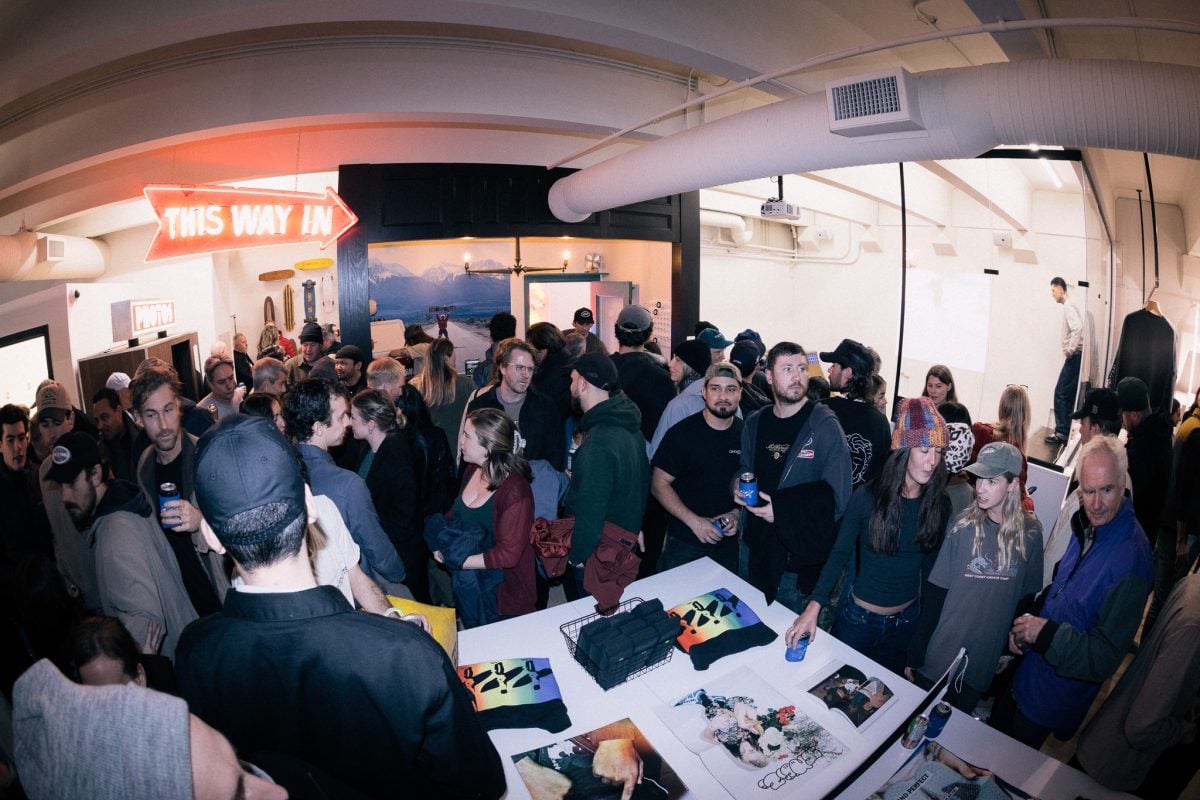
The store officially opened with a launch party that quickly became a litmus test for the brand’s relevance. According to Parker, roughly 300 people passed through the space that night, packing the store shoulder to shoulder.
“It was wild,” he said. “People were skating, hanging out, and reconnecting with the brand. It felt like something real.”
That response has continued in the weeks since opening, with daily foot traffic driven as much by curiosity and nostalgia as by purchasing intent. In a retail environment increasingly dominated by efficiency and conversion metrics, Westbeach’s early success has been measured in conversations, return visits, and time spent in the store.
A Deliberate Physical Retail-First Strategy
Notably absent at launch was a fully functioning e-commerce site. While the Westbeach website exists, online shopping has been intentionally delayed, a decision driven partly by necessity and partly by philosophy.
“We are a really small team,” Parker said. “There are six of us full time. We wanted to learn in real life how people interact with the product and the brand before going all in online.”
Parker described the decision as an “accidental benefit” that has encouraged discovery through physical retail rather than digital convenience. Customers interested in the brand must visit the store, engage with staff, and experience the space firsthand.
“Everyone goes e-commerce first,” he said. “We are going physical retail first. That has created interesting conversations and real connections.”
The e-commerce site is expected to launch within weeks, but Parker emphasized that digital will support, not replace, the physical experience.
Building the Product Line Slowly and Intentionally
At opening, Westbeach’s product assortment is intentionally narrow. The initial offering consists primarily of hoodies, T-shirts, and cotton fleece pieces, with additional graphic tees arriving shortly. Seasonal expansion is already planned, but the brand is resisting the temptation to accelerate too quickly.
“By spring and summer, we will add French terry, shorts, and more warm-weather items,” Parker said. “By winter, the store will be full, including outerwear. The goal is to have a full collection by the following year.”
The measured rollout reflects a core philosophy inherited from the brand’s early years. Parker has spent significant time sourcing original Westbeach garments from the 1980s and 1990s, often through resale platforms, to study their construction and durability.
“I spend half my time in meetings and half my time on eBay,” he said, laughing. “Some of these original pieces still look incredible decades later. We are reverse-engineering what they did back then because the quality holds up.”
Every new product is pre-shrunk, machine washable, and designed to withstand years of wear. The focus is on longevity rather than trend cycles, an approach that aligns closely with Parker’s previous work at Casca Footwear.
Lessons From Casca and Technical Apparel
Before joining Westbeach, Parker built Casca Footwear into a recognized direct-to-consumer brand focused on durable, multi-purpose sneakers. Casca positioned itself against fast fashion by designing shoes meant to last three to five years, using technical materials more commonly found in running and hiking footwear.
That mindset carries directly into Westbeach’s relaunch.
“The main thing is making sure everything we build lasts,” Parker said. “We want these pieces to still be wearable decades from now, just like the old Westbeach product.”
Parker’s background in real estate investment has also influenced how he approaches store development. Rather than chasing maximum density or aggressive rollout schedules, the plan is to grow as product depth and operational confidence allow.
Canada-First Expansion Plans
While Vancouver is the starting point, the vision for Westbeach extends well beyond the West Coast. The brand’s second phase includes opening additional stores across Canada, with Calgary, Toronto, and Whistler identified as priority markets.
“The plan is definitely to expand, focusing on Canada,” Parker said. “We want to recreate these community hubs in each city. It is more than just retail space.”
Calgary carries personal significance for Parker, who grew up in Cochrane, Alberta, while Toronto represents both a major retail market and a historical touchpoint for the brand. Westbeach previously operated stores in Ontario during its earlier expansion, though exact locations remain buried in archival records.
Wholesale distribution, by contrast, will remain limited.
“We will probably focus on our own stores and e-commerce,” Parker said. “Maybe we do some strategic wholesale, but we are not looking to be in every surf, skate, or snow shop.”
Vancouver’s Role as an Apparel Powerhouse
The decision to anchor the brand in Vancouver also reflects the city’s growing influence in Canadian apparel and lifestyle retail. While Toronto and Montreal have traditionally dominated fashion narratives, Vancouver has quietly emerged as a hub for technical apparel and direct-to-consumer brands.
“There is so much talent here,” Parker said. “You have Lululemon, Aritzia, Herschel, and so many others. The ecosystem is strong.”
Parker believes the Pacific Northwest’s climate plays a role, forcing brands to prioritize performance and durability. The region’s outdoor lifestyle creates a demanding consumer who expects apparel to function across environments.
A Founder’s Return Without the Spotlight
Although Chip Wilson’s involvement is foundational, the relaunch has been notably understated. Wilson is not positioned as a public-facing figure in day-to-day operations, instead supporting the brand strategically while allowing Parker and the team to define its modern identity.
The dynamic mirrors Wilson’s original Westbeach journey, which laid the groundwork for his later success with Lululemon through early experiments in vertical retailing and technical apparel.
For now, the focus remains squarely on refining the Vancouver flagship, completing the initial product lineup, and preparing for a carefully timed digital launch. Expansion will follow, but only once the brand feels fully grounded in its values.
“We will definitely do more stores in the next couple of years,” Parker said. “But we want to grow it in as we need to, and make sure we are proud of every step.”