Dollarama Inc. reported stronger-than-expected fourth quarter results, but a reset in forward earnings expectations tied to its Australian expansion sent shares lower, underscoring investor concern around near-term profitability despite a stable Canadian business.
The Montreal-based value retailer posted adjusted earnings per share of $1.43 for the fourth quarter, up 2.1 per cent year over year and ahead of analyst expectations. Revenue reached $2.1 billion, representing an increase of 11.7 per cent compared to the prior year period.
However, the earnings beat was overshadowed by updated guidance and a more cautious outlook for fiscal 2027, driven largely by the company’s ongoing transformation of its recently acquired Australian operations.
Australian Expansion Creates Near-Term Pressure
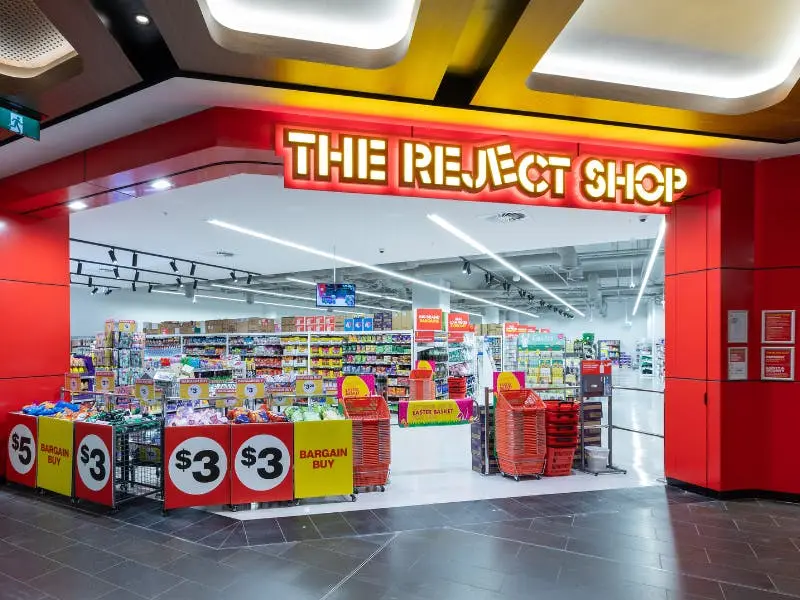
The central theme emerging from the report is Dollarama’s aggressive push into Australia, where it is undertaking a significant overhaul of The Reject Shop, the discount chain it acquired as part of its international growth strategy.
According to Stifel analyst Martin Landry, the company is “changing completely the product mix, the sourcing, the store layouts and branding,” reflecting a full-scale repositioning of the business.

The transformation will require substantial investment. Management plans to allocate approximately $45 million in capital expenditures, alongside an additional $35 million to $45 million in operating costs to support the transition.
As a result, the Australian business is expected to reduce fiscal 2027 earnings per share by approximately $0.15 to $0.20, a larger impact than previously anticipated.
While this drag represents a relatively modest percentage of overall earnings, it has become a focal point for investors evaluating the company’s near-term performance.
Canadian Business Remains Resilient
In contrast, Dollarama’s Canadian operations continue to demonstrate stability, though with some emerging nuances in consumer behaviour.
Comparable store sales increased by 1.5 per cent in the fourth quarter, below analyst expectations. The company saw average transaction size rise by 3.1 per cent, while the number of transactions declined by 1.6 per cent.
This dynamic suggests that customers are spending more per visit but shopping less frequently, a pattern that aligns with broader trends in a high-inflation environment.
Weather conditions and calendar timing also played a role in dampening performance. Excluding these factors, comparable sales growth would have been closer to 3.5 per cent, pointing to underlying demand that remains relatively healthy.
Stifel notes that management’s outlook for fiscal 2027 comparable sales growth of 3 to 4 per cent may prove conservative, consistent with the company’s historical tendency to understate expectations early in the year.
Margin Pressure and Cost Headwinds
Beyond Australia, Dollarama is also facing broader cost pressures tied to global supply chain dynamics.
Management indicated that elevated crude oil prices, linked in part to geopolitical tensions in the Middle East, are expected to increase sourcing and transportation costs across the business.
While the company intends to pass some of these costs on to consumers, it will do so carefully to preserve its core value proposition, which remains central to its competitive positioning.
Gross margins in Canada declined modestly by 20 basis points to 46.6 per cent in the quarter, reflecting these pressures as well as calendar-related impacts.
Looking ahead, management expects some margin erosion in fiscal 2027, though operating efficiencies and disciplined cost control could help offset part of the impact.
Valuation and Market Reaction
Despite the solid quarterly performance, investors reacted negatively to the revised outlook, with shares declining following the earnings release.
Stifel has maintained a “Hold” rating on the stock and reduced its target price to $180 from $200, citing a combination of near-term earnings pressure and valuation considerations.
The firm notes that Dollarama is currently trading at approximately 29 times forward earnings, slightly above its historical average, suggesting limited upside in the near term.
At the same time, analysts acknowledge that the company’s scale, defensive characteristics, and international growth potential could justify a premium valuation over time.

Long-Term Strategy Comes Into Focus
The report highlights a key inflection point for Dollarama as it transitions from a predominantly Canadian operator to a more globally diversified retailer.
The Australian expansion represents a meaningful test of the company’s ability to replicate its successful merchandising and sourcing model in new markets. While execution risks remain, management’s willingness to invest in a comprehensive transformation signals confidence in the long-term opportunity.
In Canada, the business continues to benefit from strong brand awareness, a broad customer base across income segments, and a merchandising strategy that refreshes a significant portion of inventory annually to maintain relevance and margins.
A Balanced Outlook
Overall, the outlook for Dollarama reflects a balance between short-term challenges and long-term strategic positioning.
Near-term earnings are expected to face pressure from international investments and cost headwinds. At the same time, the core Canadian business remains stable, and the company’s expansion into new markets offers a potential avenue for future growth.
For investors and industry observers, the key question will be whether Dollarama can successfully execute its Australian transformation and translate its Canadian success into sustainable international performance.