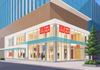
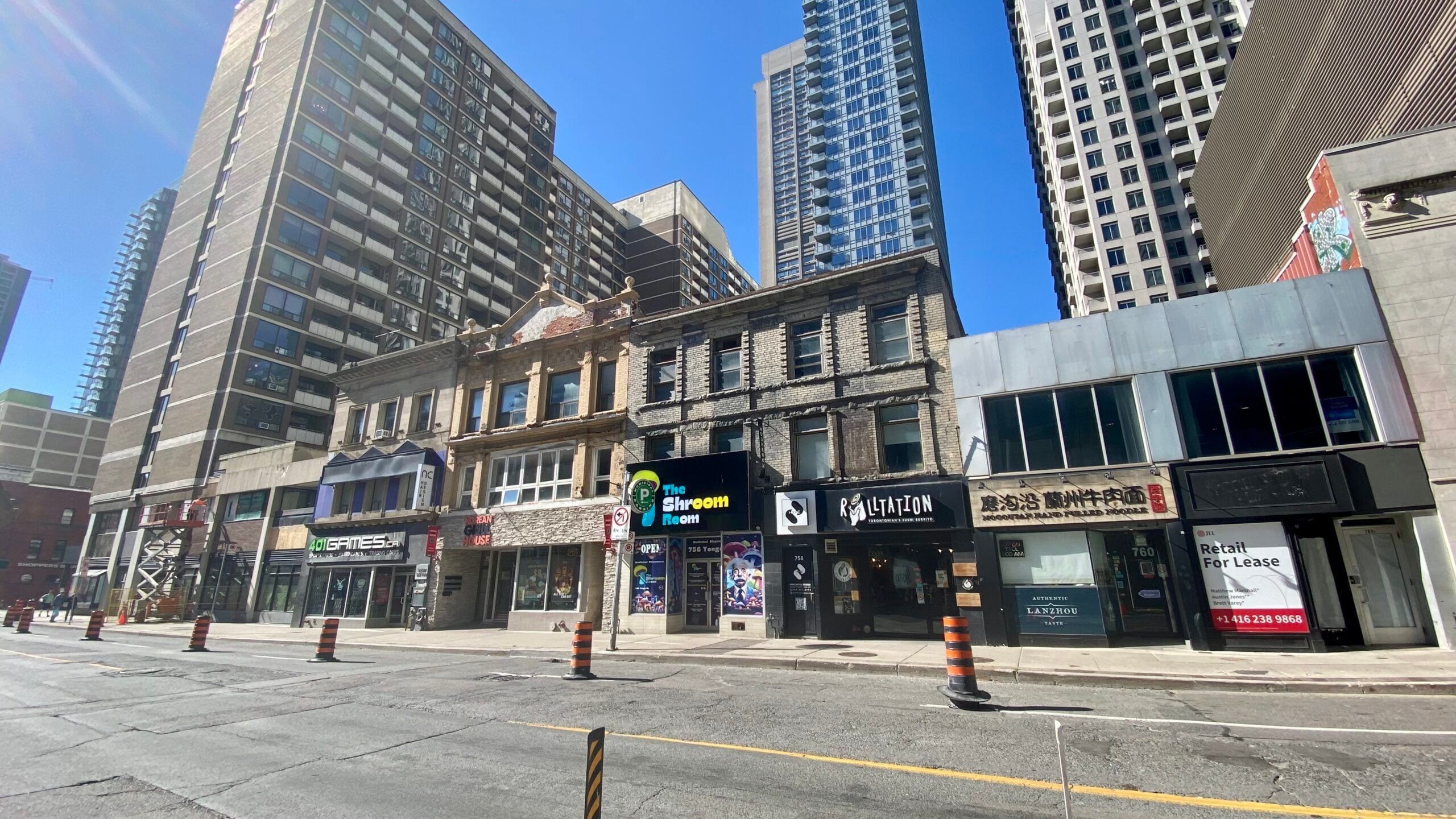
Japanese fast-casual dining concept Marugame Udon is expanding its Canadian footprint with the opening of its first Toronto restaurant. The new location at 494 Yonge Street is set to open on Saturday, March 21, introducing the brand’s signature Sanuki-style udon experience to Ontario for the first time.
The arrival of Marugame Udon Toronto follows the company’s initial Canadian debut in Vancouver in 2024 and subsequent expansion into Calgary, reflecting a measured rollout into key urban markets.
Downtown Location Anchors Ontario Market Entry
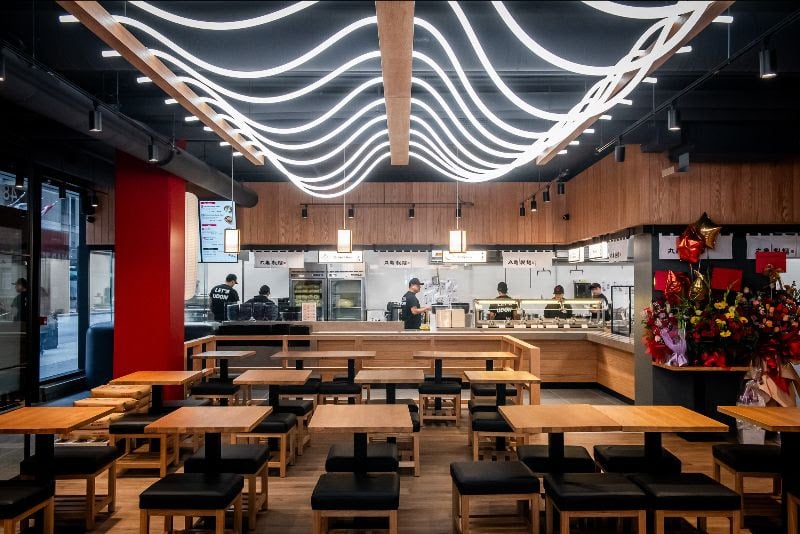
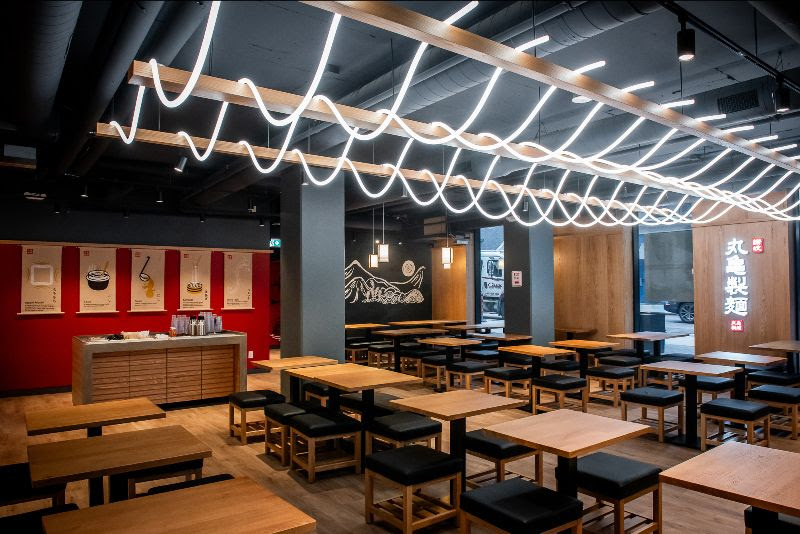
Situated in the heart of downtown Toronto, the 80-seat fast-casual restaurant has been designed to deliver an immersive dining experience centered on freshly made udon noodles. The Yonge Street location places the brand in a high-traffic corridor near transit, residential density, and educational institutions, aligning with its broader site selection strategy.
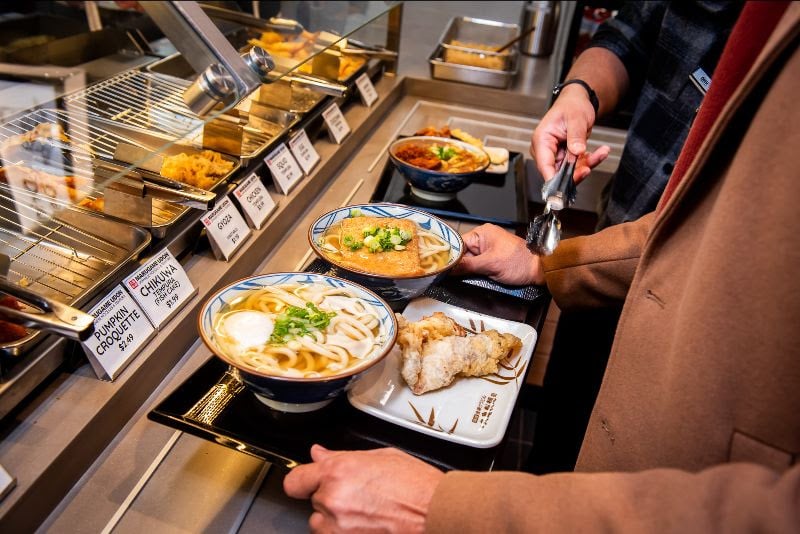
At the new Marugame Udon Toronto restaurant, guests will be able to observe the preparation of noodles in real time. The open-kitchen format showcases each stage of production, from kneading and cutting to cooking, using traditional Japanese techniques that have defined the brand globally.
This “theatre-style” approach to food preparation has become a core element of the concept, differentiating it from conventional quick-service or casual dining formats and reinforcing its focus on freshness and craftsmanship.
Menu Focused on Handmade Udon and Japanese Staples
The Toronto location will offer Marugame Udon’s core menu of handcrafted Sanuki-style udon bowls, known for their distinctive chewy texture and simple ingredient profile. In addition to its signature noodle dishes, the menu includes a selection of tempura options such as chicken, shrimp, and vegetables, along with rice bowls and other Japanese staples.
The brand’s emphasis on affordability and customization is expected to resonate with a broad customer base, including students, office workers, and downtown residents. The cafeteria-style service model allows guests to move through stations, selecting their preferred dishes and add-ons before completing their order.
Leadership Highlights Toronto’s Food Culture
“We are excited to bring Marugame Udon to Toronto, a city with a truly vibrant and diverse food culture that will celebrate delicious handmade Japanese cuisine that is made fresh and that’s affordable,” said Shawn Du, President and Master Franchisee, Marugame Udon Canada. “Everyone is invited to come by our new Yonge Street location to discover the care that goes into every bowl. Toronto’s newest noodle hotspot is here!”
To mark the grand opening, the company will host a promotional giveaway, offering four $250 gift cards to customers who visit the location and enter for a chance to win. Winners will be announced on April 30.
Canadian Expansion Builds Momentum
The launch of Marugame Udon Toronto represents the brand’s third Canadian location and underscores its ongoing commitment to national growth. The company first entered the Canadian market with a Vancouver location at 589 Beatty Street in February 2024, which quickly achieved strong performance and ranked among the brand’s top global locations in its early weeks.
Expansion continued with a location at CrossIron Mills in the Calgary area, further extending its presence into Western Canada. The move into Toronto signals a strategic shift toward Eastern Canada and introduces the concept to one of the country’s most competitive and diverse restaurant markets.
Additional Canadian growth is already in development, including another Metro Vancouver location at CF Richmond Centre, which is expected to open in 2026.
Global Brand Brings Proven Model to Canada
Founded in Japan in 2000, Marugame Udon has grown into the world’s largest Sanuki-style udon chain, with more than 1,000 locations worldwide. The brand’s global success has been built on a combination of operational consistency, authentic product execution, and a scalable fast-casual format.
Its Canadian expansion reflects a broader strategy of targeting high-density urban centres with strong pedestrian traffic and a growing appetite for international dining concepts.