Downtown Vancouver retail trends point to a market that has stabilized after several years of disruption, though a full recovery remains out of reach. New data from the 2026 State of Downtown report suggests that while visitation has levelled off and key retail corridors are holding steady, growth has yet to return in a meaningful way.
The result is a downtown retail environment that is no longer declining, but not yet advancing. For retailers, landlords, and investors, that distinction matters.
After several years of recovery following the pandemic, downtown Vancouver has entered a new phase defined by stability. Total visitation held essentially flat in 2025, rising just 0.4 per cent year-over-year, while the number of unique visitors remained largely unchanged.
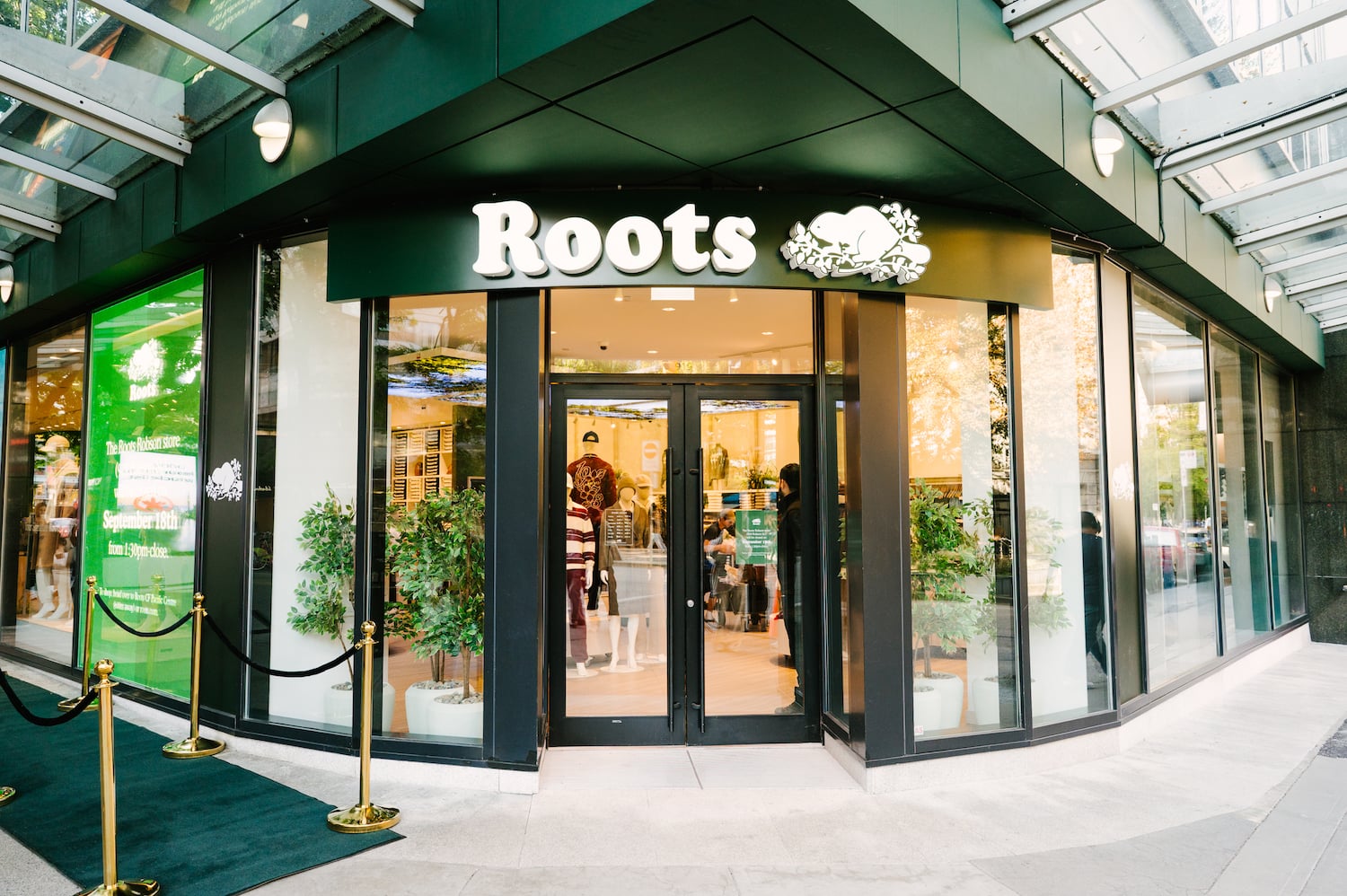
This plateau is reflected across retail corridors. Streets such as Granville remained stable, while others including West Hastings experienced declines tied to softer office-related traffic. Robson Street saw only modest easing, and Alberni Street, long associated with luxury retail, showed signs of adjustment as that segment recalibrates.
The divergence suggests that retail performance is becoming increasingly dependent on location, tenant mix, and the type of consumer each corridor attracts. Areas anchored by everyday, needs-based retail appear to be holding up better than those reliant on office workers or discretionary luxury spending.
Local Consumers Take on a Larger Role
One of the most notable shifts in Downtown Vancouver retail trends is the growing importance of local consumers. Vancouver residents accounted for 30 per cent of unique visitors and nearly 46 per cent of total visits in 2025, both increases from the previous year .
At the same time, out-of-province visitation declined, reflecting reduced travel activity and broader economic uncertainty. The data suggests that downtown Vancouver is becoming more reliant on nearby populations rather than tourism-driven demand.
For retailers, this shift has significant implications. Businesses that once depended on international visitors or office workers may need to reposition toward repeat local customers, with a stronger focus on value, convenience, and everyday relevance.
Two Distinct Customer Mindsets Are Emerging
Beyond the numbers, the report introduces a compelling framework for understanding downtown behaviour. Increasingly, Vancouver is operating as two distinct downtowns, shaped by different consumer mindsets depending on the day and time.
Weekday visitors tend to prioritize predictability, value, and efficiency. Many are motivated by financial concerns and a desire for straightforward, navigable experiences. In contrast, weekend visitors are more likely to seek novelty, social interaction, and entertainment, showing a greater openness to new and experiential retail concepts .
This split presents both a challenge and an opportunity for retailers. A single store may need to serve fundamentally different customer expectations within the same week. Concepts that can flex between convenience-driven daytime offerings and more experiential or social evening experiences may be better positioned to succeed.
Retail Strategies Must Adapt to a More Complex Market
As Downtown Vancouver retail trends continue to evolve, success will likely depend on how well businesses respond to these shifting dynamics.
Retailers may need to reconsider merchandising, pricing, and store formats to align with a more local and value-conscious customer base during the week, while still delivering compelling experiences that draw weekend traffic. Programming, events, and activations will also play a growing role in driving visitation, particularly in a market where foot traffic has stabilized rather than expanded.
At the same time, physical design and environment are becoming increasingly important. The report highlights that perceptions of safety, clarity, and ease of navigation can influence whether consumers choose to visit downtown at all. For some, the decision is less about what is available and more about how the experience feels.
A Stable Foundation, With Growth Still to Be Proven
Downtown Vancouver retail trends suggest that the market has reached an inflection point. The volatility of the past several years has subsided, but a clear growth trajectory has yet to emerge.
Looking ahead, major events such as the FIFA World Cup 2026 are expected to bring increased visitation and global attention. However, whether that translates into sustained retail growth will depend on how effectively the downtown core can convert those visitors into repeat customers.
For now, the story is one of stabilization, not resurgence. Retailers that recognize this shift and adapt accordingly may find opportunity in a market that is no longer shrinking, but still searching for its next phase of growth.