Canadian restaurant operator Happy Belly Food Group is rapidly scaling its footprint across the country while preparing for its first entry into the United States, positioning itself as an emerging multi-brand platform in the competitive fast-casual dining sector.
The company is beginning to resemble a next-generation Canadian restaurant consolidator, following a franchise-led, multi-brand model similar to MTY Food Group, but at a much earlier stage of growth.
According to a recent report by Stifel Managing Director Martin Landry, Happy Belly is in the midst of an aggressive expansion phase marked by strong unit growth, improving financial performance, and a growing pipeline of franchised locations.
Rapid Store Growth Driving National Expansion
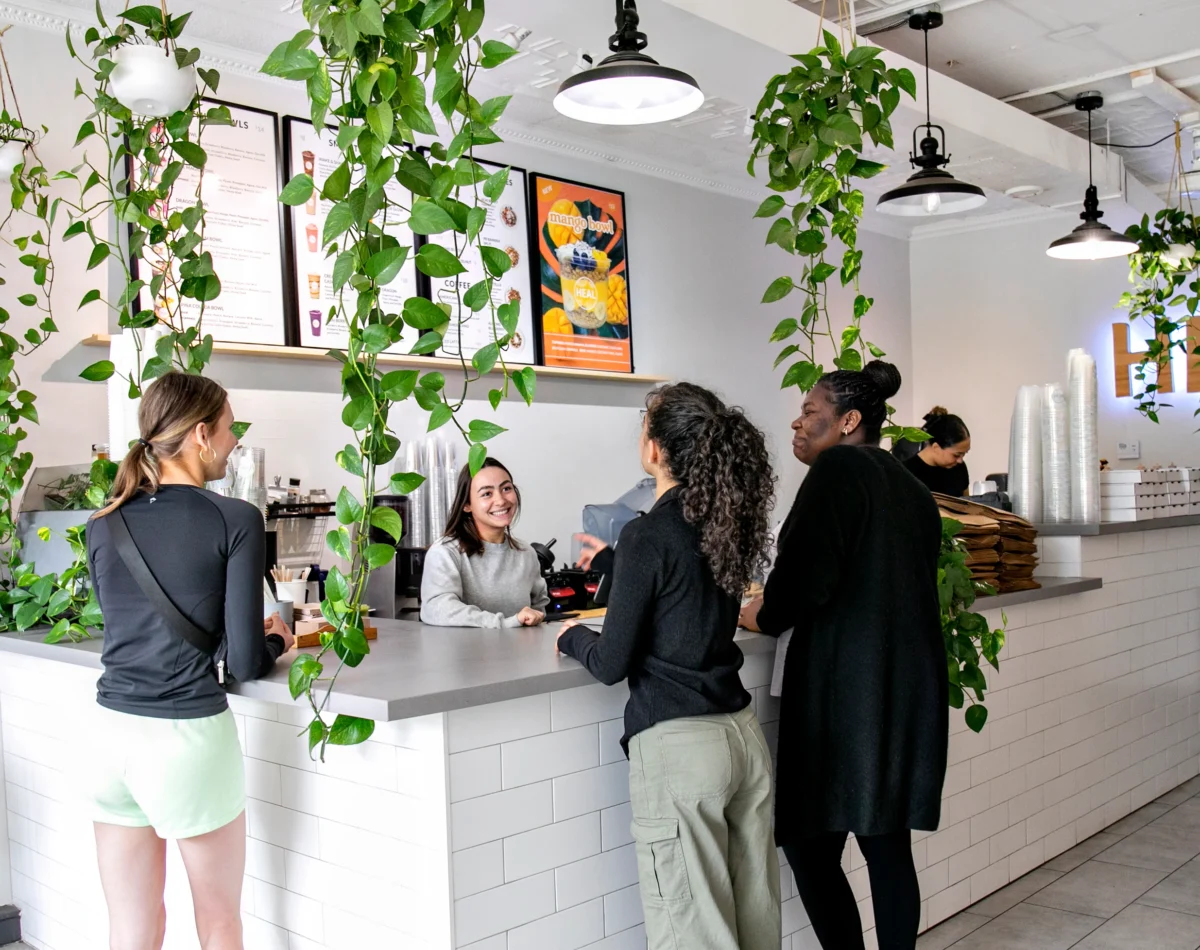
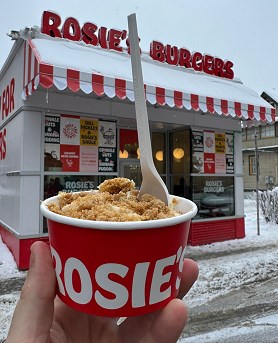
Happy Belly expansion accelerated significantly in early 2026, with the company opening 10 new locations in the first quarter alone. These included five Heal Wellness locations, four Rosie’s Burgers restaurants, and one Yolks breakfast concept.

The pace is expected to intensify. The company is on track to open between 35 and 50 new locations in 2026, representing approximately 50 percent year-over-year network growth. Seven additional locations were scheduled to open in April, marking a record monthly pace for the company.
This expansion also included entry into Quebec, an important milestone as the company builds a truly national presence.
Management indicated that several recent openings have performed exceptionally well, with a Heal Wellness location in Ottawa representing the most successful opening in that brand’s history. Rosie’s Burgers has also seen strong early traction, including a record-setting launch in Halifax.
Multi-Brand Strategy Gains Traction
Happy Belly operates a growing portfolio of restaurant concepts spanning different dayparts and consumer preferences, including smash burgers, açaí bowls, and all-day breakfast.
Key banners such as Heal Wellness, Rosie’s Burgers, and Yolks are showing early signs of consumer resonance, supported by a franchise-heavy model that allows for rapid scaling with relatively lower capital requirements.
The company now operates dozens of locations across Canada, with a substantial development pipeline that continues to build as franchise interest increases.
This diversified brand strategy is central to the company’s growth, allowing it to capture multiple segments of the fast-casual market while leveraging shared infrastructure and operational expertise.
U.S. Expansion Represents Next Phase of Growth
A major catalyst for Happy Belly expansion will be its planned entry into the United States, expected in the second quarter of 2026.
The company has signed a franchise agreement to open a Heal Wellness location in Lubbock, Texas, with a local franchisee committed to a 10-unit development agreement in the region. The same franchise partner is also expected to open a Rosie’s Burgers location in the market.
This move marks the beginning of the company’s international growth strategy and will serve as an important test of its concepts outside Canada.
At the same time, Happy Belly is expected to reach 100 total locations by mid-2026, another milestone that underscores the speed of its expansion.
Financial Performance Showing Signs of Inflection
While the company remains in growth mode, financial performance is beginning to reflect improved scale and operating leverage.
Stifel forecasts revenue increasing from approximately $22 million in 2025 to $38 million in 2026 and more than $55 million in 2027. EBITDA is expected to grow materially over the same period, rising from about $1.3 million in 2025 to over $14 million by 2027.
The firm also expects a significant year-over-year improvement in fourth-quarter 2025 results, driven by strong system-wide sales growth and expanding margins as the company benefits from increased scale.
This shift suggests that Happy Belly is transitioning from an early-stage growth story to a more established platform with improving profitability.
M&A Pipeline and Leadership Add Depth to Strategy
In addition to organic growth, Happy Belly is pursuing acquisitions as part of its broader expansion strategy.
Management has indicated an active pipeline of smaller M&A opportunities, with a focus on adding new cuisine categories such as Mexican, Asian, or pizza, or acquiring underperforming chains and converting them to existing company brands.
The company has also strengthened its leadership team with recent hires in finance and operations, including a senior executive with experience at Boston Pizza. These additions are expected to support the company’s rapid scaling efforts.
Risks Emerge as Growth Accelerates
Despite the strong momentum, the pace of Happy Belly expansion introduces a number of important risks that could shape the company’s trajectory.
One of the most immediate considerations is the company’s relatively modest cash position, which may limit flexibility as it continues to scale. Rapid expansion requires consistent capital, and while the franchise model reduces some of that burden, the margin for error remains relatively thin.
Execution risk is also a key factor. The company is growing at a pace that could see its location count nearly triple within a short period, placing pressure on operations, hiring, and infrastructure. Entering the United States adds another layer of complexity, requiring the company to adapt its model to a new and highly competitive market.
Competition within the fast-casual segment remains intense, with both established chains and independent operators competing on price, quality, and location. Larger competitors with deeper resources could increase promotional activity, potentially impacting market share and margins.
Whether Happy Belly can maintain execution at this pace while preserving brand quality and operational consistency will be a key question as the company continues to scale.
Looking ahead, Stifel sees meaningful upside potential if Happy Belly continues to execute on its strategy.
The firm’s longer-term outlook suggests the company could generate substantially higher earnings by the end of the decade, supported by continued unit expansion and improving margins.