Edo Japan is accelerating its expansion across Canada, building on a franchise model that continues to attract new franchise partners while driving sustained reinvestment from its existing network.
Founded in Calgary, the quick‑service restaurant brand specializing in Japanese‑style cuisine is nearing 220 locations nationwide, with approximately 70 per cent of franchisees committed to multi‑unit ownership.
That depth of reinvestment underscores growing confidence in the brand’s long‑term performance and scalability, as operators expand their portfolios over time rather than cycling out of the system.
Dave Minnett, President & CEO of Edo Japan, said the key for the company in its growth is that franchisees have developed confidence in the model over time.
“Franchisees choose to reinvest when they see a business that is stable, relevant and built to perform across different markets and cycles. That level of confidence is earned. It comes from consistently delivering strong unit economics, maintaining a clear and disciplined operating model and continuing to evolve the brand so it stays meaningful to guests,” he said.
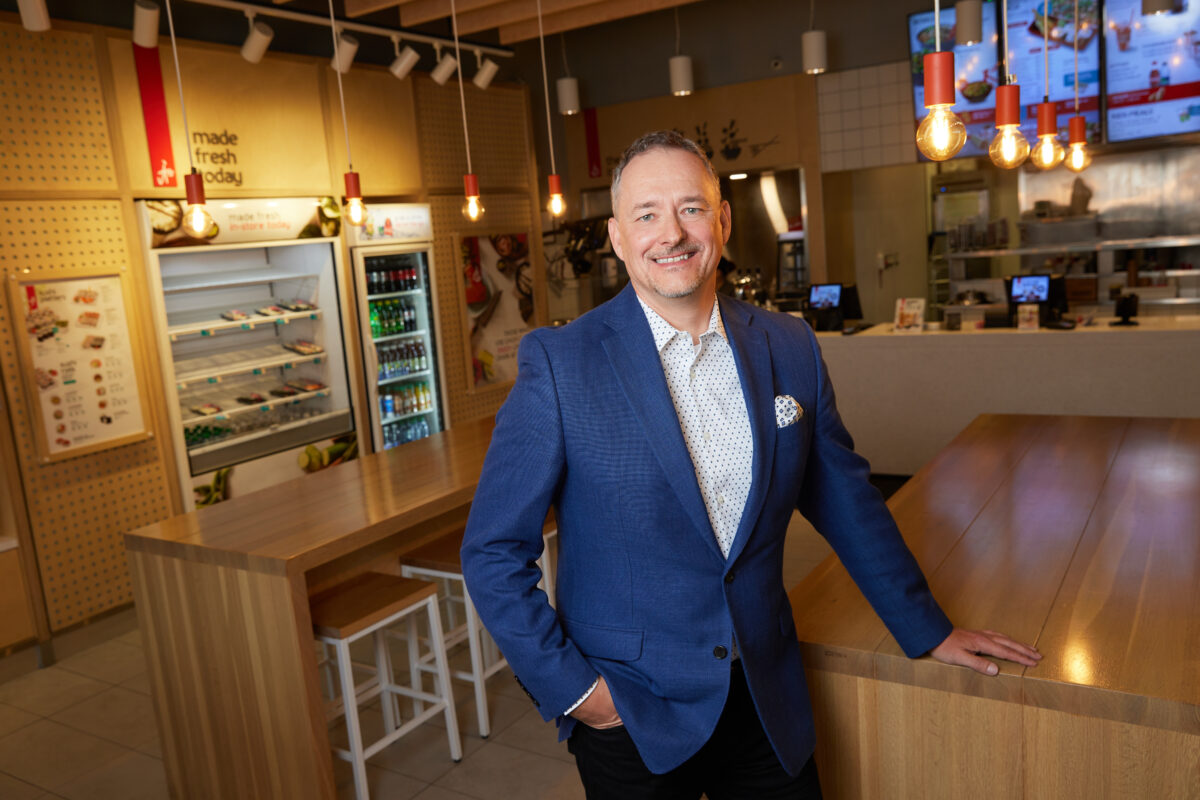
“We’ve been doing this for a long time, and that consistency matters. When an operator can look at their first location and see predictable performance, a clear path to growth and a brand that’s still gaining traction, expanding into additional locations becomes a very rational decision.”
Minnett said the brand has always approached the model with the belief that you have to get the first location right before anything else.
“If the fundamentals are strong at the unit level, growth tends to follow naturally. Many of our franchisees started with a single restaurant and expanded over time as they built confidence in the consistency of the model. From there, it’s about removing friction as they scale. We’ve built a framework that supports growth in a practical way, whether that’s around site selection, build-out, training or ongoing operations,” he said.
“Just as importantly, the relationship evolves. Early on, there’s a lot of focus on getting the day-to-day right. As operators grow, the conversations shift toward portfolio performance, team development and longer-term planning. The goal is to keep the business straightforward at the store level, while giving experienced operators the structure and access they need to grow in a disciplined way.”
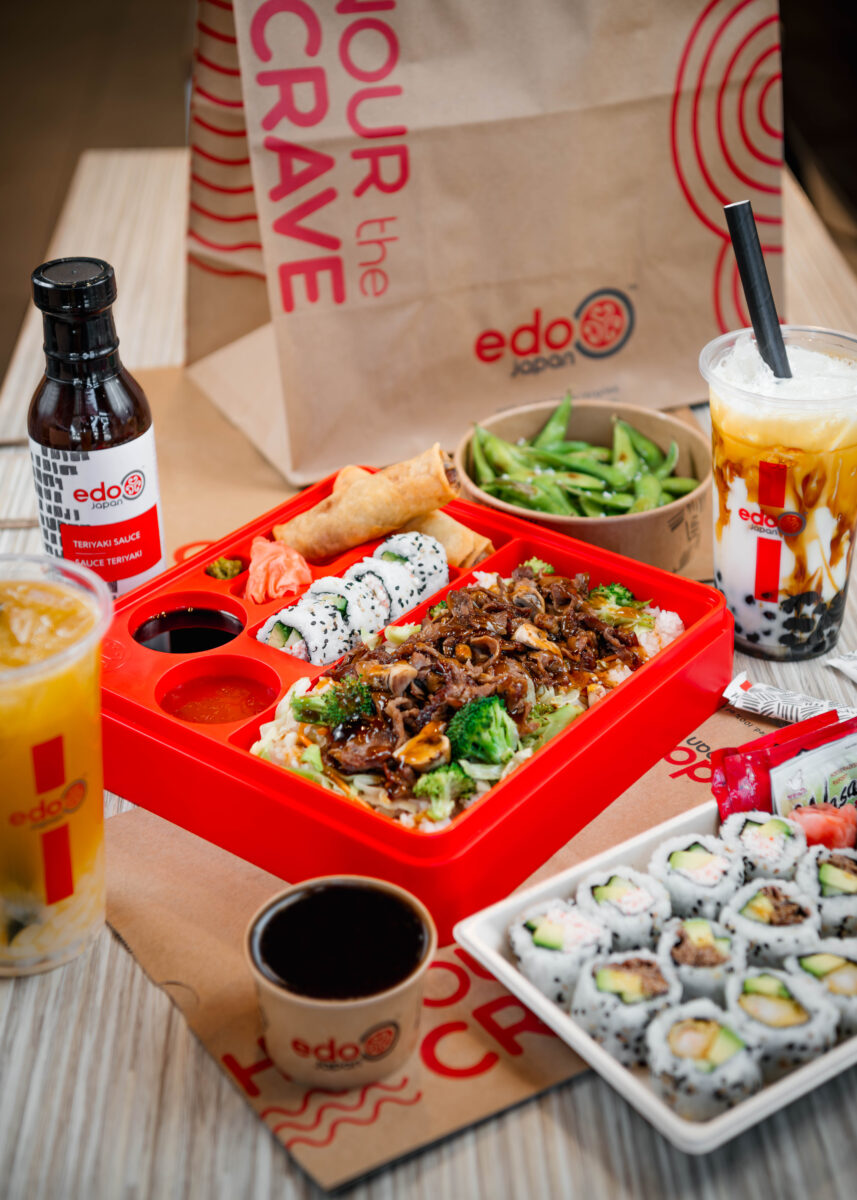
The brand has been around for 47 years, Minnett says that comes from staying focused on the fundamentals.
“The food has to be good, the brand has to mean something to guests and the business has to work for the people operating it. That’s been consistent from the beginning. At the same time, we’ve never stood still. We’ve continued to evolve where it matters, whether that’s the look and feel of the restaurants, the menu or how we connect with guests digitally,” he explained.
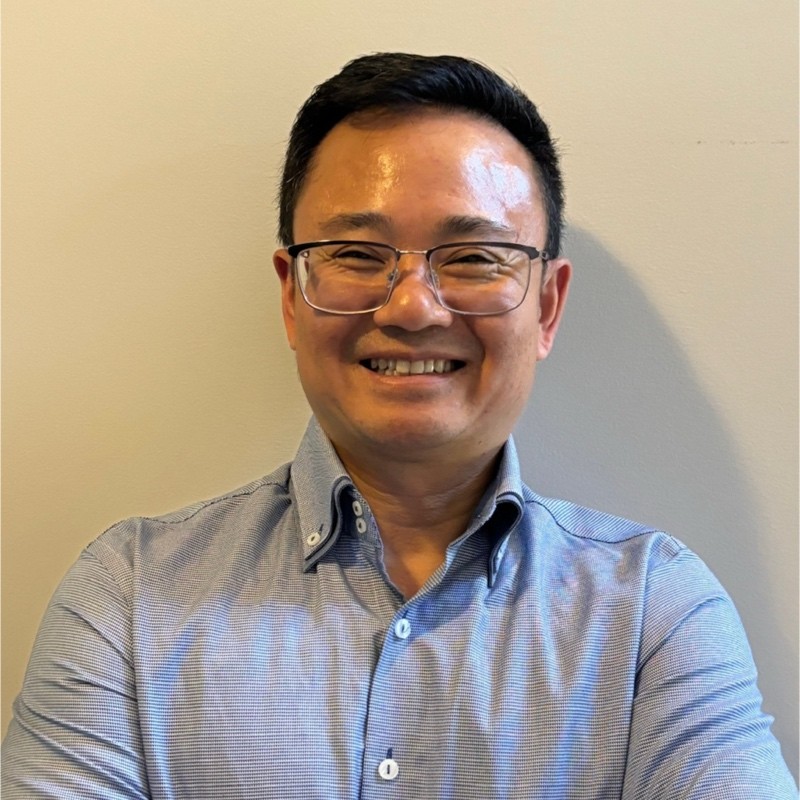
For multi-unit franchisee Ken Chow, in Alberta and Ontario, what first drew him to Edo Japan was how strong and recognizable the brand already was.
“People knew it, trusted it, and kept coming back, which gave me a lot of confidence right out of the gate. After opening my first location, I started to really understand the model and how it performs day to day. It’s a business where if you stay disciplined and execute well, you can see consistent results. That made the decision to grow feel a lot more like a smart next step than a big leap,” he said.
Like many franchisees, his first location was very hands-on. He learned the business inside and out, from operations to staffing to guest experience.
“As the restaurant became more established and I built a strong team, I realized the model was scalable. Each new location came with its own learning curve, but the foundation was always there. Over time, my role shifted from working in the business to working on the business, which is really what made multi-unit ownership possible,” added Chow.
“What made it easier to scale was how clear and repeatable the system is. There are solid processes in place, from training to operations, so you’re not starting from scratch with each new location. A big part of it also comes down to building strong leaders in each restaurant.

“Once you have the right people in place, it becomes much more manageable to grow. There’s support there when you need it, especially around openings or when something new comes up, but a lot of the confidence comes from knowing the model works and you can apply it consistently across locations.”
When asked what he would say to entrepreneurs considering a franchise opportunity but unsure about long-term growth potential, he replied: “I’d say look closely at the franchisees who’ve already been invested in the business for years and ask yourself why they’re still here.
“In Edo Japan’s case, the fact that so many operators continue to reinvest speaks volumes. Franchising is a long-term decision, and Edo Japan is a brand that continues to evolve while staying true to what made it successful in the first place. If you’re looking for a community you can grow with over time, that track record really matters.”
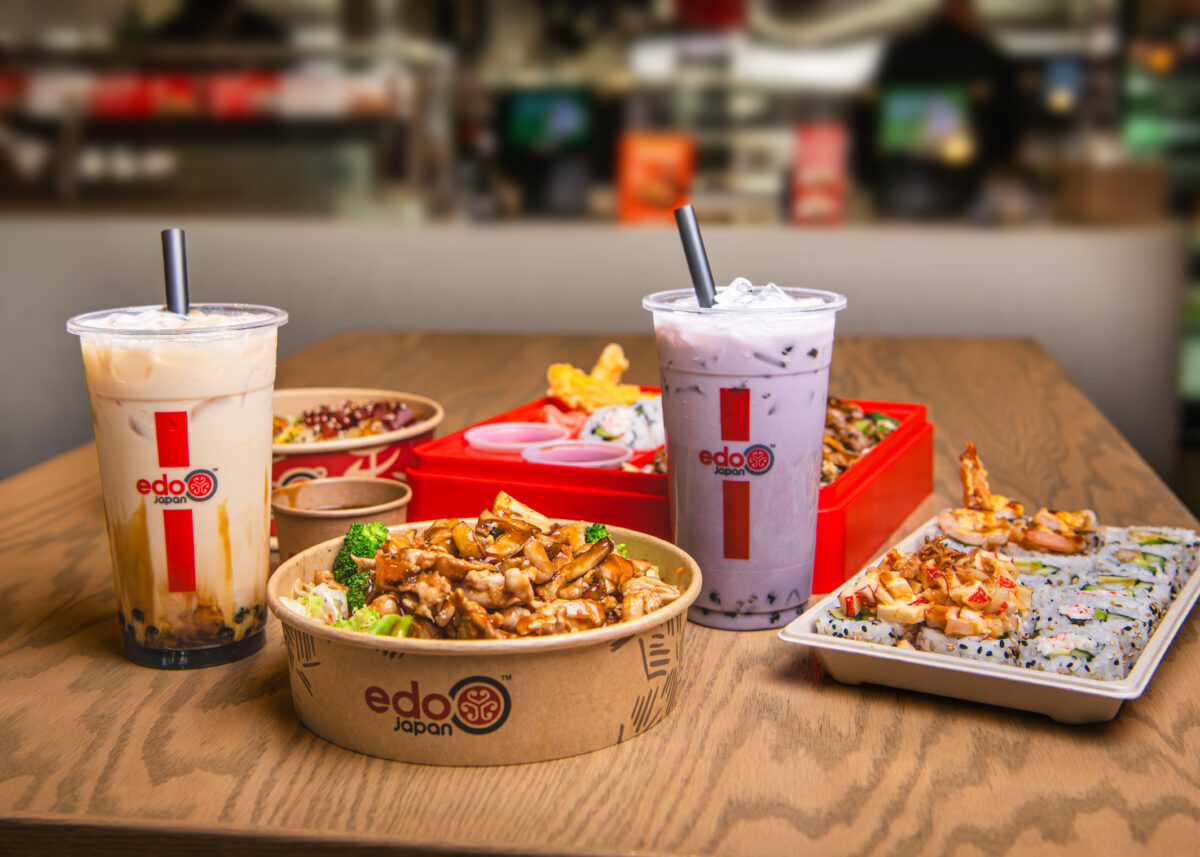
For more information on Edo Japan’s franchising model, visit: https://franchising.edojapan.com/
(This story was created in collaboration with Edo Japan)
More from Retail Insider: