

Editor’s Note: This article is part of a special Retail Insider thought leadership series exploring how luxury retail actually works, based on insights from luxury retail executive Douglas Mandel.
If product strategy is the foundation of luxury, retail execution is the proof.
Luxury retail does not succeed because a store is beautiful. It succeeds because the experience is repeatable, disciplined, and emotionally precise. Clients may walk in for a handbag, but they return because of how the space made them feel.
To understand how luxury retail actually works, we have to move beyond architecture and into systems.
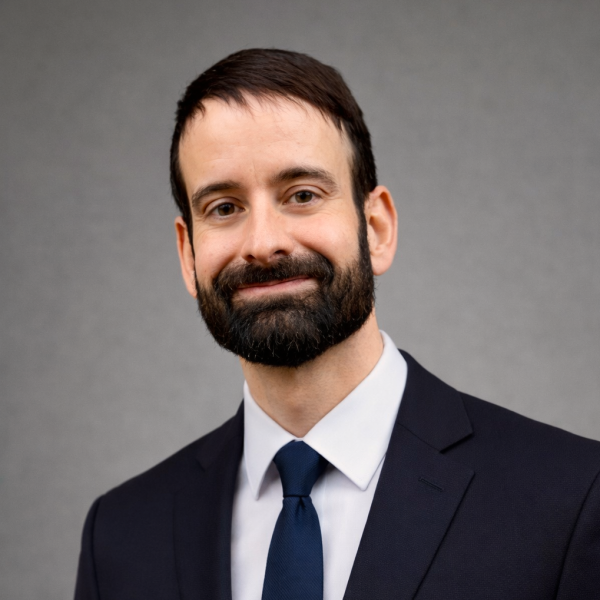
In an interview, Douglas Mandel, former VP of Dior who led Canada and a veteran global luxury executive, outlines the operational discipline behind luxury retail execution. His perspective reveals that behind every seemingly effortless boutique lies a structured playbook.
For Canadian brands scaling stores domestically or expanding internationally, this distinction matters. Luxury may feel intuitive. In reality, it is engineered.
When a Store Becomes a Story
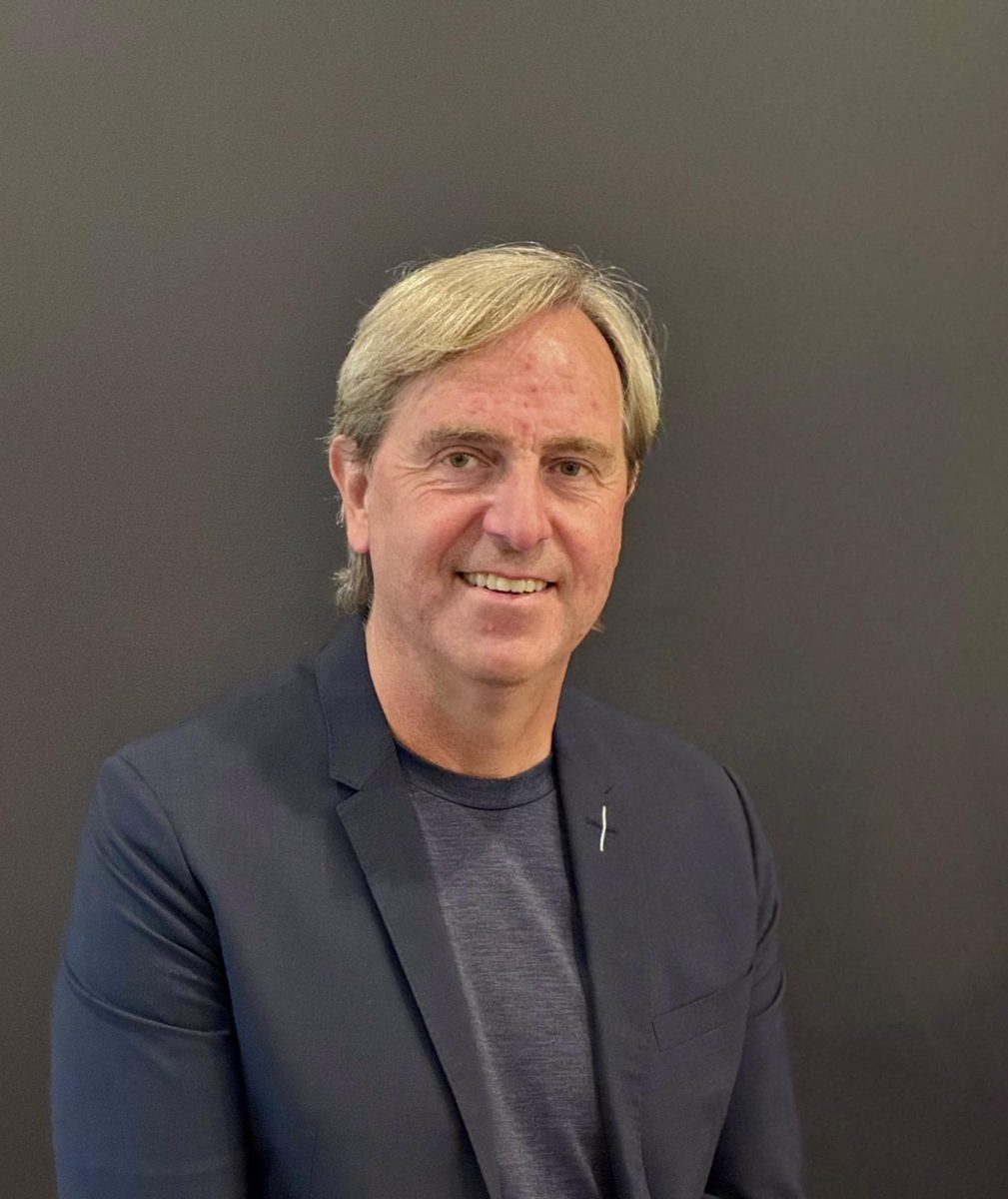
“There’s a moment, just before the doors open, when everything goes still,” Mandel says of flagship launches.
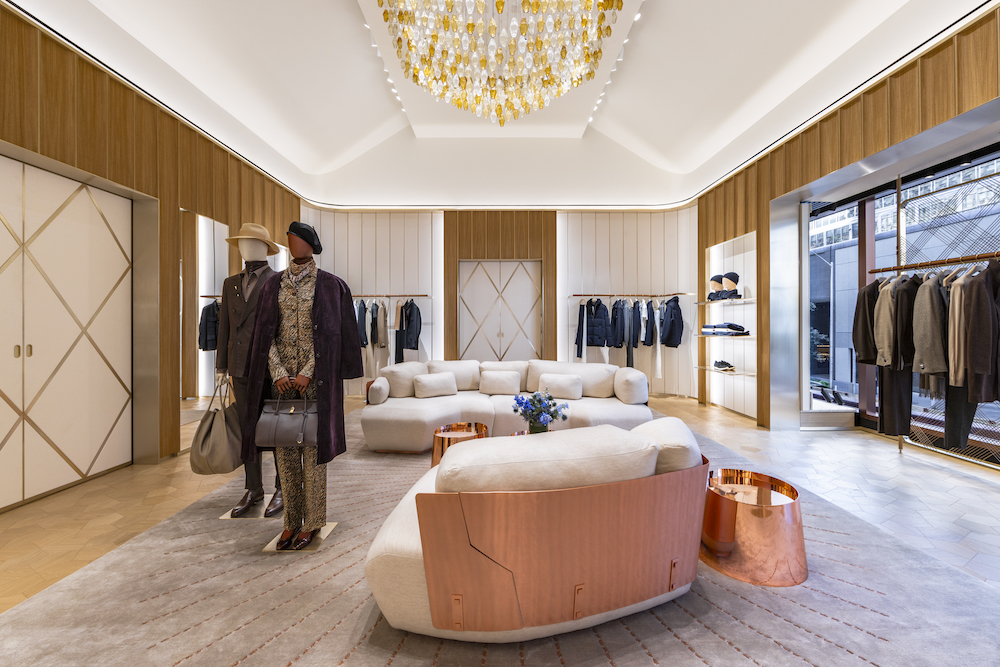
The floors are polished. The scent calibrated. The lighting refined. What began as a sketch or moodboard becomes a living embodiment of the brand.
A flagship store is not simply a commercial site. It is narrative made physical.
Luxury retail execution begins with immersion. Every material, sound, and surface communicates intention. The architecture becomes part of the storytelling. The service becomes theatre.
For Canadian luxury corridors, whether in Toronto’s Yorkville, Vancouver’s Alberni Street, or Montreal’s Royalmount, the flagship must do more than transact. It must anchor the brand locally while reflecting global standards.
However, storytelling alone is insufficient. Emotion must be supported by operational rigour.
The Competitive Moat: Retail Playbooks
One of the most overlooked realities of luxury retail is that scaling without structure leads to inconsistency.
“Unless you’re part of a mega-brand group with decades of infrastructure, most luxury retail brands don’t scale, they scramble,” Mandel observes.
What works in store number one does not automatically work in store number ten.
This is where retail playbooks become essential.
A luxury retail playbook transforms instinct into infrastructure.
It documents how stores open and close, how staff greet clients, how product is packaged, how clienteling follow-up occurs, and how performance is measured.
Luxury is emotional. It is also operationally precise.
Consistency protects brand equity. A fragrance wrapped with care in Vancouver must feel identical in ritual to one wrapped in Miami. A store opening in Montreal must deliver the same hospitality standards as one in London.
Without a documented operating system, store managers invent their own versions of excellence. The result is variability.
Luxury retail execution depends on repetition at the highest level.
Why Physical Stores Matter More Than Ever
In a time defined by digital saturation, inflation pressures, and shifting acquisition costs, opening a physical store may appear risky. Mandel argues the opposite.
For luxury brands, stores are no longer optional. They are proof of value.
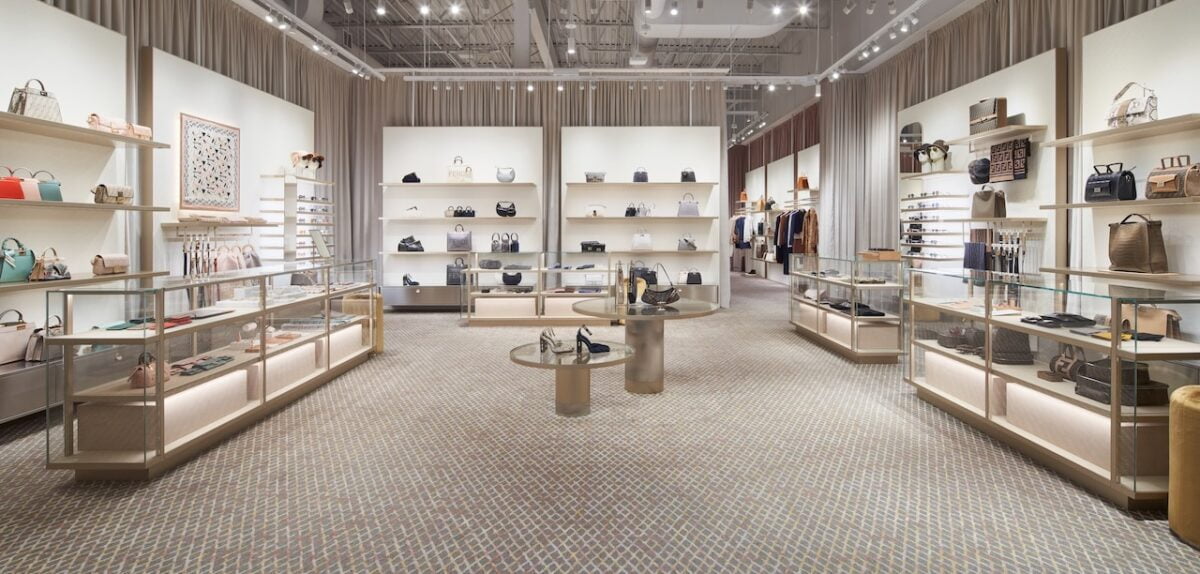
In-person conversion rates remain significantly higher than digital. Clients treat luxury stores as sanctuaries, places to reconnect with craftsmanship and experience tactile reassurance.
“Trust is built in person,” Mandel says.
In Canada, where e-commerce penetration is high but luxury remains experiential, physical retail anchors credibility. Hospitality, texture, lighting, and staff presence communicate worth in ways websites cannot.
Luxury retail execution therefore requires viewing stores not as distribution points, but as brand assets. They function as showroom, salon, and studio simultaneously.
The smartest luxury brands in 2026 will use stores to deepen client relationships, not merely to increase revenue per square foot.
The Pop-Up as Strategic Laboratory
Pop-ups have evolved beyond temporary installations.
“A successful pop-up isn’t just a beautiful space. It’s a controlled test of your brand’s story, service, and scalability in real time,” Mandel says.
Too often, brands treat pop-ups as marketing stunts. In luxury retail execution, they are laboratories.
A pop-up can validate pricing, product mix, client flow, and staff performance before committing to a long-term lease.
It can test a new market without overexposure. It can refine service rituals before scaling.
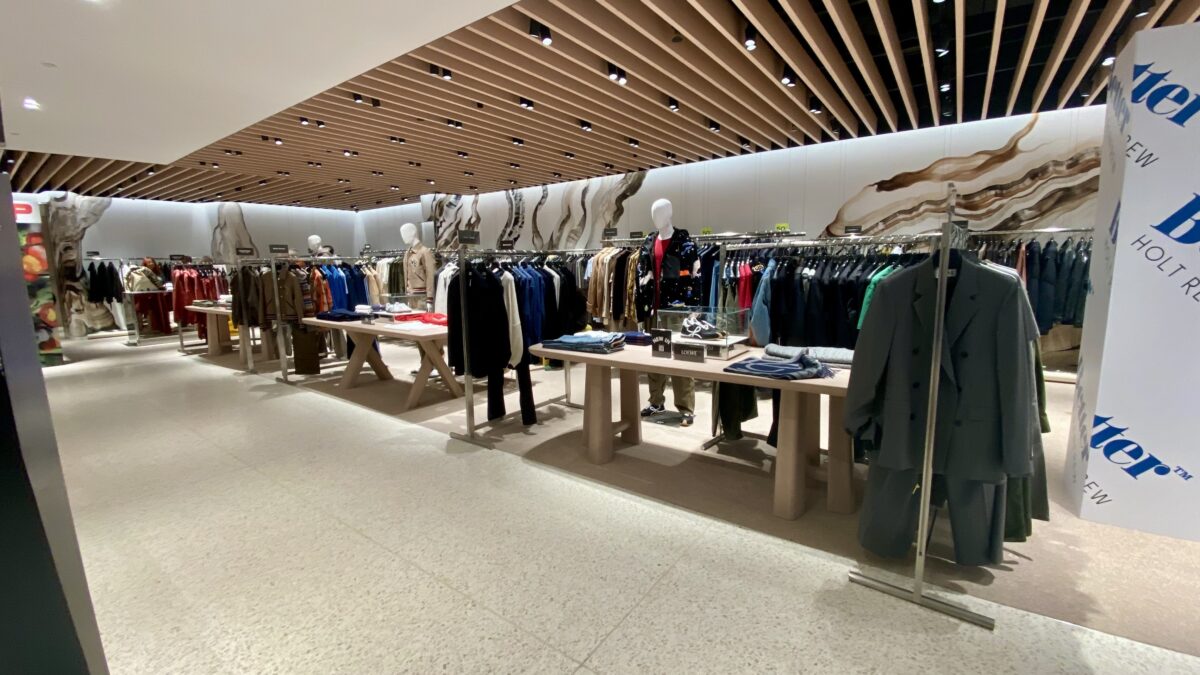
Mapping the client journey inside a pop-up becomes critical. The space must include a hero moment, an engagement zone, and a conversion point. Staff must be trained as ambassadors, not temporary sales help.
Data capture is equally important. Conversion rates, sales per hour, CRM enrollment, and product heat mapping transform the pop-up from spectacle to strategy.
For Canadian brands entering new provinces or testing U.S. expansion, pop-ups offer structured experimentation. Luxury retail execution thrives when experimentation is disciplined.
Systems Behind the Magic
Luxury retail appears effortless. Behind the scenes, it is structured.
Opening checklists. Training modules. Visual merchandising frameworks. Clienteling scripts. KPI dashboards.
These elements are not glamorous. They are essential.
A luxury retail playbook ensures that brand culture scales without dilution.
It protects identity as growth accelerates. It empowers teams to perform consistently at luxury standards.
For growth-stage Canadian brands, this infrastructure can mean the difference between sustainable expansion and operational strain.
Retail execution is not about micromanagement. It is about clarity.
When expectations are documented and rituals are defined, teams gain confidence. Leaders gain visibility. Investors gain predictability.
Luxury retail works because magic is repeatable, Mandel says.
What This Means for Canada
Canada’s luxury ecosystem continues to mature. International brands are deepening their presence. Domestic brands are testing physical retail. Developers are investing in experiential corridors.
As this environment evolves, luxury retail execution will differentiate leaders from followers.
The brands that thrive will treat store openings as storytelling opportunities. They will implement playbooks before scaling. They will use pop-ups as laboratories rather than photo opportunities. They will recognize that physical retail builds trust in ways digital cannot.
Luxury retail does not succeed by accident. It works because the story is intentional, the systems are disciplined, and the experience is consistent.
Behind every polished floor and calibrated scent lies a framework.
That framework is what makes the magic possible, according to Mandel.







Excellent insights on how luxury retail depends on execution, not just branding. Store experience, trained staff, and thoughtful client engagement are what truly separate premium brands from ordinary retail. A strong reminder that in luxury, every detail matters.