Canadian entrepreneur Tara Bosch built SmartSweets for her grandmother before selling her candy brand for $360 million in 2020.
Now she has launched Snackish for her daughter Willa who has an obsession for potato chips which Bosch shares.
Bosch set out to change what a chip could be. She had done it before, dropping out of college to test recipes in her kitchen and build SmartSweets into a category-defining success.
Built around a simple promise, Eat Chips Every Day, Snackish is available now nationwide at Target across the U.S and at Loblaws and Whole Foods across Canada.
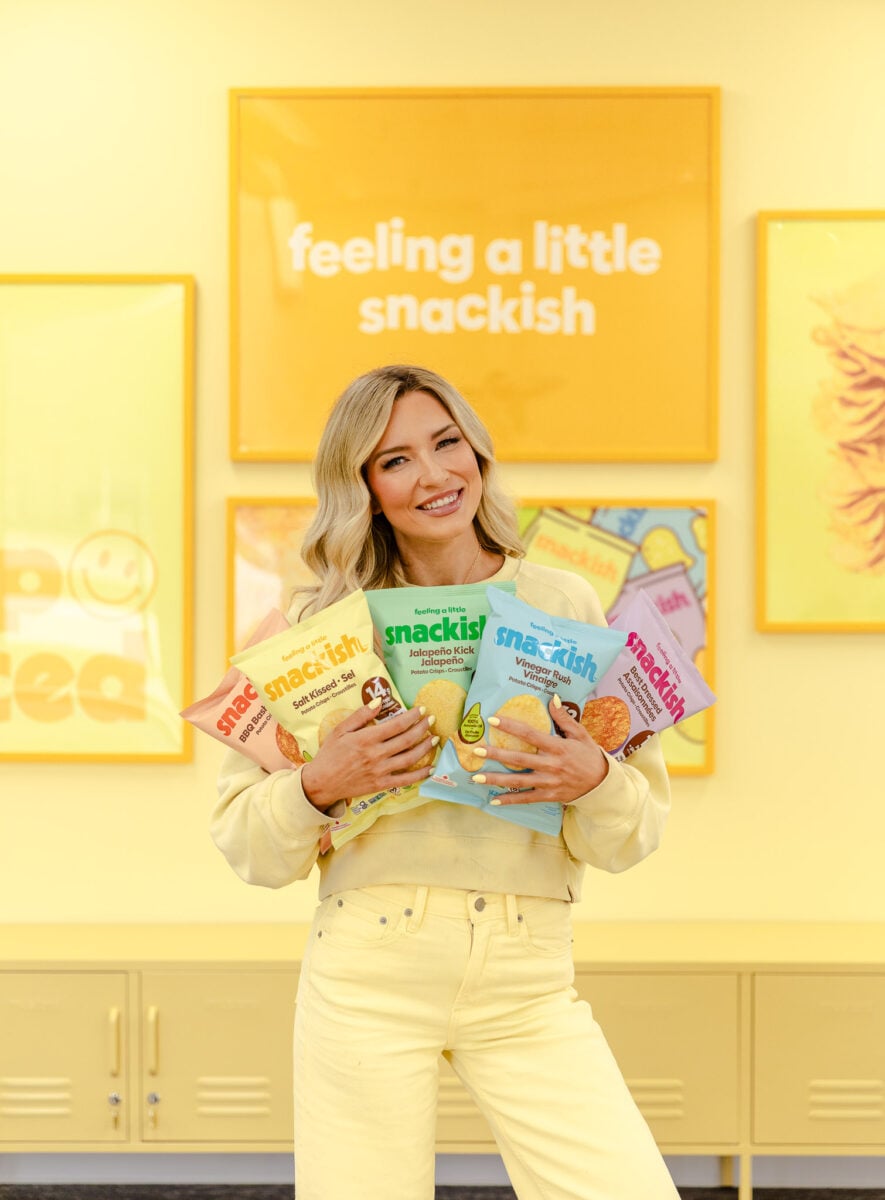
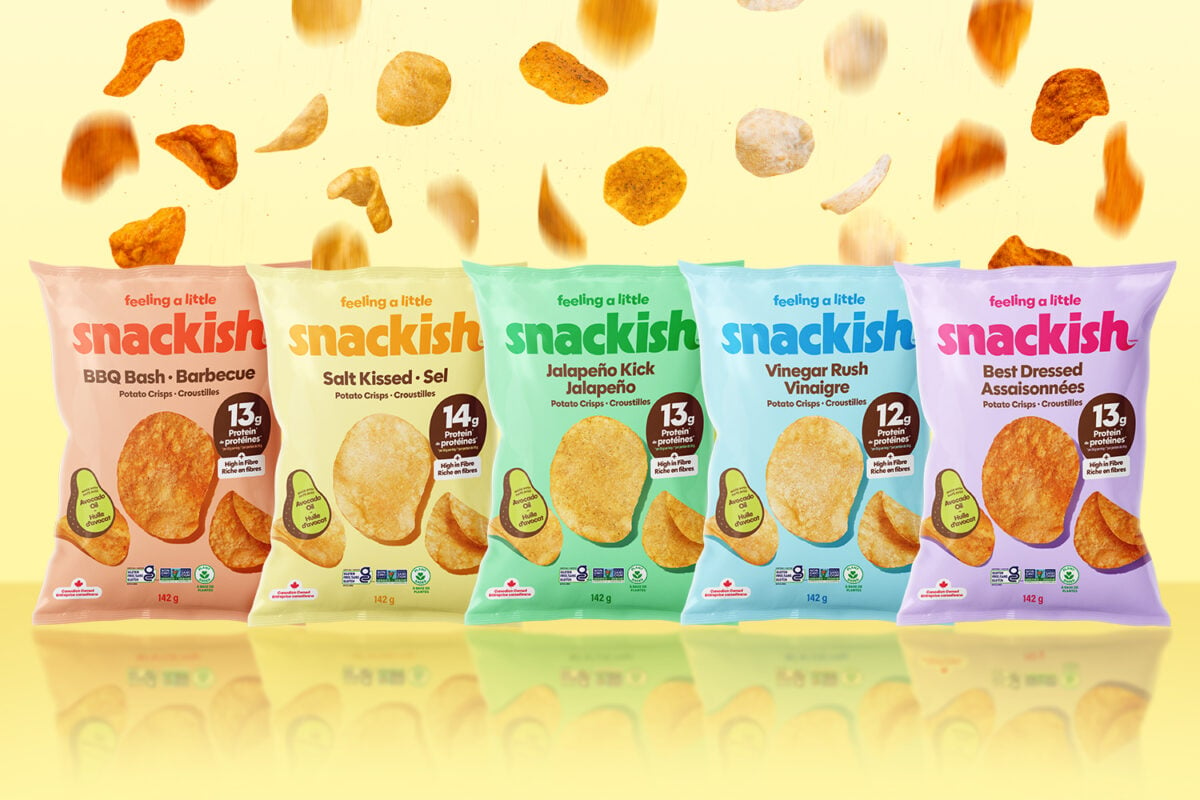
Bosch said Snackish keeps everything people love, real potatoes, bold seasoning, and crunch, and innovates what is inside the bag with potato-powered protein, gut-happy fiber, and avocado oil. The brand is bringing fun and aspiration back to the chip aisle with five bold flavours: BBQ Bash, Salt Kissed, Jalapeño Kick, Vinegar Rush, and the Canadian-exclusive Best Dressed. Each bag retails for $7.99.
Bosch said Snackish is self-funded and vertically integrated through its wholly owned 65,000-square-foot manufacturing facility – the Snacktor y- the first of its kind in North America. It’s women-owned and women-led, with a leadership team that brings deep experience in building category-defining consumer brands.
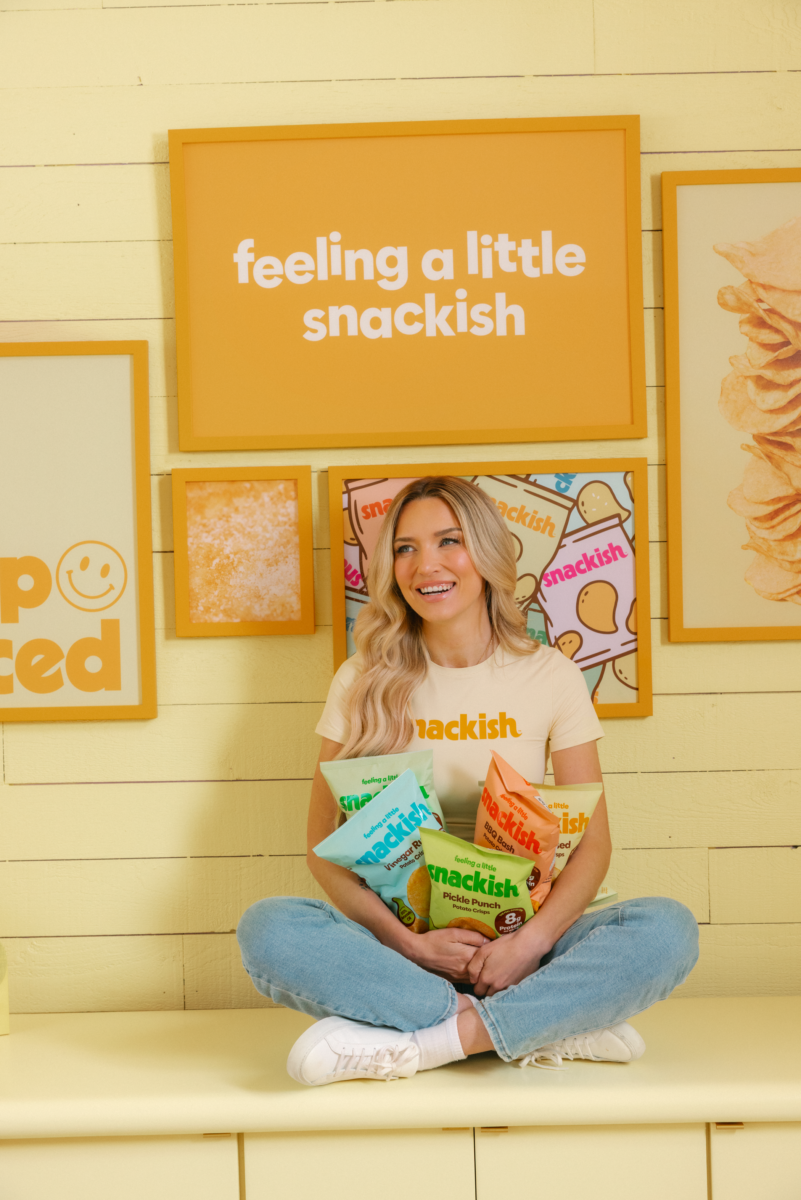
Every team member holds meaningful equity, and creators including Kat Stickler, Mikayla Matthews of The Secret Lives of Mormon Wives, Aspyn Ovard, Vidya Gopalan, and Levi Coralynn joined as owners from day one, functioning as true extensions of the team, added Bosch.
In an interview with Retail Insider, Bosch talked about the new brand.
Question: What gap in the snack aisle are you aiming to fill with Snackish, and how does it differ from both traditional chips and existing better-for-you brands?
Answer: About a year ago I set the intention that if there was ever an authentic “why” and an incredible group of women to build with again, how grateful I would be to have the opportunity to bring another vision to life. I don’t start with a market gap – I start with a person I love who’s being failed by what exists, and then I go create it. With SmartSweets it was my grandmother: she loved candy and felt like all the sugar meant she had to give it up. I refused to accept that. This time it’s my daughter Willa. Shortly after setting that intention, Willa became obsessed with potato chips. I love them too, but all the choices either didn’t taste great or leave you feeling great. So we wanted to change what a chip could be. We kept everything people love – real potatoes, the seasoning, the crunch- and rebuilt what’s inside the bag: 8g of potato-powered protein, gut happy fiber, avocado oil, bold seasonings with ingredients you can find in your kitchen, so you can actually reach for them every day. We’re bringing fun and aspiration back to the salty snacks category and building the everyday snack for a new generation.
Q: Why did you choose a retail-first launch strategy with partners like Loblaws, Whole Foods Canada and London Drugs, rather than building momentum through direct-to-consumer first?
A: Because chips are an everyday, grab-it-where-you-are kind of snack — they belong in the aisle she’s already walking, not in a subscription box. In a social-forward world, our friends aren’t waiting for us to slowly creep into their region. They’re discovering Snackish on their phone and wanting to grab it where they already shop. So our job is to make accessibility match the awareness we’re creating on social. Launching nationwide across the US and Canada from day one, with partners like Target, Loblaws, Whole Foods, and London Drugs, means the moment someone falls for us in their group chat, the bag is right there on their next run. DTC-first would’ve put a wall between the want and the buy. Retail-first removes it.
Q: Snackish is self-funded and vertically integrated through your “Snacktory” facility. How does that model impact your margins, scalability, and control compared to typical CPG startups?
A: The thing that makes your product hard to make is actually an incredible moat. To build both our chips and our innovation pipeline, we had to build the capability from the ground up – the manufacturing didn’t exist. So we built the Snacktory: 66,000 square feet, the first vertically integrated snack production of its kind in North America. On control, that’s everything. Quality, consistency, innovation, and speed, in a category where taste and craveability are queen. On margins, owning production means we’re not handing economics to a co-packer, and that compounds as we scale. It’s more capital-heavy upfront but self-funding lets us keep our focus purely on execution, keep the cap table simple, and give our entire snackpack meaningful equity now and through scale. The people building Snackish own it.
Q: Can you explain how your creator equity model works in practice, and what role those social media partners will play in driving awareness and sales at retail?
A: We fundamentally changed the model with Snackish: we brought a group of incredible women creators into the brand as actual owners from day one who function as an extension of our snackpack. Kat Stickler joined as a founding partner, Mikayla Matthews as a creative advisor, alongside other women all holding meaningful equity in the outcome.They’re building the Snackish vision with us, long-term, and it translates into authenticity.
I’m building Snackish as a single mama, and I’m deeply passionate about giving other women a seat at the table – women on all different journeys, rising together. Our creators are trusted voices to exactly the friends we’re building Snac for, so the awareness they create on social drives people straight to the shelf – and because we launched where those friends already shop, that attention converts. Underneath all of it, Snackish is its own character. She’s got her own personality, and her own soul.
Q: Given your track record with SmartSweets, what lessons, particularly around distribution, product development and consumer expectations, are shaping how you’re building Snackish differently this time?
A: On distribution: go to where she already is and make accessibility match awareness – don’t crawl region by region in a social-first world. On product: the hard-to-make thing is the moat, so build the capability from the ground up and make sure your value proposition is radically better than anything that exists, not incrementally. On consumer expectations: lead with taste, always. The deepest lesson is that a product is never just a product. It’s the community and the emotional connection to the vision that actually builds a brand. I’m building Snackish self-funded, vertically integrated, with the women-led snackpack (team) and our creators as owners- because the how matters as much as the what.
More from Retail Insider: