Vancouver-based furniture brand Sundays is expanding again in the United States, adding two Southern California showrooms as the company continues to grow its North American retail footprint.
The company has opened in Pasadena and has added a permanent location in Santa Monica, following a Los Angeles-area pop-up that was originally planned as a short-term activation and was extended after strong customer response.
For Sundays, the move is part of a retail strategy first shaped in Canada. The brand, founded in Vancouver in 2019, started as a direct-to-consumer furniture company before gradually adding physical showrooms in Vancouver, Toronto and Calgary. Today, Sundays lists Canadian showrooms at Terminal and South Granville in Vancouver, Ossington in Toronto and The District in Calgary, along with U.S. locations in New York, Pasadena and Santa Monica.
The new California showrooms extend a model Sundays has been building since the pandemic: use ecommerce data and temporary retail to understand demand, then commit to permanent showroom locations when the market proves itself.
“The US is a much more competitive market than Canada. You can’t just take what worked at home and expect the same result,” Sundays Co-Founder Barbora Samieian says. “The biggest lesson for us has been that you have to earn your place in each market. We’ve done that by being patient, building real relationships, and not rushing into permanent retail before we understood the customer.”
A Canadian Showroom Strategy Goes South
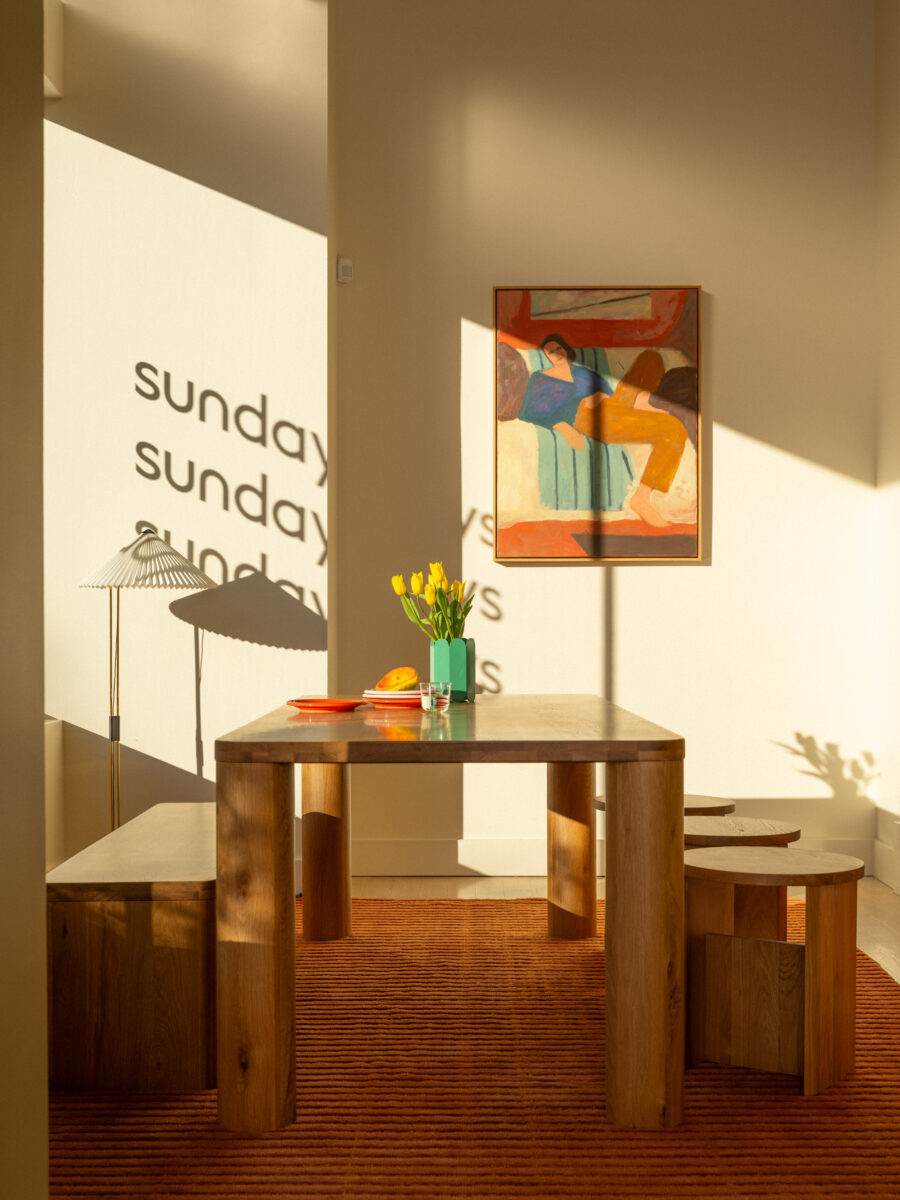
Sundays’ Southern California expansion includes a 2,100-square-foot showroom in Santa Monica and a 1,286-square-foot showroom in Pasadena. The Santa Monica location features design by Colapso Studio, which also designed the brand’s New York showroom and Vancouver Terminal HQ.
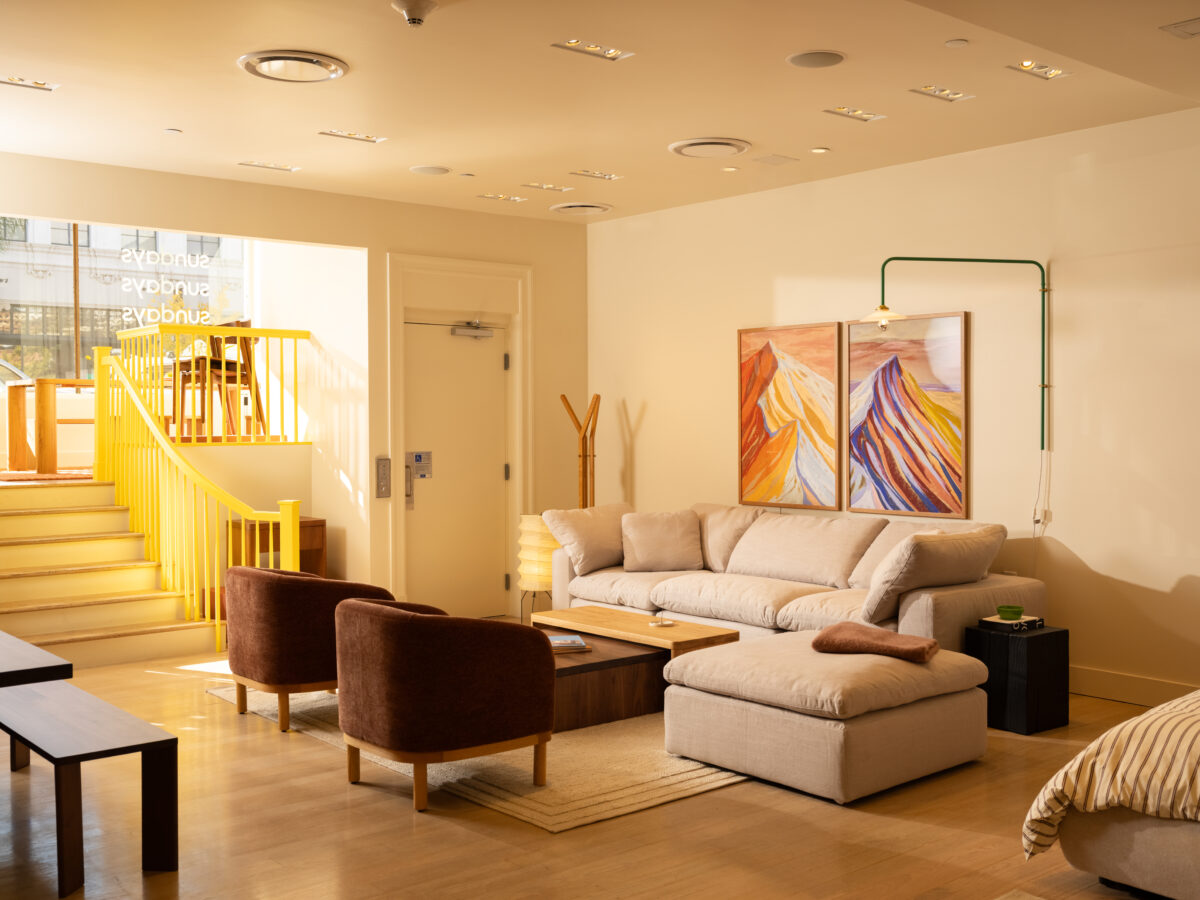
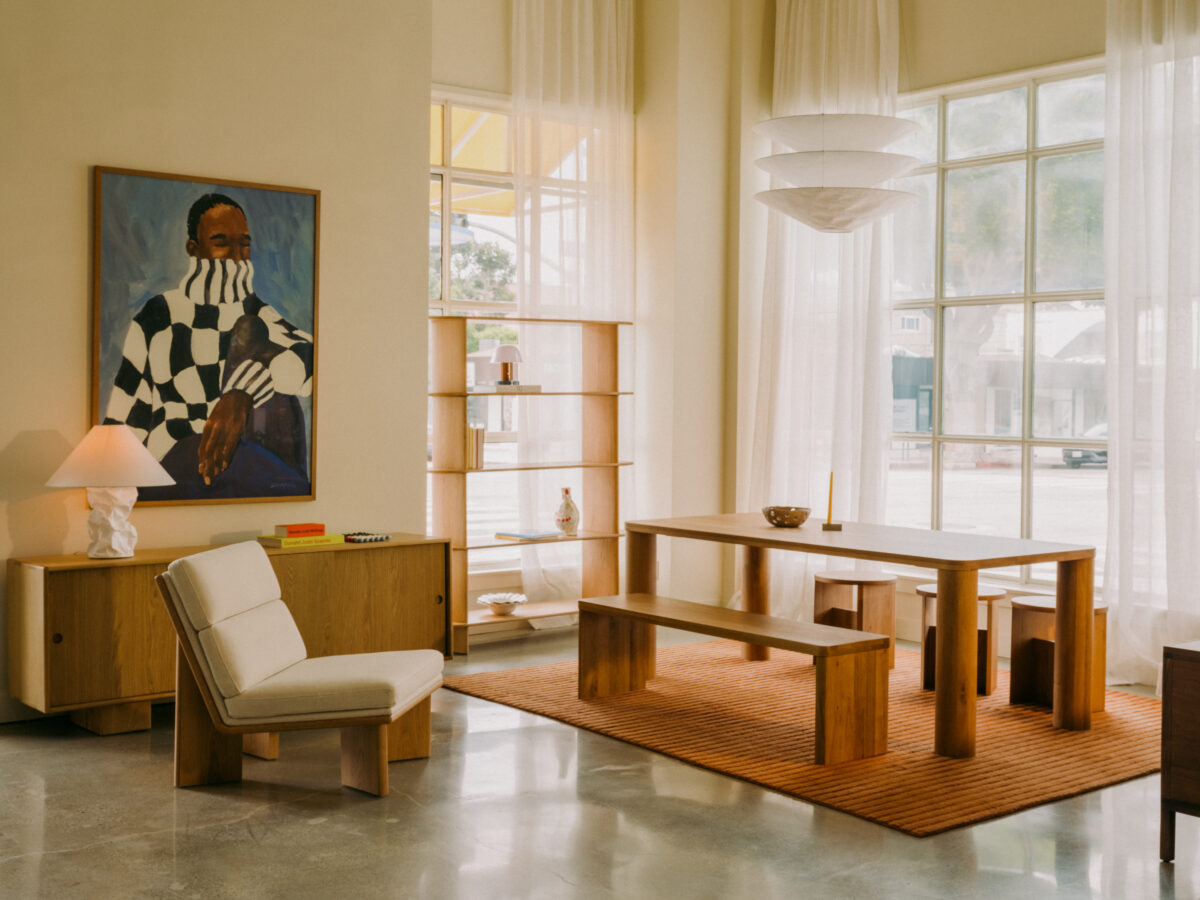
The Santa Monica space includes a yellow-tiled coffee counter and a Vermillion-stained island intended to support community events. Product on display includes Sundays best sellers such as the Field Dining Table, Get Together and Chill Time sofas, and the Plane Dining Table, along with newer pieces such as the Square Up collection.
The Pasadena showroom offers a smaller format, with a blue-and-white striped fireplace as a focal point and yellow tile details in the swatch area.
The company’s Los Angeles strategy began at Platform LA in Culver City. The pop-up was originally planned to run from March to April 2024. Sundays extended it several times, allowing the company to test the market before committing to permanent locations.
That approach follows a pattern the company has used before. Sundays’ Toronto showroom on Ossington Avenue began as a pop-up before becoming a permanent location. The company’s New York expansion also followed a temporary-to-permanent path.
“You get real data, real customers, real feedback without locking yourself into a long-term lease in a market you don’t fully know yet,” Barbora says. “Most of our permanent locations started as a pop-up.”

From Vancouver Startup to North American Furniture Brand
Sundays was founded in Vancouver in November 2019 by Barbora Samieian, Moe Samieian, Sara Samieian and Noah Morse. The company launched with a direct-to-consumer model and a focused furniture assortment built around capsule collections.
The company’s early growth coincided with a period when consumers were spending heavily on their homes. That helped build awareness for digitally led furniture brands, but it also showed the limits of online-only retail in a high-consideration category.
Furniture is still a product many customers want to see, touch and test before buying. Sundays said that lesson became clear early in the company’s development and shaped its move into showrooms.
The brand’s Canadian footprint now includes two Vancouver locations. In March, Sundays opened its 15,000-square-foot Terminal HQ at 1728 Glen Drive in Vancouver. The space serves as both a retail environment and operational headquarters, and also introduced physical retail for sister brand Hetta while showcasing furniture from Moe’s.
That location gave Sundays a larger platform in its home market and moved the company beyond a single-brand showroom format. It also showed how the business is using physical space for retail, operations, merchandising and brand-building.
In addition to Terminal, Sundays operates its South Granville showroom at 1515 West 6th Avenue in Vancouver, along with its Toronto showroom at 113 Ossington Avenue and Calgary showroom at 220 12 Avenue SW.
Physical Retail Becomes More Important in Furniture
Sundays’ expansion comes as furniture retail remains under pressure in Canada. Statistics Canada reported that furniture retailers recorded $1.181 billion in seasonally adjusted sales in April 2026, up 1.3 per cent from March but down 3.2 per cent from April 2025. The larger furniture, home furnishings, electronics and appliances category was down 5.7 per cent year over year.
That environment has made customer experience and store productivity more important. Consumers are still buying for the home, but many are taking longer to make decisions and looking more closely at quality, price and service.
Barbora Samieian says the category has changed materially since the pandemic peak.
“Demand peaked in late 2021, early 2022, and it hasn’t come back to those levels,” the company said. “But even through the slowdown we’ve kept growing, and we’re proud of that. Consumers are more intentional now. They’re researching more, buying less but buying better. And they want to see and feel things in person before they spend.”
That shift supports the company’s showroom strategy. Sundays started online, but its growth increasingly depends on connecting ecommerce discovery with in-person evaluation. Customers may first encounter the brand online, then use a showroom to confirm fabric, scale, comfort and finish before purchasing.
“Both channels matter, and they blend into each other,” Sundays said. “People find us online, then come into the showroom to close the decision. That’s just how it works for this category. Retail isn’t going anywhere for us.”
Using Data Before Signing Leases
A central part of Sundays’ expansion strategy is using ecommerce demand to identify markets before opening showrooms.
The company said it starts with its own data when evaluating future locations. Ecommerce activity can show where customers are already browsing and buying before the company commits to physical retail.
That was the case in Southern California, where Sundays said ecommerce traction and the extended Culver City pop-up helped support the decision to open permanent showrooms in Pasadena and Santa Monica.
“We opened a pop-up at Platform in Culver City, initially for two months, and we extended it multiple times,” Sundays said. “LA has a customer who gets what we’re doing, from the aesthetic to the quality and the premium service experience. Our ecommerce traction along with the pop-up supported the data to open in both Pasadena and now Santa Monica.”
The same thinking has shaped the company’s Canadian development. Sundays’ Retail Insider coverage in 2026 noted that the company had built a North American showroom network while continuing to balance ecommerce, logistics, trade relationships and physical retail.
For Canadian retail executives, that is the more useful part of the story. Sundays is not simply adding stores. It is building a repeatable expansion model that lowers risk before entering new markets.
A Tighter Assortment in a Crowded Category
The home furnishings market remains competitive, with traditional chains, independent design stores, luxury furniture galleries and online brands all competing for discretionary spending. Sundays has tried to position itself through a focused assortment and a consistent design language.
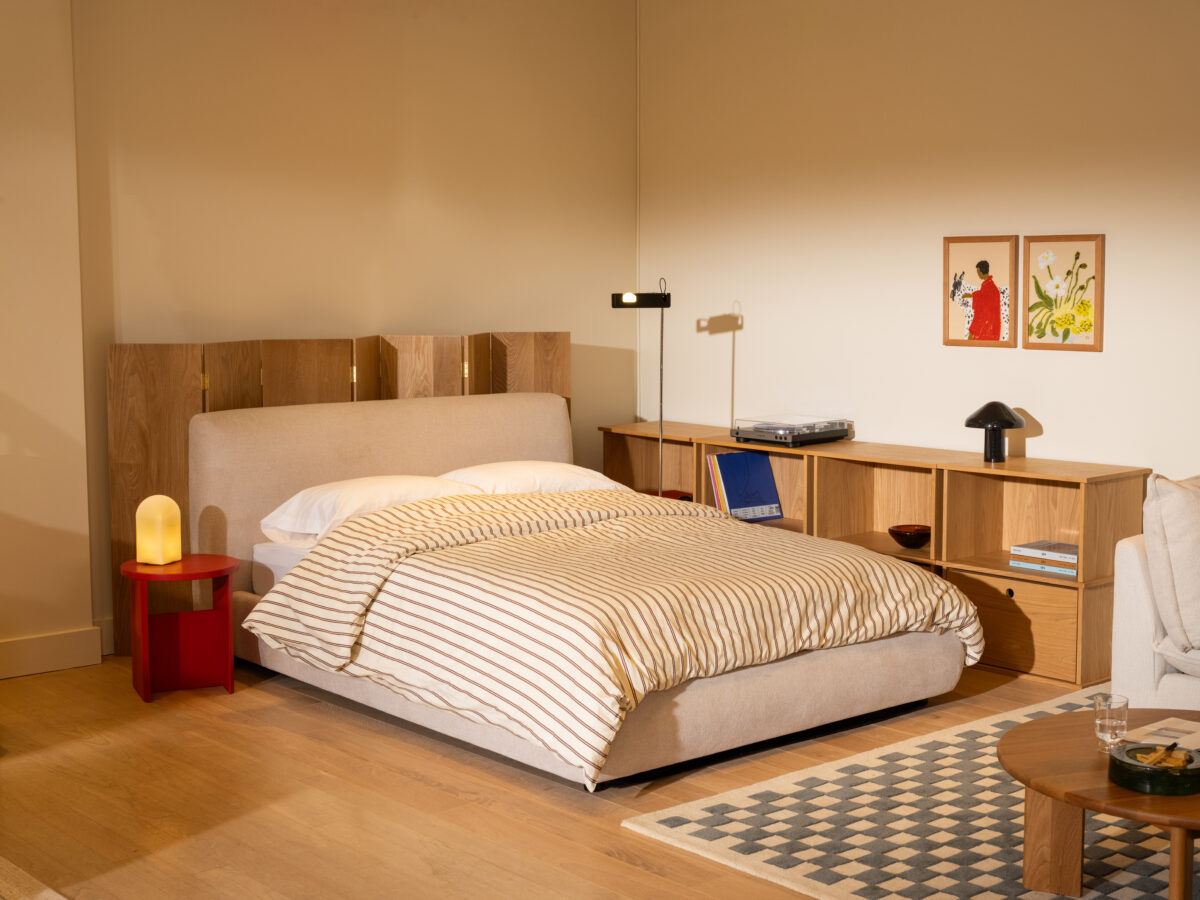
The company said its collection is intentionally tight, with products designed to work together across rooms.
“Everything is designed to work together, which takes a lot of the guesswork out of furnishing a home,” Sundays said. “For us, it starts with the product. We’re obsessive about quality, the materials, the construction, how something feels when you sit in it or run your hand across it.”
That approach also gives the company a repeat-purchase opportunity. Customers may begin with a sofa, then return later for dining, bedroom or other pieces as they furnish their homes over time.
Sundays said that relationship with existing customers will be part of its growth over the next three to five years. The company is also adding Hetta, its sister brand, to some showrooms to serve customers looking for a different design direction.
“People don’t furnish their whole home at once,” Sundays said. “They may start with a sofa, come back for a dining table, come back again for a bedroom. Because our collection is designed to work together, we naturally become the brand people return to as they build out their space.”
Canada Remains Part of the Growth Story
Although the U.S. is a major growth focus, Sundays said Canada remains important to the company.
The brand’s Canadian network has already given it a base in three major markets: Vancouver, Toronto and Calgary. The newer Terminal HQ in Vancouver also gives the company more space to test a multi-brand approach and deepen its connection to the design community.
Babrora Samieian states there are no additional Canadian market announcements at this time, but the company is not finished growing at home.
“Canada is home. We’re not done there,” Sundays said. “And the US is still early for us, there’s a lot of room to grow.”
For now, the Southern California openings show a Canadian brand applying lessons learned in its home market to a larger and more competitive retail environment. The company’s growth has been measured, with pop-ups, ecommerce signals and showroom experience working together before long-term commitments are made.
That discipline may become more important as furniture shoppers remain selective and the category continues to move between online research and in-person decision-making.