A small menu for four-legged customers could help restaurants attract dog owners, generate word-of-mouth and increase how much customers spend, according to research from Toronto Metropolitan University.
The study found that dog owners shown a restaurant menu containing six items specifically for dogs reported stronger intentions to visit the restaurant, expected to enjoy the experience more and were more likely to recommend it than people shown the same restaurant without a dog menu. Average intended spending also rose from $12.82 to $16.47.
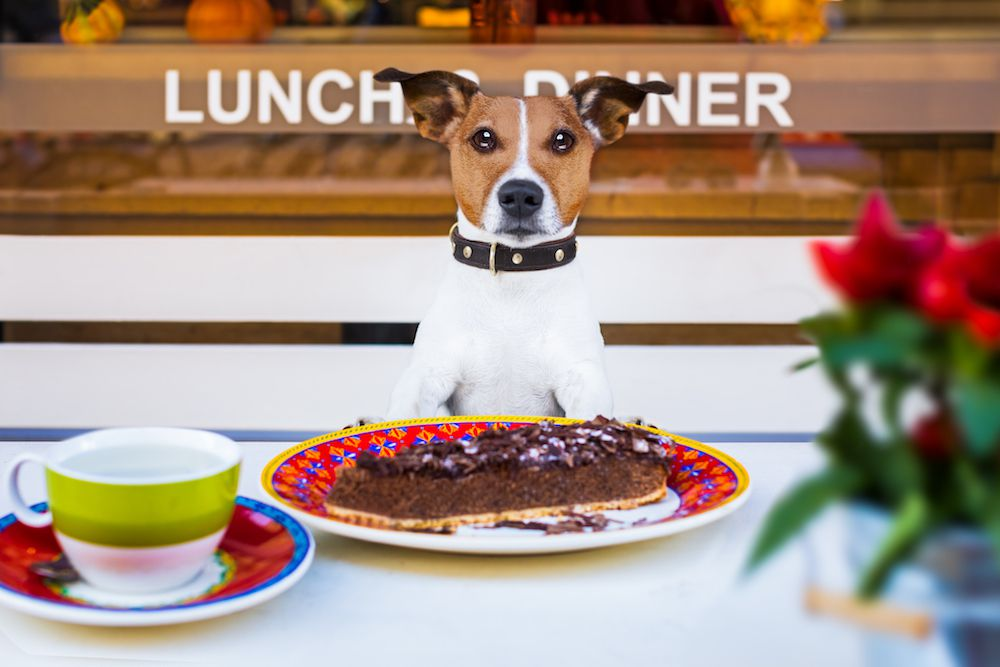
For casual restaurants, cafés and other foodservice businesses that already welcome dogs on patios, the research suggests that adding a few items for pets could influence how customers perceive the establishment.
“Having a dog menu means that we’re not just tolerating dogs in our space, we’re actually accommodating them” Rishad Habib, an associate professor of marketing management at Toronto Metropolitan University’s Ted Rogers School of Management, said in an interview with Retail Insider.
Dog Menu Increased Visit Intent and Spending
The research, conducted by Habib with Julie Kellershohn and Karun Tangri, examined dog ownership and restaurant behaviour through two studies involving a total of 830 participants. The paper was published in Consumer Behavior in Tourism and Hospitality.
The restaurant experiment involved 200 U.S. dog owners who were asked to imagine walking with their dog and encountering a casual restaurant with a dog-friendly patio. One group saw a menu containing six regular food items, while a second group saw the identical menu with six additional items created for dogs.
Both groups were told that dogs were permitted on the patio, meaning the experiment did not compare a pet-friendly restaurant with one that prohibits dogs. Researchers were testing whether adding a dog menu changed consumer responses after the restaurant had already decided to welcome pets.
Dining intent averaged 4.26 out of five among participants who saw the dog menu, compared with 3.79 among those who did not. Word-of-mouth intention increased from 3.50 to 3.84, while expected enjoyment rose from 4.13 to 4.39. Each difference was statistically significant.
Intended spending showed another notable change. Participants selected the menu items they would order, with average spending reaching $16.47 when dog items were available, compared with $12.82 without them, an increase of $3.65.
Customers in the dog-menu group spent an average of $11.40 on themselves and another $5.07 on their dogs. While participants spent somewhat less on their own food, the additional purchase for their dog more than made up the difference.
“Normally they would spend about $12 to $13,” Habib said. “And then with the pooch menu… it was more around $16.”
A Few Low-Priced Items Were Enough
The experimental menu was relatively modest. The fictional Mel’s Diner offered a Puppy Patty for $6, Good Boy Drinks for $2, Bark-B-Q Bone Bites for $4, Woof Waffles for $6, whipped cream for $2 and ice cream for $2.
The restaurant’s regular menu contained familiar casual dining items including pizza, hamburgers, fried chicken, fries, hot dogs and ice cream. The dog menu, reproduced on page 29 of the research paper, indicates that the concept did not require an extensive pet-food program or expensive products, which could make it particularly relevant to patios, cafés, quick-service restaurants and casual concepts where dogs are already common.
Habib’s interest in the subject began after visiting Rosie’s Burgers at Toronto’s Harbourfront and noticing its “pooch menu.”
“I didn’t even have a dog, but I was like, ‘Oh, this is interesting,’” she said.
A conversation with a server about customers’ response to the menu led Habib to look more closely at whether researchers had studied the idea. She found relatively little research examining pets as participants in shared consumer experiences.

Why Dog Owners Respond
The research comes as dogs increasingly occupy a family-like role in consumers’ lives. The paper cites American Pet Products Association data indicating that 44 per cent of U.S. households have dogs and that 85 per cent of those households consider their dogs part of the family. It also cites a 58 per cent increase in Yelp searches for restaurants where dogs are permitted between 2021 and 2023.
That relationship may help explain why actively accommodating a dog produces a different response from simply permitting one on a patio.
“You don’t even have to buy anything from the menu,” Habib said. “But just knowing that there is a menu means that the restaurant has put in effort.”
The effect, therefore, may extend beyond revenue from a $2 treat or $6 dog meal. A dog menu can signal to customers that a restaurant has considered the needs of people who bring their pets with them, potentially influencing restaurant selection before they sit down.
Dog owners walking through a neighbourhood also face a practical constraint when deciding where to eat or have a coffee. If their dog cannot be accommodated, some restaurants are effectively removed from consideration.
“If they can stop by and have a bite to eat or a coffee or whatever it is, they can’t just leave their dogs,” Habib said.
Canadian Study Examined Dog Owners’ Dining Preferences
A separate component of the research surveyed 630 Canadian dog owners who had recently dined at a restaurant or patio. Researchers examined what they describe as dog-directed parenting styles and how those approaches related to consumers’ expectations around dining with their pets.
Participants scoring higher on two “authoritative” styles were more likely to expect greater enjoyment from dining with their dogs and reported stronger intentions to visit dog-friendly establishments. An “authoritarian correction” orientation was not associated with greater enjoyment or restaurant visit intentions.
Habib described the more responsive group as consumers who are emotionally connected to their dogs and take the animal’s needs and preferences into account. For restaurants looking to reach these customers, the opportunity could include neighbourhood events and partnerships with businesses such as pet retailers, groomers and dog-training services.

Actual Restaurant Sales Still Need to Be Tested
There is an important limitation to the findings for restaurant operators: the experiment measured intentions in a hypothetical setting rather than transactions in an operating restaurant.
Participants viewed a fictional restaurant menu and selected what they believed they would order. Researchers did not introduce a dog menu at an actual restaurant and track subsequent changes in customer counts, transactions or average cheque size.
“If we got some data from a real restaurant, then we would know exactly what effect this has on sales,” Habib said.
The research also focused on dog owners and did not measure whether a greater concentration of dogs on a patio could negatively affect customers who do not own them. Noise, interactions between animals, additional cleaning requirements and the costs associated with creating and serving dog-specific items could also influence the business case.
Restaurant format remains another consideration. The experiment involved a casual diner, and Habib said customers could respond differently at an upscale or formal restaurant where bringing dogs may fit less naturally with the dining occasion. The findings are therefore most directly applicable to restaurants whose patios and customer base are already compatible with pets.
From Pet-Friendly to Pet-Inclusive
Restaurants may not need an elaborate pet program to find out whether the concept works for their customers. The dog items tested in the study ranged from $2 to $6, yet their presence changed how participants perceived the restaurant before any purchase was made.
That could be particularly relevant during patio season in neighbourhoods with significant pedestrian traffic. Dog owners who are already out walking represent potential restaurant customers, and the ability to accommodate their pets can influence where they choose to stop.
Habib expects pet-friendly dining to become increasingly common as consumers organize more of their daily activities around their dogs. Whether the spending increase found in the experiment translates into actual restaurant sales remains to be tested, but for operators that already welcome dogs, a small pet menu offers a relatively simple way to find out.