Last week, First Capital REIT unitholders overwhelmingly approved the previously announced $9.4 billion acquisition of the company by KingSett Capital and Choice Properties REIT, moving one of Canada’s most significant retail real estate transactions closer to completion.
The special resolution approving the plan of arrangement received strong support, with fewer than one per cent of votes cast against the proposal. First Capital said it intends to seek final approval from the Ontario Superior Court of Justice (Commercial List), with all other required approvals already obtained.
Under the arrangement, First Capital unitholders will receive $19.24 in cash and 0.3186 of a Choice Properties REIT unit for each First Capital unit they hold.
Once completed, the transaction will see Choice Properties acquire approximately $5 billion of First Capital’s retail assets, while KingSett Capital will acquire approximately $4.4 billion of First Capital assets and all of First Capital’s issued and outstanding units.
The Choice Properties portfolio includes approximately $4.8 billion, or eight million square feet, of income-producing assets, along with approximately $200 million of properties under development. The portfolio is expected to generate approximately $235 million in net operating income in 2027, with near-term annual NOI growth of approximately 3.5 per cent.
For Canada’s retail real estate industry, however, the significance of the transaction extends far beyond the balance sheet.
The End of an Influential Retail Real Estate Platform
For more than three decades, First Capital occupied a distinct place in Canadian retail real estate.
While many landlords focused on enclosed malls, suburban plazas or individual shopping centres, First Capital built its reputation by assembling high-quality urban retail properties, introducing mixed-use intensification to aging shopping centres and creating retail districts that attracted some of the world’s leading brands.
In several cities, the company became more than a property owner. It became a district builder.
That approach helped shape parts of Toronto, Calgary and Montreal, where First Capital assembled properties, upgraded tenant mixes, advanced mixed-use development and attracted retailers that often require confidence in both the individual site and the broader neighbourhood.
The transaction now raises questions about what happens to that long-term placemaking strategy as First Capital disappears as an independent public company.
Yorkville Enters a New Chapter
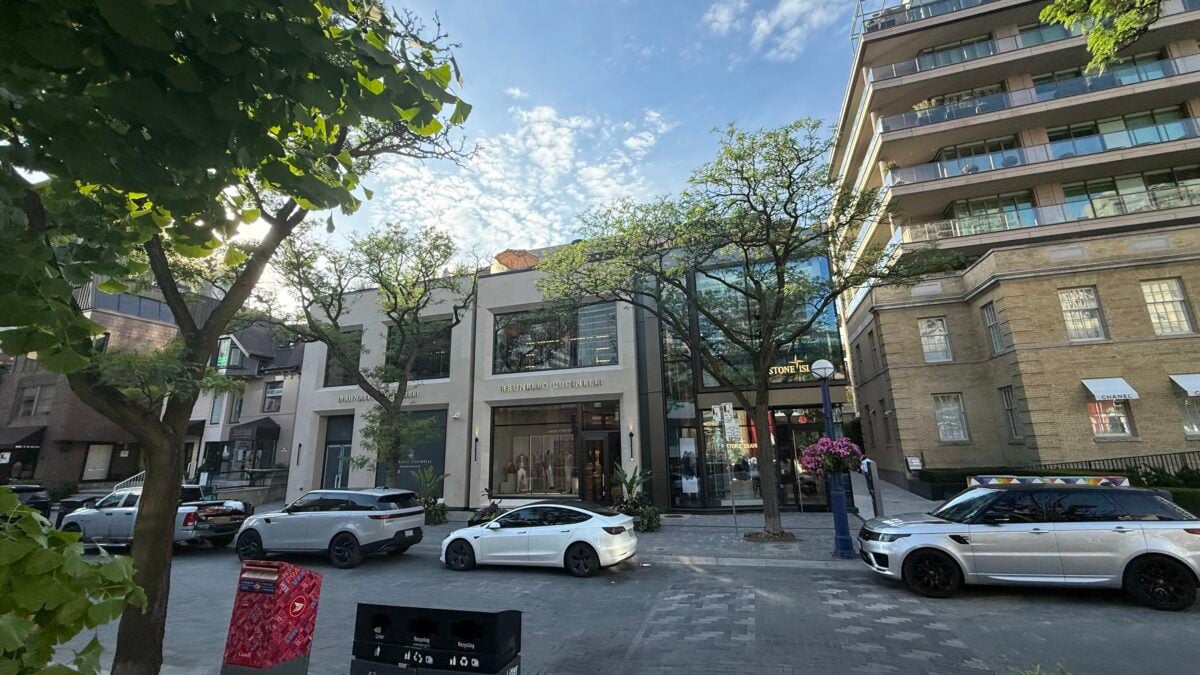
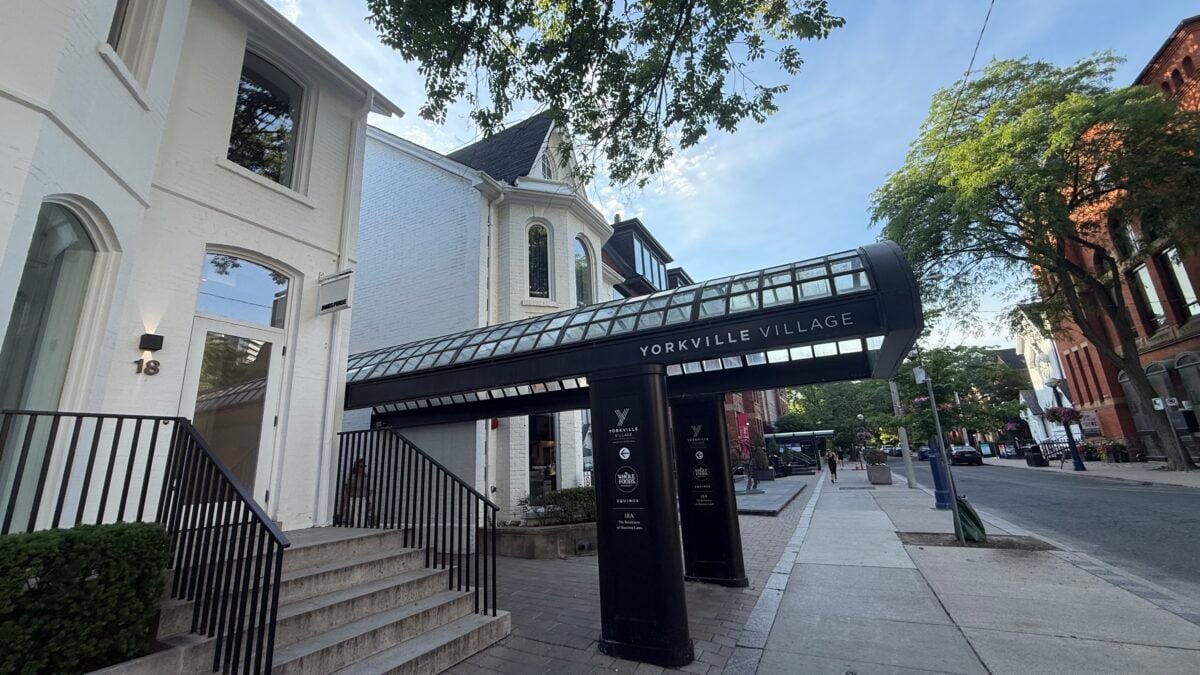
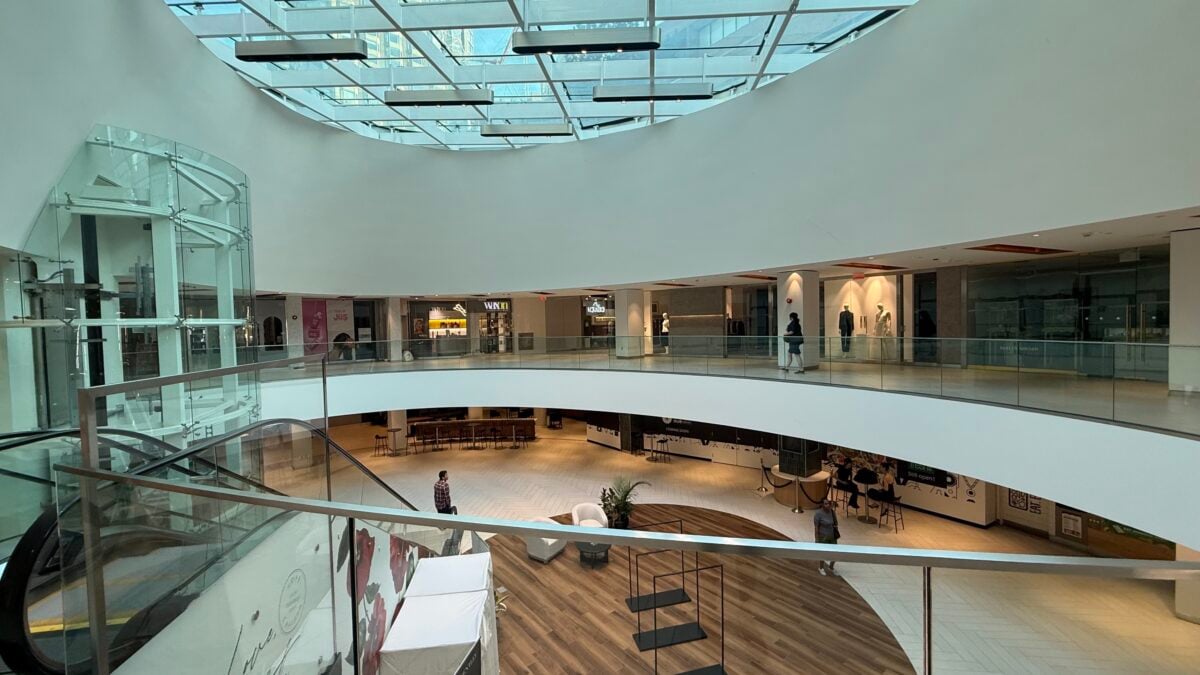
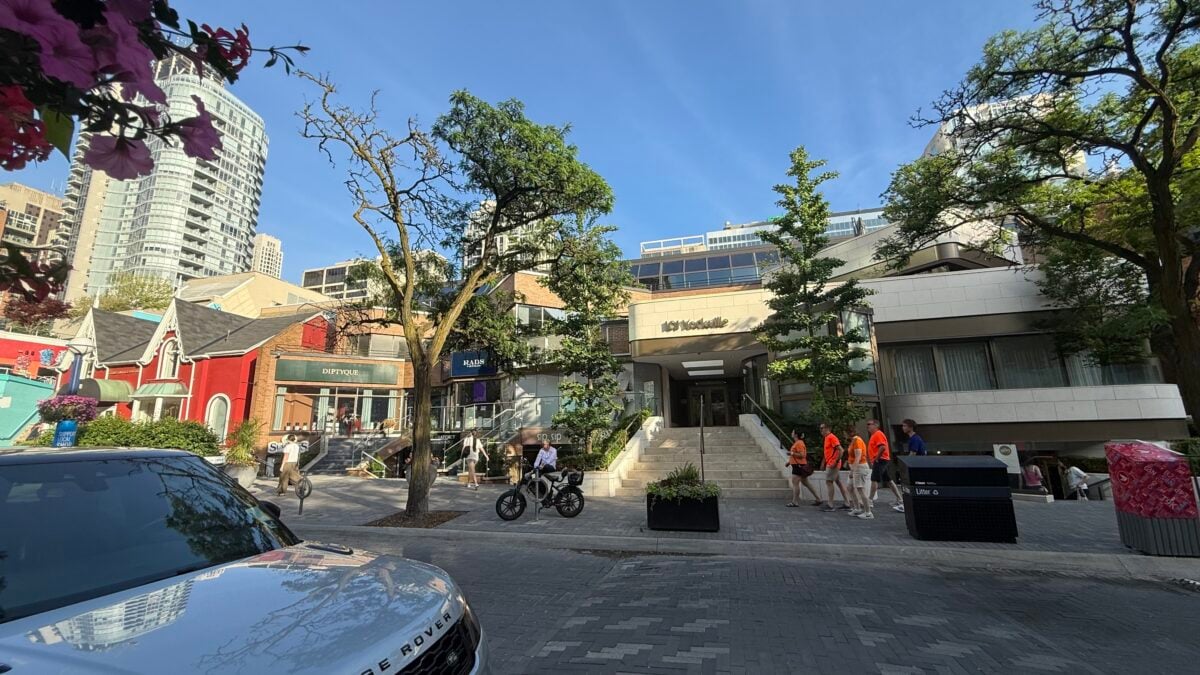
The most prominent example is Toronto’s Yorkville neighbourhood. Over several years, First Capital assembled a significant collection of properties in and around Yorkville Avenue, including Yorkville Village, formerly Hazelton Lanes, multiple buildings along Yorkville Avenue, the 101 Yorkville Avenue redevelopment opportunity, and an interest in the 138 Yorkville mixed-use tower.
Those holdings helped transform Yorkville Avenue into one of Canada’s premier luxury retail corridors. International brands including Chanel, Balenciaga, Brunello Cucinelli and Stone Island established a presence on the street as the area evolved from a secondary luxury address into a destination in its own right.
Today, Yorkville Avenue sits alongside Bloor Street’s Mink Mile as one of Canada’s most important luxury retail destinations, with international brands increasingly viewing the two streets as complementary luxury corridors.
That evolution did not happen by accident. First Capital’s control of key properties allowed it to influence leasing, streetscape improvements, merchandising and long-term redevelopment planning in a way few landlords could achieve through isolated ownership.
The change in ownership now raises important questions for the district. Will KingSett continue the same long-term vision for Yorkville, or will the strategy evolve under new ownership?
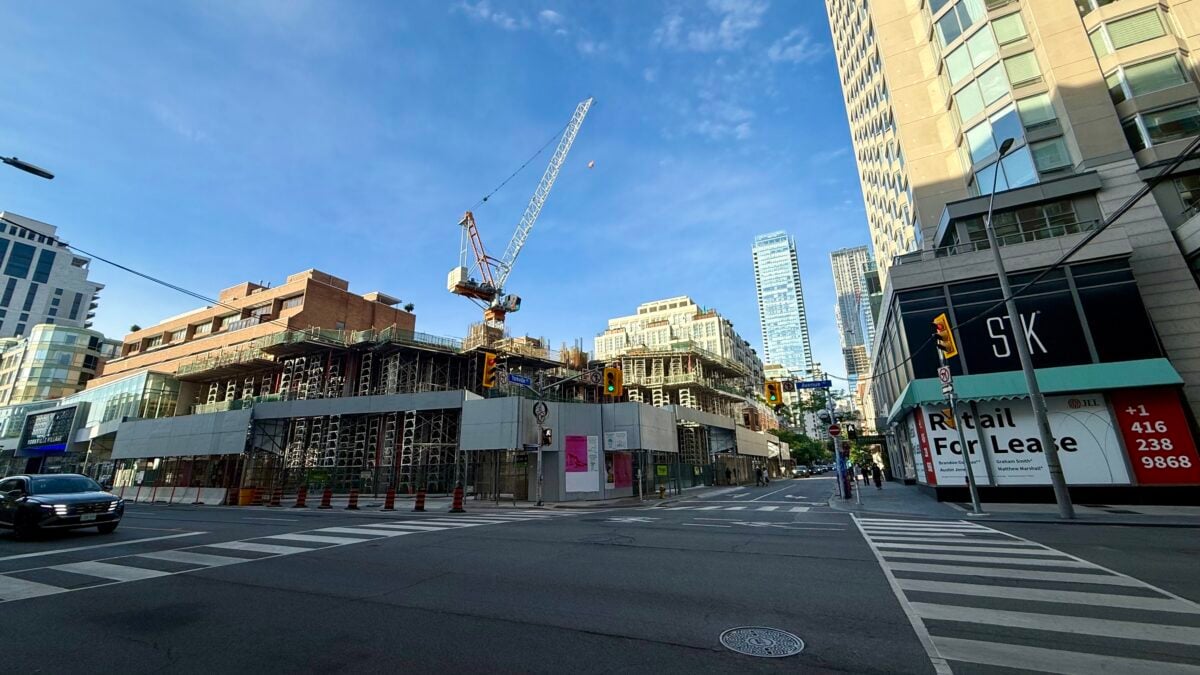
That question is especially relevant at 101 Yorkville Avenue, where future redevelopment has long been anticipated, and at 138 Yorkville, one of the country’s most ambitious mixed-use luxury projects. The 138 Yorkville development attracted national attention for ultra-luxury condominium residences marketed at prices reportedly ranging from roughly $10 million to more than $80 million. Construction is said to have been recently halted amid questions about financing — some are speculating that the new ownership might push for the project to become a rental apartment building.
With First Capital’s ownership interests now changing hands, industry observers will be watching closely to see how KingSett approaches this project as well as Yorkville Village, the surrounding Yorkville Avenue properties and future development opportunities in one of Canada’s most valuable retail districts.
A Strategy Seen Beyond Toronto
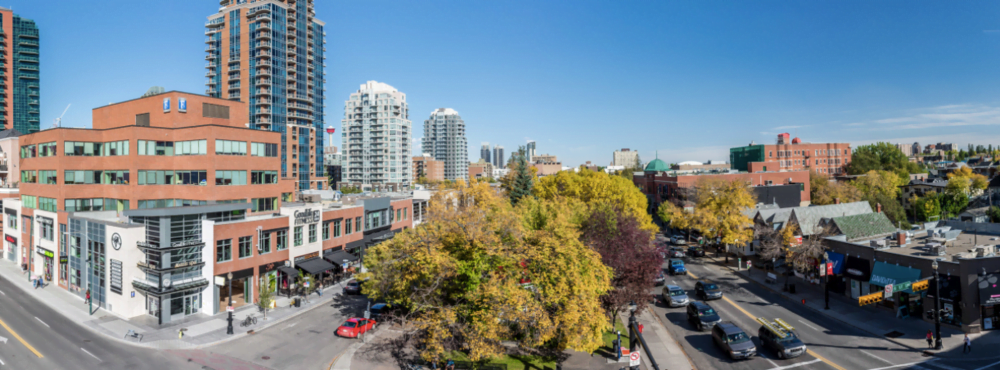
Yorkville was one example of First Capital’s district-building approach. In Calgary, the company pursued a similar strategy around Mount Royal Village, expanding beyond the original property through nearby acquisitions and helping shape a broader retail district along 17th Avenue SW. The strategy demonstrated that First Capital was willing to think beyond individual assets and instead influence entire urban neighbourhoods through strategic property ownership.
In Montreal, the company also became active in urban mixed-use redevelopment, with projects such as Wilderton Centre and other major intensification initiatives reflecting the same broader philosophy. First Capital frequently looked at retail properties not only as income-producing assets, but as platforms for density, neighbourhood change and future value creation.
That is what makes the transaction significant for the retail industry. It is not simply the sale of a REIT. It is the transfer of a portfolio assembled over decades by one of Canada’s most influential urban retail landlords.
Choice Becomes Even More Important in Canadian Retail
For Choice Properties, the acquisition strengthens an already significant position in Canadian retail real estate.
The portfolio being acquired includes a substantial number of grocery-anchored and necessity-based retail assets, a segment that has remained attractive to investors because of steady traffic, essential-use tenants and redevelopment potential.
The transaction also deepens Choice’s exposure to urban and high-quality retail assets, adding scale to a landlord already closely watched by national retailers, grocers and service-based tenants.
For tenants, the ownership shift could matter over time. Landlords influence more than rent. They also influence tenant mix, redevelopment timing, design standards, leasing strategy and the broader direction of retail properties.
What Comes Next
The immediate next step is court approval and closing. The larger question is what happens after that.
KingSett will inherit some of First Capital’s most complex and potentially valuable urban holdings, including assets with long-term redevelopment potential. Choice will absorb a major portfolio of income-producing retail properties that expands its national footprint.
The transaction also closes a significant chapter in Canadian retail real estate history. Over more than three decades, First Capital became one of the country’s leading advocates for urban retail and mixed-use intensification, helping redefine how shopping centres and retail districts could evolve within growing cities.
For Canada’s retail real estate industry, the sale marks the end of an era.
As the company moves toward new ownership, attention will now turn to whether First Capital’s vision for neighbourhood-building and urban retail placemaking continues, changes or gives way to a different approach.
Either way, one of Canada’s most influential retail real estate companies is set to disappear as an independent public company, leaving behind a portfolio that will continue to shape some of the country’s most important retail streets and shopping districts for years to come.