Columbia Sportswear reported a high-single-digit decline in Canadian sales during the second quarter of 2026 as lower wholesale orders and the timing of shipments outweighed growth in the company’s direct-to-consumer business.
The outdoor apparel and footwear company said the Canadian decline primarily reflected lower Spring 2026 wholesale orders and unfavourable shipment timing. Canadian direct-to-consumer sales increased as higher e-commerce revenue outweighed weaker brick-and-mortar performance. Management also pointed to softer store traffic and a more cautious consumer environment.
The quarterly results provide a timely look at the challenges facing an established outdoor brand with a significant Canadian presence. Columbia continues to rely heavily on wholesale distribution in Canada while investing in e-commerce, technical footwear and products intended to strengthen its appeal among younger and more active consumers.
The headline decline also deserves careful interpretation. Wholesale shipment schedules can move revenue between reporting periods, and retailer inventory decisions often influence when sales are recognized before products ultimately reach consumers.
At the same time, Columbia is several years into a broader effort to modernize its flagship brand as consumer expectations continue to evolve across the outdoor apparel and footwear market.
Canada Remains an Important Market
Columbia treats Canada as one of its four reportable geographic segments alongside the United States, Latin America and Asia Pacific, and Europe, the Middle East and Africa.
The company generated approximately US$230.2 million in Canadian sales during 2025, representing nearly seven per cent of its global revenue. Canadian wholesale sales totalled US$141.3 million, while direct-to-consumer sales reached US$88.9 million, leaving wholesale responsible for just over 61 per cent of Columbia’s Canadian business.
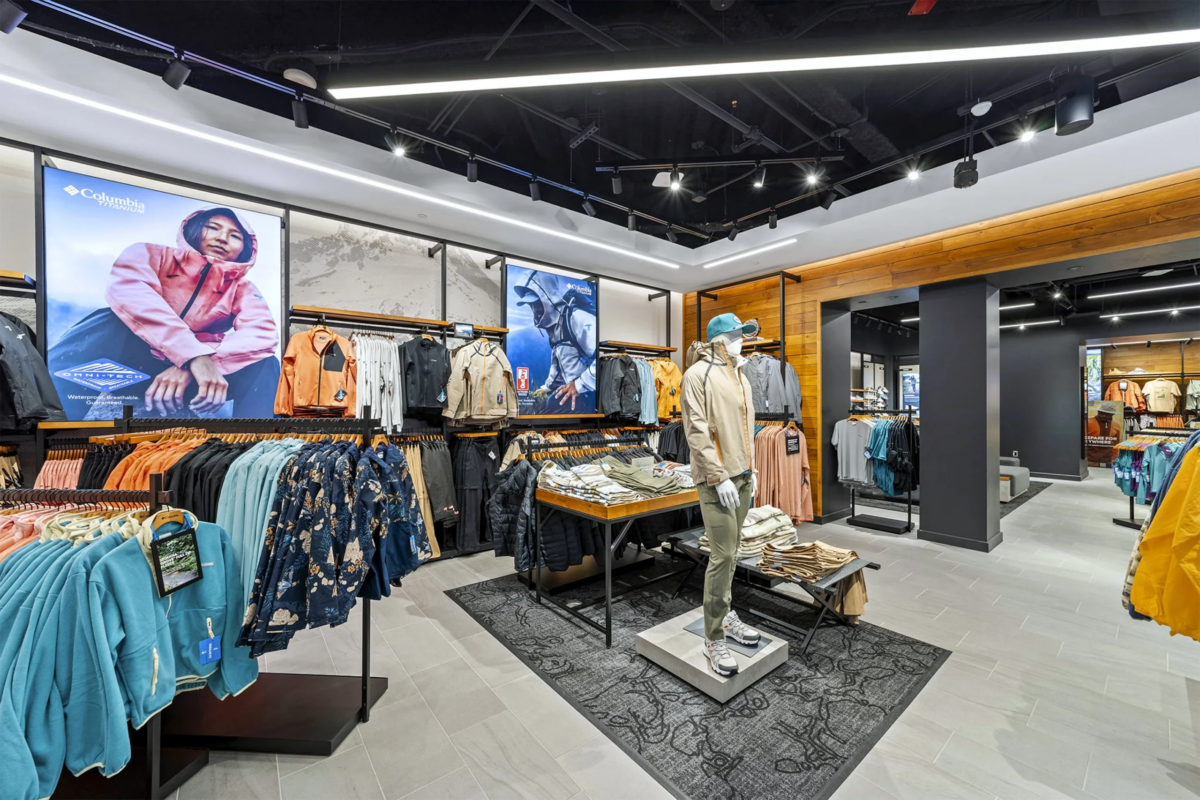
Columbia sells apparel, accessories and equipment under the Columbia, Mountain Hardwear and prAna brands in Canada, along with footwear from Columbia and SOREL. The company also reported nearly 400 Canadian wholesale customers and more than 15 company-operated stores at the end of 2025.
That distribution structure makes wholesale particularly important. Columbia’s own stores and digital channels allow it to control merchandising, presentation and customer relationships, but they cannot match the geographic reach provided by hundreds of retail partners across the country.
The wholesale business is also relatively concentrated. Columbia disclosed that its two largest Canadian wholesale customers represented approximately 17 per cent and 13 per cent of total Canadian sales in 2025. Together they accounted for roughly 30 per cent of the company’s Canadian business, although Columbia does not publicly identify those retailers.
That concentration means changes in ordering by one or two large accounts can materially influence quarterly Canadian results.
Shipment Timing Clouds the Picture
The Canadian sales decline should not be viewed simply as a measure of consumer demand. Columbia repeatedly cited shipment timing throughout its earnings discussion. The second quarter of 2025 benefited from earlier wholesale shipments, creating a more difficult comparison this year.
Looking ahead, management expects more than US$30 million in global shipments to shift from the third quarter into the fourth quarter, largely within North America, because of longer logistics lead times and ongoing supply chain disruption.
The company also said it has not experienced meaningful wholesale order cancellations and continues to anticipate growth in North American wholesale sales during the second half of the year, although more of that business is expected to arrive in the fourth quarter.
A Mixed Canadian Retail Environment
Broader Canadian retail data presents a more nuanced picture than Columbia’s quarterly results alone.
Statistics Canada reported that sales among sporting-goods, hobby, musical-instrument, book and miscellaneous retailers increased 1.8 per cent in May, marking the first monthly gain in three months. Overall retail sales also increased, although volume growth remained modest, reflecting continued pressure from inflation.
SportChek, meanwhile, continued to post positive comparable-store sales earlier in 2026. Parent company Canadian Tire said the chain benefited from strength in athletic footwear, fanwear and hard goods while describing Canadian consumers as resilient but increasingly selective in their spending.
Taken together, the evidence suggests Columbia’s Canadian weakness reflects a combination of shipment timing, wholesale ordering patterns and brand-specific factors rather than a broad contraction in Canada’s sporting-goods sector.
Repositioning a Familiar Outdoor Brand
The quarterly results also arrive as Columbia continues a multi-year effort to modernize its flagship brand. Announced in October 2024, the company’s ACCELERATE strategy is intended to strengthen Columbia’s appeal among younger and more active consumers while preserving the qualities that have made the brand successful for decades.
Management has organized the strategy around five priorities: hiking and trail running, mountain performance, Performance Fishing Gear, outdoor-lifestyle apparel with stronger styling and footwear.
The goal is not to abandon Columbia’s heritage. Instead, the company is working to build greater relevance in a market where consumers increasingly expect outdoor products to combine technical performance with contemporary design and everyday versatility.
Footwear Takes Centre Stage
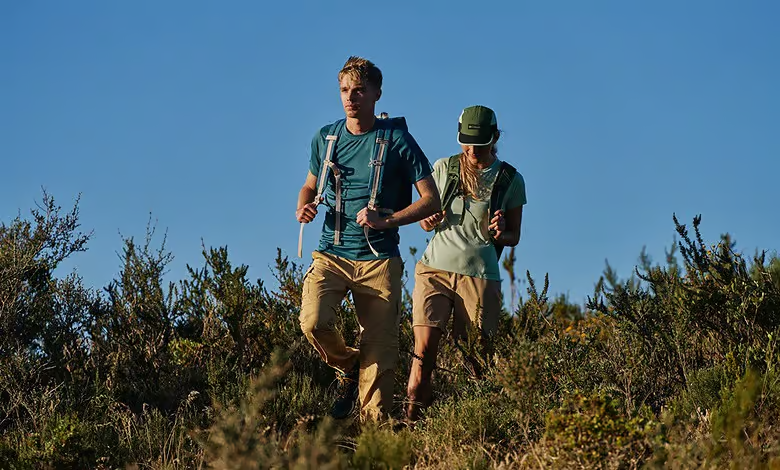
Footwear has become one of Columbia’s most important growth opportunities. The company reported high-single-digit global footwear growth during the quarter, highlighting the Tellurix and Peak Freak hiking franchises, the Konos trail-running line and the Dry Tortuga fishing footwear collection.
Management also said footwear is growing faster than apparel within Columbia’s Spring 2027 wholesale order book and that younger customers have shown encouraging interest in newer and higher-priced products, particularly footwear.
Footwear gives Columbia an opportunity to participate more fully in hiking and trail-running categories while reducing some of its dependence on seasonal outerwear.
The company has not disclosed Canadian footwear performance for the quarter, although footwear generated approximately US$60.5 million in Canadian sales during 2025.
Building on Heritage While Looking Forward
Columbia’s repositioning extends beyond new product launches. Management discussed renewed interest in long-standing products such as the Bahama shirt after investing in stronger storytelling around the collection’s heritage. The company also highlighted continued momentum for its Amaze Puff outerwear line.
Marketing has become an important part of that effort. Columbia pointed to its Expedition Impossible campaign, partnerships with Robert Irwin and expanded outdoor-community events as examples of how it is engaging new audiences while reinforcing the brand’s outdoor credibility.
Although Columbia’s Canadian e-commerce business grew during the quarter, wholesale remains the foundation of its Canadian operations.
The company wants its digital channels to present a stronger expression of the brand while continuing to rely on wholesale partners that provide national reach.
That balance is becoming increasingly important as Columbia introduces more premium products while managing promotional activity, particularly within outlet and brick-and-mortar channels. Management acknowledged that softer traffic contributed to increased discounting during the quarter even as the company works to strengthen its full-price positioning.
Looking Ahead
Columbia’s Spring 2027 wholesale order book provides cautious optimism. Management said approximately 90 per cent of the order book had been completed and was tracking toward low- to mid-single-digit growth, with footwear leading apparel and newer products gaining traction among retail partners. North America is participating in that growth, although Columbia did not provide a separate outlook for Canada.
The company’s Canadian results ultimately illustrate several forces shaping today’s outdoor retail market. Wholesale ordering patterns remain critical, shipment timing continues to influence quarterly comparisons, consumers are spending carefully and established brands are investing heavily to remain relevant in a more competitive landscape.
For Columbia, the next phase will depend on whether technical footwear, updated styling and more focused brand positioning can translate into sustained consumer demand and stronger support from the wholesale partners that continue to anchor its Canadian business.