As brands have embraced transparency and authenticity, they’ve also developed a tendency to explain everything, from campaign strategies and creative decisions to brand purpose and product benefits.
In the process, many have stripped away the sense of intrigue that captures attention and keeps audiences wanting more.
Fashion has long understood that desire isn’t built by answering every question. The industry’s most iconic brands create anticipation, invite interpretation and trust consumers to connect the dots. It’s an approach that has helped fashion maintain cultural relevance, and one that CPG (Consumer Packaged Goods) brands have an opportunity to embrace.
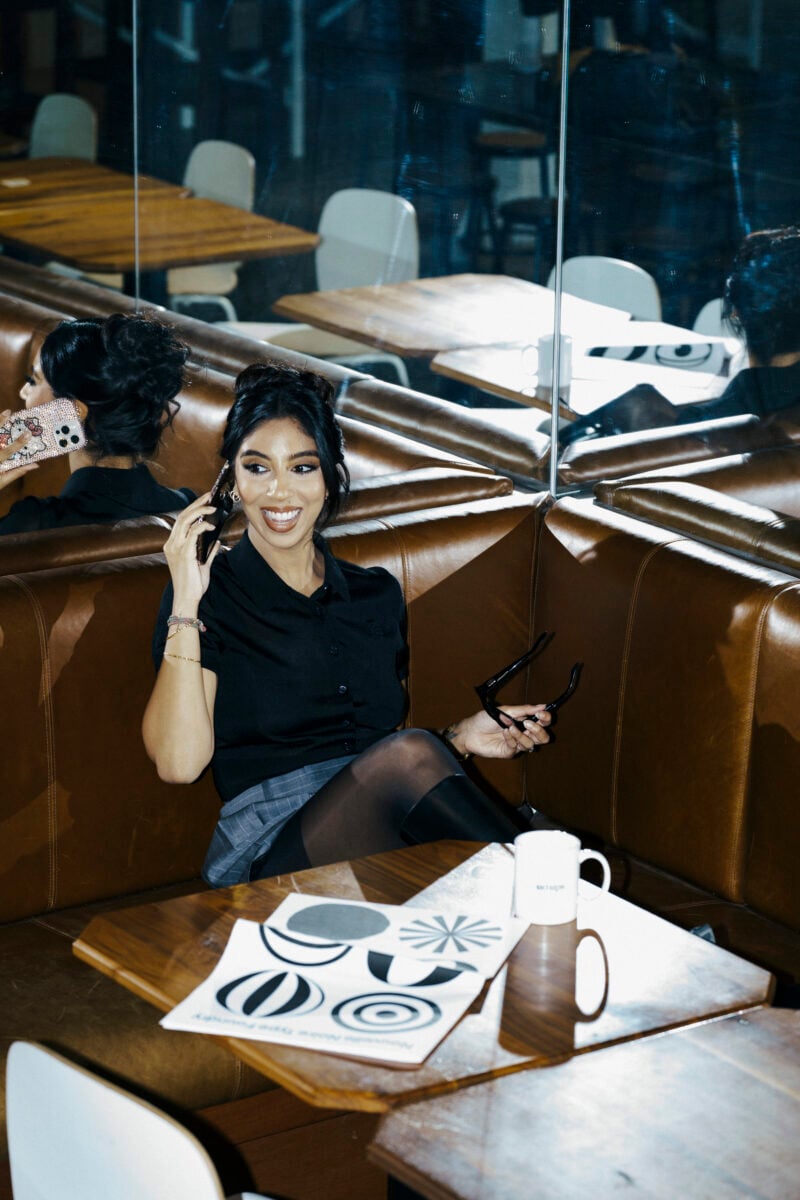
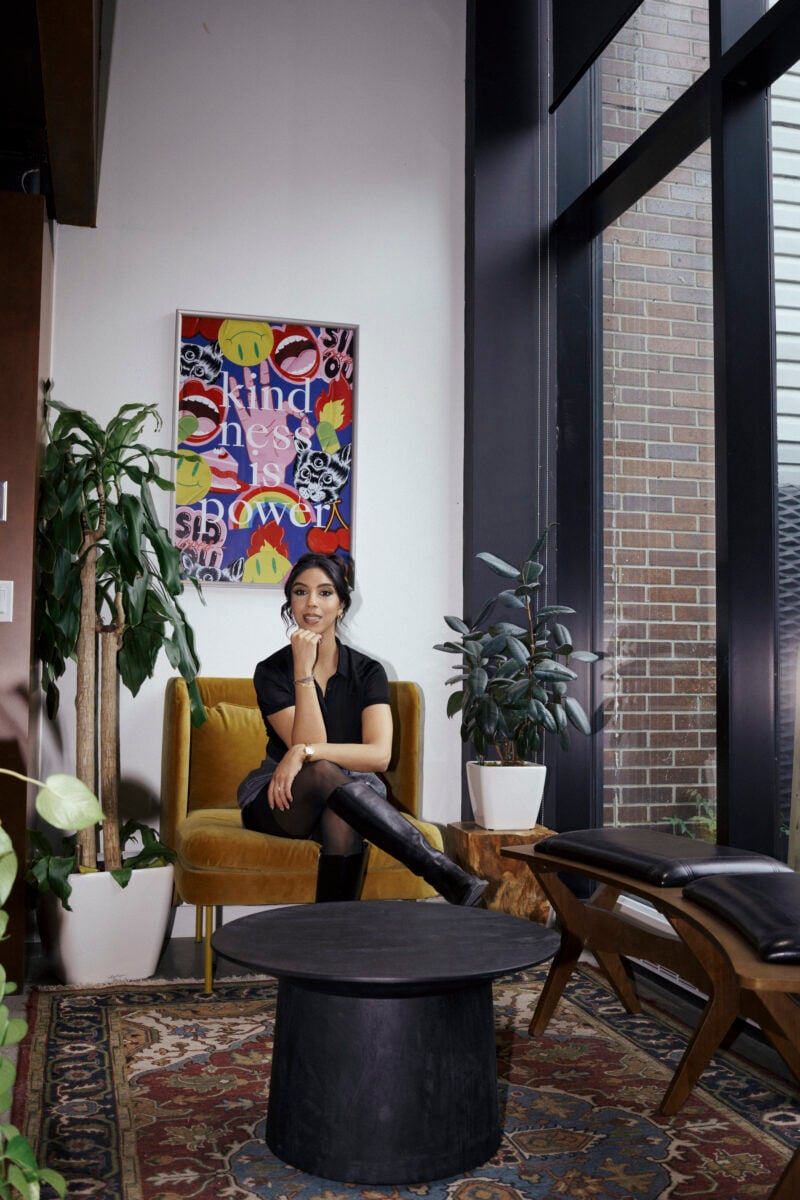
In an interview with Retail Insider, Shereen Ladha, Chief Strategy Officer at Sid Lee, discusses what consumer brands can learn from fashion’s playbook.
Question: Why do you think brands have moved toward explaining everything, and what has been lost in that shift?
Answer: The shift toward over-explanation stems from the rise of hyper-quantifiable performance marketing and an obsession with risk mitigation. In a digital-first ecosystem driven by algorithmic targeting, programmatic media, and immediate conversion metrics, brands feel pressure to spell out every product benefit, ingredient source, and values-based stance to capture short- attention-span consumers.
What gets lost in this process is imagination and play. When a brand leaves zero room for consumer interpretation, it strips away the opportunity for the audience to project their own identities onto the brand. Desire isn’t built by filling out a checklist of features, it’s built in the gap between what a brand reveals and what the consumer imagines.
By explaining everything, CPG brands flatten their utility into mere commodity, losing the cultural resonance and irrational loyalty that turn products into icons.
Q: What can CPG brands learn from fashion brands that successfully use mystery, anticipation and interpretation to build desire?
A: Fashion brands understand something fundamental about human psychology: desire is built through intentional world-building and narrative tension. The most interesting brands in fashion today know who they are, and build expansive, immersive universes with their own aesthetic codes, values, and cultural languages. CPG brands can transform everyday commodities into objects of desire by stealing a page from the fashion brand playbook: treating the brand as a living universe.
Fashion brands excel because they curate distinct “brand worlds”. Every campaign, show, collection, even packaging detail acts as a chapter in an ongoing story. CPG brands often treat products as standalone solutions to a functional problem. Instead, the focus needs to be on world-building, creating an aesthetic ecosystem, a specific attitude, and a distinct narrative context that makes purchasing feel less like a transaction and more like opting into a broader cultural realm.
Q: How does over-explaining a brand’s purpose, creative decisions or product benefits affect consumer engagement and the impact of marketing campaigns?
A: Over-explaining creates cognitive fatigue and breeds skepticism. Consumers are marketing-literate. When a brand over-justifies its purpose or over-indexes on explaining every creative choice, it feels performative rather than authentic.
From an engagement standpoint, over-explaining kills active participation and imagination, where the audience doesn’t need to discuss, debate, or share it. The most culturally impactful campaigns act as conversation starters, not fully formed essays. When you give the audience the tools to interpret the work themselves, they become active co-creators of the brand’s cultural narrative, dramatically amplifying earned reach and campaign effectiveness.
Q: Can you share examples of fashion brands that have mastered the balance between transparency and intrigue, and what lessons CPG brands can take from them?
Answer:
● Maison Margiela: Historically built its entire brand DNA on anonymity, unbranded white labels, and mysterious shows, while maintaining absolute transparency in craftsmanship and garment construction.
○ CPG Takeaway: You can be radical about product quality and integrity without giving away your magic. Let the craft speak for itself while keeping the brand persona elevated and intriguing.
● Telfar: Mastered accessibility and transparency through their “Bag Security Program” (eliminating artificial scarcity for buyers) while preserving intense cultural clout and hype around their drops and creative collaborations.
○ CPG Takeaway: Transparency should apply to how you treat your customer (pricing, access, sourcing), while intrigue should apply to how you express your culture.
● Bottega Veneta: Notably wiped its social media presence to focus on quiet luxury, zines, and high-impact physical activations, proving that pulling back on constant digital noise can actually increase brand desirability.
○ CPG Takeaway: You don’t need to be everywhere, talking all the time. Selective, high-impact moments build more affinity than continuous broadcast messaging.
Q: How can consumer brands create curiosity and cultural relevance while still meeting today’s expectations for authenticity and transparency?
A: The key is separating operational transparency from creative expression. Consumers expect transparency when it comes to business practices: ethical sourcing, clean ingredients, fair pricing, and clear supply chains. That is the baseline price of entry today. However, brands often mistake operational transparency for creative literalism.
To build curiosity while remaining authentic, brands should be:
● Radically clear on facts (the what and how of the product via packaging, site footers, or QR codes).
● Deliberately poetic in storytelling (the why and vibe of the brand across campaign touchpoints).
When you handle your supply chain with total honesty, you earn the permission to be enigmatic, bold, and artfully mysterious in your creative work. Authentic brands don’t need to explain why they are cool, they just build a world people desperately want to be part of.
More from Retail Insider: