The new Faire Independent Retail Pulse: Fashion, Rewired report reveals how independent retailers are winning by keeping up with the compressed fashion cycle fueled by fashion trends on social media trends.
The report said social media and celebrities – and celebrities using social media — have usurped traditional fashion media in their ability to set trends.
“Influence has moved out of editorial meetings and boardrooms to forums closer to consumers. Now independent retail, which also operates closer to shoppers than chain stores that make decisions at the national level, can jump on grassroots trends more quickly.” said the report.
The report said the rise of social platforms and the 24-hour celebrity news cycle have democratized and fragmented the nature of trendsetting.
“Now trends may emerge in a small community, on TikTok or Instagram, through creators and celebrities, or shift in real-time with shoppers’ changing behaviors — often before traditional fashion players have had time to catch up,” it said.
“Independent retailers are well-positioned for a new normal that requires a much tighter feedback loop between signal and buying decisions. Unlike their mass market counterparts, they are less constrained by national assortments and closer to their customers — shoppers they interact with every day — which allows them to stock their shelves based on the specific tastes and identities of their customers rather than with a standardized national planogram. Their inherent flexibility also means they place smaller, more frequent orders, so they can respond to emerging trends in days and weeks rather than face months, even years, of lead-time.”
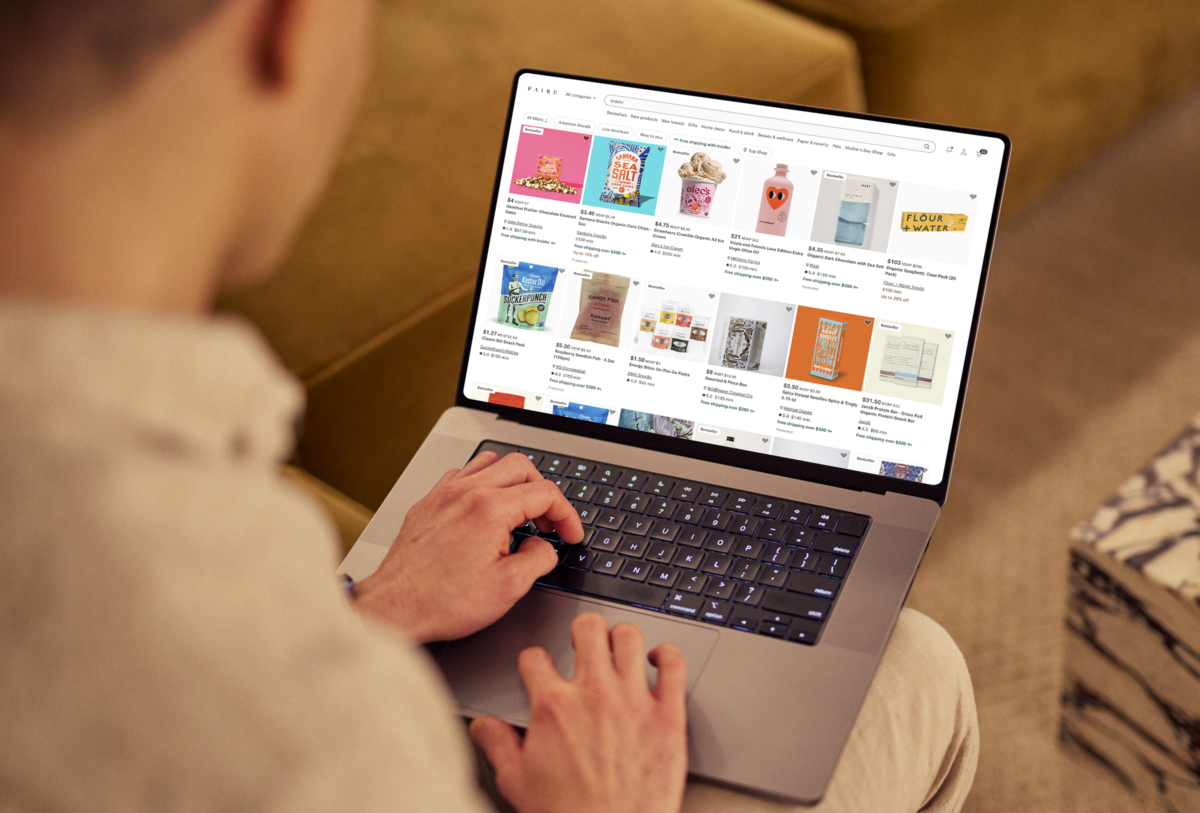
Here is a snapshot of the report findings (based on Faire first-party independent wholesale data):
- Mock-neck sweatshirts are in: U.S. orders on Faire grew 11.5x, fueled by a TikTok DIY trend of customizing them with iron-on patches, a cheaper, more personal alternative to ready-made merch or pricier brands like Parke.
- Loungewear and matching sets are overtaking activewear: Order growth hit nearly 95% for loungewear and over 103% for matching/coordinated sets, making them the two fastest-growing apparel subcategories.
- Plus-size unit share is decreasing: With an estimated 1 in 8 adults now using GLP-1 drugs, a figure that could triple by 2030, the share of apparel units sized above an XL has fallen by over 27% in the past three years.
In interviews with Retail Insider, Faire’s CRO Jennifer Burke and Trend Expert Hannah Wall talk about some of the report’s findings.
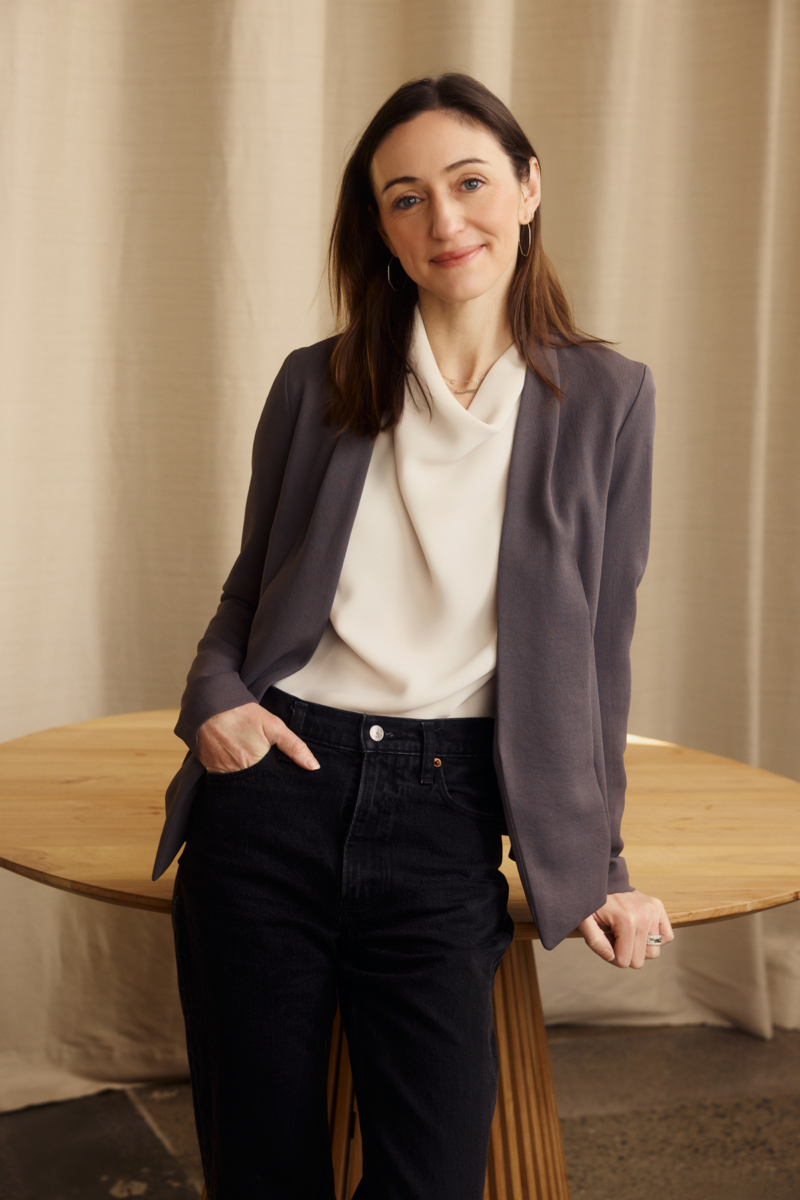
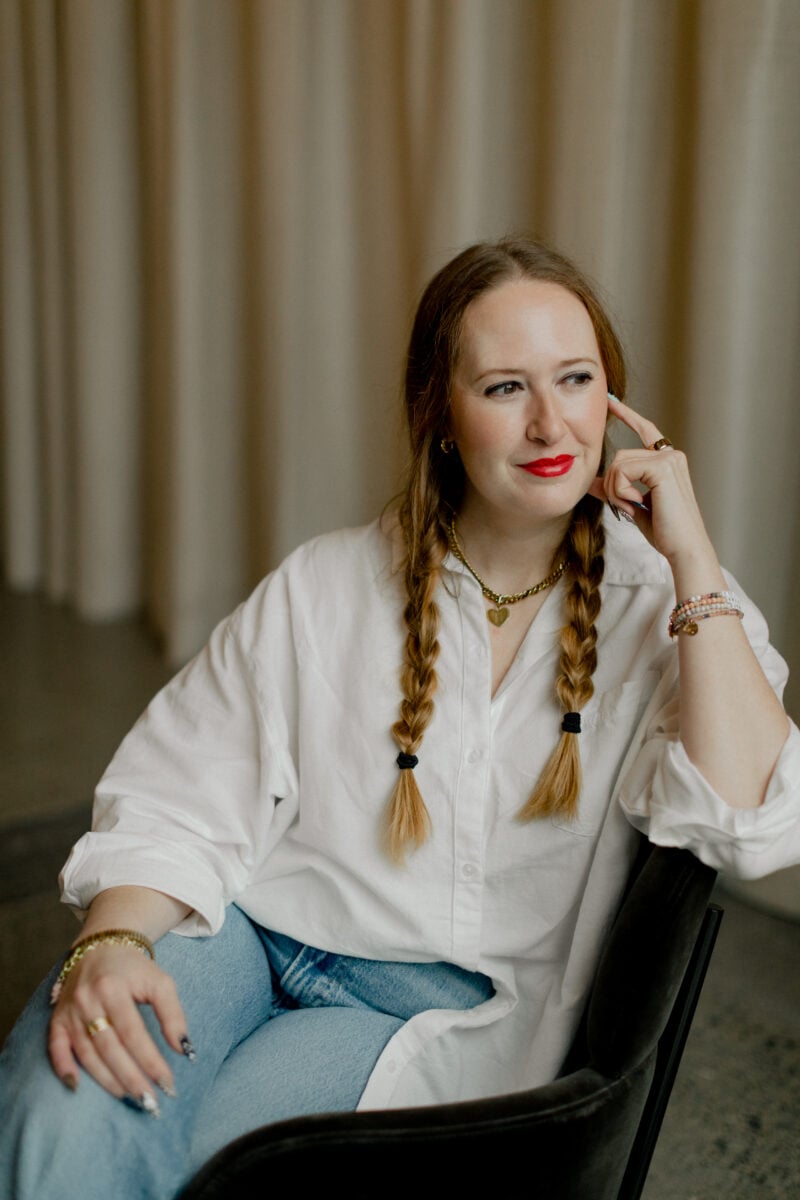
Jennifer Burke — CRO, Faire
Question: What does the rapid growth in certain apparel categories tell us about how independent retailers are responding to the increasingly compressed fashion cycle driven by social media?
Answer: Independent retailers are staying plugged into social media trends, then acting on them fast to capture the demand. Mock-neck sweatshirts are a good example of how these trends move from screens to stores. When the DIY trend of personalizing plain mock-neck sweatshirts with iron-on patches spiked on TikTok around July 4th and the World Cup, mock-neck sweatshirt searches on Faire ran at more than nine times the normal pace, and their share of US apparel orders jumped 11.5x, making July 2026 the biggest month on record for the category. The retailers who can move that fast are the ones who end up capturing the demand.
Q: How are independent retailers using smaller, more frequent orders to respond to emerging trends and adjust their inventory and size assortments faster than larger retail chains?
A: It comes down to buying cadence. Independents aren’t locked into a national assortment, so they stock and restock, based on what their customers actually want, and their orders are smaller and more frequent, letting them react in days or weeks instead of the months-long lead times chains are stuck with.
The striped loungewear trend shows this. In the eight weeks after Rihanna was photographed in a pajama set that went viral, the number of new brands listing striped pajama and loungewear sets on Faire roughly doubled, outpacing new listings elsewhere on the marketplace. Big retailers are buying off a vendor roster locked in months earlier, so they don’t have the flexibility to pick up on emerging styles the way independents can.
Q: What does the decline in plus-size unit share alongside the growth of GLP-1 use mean for independent fashion retailers, and how should they be thinking about sizing and inventory planning?
A: Independent retailers with smaller depth in size runs can order more of what’s actually selling right now, which matters as customer demand changes faster. A fifth of people who’ve lost weight on GLP-1s say they’re shopping less at big-box chains, and over half think those chains aren’t handling sizing for bodies in transition well. Watching your own data and assorting for your customers has become more important than ever.
Hannah Wall — Trend Expert, Faire
Question: Which fashion trends emerging on social media are having the greatest influence on what consumers are buying right now, and why are some trends translating into retail demand faster than others?
Answer: Heading back into cooler weather, the staying power of the mock-neck sweatshirt trend is a good example of how the timing of a trend matters as much as the idea itself. Personalizing sweatshirts with iron-on patches took off on TikTok, but it really spiked around moments that gave people a natural reason to customize something, like the Fourth of July and the World Cup. Those cultural touchpoints gave the trend a built-in occasion, so it wasn’t just “here’s a cute DIY,” it was “here’s what you wear to this occasion happening right now.” Search for the term ran at more than nine times the normal pace, and its share of apparel orders jumped 11.5x almost overnight in a well-established category, proving that even staples can retrend.
Q: What is driving the rapid growth of loungewear and matching sets, and does this signal a broader shift in how consumers are thinking about fashion and everyday dressing?
A: What’s driving specific styles within that shift is celebrities and content creators. The striped pajama set took off after Rihanna was seen wearing one out in public, and that image spread fast through social media and inspired a wave of similar styling. Her balance of polished prep and pajama comfort are so desirable that social media locked in.
The gravitation towards matching sets reflects a similar craving for polish and comfort. Loungewear orders grew 95% and matching sets grew 103% year over year. We’re also seeing growth in oversized sweatshirts, one-size pieces, and relaxed sweaters, clothing that’s easy to live in. Together, I’d call it a bigger shift toward comfort and relaxed dressing generally, not just one look.
Q: How should independent retailers distinguish between a short-lived social media trend and a trend with enough staying power to justify putting it into their inventory?
A: Order small and let the data (and your customers) tell you, rather than betting big on a hunch. That’s the real edge independent retailers have: they can place a trial order and see within days whether something’s actually resonating with their customers. And because they’re talking to their customers directly, day to day, they don’t need to guess what’s resonating nationally, they can test it locally first and scale the order up only once it’s proven out with the people actually walking into their store.
More from Retail Insider: