Brand activations have become increasingly visible across the Canadian retail landscape, appearing in shopping centres, public spaces, temporary pop-ups and private events created for influencers and other invited guests. The formats vary widely, from interactive beauty installations and product launches to elaborate experiences built around food, hospitality, entertainment and sport.
The idea is to give people an opportunity to experience a brand differently from the way they would through conventional advertising or a product sitting on a retail shelf. For some brands, an activation also creates an environment that can be photographed, filmed and shared online, extending a physical event to a much larger audience.
Pria Rajput, Founder and Creative Director of Black Label Designs, has worked on activations alongside the firm’s broader work in retail, hospitality and wellness. She said interest in these experiences reflects, in part, a desire for interactions that happen away from screens.
“People are looking for experiences that are offline and in person,” Rajput said. “With an activation, you’re taking a product and showing it in a different way than simply selling it in a retail space.”
That helps explain the appeal for retailers and consumer brands. The product remains important, but the setting, activity and interaction around it can become part of how the brand is presented.
Putting a Product Into an Experience
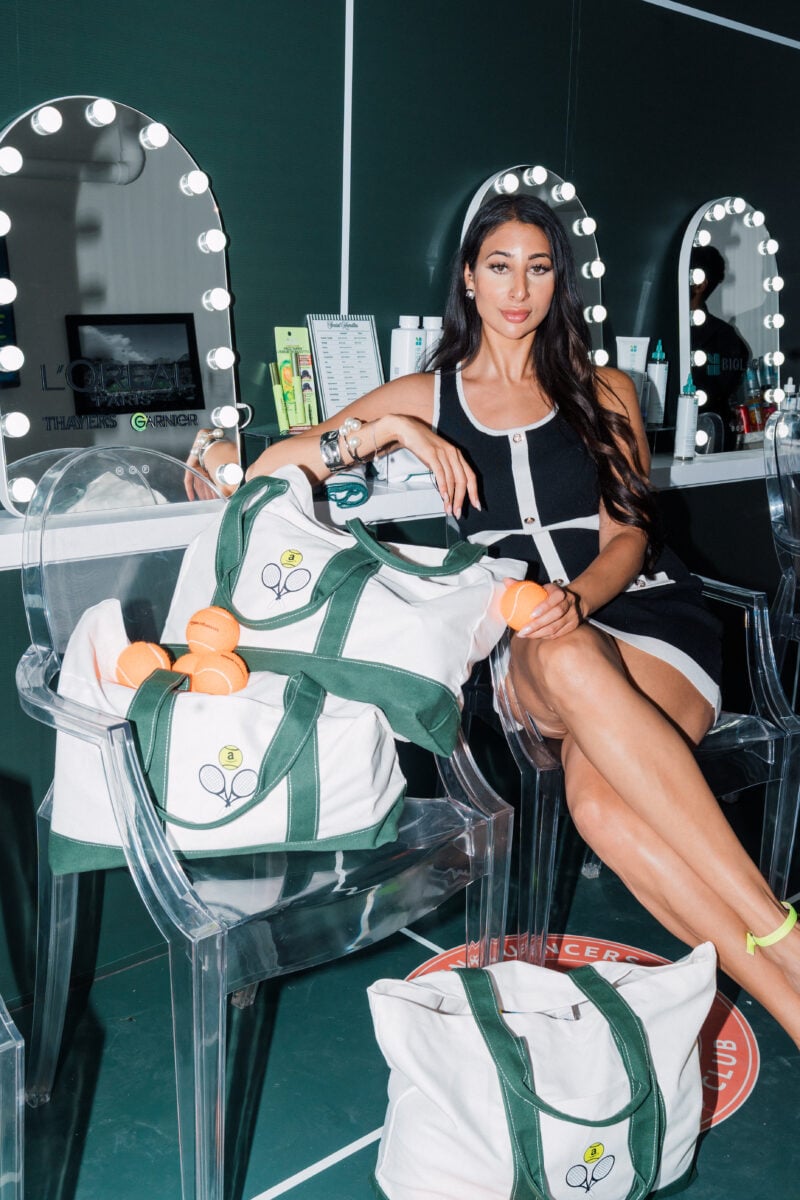
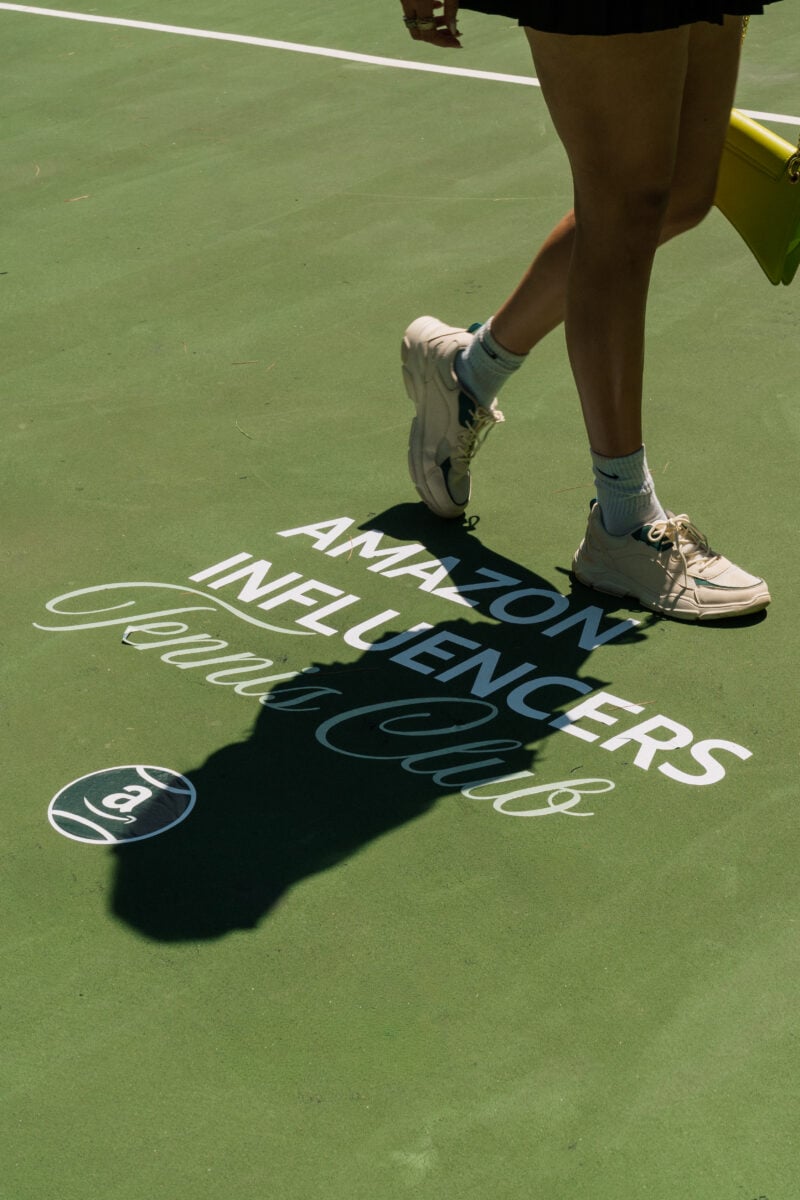
A recent Amazon creator activation attended by Retail Insider offered a clear example. Held at a private residence with a swimming pool and tennis court, the summer event brought together selected creators from the Amazon Influencer Program with a group of sponsoring brands. Canadian tennis star Leylah Fernandez participated in the tennis component, while beauty, personal-care and other products were incorporated throughout the property.
Rajput and her team were involved in designing and producing the activation, with individual products integrated into the broader experience. For Biolage, the team drew from colours associated with the brand to develop specially made popsicles using lime and mojito tones. Branding was incorporated into the popsicle sticks, and guests could ring a bell to receive one. Fresh food, mocktails and other hospitality elements were also part of the event.
“We take the product and figure out what kind of experience we can create around it,” Rajput said.
The setting provided opportunities to place products in circumstances where attendees could imagine using them. Sunscreen and frizz-control products, for example, were being experienced outdoors on a hot summer day, beside a swimming pool and during an event built partly around tennis.
“It’s taking a brand and creating an experience that shows a type of lifestyle,” Rajput said. “You can see yourself using the product that way, and now you’re actually in that environment.”
There is research behind the idea. A peer-reviewed study examining brand experience in event marketing identified multisensory stimulation, physical participation, social interaction and discovery or learning as interconnected ways consumers engage with brands during events. The physical and social environment surrounding a product can therefore contribute to the overall experience of the brand.
For retailers and brands, the surroundings are more than decoration. What people see, taste, touch and do, along with the people they interact with, can influence how they remember the product afterwards.
Creating Something People Remember
Memory is central to Rajput’s thinking around activations. Products in a conventional store compete with hundreds or thousands of other items for attention, while advertising competes with social media, websites, streaming services and countless other messages consumers encounter throughout the day. An activation gives a brand an opportunity to temporarily create its own environment around a product.
“How are they going to experience it, and how does it become a moment they remember?” Rajput said.
The tennis event illustrates the point. An attendee wasn’t simply shown a beauty product; the product became associated with an afternoon involving sport, food, conversation, a swimming pool and an unusual setting. A popsicle, mocktail or game of tennis may have little to do with selling a beauty product on its own, but together those details can place the product within a broader experience.
Execution matters. Adding a logo to a temporary installation or distributing free samples does not necessarily give consumers a reason to remember a brand. The product, audience, setting and activity have to work together, and Rajput said location is an important starting point because it helps determine what can realistically be created.
“Location and environment are huge,” she said. “That’s what sets the parameters for what’s going to be done.”
Creators Give Activations a Second Audience
The growth of creator marketing has added another dimension to experiential campaigns. An activation may physically reach a relatively small number of people, but an invited creator can photograph the event, produce video, demonstrate products and share the experience with an audience many times the size of the original guest list.
IAB Canada said in a July 2026 assessment of the Canadian market that creator and influencer marketing now plays a central role in how Canadians discover, evaluate and engage with brands. It also noted that expectations are changing as advertisers look beyond reach toward credible storytelling, measurable outcomes and greater integration with broader media strategies.
Creator-focused activations sit within that evolution. Amazon’s Influencer Program, for example, extends the company’s Associates program to qualifying social media influencers. Participants can create their own Amazon pages featuring products they recommend and can earn from qualifying purchases.
A creator attending an activation can be both a guest experiencing the brand and a potential source of content through which other consumers discover the product. In some cases, that relationship can extend into commerce. The physical event may last only a few hours, while photographs, videos and product recommendations created around it can continue circulating afterwards.
Rajput also sees exclusivity as part of the appeal of some invitation-only experiences.
“People want to feel special,” she said. “People want to feel like they’re invited to something that others don’t have access to.”
For creators, that access can provide material their audiences would not otherwise see. An event can be exclusive in person while becoming highly visible online, giving brands exposure well beyond the people who were actually invited.
The Strategy Extends Beyond Influencer Events
Creator events are only one form of brand activation. Pop-ups, product launches, temporary installations and public experiences inside shopping centres can use many of the same principles, even when the objective is to reach consumers directly.
Rajput’s introduction to activations came through shopping-centre work. She said projects involving foot traffic, dwell time and how visitors interacted with tenant spaces eventually led to pop-ups and activations.
“We came into the activation world by mistake,” she said.
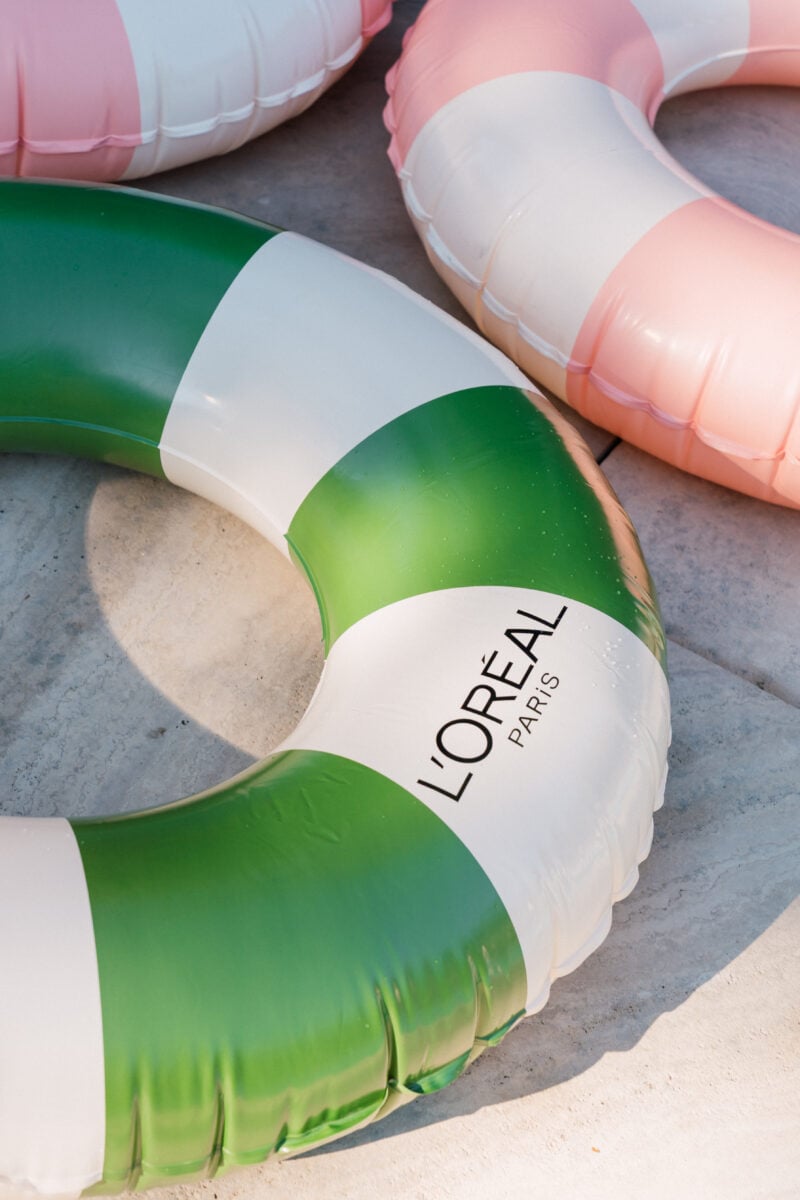
The progression highlights the overlap between retail design and experiential marketing. Both involve decisions about how people move through physical environments, where they stop, what attracts their attention and how the surroundings communicate a brand.
A second Amazon project in Vancouver shows how different the execution can be. A pet-focused activation held on a patio included a faux pool where dogs could play, pup cups and an interactive component allowing attendees to create accessories for their pets. The activities were very different from the Toronto tennis event because the audience and products were different, but the objective was similar: create an environment in which people could interact with the product category instead of simply viewing merchandise.
Bringing a Retail Lifestyle to Life
Canadian Tire Corporation’s recent Hudson’s Bay Stripes campaign provides another Canadian example of the relationship between product and setting. Following its 2025 acquisition of select Hudson’s Bay Company intellectual property, Canadian Tire launched a 32-piece Hudson’s Bay Stripes Summer ’26 collection in May, extending the familiar Stripes into outdoor furniture, beach products, games and entertaining.
The assortment included a pickleball set, Muskoka chair and Canadian-made cedar-strip canoe. Canadian Tire positioned the collection around bringing the Stripes into more everyday Canadian moments, particularly those associated with summer, while an influencer activation in Prince Edward County subsequently placed products from the collection into a cottage setting.
The environment reflected the retail proposition. Merchandise associated with patios, cottages, beaches and outdoor recreation was presented within the type of lifestyle setting the collection was intended to evoke. It follows the same principle Rajput describes: athletic products can be activated through sport, food products through hospitality and beauty products in environments where their intended uses become relevant.
The strongest concepts connect the experience to the product instead of treating the event and merchandise as separate things. That connection becomes particularly important when brands want attendees and creators to remember an experience and subsequently share it with others.
A Few Hours Can Require Weeks of Work
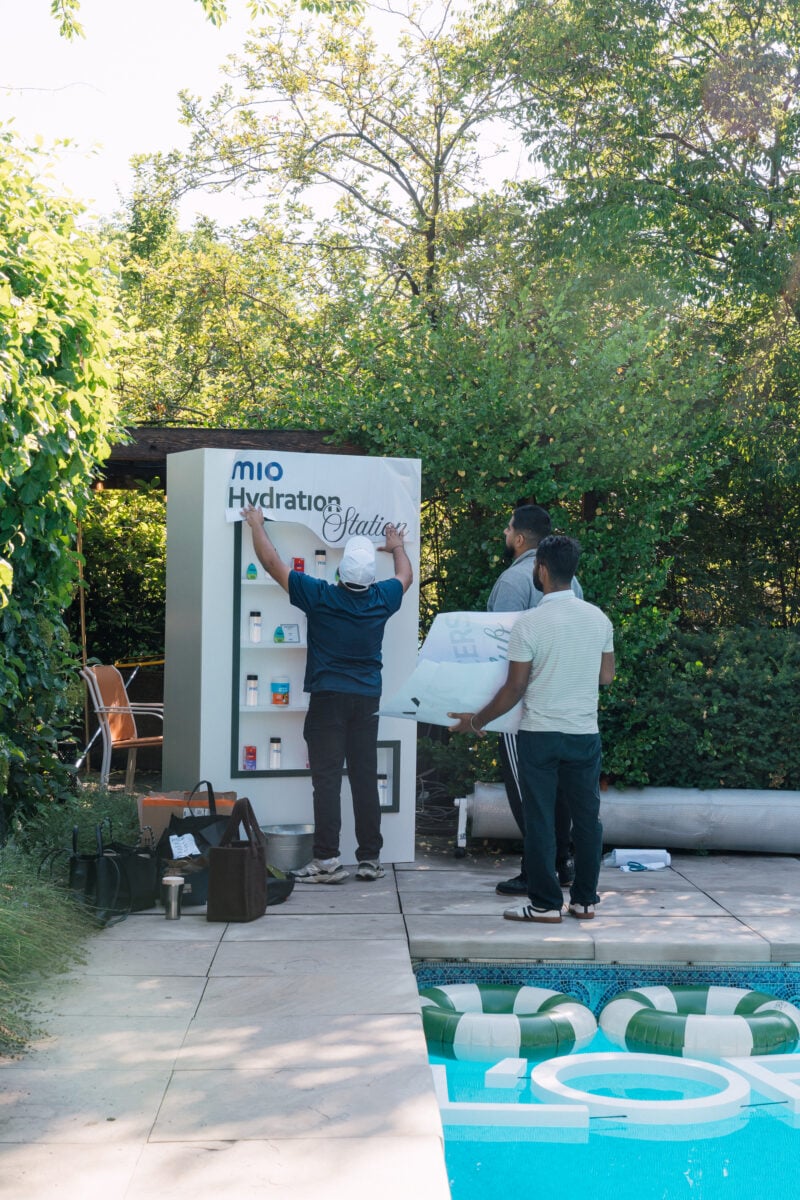
The temporary nature of activations can disguise the amount of work required to create them. Depending on the scale of a project, Rajput said the process can involve graphic design, illustration, spatial planning, fabrication and millwork drawings before anything reaches the event site. Locations have to be found, logistics organized and concepts approved by participating brands.
Production is followed by installation and onsite coordination, while other teams may be dealing with public relations, guest lists, budgets, staffing and unexpected problems. Once the event ends, everything may have to be dismantled.
“There is a huge team behind these activations,” Rajput said. “We’re talking about digital assets, graphic design and illustration, interior design, logistics, working with the brand clients and fabrication team, and then going into production behind the scenes.”
All of that effort can be directed toward something that exists very briefly.
“There’s a lot involved with pulling an activation together for just a moment,” she said. “There’s all of this pre-production that goes into it, and then it’s just for a moment and it’s gone.”
The temporary nature also gives brands considerable flexibility. A permanent retail environment has to function over a much longer period, while an activation can be designed around a particular product launch, season, audience or cultural moment. A future activation can take an entirely different form.
Measuring What an Activation Accomplishes
Return on investment is one of the more complicated questions surrounding experiential marketing. Rajput has encountered the issue when discussing activation projects with boards and clients, where some results can be readily measured while other objectives relate to awareness, brand perception and the longer-term value of the experience.
“You can measure certain things,” she said. “But you’re not going to have the same type of analytics you would if you were looking at the numbers for a feasibility study.”
Activations are not inherently unmeasurable, and the appropriate metrics depend on what a brand set out to achieve. A shopping-centre activation might look at attendance, participation, dwell time or traffic, while a creator campaign can examine content production, reach, engagement and subsequent affiliate activity. Product sampling, promotional codes, lead collection, media coverage and sales can provide additional measures.
IAB Canada’s recent work on creator marketing similarly points toward a market where brands are expecting measurable outcomes rather than treating creator reach alone as evidence of success. Immediate sales may not capture every objective, particularly when an activation is intended to introduce an unfamiliar brand, encourage product trial or influence how an existing brand is perceived.
“It’s creating a memory,” Rajput said. “It’s creating a buzz, getting people through the door in a different way and creating an experience that’s unique.”
Where Activations Could Go Next
Rajput is seeing more overlap between retail, hospitality, entertainment, wellness and marketing as brands look for different ways to engage consumers in physical environments. Sport can sit alongside hospitality, wellness can be integrated with food and beverage, and a temporary brand installation can begin to look and function much like a retail or hospitality space.
She expects more sophisticated physical installations to become part of the mix, including fabricated environments that allow visitors to experience a brand almost as if they had entered a store created specifically for that moment. For retailers and consumer brands, an activation can be built around one product, audience, season or occasion without having to serve the broader needs of a permanent store.
The installation itself may exist for only a few hours or days, but the experience can travel much further through the people who attended, the content they created and the memories associated with the brand long after the physical space has disappeared.