Canadian designer and entrepreneur George Sully has spent more than two decades building brands, developing products, working with major retailers and creating platforms for Canadian designers.

With his memoir, Designing in the Dark: A Memoir of Vision, Resilience, and Redefining Canadian Design, set for release October 6 through Toronto-based ECW Press, Sully is looking back at the decisions, setbacks and business lessons that shaped that career.
The publication also marks a Canadian fashion milestone, making him likely the first Black male Canadian fashion designer to publish a memoir.
The book traces his journey from growing up in public housing in Ottawa through a career spanning footwear, apparel, accessories, publishing and design. For Sully, writing it required enough distance from those experiences to understand what they meant without losing sight of what they felt like at the time.
“For years, I was so focused on surviving the moment, building the next brand, making the next opportunity work and solving the next problem that I rarely stopped to consider the complete journey,” Sully told Retail Insider. “When I looked back, I realized the story was bigger than any one company or accomplishment.”
Becoming a father also changed the way he thought about legacy and what he wanted his children, along with the next generation of creatives, to understand about the path he had taken.
Designing Without a Blueprint
The title Designing in the Dark reflects a recurring theme in Sully’s career: building without certainty that the resources, opportunities or industry support he needed would eventually appear.
He entered fashion without money, established industry connections or a traditional fashion education. Much of his early career involved learning while building, trusting his instincts and pursuing ideas before there was much evidence they would work.
“The darkness was never an absence of vision,” he said. “It was an absence of visibility, access and reassurance.”
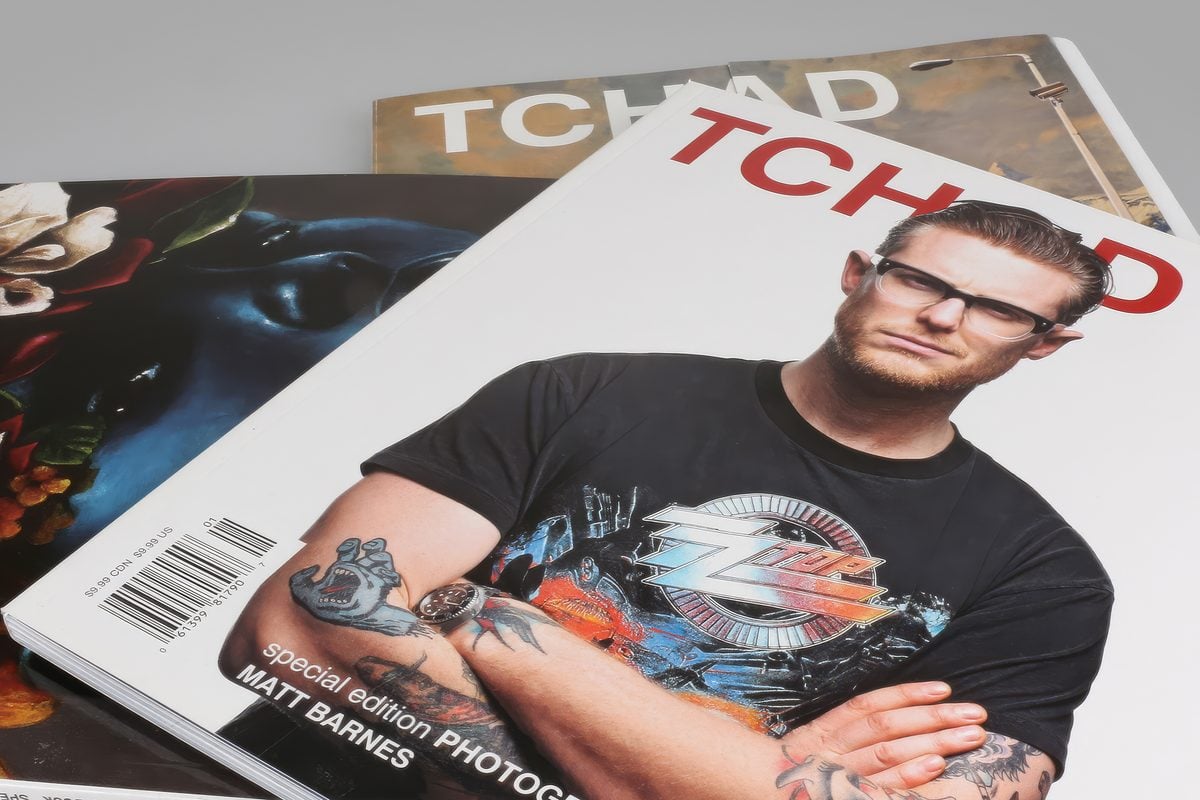
Sully’s career stretches back to the early 2000s and has included Limb Apparel, publishing venture TCHAD Quarterly, footwear brand Sully Wong, House of Hayla and accessories and lifestyle business Sully & Son Co.
Sully Wong, created with longtime friend Henry Wong in 2010, achieved national retail distribution, including through Hudson’s Bay and The Shoe Company. House of Hayla later expanded his work into women’s footwear, while Sully & Son moved into premium accessories and lifestyle products.
Moving between those businesses gave Sully experience across product development, manufacturing, wholesale, branding and publishing. It also changed how he thought about what separates an interesting product from a lasting company.
Building a Business Beyond the Product
“The biggest lesson is that a great product may attract attention, but structure is what allows a brand to endure,” Sully said.
That structure includes margins, production capabilities, cash flow, intellectual property, distribution and a clear understanding of the customer. A compelling story can establish a brand’s identity, but purpose and attention cannot compensate for weak business fundamentals.
Sully also learned the limitations of building a company around the constant involvement of its founder.
“Passion is powerful, but it is not an operating system,” he said.
If everything stops when the founder stops, he argues, the entrepreneur may have created a demanding job without creating a company capable of enduring independently. Brands also have to adapt as products, markets and consumer preferences change without losing the identity that made customers notice them in the first place.
Those lessons became particularly important as Sully began working with larger retailers.
Lessons From Major Retailers
Sully has worked with retailers including Harry Rosen, Hudson’s Bay and Holt Renfrew at different stages of his career. He describes the relationship between designer and retailer as one built around shared risk.
A retailer can provide traffic, credibility, visibility and volume. The designer brings newness, differentiation, cultural relevance and products or stories that can distinguish the retailer’s assortment.
But getting onto a national retail floor brings operational demands that have little to do with the glamour sometimes associated with fashion. Designers need accurate costing, dependable production, consistent quality, clear communication and the ability to deliver on time.
Sully argues that retailers also have to approach Canadian designers as serious commercial partners.
“Canadian designers cannot be treated as charitable initiatives or temporary marketing stories,” he said. “They need meaningful orders, fair terms, visibility and the opportunity to grow.”
Getting onto the floor, in other words, is only the beginning. The stronger partnerships create conditions that allow a brand to remain there and grow.
One of Sully’s more recent lessons came through Hudson’s Bay. He told Retail Insider he had been developing George Sully Home with the retailer, an expansion of his design work into a new category, when the company’s collapse brought the project to a halt.
“It reminded me that prestige is not protection,” he said.
For a designer, securing a major retail partnership can feel like the victory. Sully came to see the milestones that follow as more important: producing and delivering the merchandise, achieving sell-through, getting paid and turning the opportunity into a sustainable business relationship.
“Sometimes the biggest name in the room can still be the biggest risk on your balance sheet,” he said.
The experience reinforced the importance of protecting cash flow, diversifying distribution and avoiding excessive dependence on a single retailer or partnership.
Canada’s Difficult Middle
For Sully, many of the challenges he encountered point to a larger weakness in Canada’s fashion industry.
“Canada does not have a shortage of talent,” he said. “What we lack is enough infrastructure between emerging and established.”
A designer can develop a compelling product and generate early attention. Turning that into a national business requires working capital, production financing, sales representation, dependable manufacturing, distribution and sustained marketing.
Canada’s geography adds to the cost. Reaching consumers across the country is expensive for a small company, while expanding internationally requires another level of capital and operational capacity.
Wholesale can create its own cash-flow pressures. Smaller brands may have to finance production months before receiving payment, meaning that winning a significant order can actually increase the immediate financial demands on the business.
It is in this middle ground, after a brand has attracted attention but before it has developed scale, where Sully believes many promising Canadian businesses get stuck.
“A feature, award or social media moment can introduce a brand, but it cannot finance inventory or build national distribution,” he said.
That distinction between being visible and building something commercially sustainable would eventually influence another major part of Sully’s career.

Turning Visibility Into Commercial Opportunity
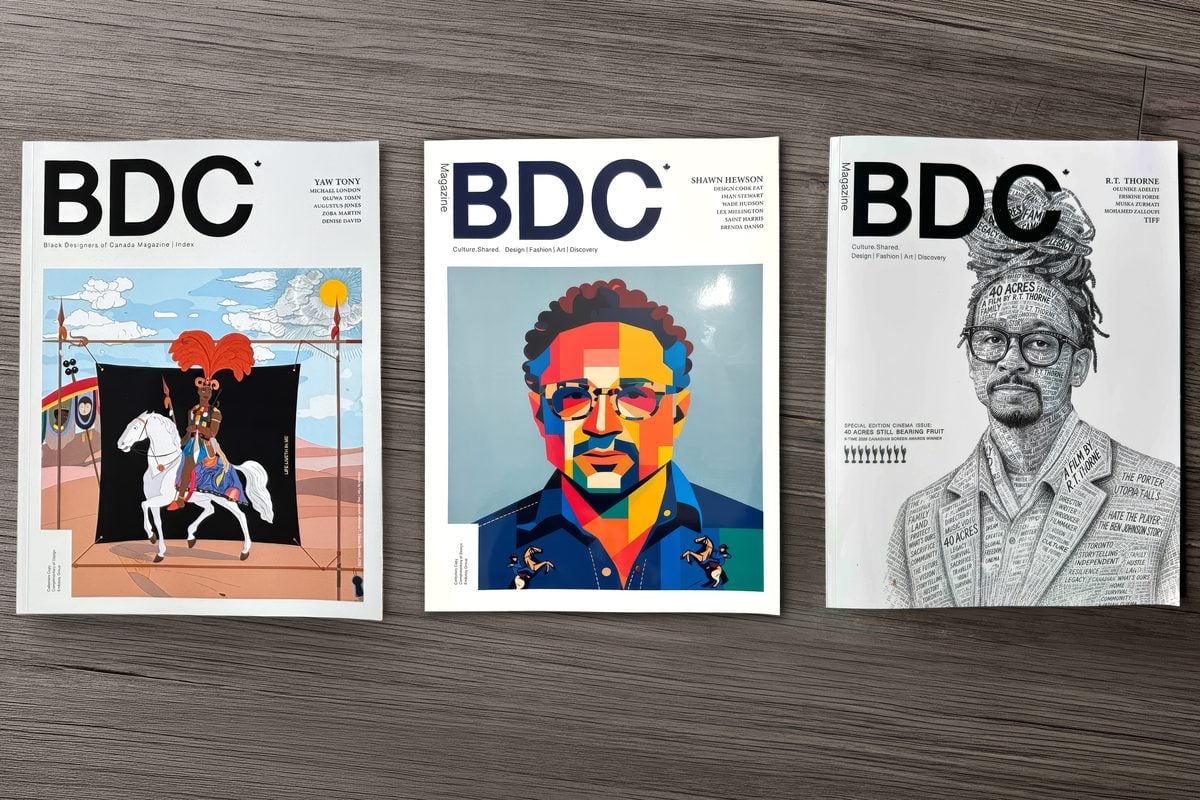
Sully launched Black Designers of Canada in June 2020 to increase visibility for Black Canadian designers and make their work easier for retailers, buyers, stylists, media and other industry participants to discover.
Six years later, he sees progress in bringing designers into the national conversation. What matters now, he says, is whether that recognition translates into durable economic opportunity.
“Representation in a campaign is valuable, but ownership, purchase orders, investment, senior decision-making roles and long-term retail relationships are what change businesses and lives,” he said.
“We have made progress in being seen. The next stage is ensuring designers are properly funded, stocked, paid and included in the rooms where commercial decisions are made.”
Looking back at the diversity initiatives introduced by retailers and other organizations around 2020, Sully sees a distinction between programs tied to business infrastructure and those primarily built around communications.
Initiatives connected to budgets, vendor onboarding, purchase orders, paid collaborations and relationships with buyers were more capable of producing lasting opportunities. Programs built around a moment of urgency could be more vulnerable once corporate priorities changed or budgets tightened.
“Inclusion has to be integrated into procurement, hiring, merchandising and leadership,” Sully said. “If it only exists within marketing, it will always be vulnerable to the next marketing cycle.”
Black Designers of Canada has since expanded beyond its original directory concept, while Sully has returned to publishing through BDC Magazine and developed other editorial and creative projects. His work was recognized with the Canadian Arts & Fashion Awards’ Change Maker Award in 2022.

Owning the Platform
The evolution of Black Designers of Canada also reflects a shift in Sully’s approach to his own career.
He no longer sees footwear, apparel, creative direction and publishing as separate pursuits. Publishing, in particular, taught him the value of owning “the platform, the audience and the context in which stories are told.”
Sully now considers the move from building individual products to developing platforms, audiences and relationships he could control one of the most consequential business decisions he made.
Founding Black Designers of Canada and returning to publishing through BDC Magazine made him less dependent on waiting for a particular retailer, buyer or institution to provide an opportunity.
There are things he would change. Sully said he would have built stronger financial safeguards earlier, diversified distribution sooner and placed greater emphasis on owning direct customer data.
“Earlier in my career, I sometimes believed that securing the prestigious opportunity meant the difficult part was over,” he said.
What followed those opportunities ultimately mattered more: the terms, cash flow, execution, ownership and what remained after the initial attention disappeared.
‘Do Not Confuse Applause With Demand’
Those experiences now inform Sully’s advice to emerging designers and entrepreneurs.
“Start with one thing and make it undeniable,” he said.
He has watched founders try to build an entire lifestyle universe before proving there is a customer for the core product. His advice is to understand costs, margins, production timelines and minimum order quantities early, protect intellectual property and begin building a direct relationship with customers from the outset.
He also cautions against mistaking attention for commercial traction.
“Do not confuse applause with demand,” Sully said.
Compliments, followers and media coverage can create momentum. A business still needs customers, repeat purchases and healthy cash flow.
Looking Back at Penny Drive
For all the business setbacks and career changes explored in Designing in the Dark, the part Sully found most emotional to revisit was his childhood.
He returned to his years growing up in public housing on Penny Drive and reconsidered a period he had long remembered through the lens of what his family did not have. Looking back as an adult and father, he also saw the resourcefulness, imagination and independence that developed there.
“I initially thought the business setbacks would be the most emotional parts of the book,” he said. “Instead, it was returning to the boy I was before any of the brands, awards or recognition existed.”
“That boy was already designing a way forward, even if he did not yet have the language for it.”
Sully is also developing a Legacy Access Program tied to the memoir. He said the goal is to work with organizations and corporate partners to place copies in schools, libraries, youth programs, design programs and community organizations, reaching emerging creatives who may recognize themselves in parts of his story.
For Sully, that idea returns to the meaning behind the title of the book and the experience of building without knowing exactly where the next opportunity would come from.
“Darkness is not proof that there is no path,” he said. “Sometimes it simply means you are the first person being asked to design it.”