A new consumer study conducted by AnotherStory Consulting Inc. in April 2025 reveals that while price and value remain top priorities for Canadian consumers shopping in physical stores, hidden factors such as newness, inspiration, and helpful service may offer a path to differentiation for retailers struggling to stand out in a highly competitive marketplace.
The study, which surveyed more than 1,000 English-speaking Canadians in March 2025, focused exclusively on discretionary categories, including fashion apparel, housewares, home furnishings, toys and books, and pet-related items. Sandra Duff, Principal at AnotherStory, led the project, which was prompted in part by growing commentary suggesting that the brick-and-mortar retail experience had lost relevance in a digital-first world.

Shoppers Still Favour In-Store Retail, Despite Ongoing Digital Disruption
“What was really interesting to me was that so many headlines over the last few years were proclaiming the death of the mall or the death of in-store shopping,” said Duff in an interview. “Some reports even claimed that online had ruined the physical store experience. I wanted to understand what consumers were actually looking for when they visit a store. What makes it meaningful? What sticks?”
Duff said the study sought to go beyond speculation and provide empirical data about what motivates Canadians to shop in person. Respondents were asked to self-identify as a certain type of shopper and share what drove their behaviour in-store. The findings confirmed long-standing assumptions while also challenging some widely held beliefs.
Price and Quality Remain Top Priorities for Canadian Retail Consumers
“Canadians are still very price-driven,” said Duff. “Low price came out on top in every category, which wasn’t surprising. Quality came in close behind. What was really telling, though, is that shopping being ‘fun and inspirational’ ranked second to last, and service came in dead last.”
That revelation raised further questions about Canadian consumer expectations, according to Duff. “It made me wonder whether shoppers here just have very low expectations of the retail experience,” she said. “Or maybe they’ve become used to the idea that service and experience are luxuries, not norms.”
Duff added that economic conditions have only intensified the focus on price, citing inflation, housing affordability, slower job growth, and stagnant wages as key factors. “People’s budgets are stretched. This isn’t just about being a bargain hunter—it’s about survival and practicality,” she explained.
Discounters and Big Box Retailers Dominate the Canadian Shopping Landscape
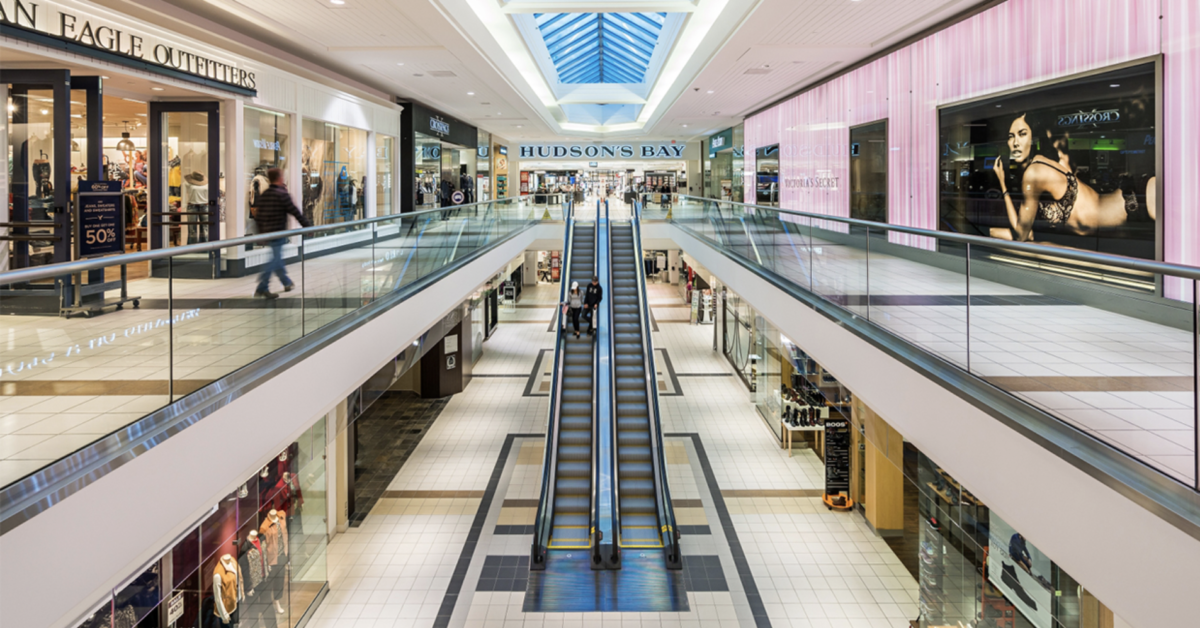
The study also captured where consumers are shopping and which formats are performing best. In the apparel category, 53 percent of respondents had visited discounters and big-box retailers such as Walmart, Old Navy, Winners, and Costco. Specialty and mall-based retailers attracted 31 percent, while only 4 percent of apparel shoppers said they had visited a department store such as Hudson’s Bay. That drop in department store traffic raises questions about the relevance of the traditional retail model, especially in the wake of high-profile closures and restructurings across the country.
Duff, who previously consulted for JCPenney in the U.S., said the decline of department stores like Hudson’s Bay is linked to multiple breakdowns—ranging from poor service and lack of inventory to uninspired product presentation.
Department Stores Lose Relevance Amid Changing Shopper Expectations
“The department store used to be a curated one-stop shop. You could find fashion, home goods, and even appliances all under one roof, with a level of service that made the experience worthwhile,” she said. “But over time, assortment quality diminished, staff became harder to find, and stores began to feel dated and empty.”
By contrast, discounters such as Winners and Homesense are gaining market share and consumer loyalty by offering what Duff calls “the treasure hunt effect.” These stores combine perceived value with rapid product turnover and constantly refreshed displays.
“There’s a sense of excitement walking into a Winners or Homesense,” she said. “They do a great job of curating by colour or theme, and there’s always something new. That freshness drives repeat visits, even without high service expectations.”
Retail Technology Needs to Be Useful, Not Just Trendy
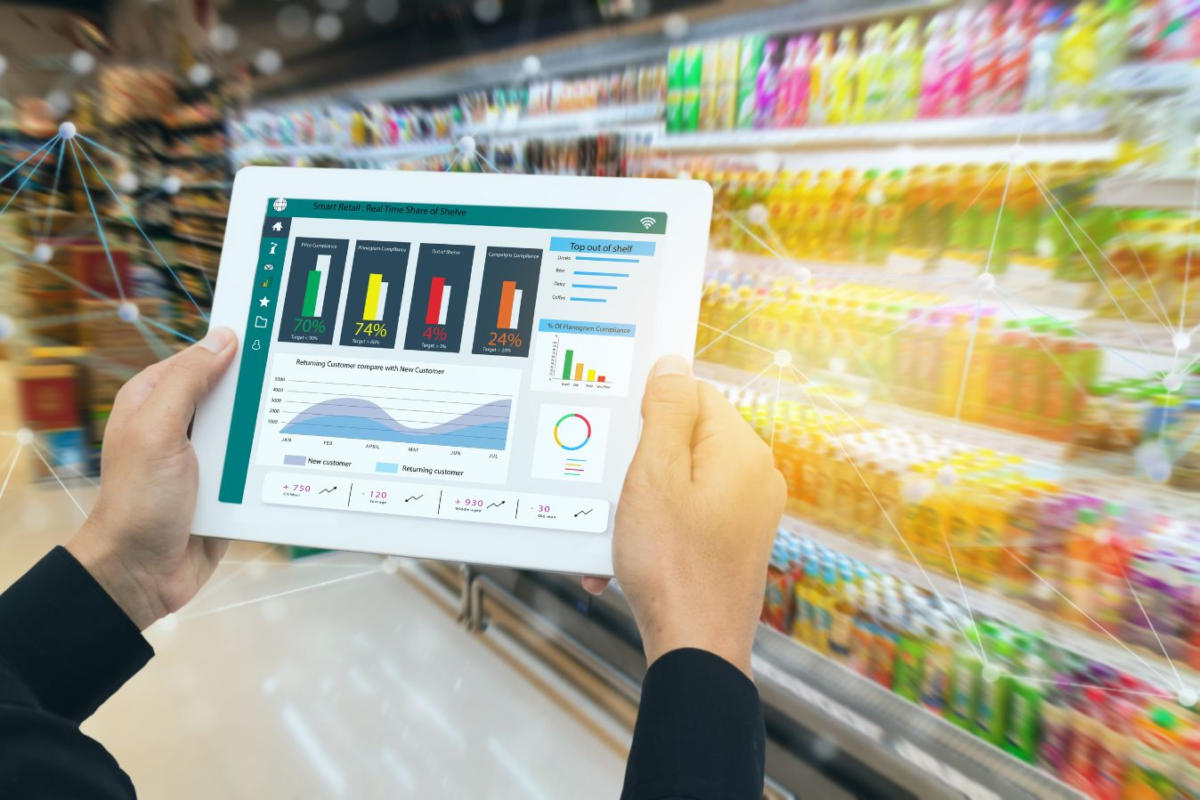
The study also explored consumer attitudes toward technology in-store, a subject of growing interest among retailers seeking to modernize operations and engage younger demographics. Duff noted that over half of shoppers believe technology can improve the in-store experience, particularly when it serves practical purposes such as confirming prices, locating products, or integrating with loyalty programs. However, more advanced or experimental tech—such as virtual try-ons or off-site customer service chat—received less enthusiasm.
“The message here is that innovation has to be useful, not just shiny,” said Duff. “Retailers talk about creating the ‘store of the future,’ but customers are asking for simple solutions that help them find what they need more efficiently. Practicality beats flash.”
Quadrant Analysis Reveals What Really Drives Retail Customer Loyalty
One of the most insightful takeaways from the study lies in its distinction between what shoppers say they want versus what actually drives their satisfaction. The research mapped customer attitudes into quadrants—“table stakes,” “key drivers,” and “hidden drivers.” While price, quality, and availability were expectedly strong as table stakes and key drivers, it was the hidden drivers that may hold the key to retail transformation.
“Hidden drivers are those things consumers might not say they care about—but they still influence whether someone has a good experience and returns,” Duff explained. “In apparel, for example, shoppers might claim price and quality matter most, but it turns out they also feel more satisfied when they encounter new collections, helpful staff, or inspiring displays.”
Freshness, Staff Support, and Store Ambience Make a Difference
In that sense, Duff sees an opportunity for retailers to push beyond the basics. “If you’re only competing on price, you’re not offering a compelling reason for consumers to switch from their current routine,” she said. “Newness and inspiration can be the differentiators.”
The study’s quadrant analysis revealed similar insights across other product categories. In housewares and home furnishings, the best-performing retailers are combining perceived value with enjoyable store layouts. In toys and books, freshness in inventory and availability of the latest products contribute more to satisfaction than expected.
“There’s a clear pattern,” said Duff. “Whether shoppers are buying a new outfit, a throw pillow, or a board game, they’re drawn to something that feels current. It’s about staying relevant and offering a reason to walk through the door.”
Resale retail is also a trend. “It actually showed up in the study in the toys, books, and games category, which I didn’t expect. I had assumed resale was still relatively niche, but its appearance in the data suggests it may be entering the mainstream more than we think.”
Canadian Tire and Mark’s Emerge as Unexpected Retail Competitors
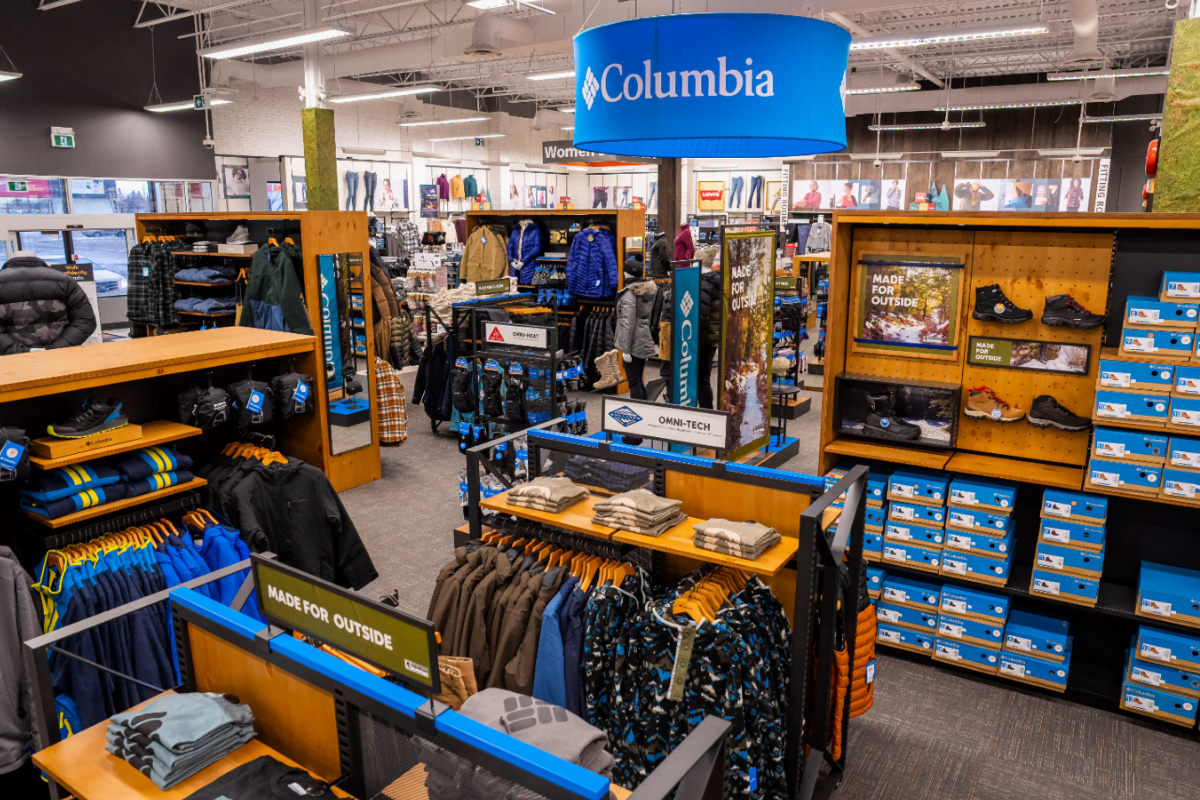
Duff also commented on emerging trends around legacy banners like Canadian Tire and Mark’s. Both appeared more frequently in shopper data than expected, especially in apparel and home.
“Canadian Tire and Mark’s are doing something very interesting,” she said. “They’ve built credibility on value and quality, and they maintain a good balance in price perception. They’re not seen as overly expensive, but they also carry trusted brands. I wonder if they could start playing the role that department stores used to fill.”
That kind of evolution, she added, would depend on their ability to combine broad product offerings with strong in-stock positions, appealing presentation, and dependable value. “What they lack in glamour, they make up for in trust,” said Duff. “For many Canadians, that might be enough.”
Retailers Must Differentiate in a Market Where ‘Good Enough’ Is the Norm
Looking ahead, Duff said retailers need to think deeply about how they’ll differentiate in a market where, paradoxically, most shoppers already feel satisfied.
“If everyone’s giving you an eight out of ten, who’s going to push to a ten?” she asked. “There’s an opportunity for someone to rise above the rest by delivering more than what’s expected. You need to check the price and quality boxes, of course—but then layer in inspiration, service, and something fresh.”
In an era where Amazon has reset price expectations and consumers are trained to hunt for value, Canadian retailers are facing a narrowing window to reassert the value of physical retail. As Duff puts it, “Customers will always tell you they want the lowest price. But if that’s all you’re giving them, you won’t win long term.”