In a world where unpredictability has become the norm, retailers are adapting with tech-first strategies to navigate everything from trade wars and tariffs to inflation and supply chain issues.
“Retailers almost live in a constant state of uncertainty,” says Mikhail Ishkhanov, Senior Director of Product Strategy and Sales Enablement at SOTI. “Now it’s tariffs, but over the past five years we’ve also had inflationary pressures, decreased consumer purchasing power, supply chain disruptions, and staffing challenges.”

With retail being a major focus area for SOTI, the Mississauga-based company is seeing technology play a key role in helping businesses manage one of their biggest pain points: inventory.
“When it comes to inventory we’re seeing retailers embrace predictive analytics,” says Ishkhanov. “That falls under the broader AI umbrella, but for me, the focus is on how predictive analytics help retailers manage just-in-time inventory. That means reducing holding costs while still having the right products at the right time, based on historical shopping data and consumer trends.”
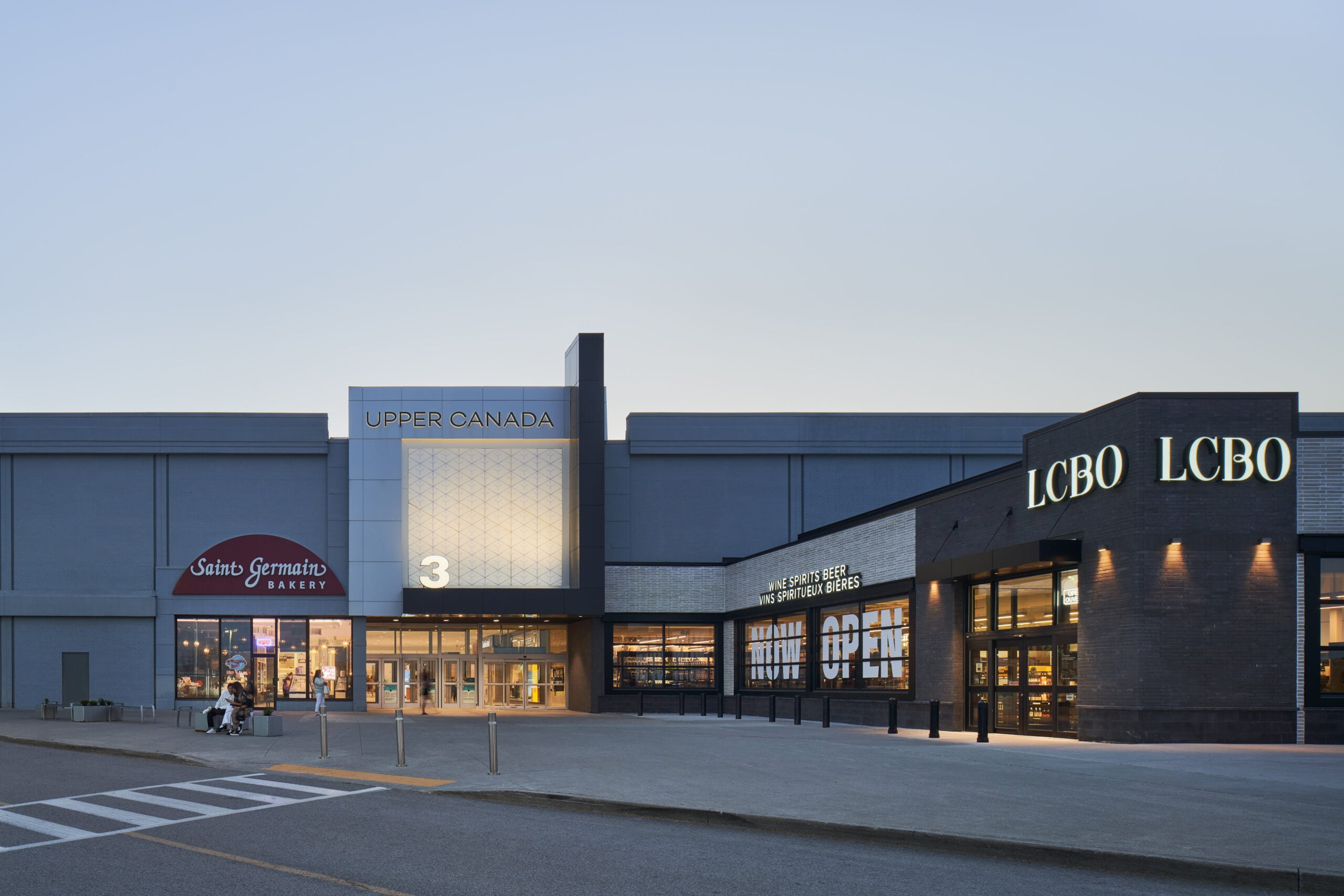
Ishkhanov emphasizes how this becomes even more critical at scale. “Take the LCBO, for example. A small rural store several hours outside the city will need a completely different inventory strategy compared to a downtown flagship location. But both need real-time insights to manage inventory effectively.”
The right tools, he says, enable centralized and real-time inventory management—ensuring shelves are stocked and counts are accurate.
But what about smaller retailers who don’t have the same scale or infrastructure?
“Whether you’re a small, medium, or global-scale retailer, you have to start with a solid technology foundation,” says Ishkhanov. “If you don’t have the right technology to manage everything—from warehouse to front-of-house or stockroom to shelf—you won’t have the visibility you need.”
One advantage smaller retailers can leverage, he adds, is personalization. “We recently released a report showing that nearly 70% of Canadian consumers now prefer personalized, recommended shopping experiences.”
That kind of experience often comes from knowing your customer—and having the tools to act on that data. “Smaller retailers can partner with influencers or launch specialty products that become trends, helping them reach a targeted clientele,” says Ishkhanov. “But again, you need the technology to provide that personalization—tracking what’s selling, when it’s selling, and gaining insights from consumer data.”
He offers a firm reminder: “You can’t make good decisions off bad data. So all those systems—point-of-sale, self-checkout, warehouse scanning—must be connected. Otherwise, you’re just guessing.”
And with consumers increasingly tethered to their phones, retailers must adapt to a mobile-first world.
“The mobile device is now the primary way consumers engage with retailers,” Ishkhanov says. “Consumers want convenience—whether shopping in-store or online—but especially online, that experience has to be seamless. Security is also a major concern: ‘Do I trust this site with my data?’”
He continues: “The retailers that create a smooth, secure, omnichannel experience—recognizable both online and in-store—are going to win. Consumers now expect real-time visibility into their orders. Think of food delivery: we want to know exactly where our order is and how long it’ll take. That’s becoming the standard in retail, too.”
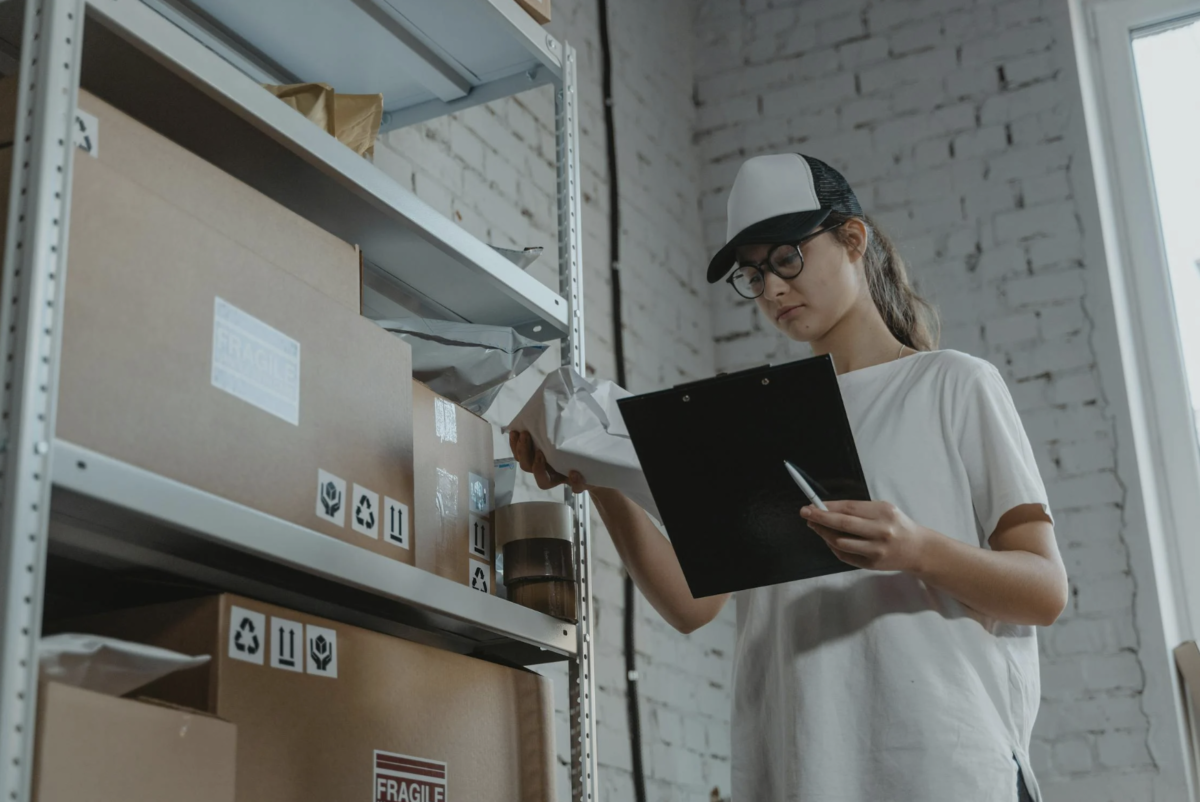
Another major shift is the rise of social commerce—buying directly through platforms like TikTok and Instagram—almost entirely driven by mobile.
“So, for retailers, particularly brick-and-mortar ones, embracing mobile and omnichannel is key to building brand loyalty and keeping consumers engaged,” he notes.
Ishkhanov offered one more example, this time on the employee side of the mobile revolution.
“We worked with a company called Tractor Supply Company. They developed an AI-based employee assistant . . . This assistant gives employees real-time product info, inventory levels, and brand messaging,” he says.
“So even a new employee can help a customer with confidence—just like someone who’s been there five years. It empowers the associate to deliver a much better, more personalized experience.”
As Ishkhanov puts it, “This is where technology shines: from warehouse to front-of-house, it supports the entire retail process. And that employee empowerment piece is becoming more and more important across the industry.”
Related Retail Insider stories: