As part of Retail Insider Reports, this Q1 2026 Jewelry & Watches Retail Report provides structured analysis of the Canadian jewelry and watch retail sector, drawing on Retail Insider’s ongoing coverage to identify key market dynamics, emerging trends, and strategic shifts. These reports are designed to deliver executive-level insights across major retail sectors and can be accessed through the Retail Insider Report Hub.
****
The Canadian jewelry and watches sector entered 2026 at a pivotal moment, where traditional luxury retail expansion intersects with evolving consumer behaviour and rising interest in physical precious metals. While brands continue to invest in boutiques and flagship locations, shifting economic conditions are driving new forms of demand, particularly in investment-driven purchases.
That shift is increasingly visible in pricing and consumer sentiment. Gold reached a new record in early 2026, with prices approaching $4,000 per ounce in Canadian dollars, reflecting a sharp rise over the past year and reinforcing its role as a hedge against economic uncertainty. At the same time, retail demand for physical bullion and jewelry has accelerated, highlighting a growing overlap between luxury consumption and investment behaviour.
Within this context, retailers are pursuing different strategies. Birks Group’s strong holiday performance, Michael Hill’s turnaround driven by Canadian operations, and Pandora’s investment in domestic supply chain infrastructure all point to a sector adapting to new realities. Meanwhile, Tudor’s measured boutique expansion and Canada Gold’s rapid growth illustrate how both luxury positioning and accessibility are shaping the competitive landscape.
Retail Insider Coverage Reflects Active Expansion and Strategic Investment
Retail Insider tracked 10 significant developments in the jewelry and watches sector in Q1 2026, with expansion and store openings dominating activity. Brands including Tiffany & Co., OMEGA and Tudor continued to deepen their Canadian presence through mono-brand boutiques, while emerging retailers expanded through both physical and event-driven channels.
At the same time, investments in infrastructure are reshaping operations. Pandora’s new distribution centre in Mississauga reflects a broader shift toward domestic fulfillment, enabling faster delivery and improved customer experience. These developments point to a sector that is growing, but with increasing emphasis on operational efficiency and market positioning.
Luxury Expansion Anchored in Regional Strategy
Luxury brands are refining their Canadian strategies through targeted expansion in key urban markets.
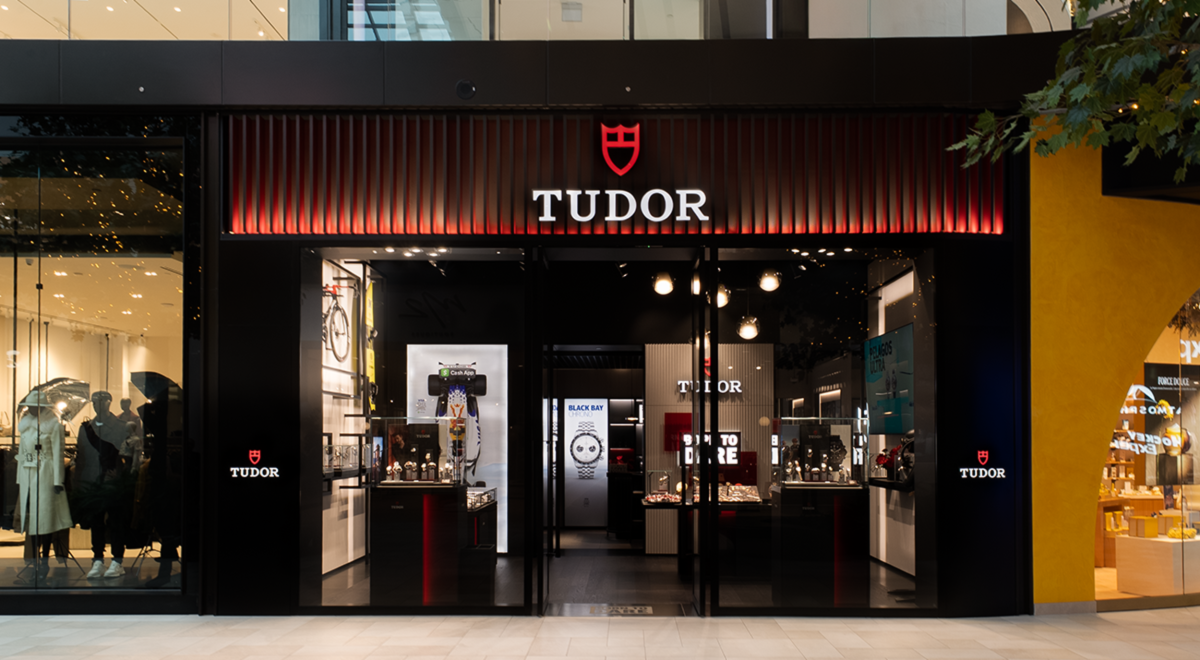
Tudor’s continued boutique rollout in Toronto, Montreal, and Vancouver reflects a balanced approach that combines direct retail with ongoing relationships with authorized dealers. Similarly, OMEGA’s flagship expansion into Calgary highlights the importance of aligning retail presence with regional growth and affluence.
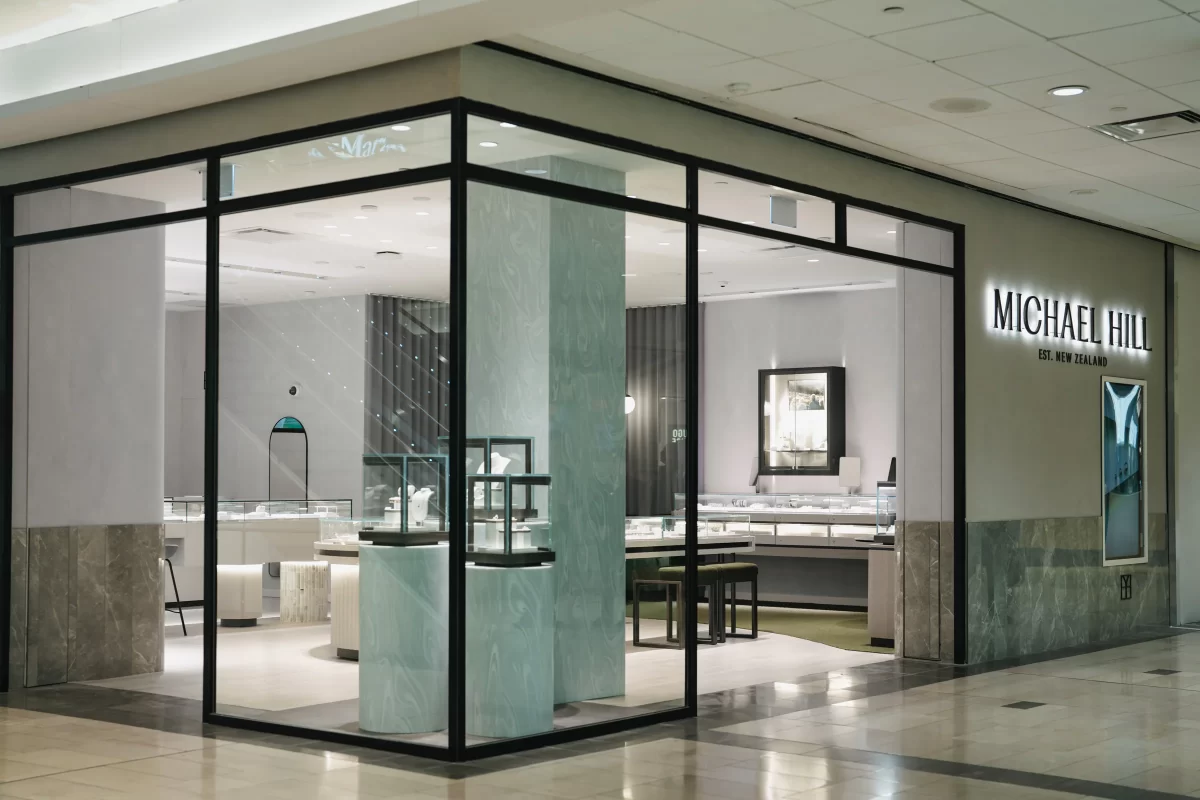
Michael Hill’s recent performance further underscores the importance of the Canadian market, where strong sales and margin improvements have supported its broader turnaround. The brand also recently opened new-concept stores in Toronto and Vancouver.
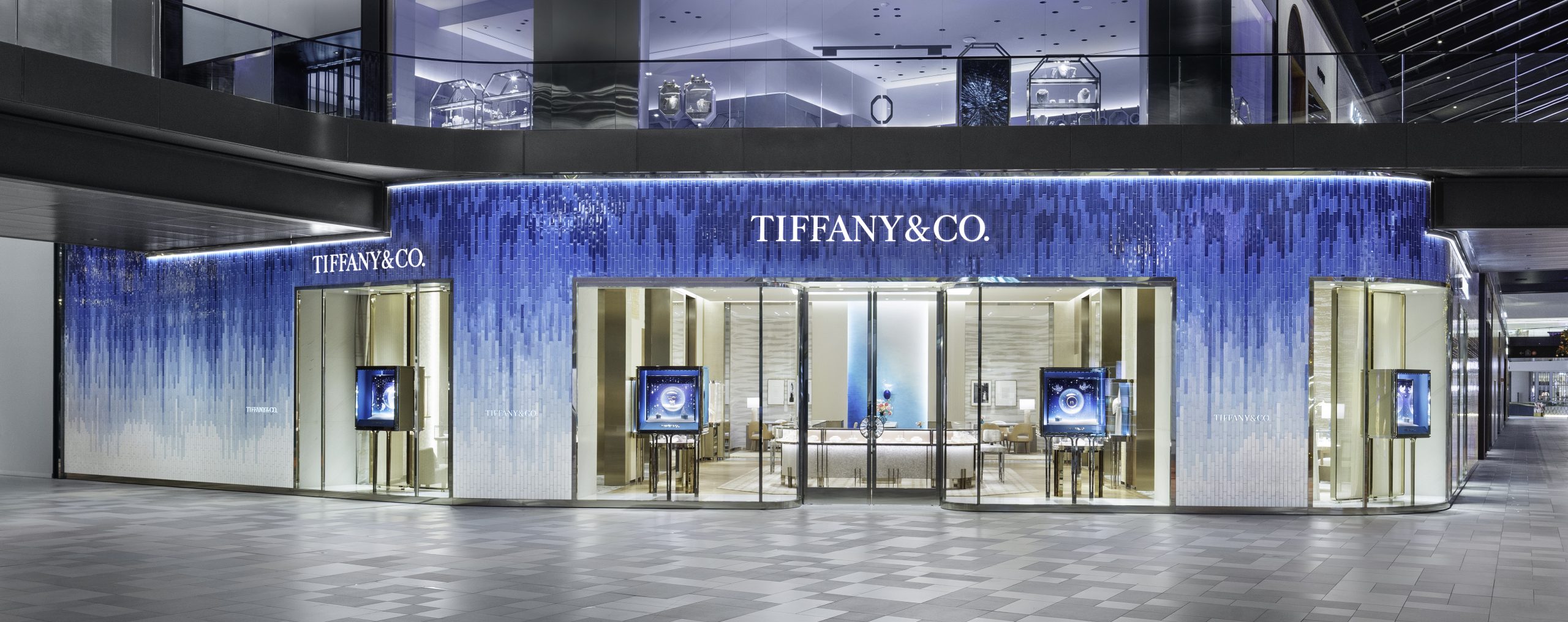
In January, Tiffany & Co. opened a new flagship boutique at Royalmount in Montreal, further strengthening the luxury positioning of the mixed-use development. The more than 5,000-square-foot store was designed with inspiration from Tiffany’s iconic Fifth Avenue flagship in New York and features the brand’s latest global store concept, including signature Tiffany Blue accents and elevated interior finishes.
Sales in the jewelry and watches segment increased 10.5% year-over-year in Q1 2026, outperforming broader retail categories and highlighting continued consumer demand for both luxury and investment-oriented purchases.
Precious Metals Demand Reshapes Consumer Behaviour
One of the most notable shifts in the sector is the growing role of precious metals as both retail products and investment assets.
The surge in gold prices has been accompanied by increased consumer participation in physical bullion purchases, as individuals seek to hedge against inflation and economic volatility. Silver is also gaining momentum, supported by both investment demand and industrial usage.
Retailers such as Canada Gold are responding by expanding physical locations to improve accessibility and build consumer trust, particularly for high-value transactions. This emphasis on in-person engagement reflects the importance of credibility and transparency in the precious metals market.
The broader implication is a blurring of lines between traditional retail and financial behaviour. Jewelry and bullion are increasingly viewed not only as discretionary purchases, but also as stores of value.
Supply Chain Investment Becomes a Competitive Advantage
Operational efficiency is emerging as a key differentiator in the sector, particularly as e-commerce continues to grow.
Pandora’s investment in a Canadian distribution centre enables faster fulfillment, reduced reliance on cross-border logistics, and improved return processes. These capabilities are becoming essential as consumers expect shorter delivery times and seamless omnichannel experiences.
Retailers that invest in supply chain infrastructure are better positioned to meet these expectations, while those that rely on legacy systems may face increasing pressure on both cost and service levels.

Lean Retail Models and Direct Engagement Gain Traction
At the same time, alternative retail models are gaining traction, particularly among smaller and emerging brands.
Chic & Charmed Boutique’s strategy of scaling through trade shows and online channels, while avoiding traditional storefront costs, reflects a shift toward more flexible and cost-efficient operations. This approach enables rapid growth while maintaining direct engagement with consumers.
These models are particularly effective among younger, digitally native audiences, and highlight the growing importance of adaptability in a competitive market.
Digital Growth and Omnichannel Strategies Accelerate
E-commerce continues to play an increasingly important role in the jewelry sector. Canada’s online jewelry market is projected to reach approximately $3 billion by the end of 2026, supported by steady annual growth and increasing consumer comfort with digital purchasing.
At the same time, technology is enhancing the online experience. Retailers are using virtual consultations and AI-driven tools to improve product discovery, while financing options such as buy now, pay later are helping to increase conversion rates.
These developments reinforce the importance of omnichannel strategies that combine digital convenience with the trust and experience of physical retail.
Sector Outlook: Luxury, Investment, and Efficiency Converge
The Canadian jewelry and watches sector is evolving toward a more complex and multifaceted market.
Luxury expansion remains a key growth driver, supported by strong demand in urban markets. At the same time, rising interest in precious metals is reshaping consumer behaviour, introducing an investment dimension to retail purchasing.
Operational efficiency and digital integration are also becoming critical, as retailers adapt to changing expectations around convenience and service.
Editor’s Take
The most important shift in Q1 2026 is the convergence of luxury retail and investment-driven consumer behaviour.
Brands such as Birks and Michael Hill are benefiting from strong demand and improved execution in the Canadian market, while Pandora’s supply chain investment highlights the growing importance of operational infrastructure.
At the same time, rising precious metals prices are influencing purchasing decisions, creating new opportunities for retailers that can bridge the gap between retail and financial services.
Looking ahead, the sector will be shaped by three key forces: continued luxury expansion in core markets, sustained interest in physical precious metals, and the ongoing growth of digital and omnichannel retail.
Retailers that can align with these trends while maintaining trust and operational discipline will be best positioned to succeed.
Selected Coverage
- Rising demand lifts Canada Gold as investors turn to physical precious metals – Mario Toneguzzi – Jan 28, 2026
- Birks Group reports 11.8% holiday-period sales increase – Mario Toneguzzi – Jan 30, 2026
- Michael Hill Profit Turnaround Fueled by Canada – Lee Rivett – Mar 3, 2026
- Tudor Expands Canadian Boutique Network with Bloor Opening – Craig Patterson – Feb 5, 2026
- Pandora opens new distribution centre in Mississauga to cut down on Canadian delivery times – Mario Toneguzzi – Apr 1, 2026
- STEFF ELEOFF Expands to Selfridges London – Craig Patterson – Jan 13, 2026
- Tissot Opens First Canadian Boutique at Montreal Eaton Centre – Craig Patterson – Jan 24, 2026
- OMEGA opens flagship boutique at Calgary’s Chinook Centre – Mario Toneguzzi – Jan 30, 2026
- Pilgrim grows retail presence with store opening in CF Masonville Place, London – Mario Toneguzzi – Feb 25, 2026
- Teen Founder Builds Chic & Charmed Jewellery Brand – Craig Patterson – Mar 4, 2026