For years, enclosed malls were often discussed as though they represented a declining segment of retail real estate.
Across Canada, however, many of the country’s strongest regional shopping centres have continued increasing in productivity and strategic importance. Retailers have concentrated expansion into dominant properties, consumers continue gravitating toward high-performing retail destinations, and ownership of many of Canada’s top malls has increasingly consolidated among a smaller group of major landlords.
Few companies illustrate that shift more clearly than Primaris REIT.
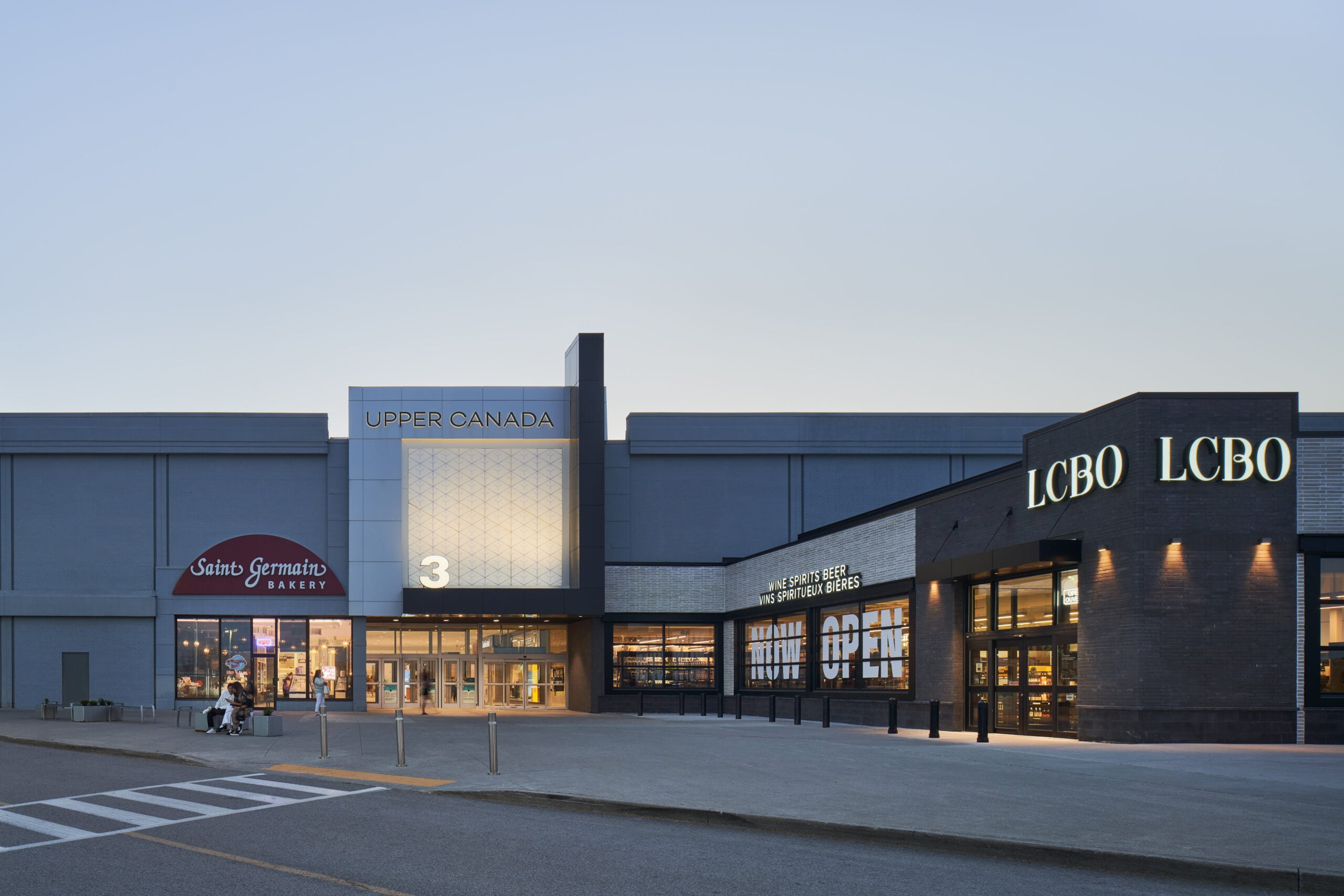
Over the past four years, Primaris has quietly transformed itself into one of the country’s most significant enclosed mall owners through an aggressive acquisition strategy focused on dominant regional shopping centres across Canada. The Toronto-based REIT now owns interests in 27 large-format retail properties nationwide, including 12 malls ranked among Canada’s top 50 by sales productivity according to newly released ICSC data.
The scale and pace of the transformation have been substantial.
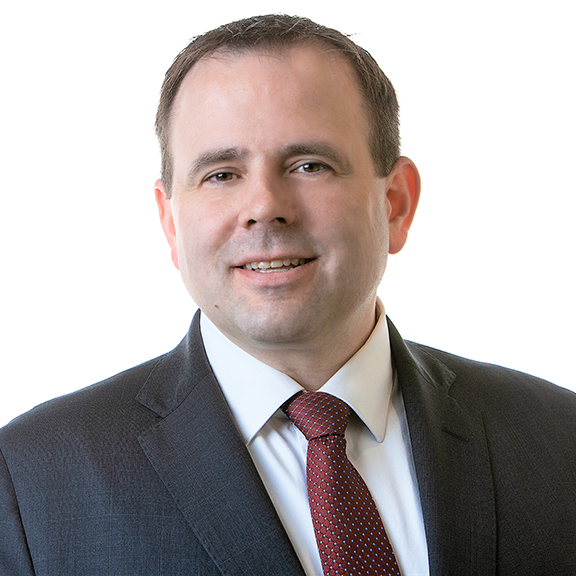
“The past four and a half years have been transformational for the company,” said Primaris CEO Alex Avery in an interview with Retail Insider. “Our average sales productivity has increased from just over $500 per square foot to more than $800 per square foot, and we’ve added some exceptional properties to the portfolio.”
Avery said the company’s growth accelerated rapidly as long-held institutional retail assets unexpectedly became available across the Canadian market.
“There has been so much change in such a short period of time that you can almost lose perspective on the scale of the transformation,” he said. “When we step back and look at the portfolio today, it’s remarkable how much the business has evolved.”
Canada’s Mall Ownership Landscape Is Changing
Primaris completed more than $1.5 billion in acquisitions during 2025 and early 2026, significantly expanding its presence within several major Canadian retail markets.
Recent acquisitions include a 50% interest in Southgate Centre, acquired from Ivanhoé Cambridge in January 2025, as well as Lime Ridge Mall, Promenades St-Bruno, and interests connected to Oshawa Centre and Les Galeries de la Capitale.
Many of these properties had remained under institutional ownership for decades. Their availability reflected broader changes occurring across Canada’s commercial real estate sector as several major owners reassessed retail strategies following the pandemic and changing consumer behaviour.
Primaris moved aggressively into that opening.
“A number of these malls had not traded in more than 25 years,” Avery said. “The window of opportunity opened, and we were fortunate to be in a position to act.”
The acquisitions dramatically altered the composition of the company’s portfolio. Approximately 65% of Primaris’ portfolio is new since 2021.
The strategy has also positioned Primaris as Canada’s largest enclosed mall owner by property count.
“We now own interests in 27 large-format shopping centres across the country,” Avery said. “Twelve of those properties now rank among Canada’s top 50 malls by productivity.”
Building a Portfolio of Dominant Regional Malls
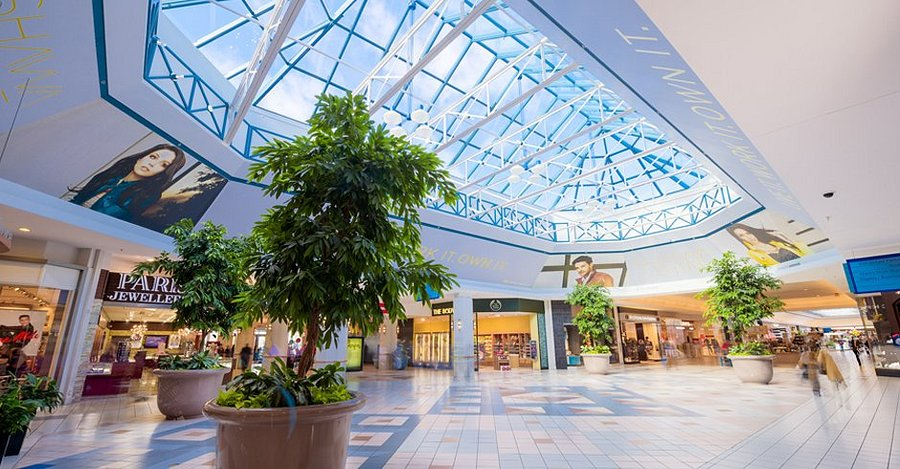
A central component of Primaris’ strategy has been focusing on dominant enclosed malls within major and mid-sized Canadian markets.
“Our objective is to own the dominant mall within each market where we operate,” Avery said.
The company’s portfolio increasingly reflects that strategy.
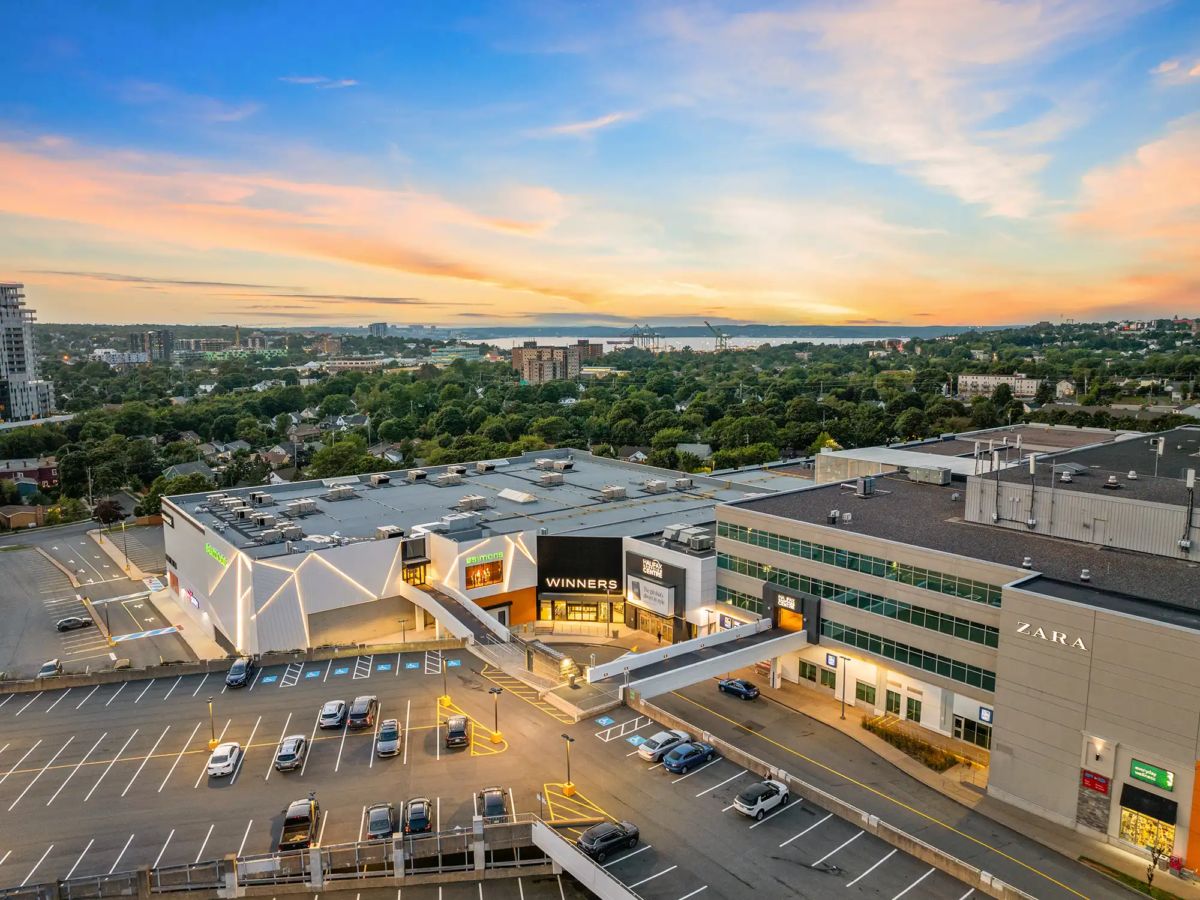
According to the 2025 ICSC Canadian mall productivity rankings, Southgate Centre ranked eighth nationally with sales productivity of $1,322 per square foot. Halifax Shopping Centre reached $1,081 per square foot, while Conestoga Mall achieved $958 per square foot.
Several newly acquired properties also recorded notable productivity growth following ownership transitions.
Southgate Centre increased from $1,211 per square foot in 2024 under Ivanhoé Cambridge ownership to $1,322 in 2025 following the acquisition by Primaris and IMCO.
Oshawa Centre increased from $748 per square foot in 2024 to $809 in 2025.
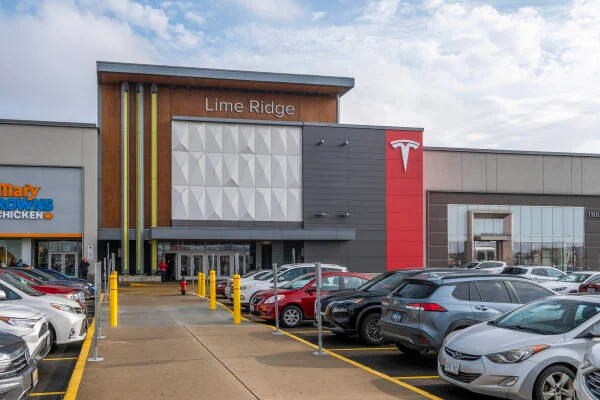
Meanwhile, Lime Ridge Mall in Hamilton, acquired from Cadillac Fairview, reached $842 per square foot in the 2025 rankings.
The portfolio now spans a broad geographic footprint that extends far beyond Toronto and Vancouver, including major properties in Edmonton, Halifax, Waterloo, Hamilton, Kelowna, Quebec City, Windsor, Oshawa, Fredericton, Sudbury, Peterborough, and other regional markets.
That national reach has become increasingly important as retailers continue concentrating expansion into fewer high-performing regional shopping centres.
Becoming the “First Call” for Retailers
Primaris increasingly sees itself as more than a traditional mall owner.
Avery described the company’s long-term objective as becoming a national retail expansion platform for retailers entering or expanding within Canada.
“Our goal is to become the first call for retailers looking to expand or enter Canada,” Avery said. “We want to provide access to the country’s strongest regional shopping centres across a broad range of Canadian markets.”
That strategy relies on assembling a portfolio capable of giving retailers scalable access to multiple Canadian markets through dominant enclosed malls with concentrated customer traffic and strong sales productivity.
While luxury retail expansion often remains concentrated within Toronto and Vancouver, many national and international brands continue prioritizing successful enclosed malls in regional markets where retail competition is more limited and dominant properties capture a significant share of consumer spending.
The continuing strength of Canada’s top malls has also contributed to growing polarization within the enclosed mall sector. While weaker properties continue facing pressure tied to changing shopping habits, aging infrastructure, and reduced apparel demand, dominant malls have generally continued strengthening through luxury retail expansion, entertainment offerings, food and beverage growth, and experiential retail concepts.
Southgate Centre illustrates that dynamic particularly well within the Edmonton market.
“It is clearly the dominant mall within Edmonton,” Avery said. “It serves as a major regional destination for consumers throughout Northern Alberta.”
Capital Recycling Strengthens the Portfolio
As Primaris expanded through acquisitions, the company simultaneously disposed of several non-core assets as part of a broader capital recycling strategy aimed at improving overall portfolio quality.
The REIT completed roughly $400 million in dispositions during 2025, including the sale of Northland Village and Northland Professional Centre in Calgary.
The strategy reflects a deliberate shift toward what Primaris views as fortress regional malls with stronger long-term productivity and retailer demand fundamentals.
That repositioning helped increase portfolio same-store sales productivity to approximately $801 per square foot as of Q1 2026, up from $788 the previous year.
Primaris also reported approximately $5.3 billion in total assets and roughly $626.8 million in liquidity as of Q1 2026.
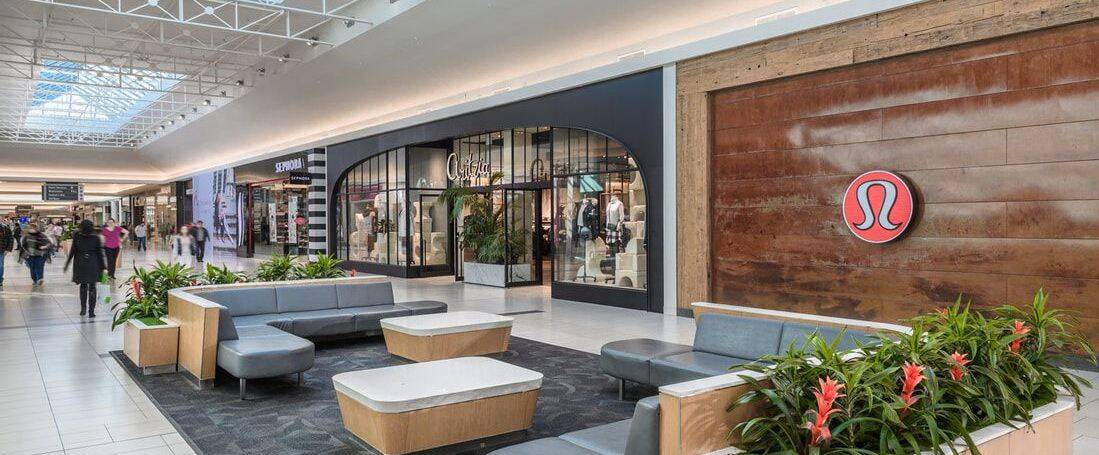
Canada’s Strongest Malls Continue to Outperform
The continued strength of dominant enclosed malls reflects broader shifts occurring across the Canadian retail sector.
Retailers increasingly appear focused on fewer, stronger locations capable of functioning as regional shopping hubs while delivering higher productivity and stronger brand visibility. Consumers, meanwhile, continue gravitating toward properties that combine retail, dining, entertainment, and experiential offerings within a single destination.
That trend has benefited dominant enclosed malls across several Canadian markets, particularly those with strong demographics, limited competing retail inventory, and well-established regional positions.
For Primaris, the company’s transformation now extends beyond simply owning shopping centres.
The REIT is increasingly positioning itself as a national retail platform tied to retailer expansion, redevelopment opportunity, and long-term concentration within Canada’s highest-performing enclosed malls.