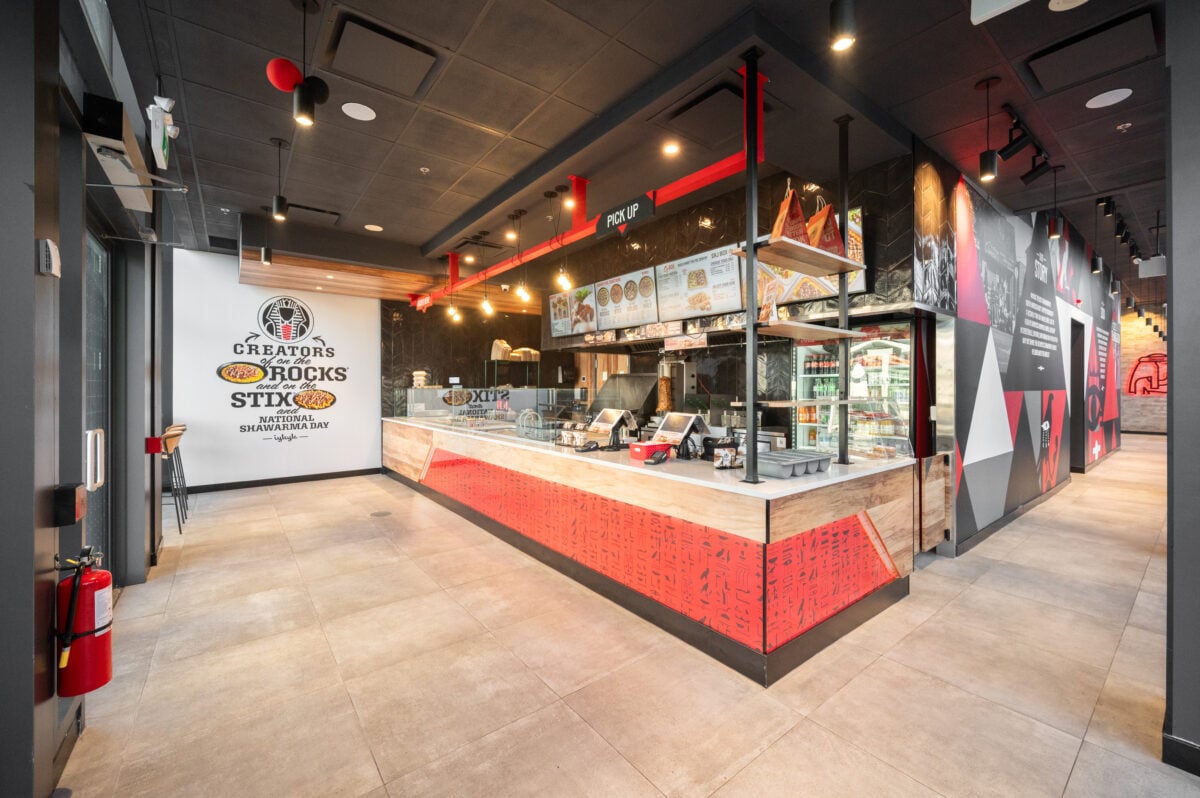
Osmow’s Shawarma has opened its 250th location as the Ontario-based restaurant chain marks 25 years in business, reaching the milestone after expanding from a single family-owned restaurant in Streetsville, Ont.
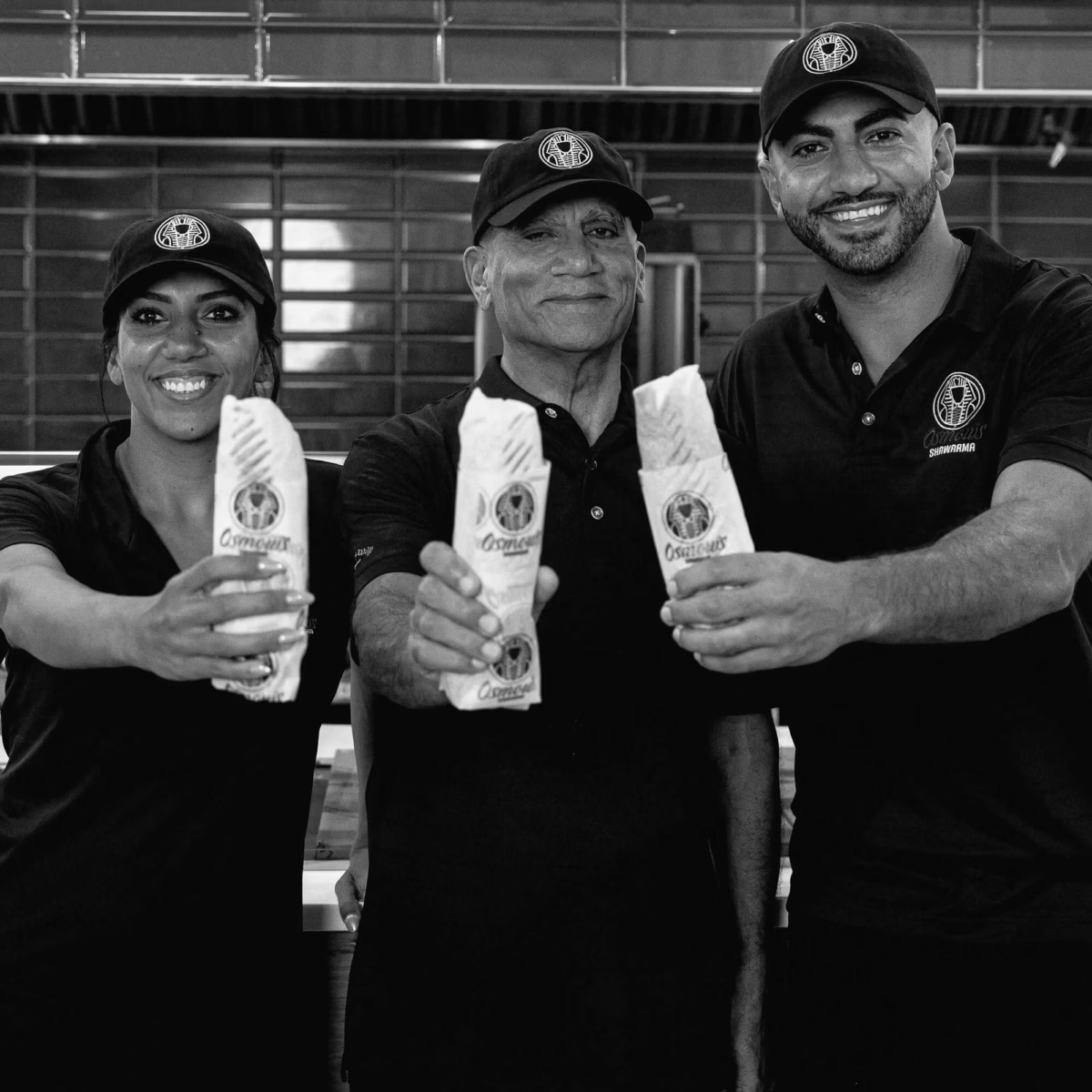
The company was founded by Sam Osmow in 2001 after he converted a small Streetsville sub shop into the first Osmow’s Shawarma location. The business is now led by Osmow alongside his children, Ben Osmow, chief executive officer, and Bernadette Osmow, president, as the family continues to expand the restaurant through franchising.

From one restaurant to 250
Sam Osmow immigrated from Egypt in 1998 and invested his resources into opening the restaurant. According to the company, the idea for its shawarma-focused business emerged after he shared one of his traditional Middle Eastern meals with a customer, prompting him to reshape the original restaurant.
His children have been involved in the business since childhood. Bernadette Osmow began working at the original location at age 13, while Ben Osmow started at nine, gaining experience across the business as it developed.
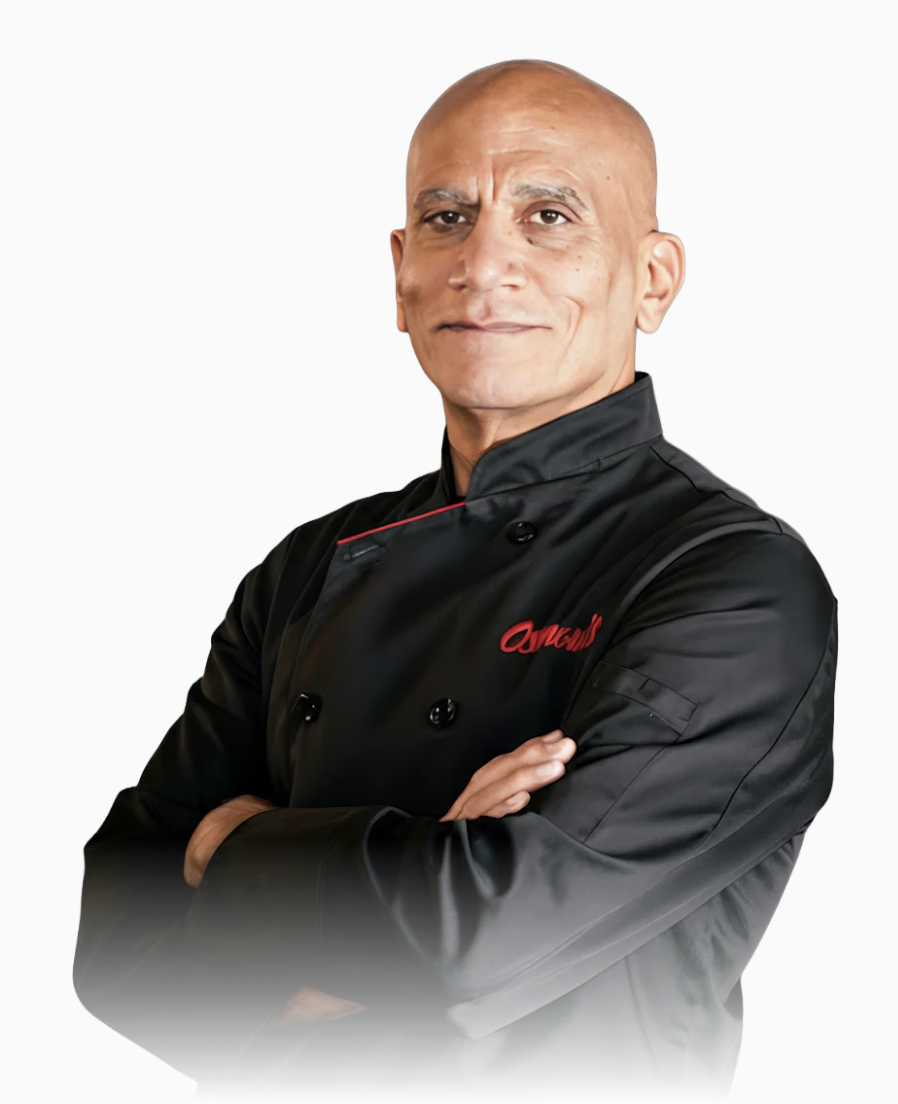
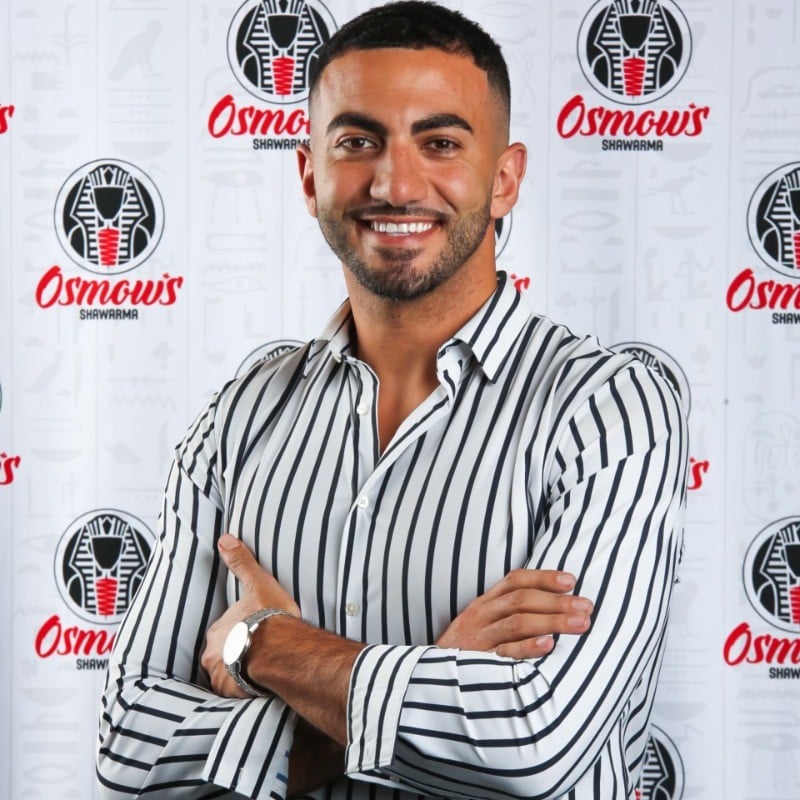
Ben Osmow now oversees finance, marketing, real estate, construction, franchise development and information technology, while Bernadette Osmow is responsible for restaurant operations, manufacturing, human resources and the Osmow’s Hope Fund, the company’s charitable initiative focused on supporting schoolchildren in developing nations.
The Hope Fund has provided more than 600,000 meals to children in more than 30 communities, according to the company.
The siblings say their approach to expanding the business has included maintaining the principles established by their father while introducing new initiatives and systems.
“Our dad taught us to give 100% every day, be kind, stay connected to our communities and always take pride in what we serve. Those lessons are at the heart of how we operate today and continue to drive our commitment to quality in both our ingredients and the experience we provide,” says Bernadette Osmow.

Expansion through franchising
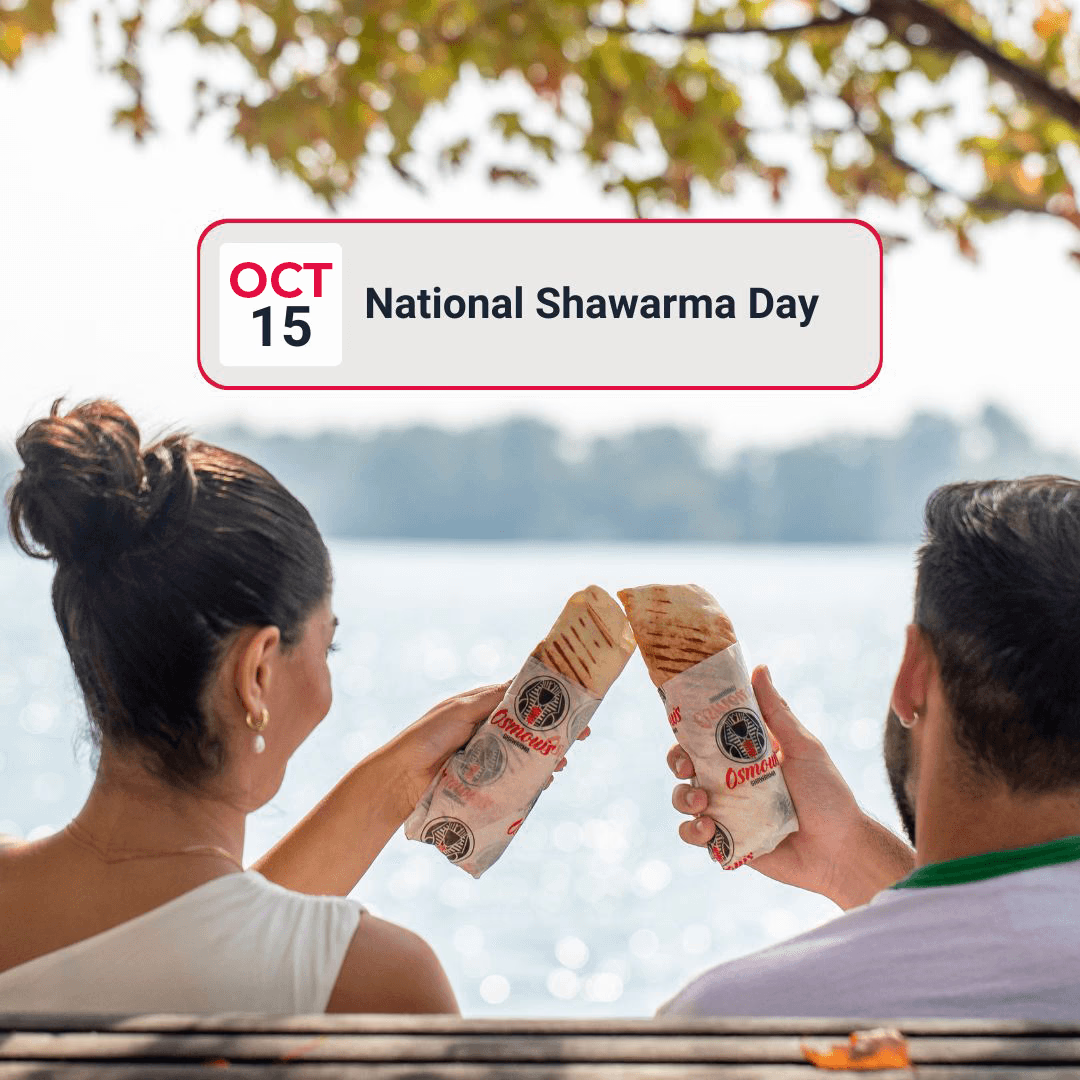
Under the second generation of family leadership, Osmow’s has expanded through franchising while also investing in technology and increasing support for franchise partners. The company has also launched initiatives including National Shawarma Day and the Osmow’s Hope Fund.
The chain’s expansion has included reaching its 100th location and entering the U.S. market before reaching its current 250-location milestone, according to Ben Osmow.
“From working shoulder to shoulder in our original Streetsville restaurant to opening our 100th location, expanding into the U.S., and now celebrating our 250th restaurant, we’ve experienced every milestone together. Sharing those moments as a family reminds us how far we’ve come and the legacy we’re continuing to build,” says Ben Osmow.
Successful franchise model
The company says its franchise model has allowed it to expand while providing opportunities for franchise partners to operate restaurants under the Osmow’s brand. It says franchisees receive systems, expertise and operational support intended to help them build their own businesses.
According to the Canadian Franchise Association, Canada’s franchise sector contributes nearly $150 billion annually to the economy and employs close to two million Canadians. It says the sector also creates jobs, supports local communities and provides opportunities for business ownership across generations.
Osmow’s says the family’s next phase of growth will continue to be led by Ben and Bernadette Osmow, following the expansion from their father’s original Streetsville restaurant to a 250-location business.
Ben Osmow said the company’s official franchising journey started in 2015.
“But before then we were doing some friends and family openings, so just people we were very close with, some family members that became, let’s say, our first franchisees, but we didn’t really even view it as a franchising process,” he said.
“As of 2015 we really made a decision as a brand that we would start franchising and growing a lot more.”
Today, about 97 per cent of the locations are franchise owned with about 77 per cent multi-unit owners.
“I think it’s just a testament to the brand. Anybody can sell a franchise, a single franchise. Getting the same franchisee to keep coming back, investing more money, and opening up more of the same brand over and over again, I think is the complicated part.
“It really is a testament to how much they love the brand and that they believe that they should continuously invest in it.”
Further growth potential
Osmow said the sky’s the limit for future growth for the brand.
“We’re not publicly traded. We don’t have these crazy big growth targets that we have to get to, 100 a year and stuff like that. Everything’s been going really well. The market has been super receptive to us. Canadians have been super supportive of the growth of Osmow’s.
“When we’re opening up in new markets, we’re doing even better sales than we even do back in our home base of Mississauga. Onwards and upwards is the way we’re looking at it right now, and we see no reason why we can’t hit 500 locations in the next couple of years.”
Looking for real estate
Osmow said the company used to be conservative in its real estate approach. It would find units tucked away in a plaza, thinking the food was so good that people would find them.
“And then obviously that did prove to be true, but what proved to be even truer is that when we take real estate that’s very prominent and visible, it really aligns with what we do from a marketing side. So we are very active. We’re very active in marketing,” he said.
“We’re typically always on TV. We always have a national campaign that’s running. So for that reason, we think it’s really important to kind of complement that with really good visibility and frontage.
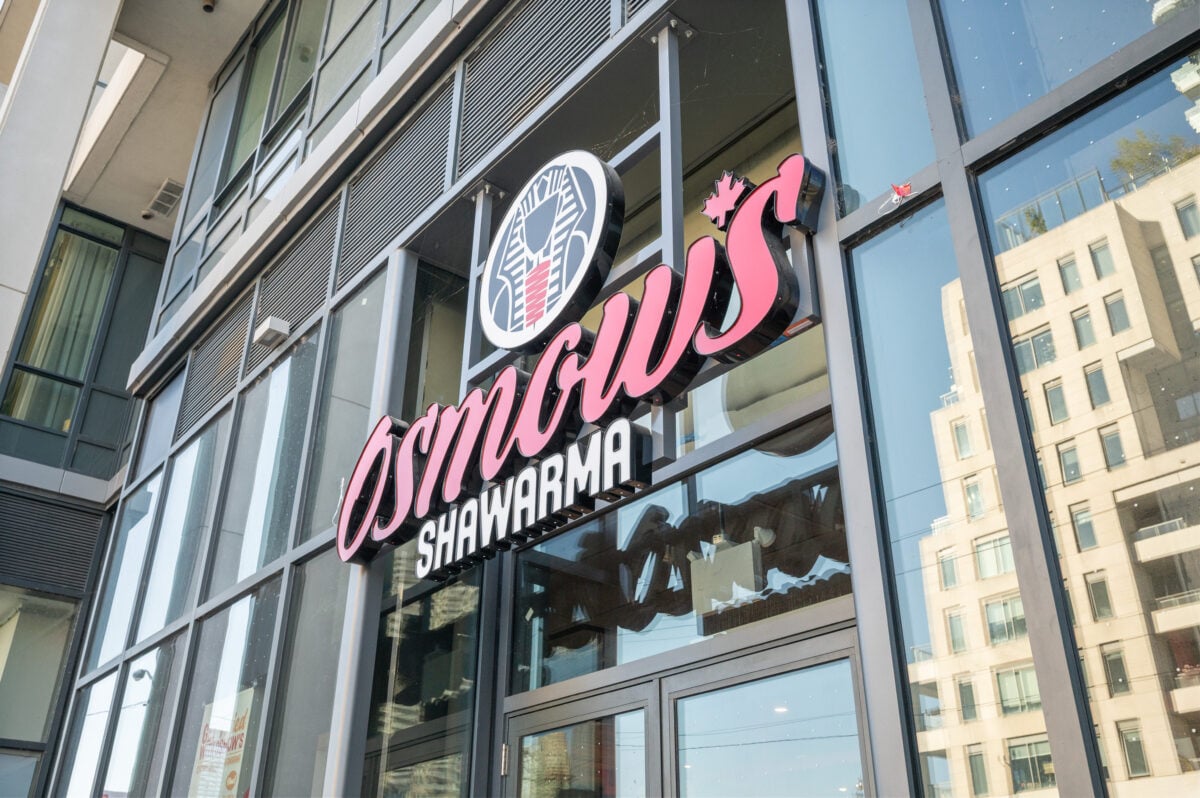
“We love good co-tenancy. We love being beside schools. But most importantly, we just love having a good-looking Osmow’s sign that’s up there and lets people know that we’re in the market, and we’re in a pretty good location that makes us very easily accessible to a lot of the customers in that area.”
He said the locations average about 1,500 square feet, with the smallest about 900 and the largest is well over 2,200.
Looking for franchisees
Osmow said the most important thing for the company is to find people who have a passion towards the Osmow’s brand.
“It’s not about liquidity or X number of dollars in the bank, or we don’t care if they have a lot of experience with other franchises. That really doesn’t matter to us. I think that’s our training that we lean on a lot more that allows us to not care that a franchisee doesn’t have tons of experience in other franchises,” he said.
“What we really care about is somebody who’s going to be super passionate about the food, about the brand, because if you’re passionate about it, you’re probably going do a good job of training your team and having them be passionate about it. You’re probably going to do a good job of getting your customers to be passionate about it.
“It’s really become an important thing because if you think about the franchise landscape, shawarma is like this category that we made big.There’s never been a franchise globally to ever reach 250 restaurants for Middle Eastern and for shawarma. We were the first to do that, and the way we did that is making sure all of our franchisees are super passionate about the food and the brand, because for a lot of Canadians, we are their first ever shawarma.”
“And it means they trust us, and they have the confidence in the brand that they would venture outside of their comfort zone and try something new.”
The family’s patriarch
Osmow said his 72-year-old father is still active in the business.
“That man will never retire. He always wants to check in on us, and his baby has always been the plant, so the production side of the business,” he said.
“We marinate, we package, we slice, we do all of our own products for, you know, all of our shawarma products, all of our falafel. We do that all ourselves at the plant, and that’s always been his baby, so he’s really, really focused on food quality even to this day.”
The QSR space
The quick service restaurant (QSR) space is quite competitive these days with phenomenal growth from some of the corporate giants with different brands.
“There’s a couple of attributes that contribute to that. I think first and foremost, sometimes grocery pricing gets so high that it’s actually cheaper for people to eat at QSR restaurants,” explained Osmow.
“The other part of it is the QSR business is super focused on customer retention. It’s all of our focus to make sure we do a good job of keeping existing customers and keeping them coming back, let’s say three times a month, on average.
“And I think if you can do a good job of balancing quality alongside the value proposition, then you’re going do a pretty good job of having customers know that they can come back to you over and over again. And especially for us, I can’t speak to some of the other brands, but for us, our menu, we focus really, really hard on not having our food be pumped with preservatives, be food that’s much better for you.
“I think that’s very important to a lot of our customers. Today’s consumer is a lot more health conscious, a lot more educated.”
The menu
Osmow said people want variety and options that are better for them.
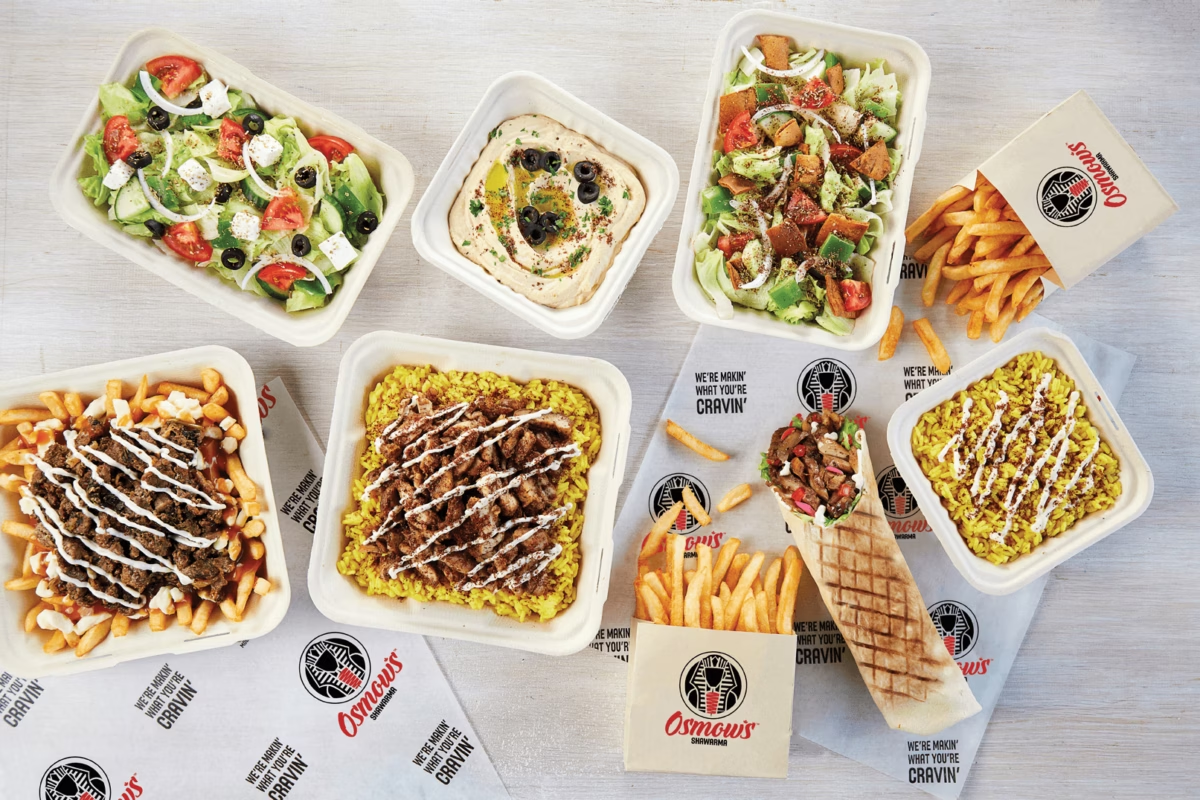
“And I think we fit that mold perfectly. The core staple items are the core staple items. We do not mess around with those items. Those are our claims to fame. Those are the reason why our customers love us, so we keep those items as is, but we have evolved the menu quite a bit. And I think we always will.
“It’s a part of our brand. We get to be a little bit edgy. We play in a space that not too many play in, which is that Middle Eastern, Mediterranean, QSR space. So we get to have a lot more fun with our food, and we get to do a good job of introducing a lot of Canadians to some items that they haven’t potentially tried in the past.
“A lot of people talk about the American success story and the American dream. I think for my dad at least, this was very much the Canadian dream. This was taking a big risk and moving here and starting from scratch and nothing worked for years on years on years. It’s crazy to even think that we’re celebrating 250 now.
More from Retail Insider:
- Canadian Franchise Association announces winners of the 2026 CFA Recognition Awards
- Osmow’s Shawarma chain expands rapidly across North America