Creative experience and learning business Let’s Make It relocated its downtown Toronto operation to the Holt Renfrew Centre at 60 Bloor Street West in October 2026, bringing hands-on workshops in candle making, perfume making, mosaic art, pottery and other activities to the city’s Bloor-Yorkville retail district. The company generates revenue primarily through paid experiences, with plans to expand its merchandise offering and educational programming.
Founded by Catherine Chambers in Richmond Hill in 2013, Let’s Make It previously operated at Stackt Market on Bathurst Street. The new Bloor Street location joins its existing Richmond Hill studio, while the business continues to offer mobile workshops, adult education and workplace learning programs.
Chambers has developed a business model in which customers acquire practical skills while making products they can take home. She believes the concept has potential beyond dedicated studios, particularly as shopping centre owners and commercial landlords seek activities that give consumers additional reasons to visit their properties.
From Richmond Hill to Bloor Street
The idea for Let’s Make It emerged in 2013 when a friend of Chambers was moving out of a Richmond Hill storefront and told her about the upcoming vacancy. Chambers saw an opportunity to combine her interest in adult education with hands-on activities involving products of practical value.
“I thought it would be an ideal space for people to discover common ground, celebrate, and explore critical issues while making things of practical value,” Chambers told Retail Insider. The idea connected with her interest in constructivist learning, an educational approach that emphasizes developing knowledge through active participation.
The company expanded into downtown Toronto in 2022 after Chambers was invited to provide a community experience at Stackt Market. The response encouraged her to lease space at the marketplace, where Let’s Make It operated until early October 2026.
Later that month, the business relocated to the Holt Renfrew Centre at Bloor and Bay streets. The location provides access to shoppers, office workers, residents and visitors in one of Canada’s most established retail districts.
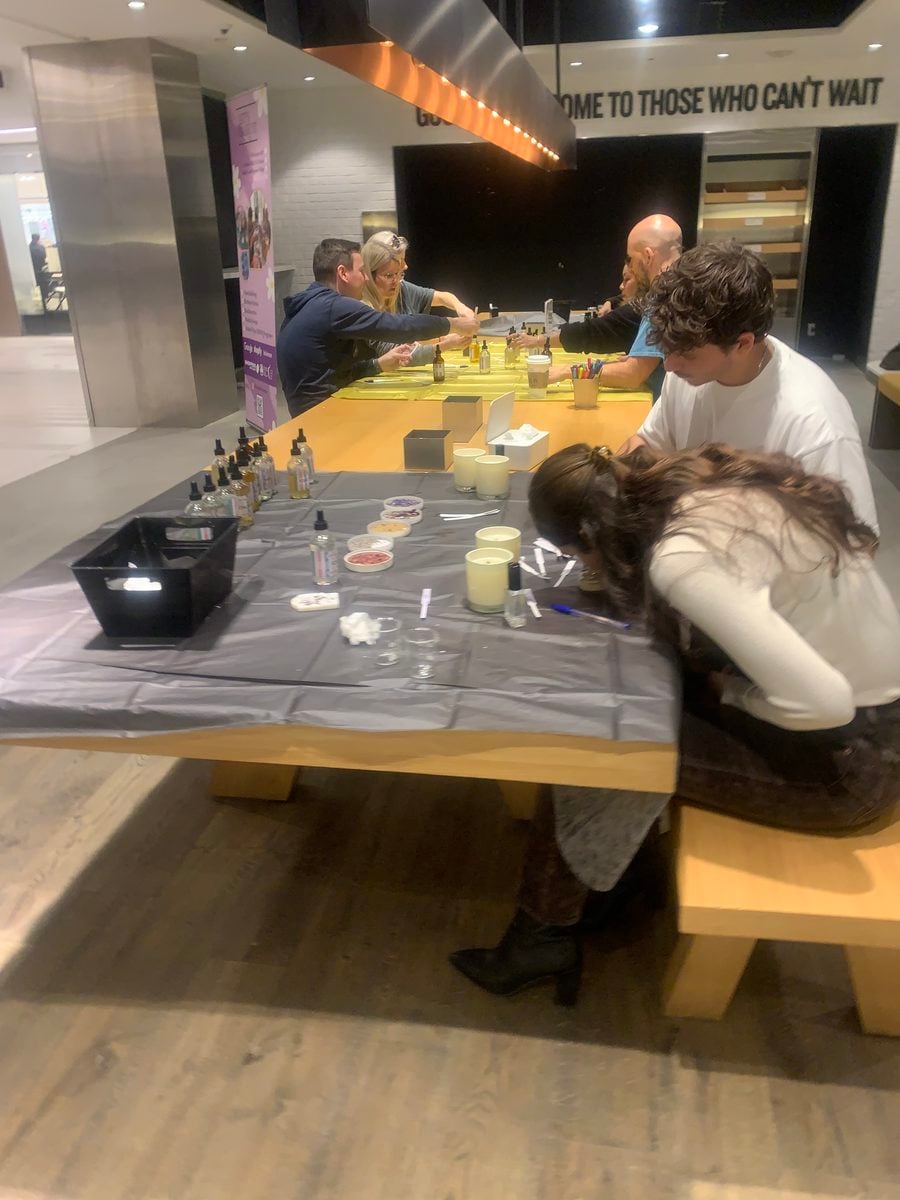
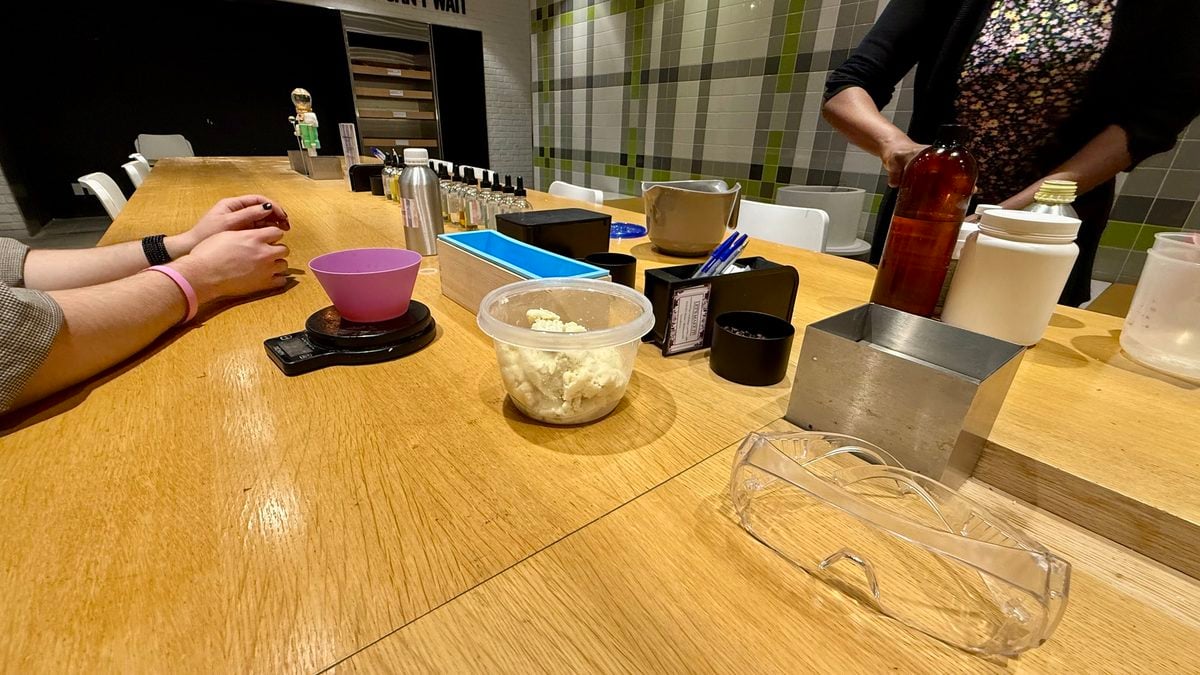
The new premises feature a long communal table for workshops alongside separate areas for smaller groups. Chambers said the flexibility is important because some participants prefer more intimate settings, while kitchen facilities make the space particularly well suited to food preservation workshops.
Let’s Make It also operates at 10217 Yonge Street in Richmond Hill. Its mobile programming has taken the business as far as Halifax, while local activities have included workshops at Evergreen Brick Works and the Village at Black Creek.
Learning Through Making
Chambers’ background in adult education shapes the company’s approach. Her professional biography identifies her as a researcher, organizational learning course developer, facilitator and certified teacher, with master’s degrees in education and teaching and ongoing doctoral studies.
Customers work with materials, experiment with techniques and develop an understanding of the processes involved in producing everyday items. Activities include making candles, soaps, lotions, lip balms, bath bombs and shower steamers, along with mosaic art, perfume making, hand-built pottery, resin art, food preservation and upcycling.
Chambers favours projects that produce something useful, with soap making providing an opportunity to introduce chemistry and product formulation. The degree of instruction varies according to the materials and techniques involved.
“We place a strong emphasis on conversational learning rather than top-down, lesson-based instructions,” Chambers said. Cold-process soap making involves more formal instruction because of its technical requirements, while other workshops encourage learning through discussion and experimentation.
Chambers also wants participants to consider the broader contribution of making things by hand. Her educational philosophy connects practical skills with innovation, sustainability and social change.
“I am aiming to disrupt the trivialization of craft so that people understand its importance to innovation, climate action, and social change,” she said. “Let’s Make It is a centre for learning and development.”
Workplace Learning and Educational Programming
Let’s Make It attracts customers celebrating birthdays, attending bachelorette parties, meeting friends or looking for an activity after work. Corporate groups also book sessions, with Chambers identifying workplace learning as an important area for business development.
Chambers said an advertising company brought 18 employees to the Bloor Street location for a group event. Participants worked around the communal table, which encourages conversation and collaboration while giving employees a shared activity.
Chambers views workplace learning as an educational discipline in its own right. She sees opportunities to incorporate experimentation, collaboration and discussions about innovation into programming for employers.
Public health is another area of interest, with Chambers exploring opportunities to work with organizations on hand hygiene and care. Programming has included sessions in which participants formulate their own hand sanitizer using biodegradable ingredients while learning about public health guidelines concerning hand hygiene.
Her background in curriculum design also provides opportunities to develop programming for schools. Chambers hopes to attract school groups through interdisciplinary activities aligned with the Ontario curriculum, including science, technology, engineering, mathematics and social sciences, as well as Specialist High Skills Major programs.
The range of programming has implications for how the business uses its premises. School groups and workplace bookings could complement consumer demand during evenings and weekends, providing opportunities to generate revenue throughout the week.
The Business Behind the Workshops
Customers book workshops online, while corporate clients generally pay on a per-person basis. Pricing varies according to the products participants make, the materials required and the complexity of the activities.
The company’s workshop listings include $40 bath-bomb and shower-steamer sessions, $45 mosaic and resin art activities, and $65 handmade spa-product workshops. A cold-process soap-making workshop at the Holt Renfrew Centre is advertised at $95, while the company’s website also lists a $125 cold-process soap-making session.
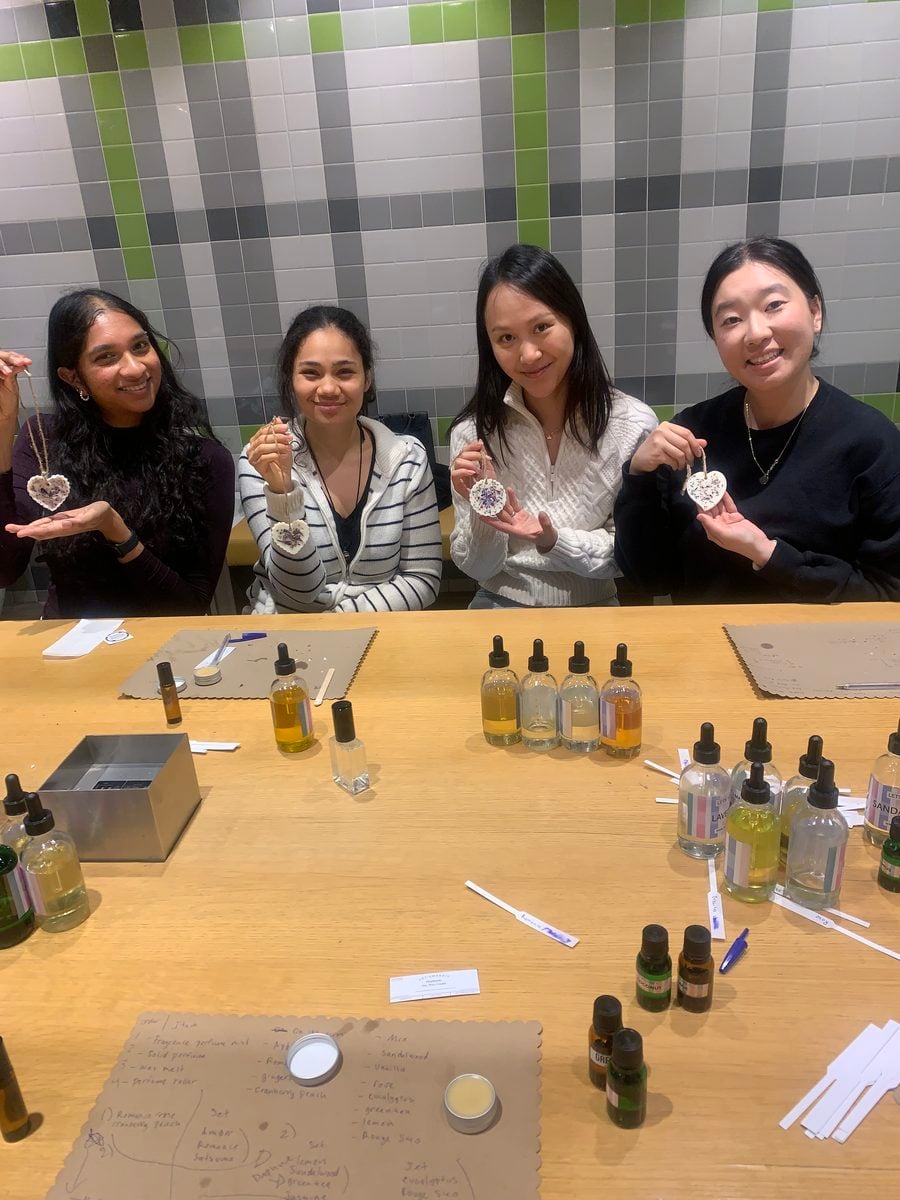
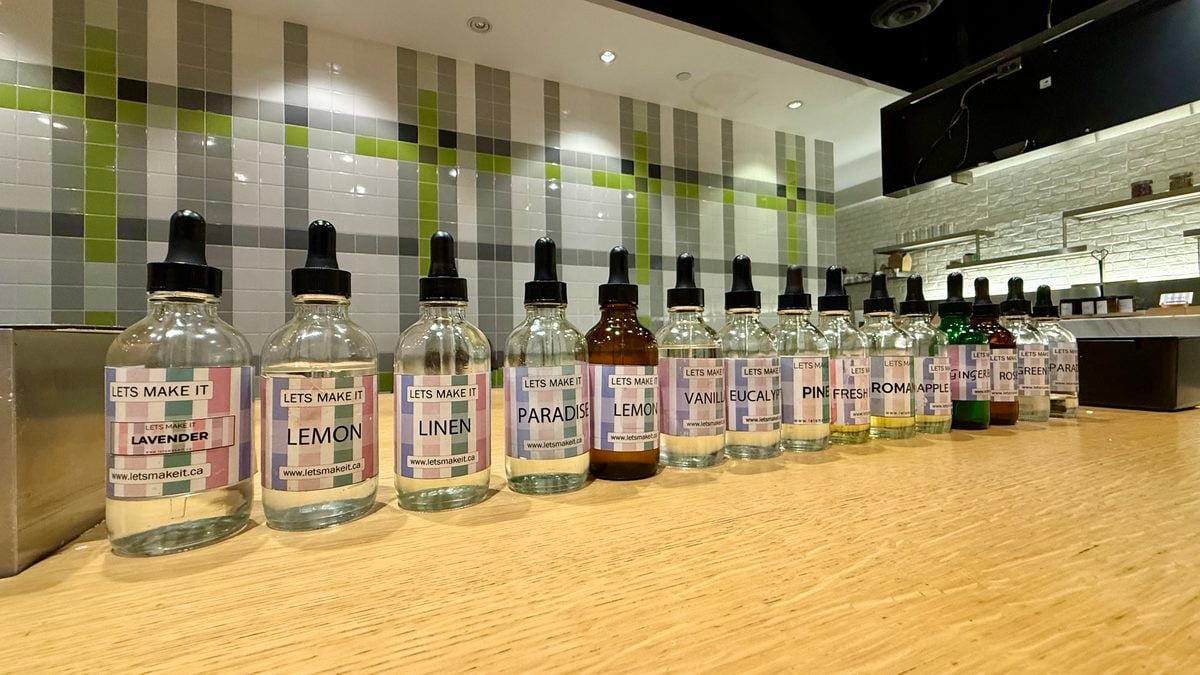
A candle-making and fragrance-mist workshop costs $55 and is available at both permanent locations. The approximately 90-minute session includes making two soy candles and a fragrance mist, with participants selecting fragrances and customizing their products.
Chambers said corporate groups are generally charged per participant without a corporate discount. She believes the educational component adds value for employers interested in workplace learning alongside social interaction.
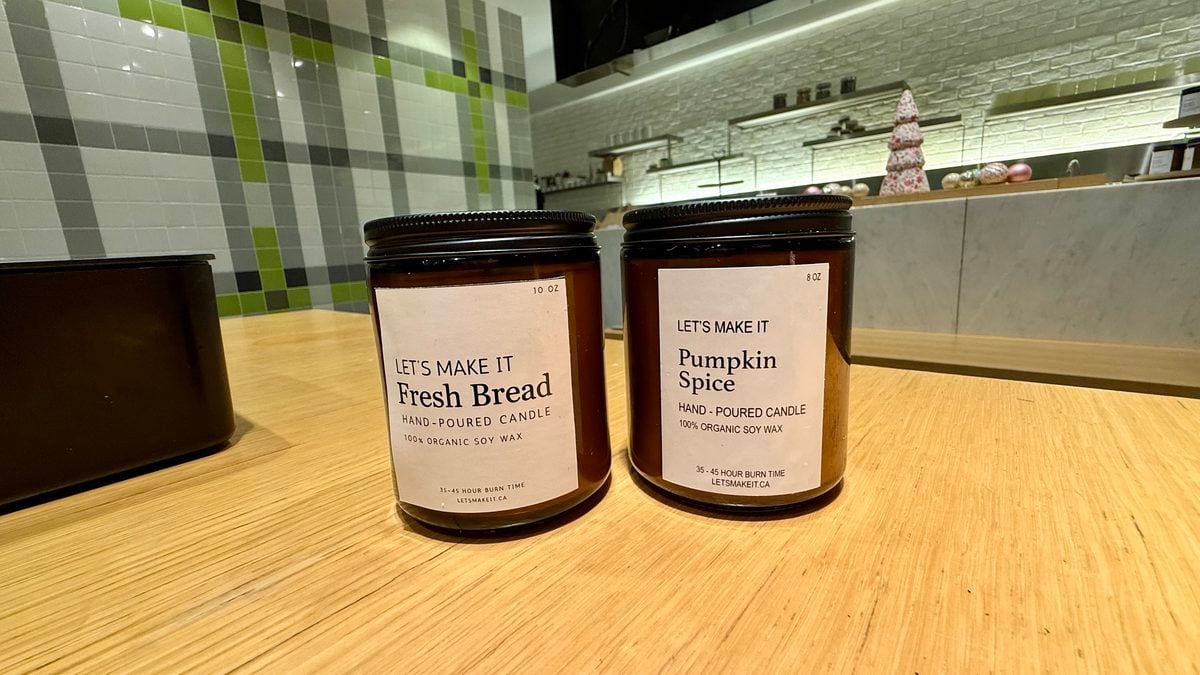
The company also plans to expand its merchandise offering at Bloor Street to include candles, soaps, lotions and do-it-yourself kits. Customers will be able to purchase finished products or acquire materials to continue making them at home.
Let’s Make It currently offers on-demand services through its website for lotions, lip balms and other products, Chambers said, with plans to introduce those services at the Bloor Street location. Customers could select a fragrance for a lotion, for example, and have the product prepared for them.
A Potential Fit for Shopping Centres
Let’s Make It introduces a different business model to the Holt Renfrew Centre. Customers purchase time in the space, access to materials and guidance in developing practical skills, with merchandise sales providing a complementary revenue opportunity.
Chambers believes learning-based activities could become a more established component of shopping centre tenant mixes. Her research examines the popularity of makerspaces in schools and libraries and considers their potential in commercial, community and institutional settings.
“I believe that shopping centres will evolve into learning centres,” Chambers said. “They will be centres for community connection and commerce as they engage in climate action.”
She also sees potential for makerspaces in office buildings, healthcare institutions and highway service centres such as ONroute locations. Programming could be adapted to the needs of visitors, employees and surrounding communities.
Retailers have already incorporated making and learning into their operations, with Michaels Canada offering craft-related activities and Home Depot Canada running children’s workshops. Those programs complement businesses whose primary source of revenue is merchandise sales, while the guided experience itself generates the initial sale at Let’s Make It.
The economics of a dedicated workshop business depend on attendance, booking frequency, pricing and group sales, balanced against staffing, materials and occupancy costs. For landlords, the opportunity lies in attracting customers who have committed to spending time at a property and who may also visit neighbouring stores and restaurants before or after their sessions.
Chambers is interested in working with office landlords and residential property managers to offer programming for tenants and residents. Mobile workshops could allow Let’s Make It to extend its reach across additional properties without requiring permanent premises in each building.
Handmade Activities in the Age of AI
Through her research, Chambers is also exploring how interest in making things by hand relates to the growing use of artificial intelligence. Her background includes instructional technology, and she has developed programs to help adult educators incorporate AI into learning and development.
She has observed customers using AI to generate names for candles and other products during workshops. Chambers has also encountered inaccurate AI-generated instructions and recipes, illustrating the importance of practical knowledge and human judgment when working with physical materials.
She has developed a workshop concept incorporating AI into the word “handmade,” reflecting her interest in how digital tools and traditional making activities intersect. Chambers sees craft as a means of understanding innovation and developing skills with practical, social and economic value.
Digital technology and hands-on learning already coexist at Let’s Make It. Customers discover and book experiences online, while the workshops themselves depend on working with physical materials and interacting with other participants.
Expansion and Future Partnerships
Chambers sees opportunities to grow Let’s Make It through additional studios, mobile workshops and commercial partnerships. Hotels are another area of interest, with Marriott among the companies she identified as potential collaborators.
Franchising is also a possibility, with Chambers believing her educational methods could be adapted for additional locations through consistent approaches to curriculum development and workshop facilitation. She would eventually like to operate a studio of approximately 3,000 square feet to accommodate additional activities and larger groups.
Chambers said she has largely financed the business herself while managing its operations and continuing her doctoral studies. She would welcome an angel investor to help develop larger premises and pursue opportunities beyond the company’s current resources.
The Holt Renfrew Centre location gives Let’s Make It a presence in an established Toronto retail district from which Chambers can introduce the business to new customers and potential commercial partners. Her longer-term ambition is to bring learning and development into a wider range of commercial and institutional properties, creating opportunities for greater participation in Canada’s handmade economy.