Trinity Real Estate Asset Management Inc. is preparing to expand its investment activities across North America following an ownership restructuring that brings new partners into the Canadian retail real estate business. The management-owned company has acquired Trinity Group’s asset and property management operations, while the development business remains under the control of founder John Ruddy’s family.
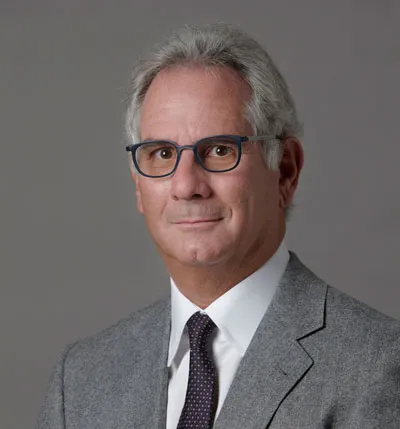
Led by Partner, President and CEO Fred Waks, the company manages 23 shopping centres comprising approximately 2.5 million square feet across Ontario, Alberta and Quebec. Trinity has raised approximately $180 million through its investment funds over the past three years, alongside additional joint-venture capital, and continues to pursue necessity-based retail properties.
Waks discussed the ownership transition, investment plans and leasing conditions across the company’s portfolio with Retail Insider. He also described how changing grocery store requirements are creating opportunities for landlords with existing large-format retail space.
New Ownership Structure Separates Management and Development
Founded by Ruddy in 1992, Trinity initially focused on large-format retail development and has since developed more than 32 million square feet of retail, commercial and residential space. The restructuring separates the management and development businesses while maintaining their working relationship.
Trinity Real Estate Asset Management acquired property and asset management contracts from Trinity Development Group and its affiliates. Ownership of the underlying income-producing properties remains unchanged, while the development business continues under Ruddy family control.
“Our operational structure will not change, however, the ownership structure now includes partners from outside of the Ruddy family for the first time,” Waks told Retail Insider. According to Real Estate News Exchange, Waks and businessman Allan Silber acquired a majority stake in the management business, with Ruddy and three senior executives retaining minority interests. Financial terms were not disclosed.
The arrangement allows the management and development teams to concentrate on their respective operations while continuing to work together. Waks said the relationship will preserve access to Trinity’s development expertise as the management company pursues additional investments.
“There will be no change to the ownership of the underlying income producing properties, and we have a strategy in place to expand the platform significantly,” he said. The new arrangement retains the company’s links to the development business.
Investment Funds Support Expansion Plans
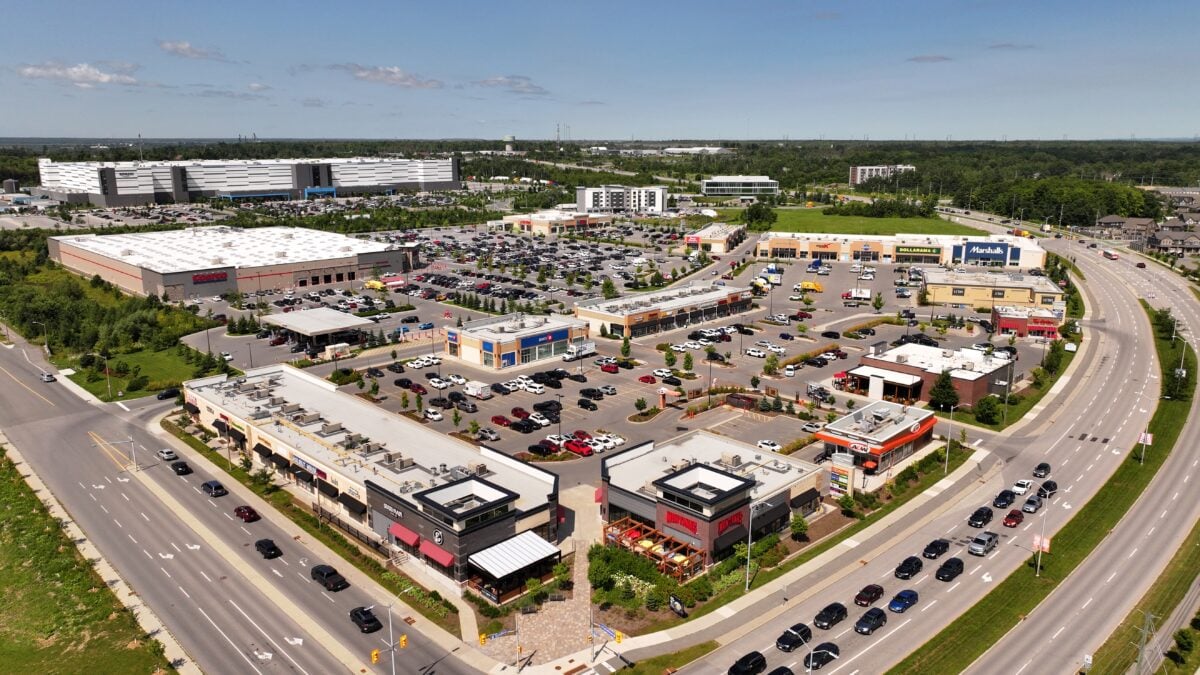
Trinity has expanded its investment activities since launching its first retail fund in 2023. According to the company’s investment information, its first three funds have attracted approximately $179 million in committed equity, while acquisitions through the fund platform have totalled approximately $450 million since 2023.
The company reported that its funds had acquired 10 shopping centres by the end of 2025. Waks said capital from the first two funds has been fully deployed into necessity-based retail properties across Canada, with the third fund expected to invest over the next 24 months. “We will be deploying the capital raised in our third fund over the next 24 months into the same asset class,” Waks said.
The investment strategy focuses on established shopping centres serving everyday consumer needs, including grocery, value-oriented retail and services. Trinity has acquired properties through marketed and off-market transactions, with Waks emphasizing the importance of underwriting and operating expertise when evaluating more complicated opportunities.
An example is Sheridan Plaza, acquired in April 2025 by Trinity Retail Fund II Limited Partnership. Located at 2200–2202 Jane Street near Wilson Avenue in Toronto, the approximately 170,000-square-foot centre is anchored by Walmart and Food Basics, with additional tenants including Black Creek Community Health Centre and Tim Hortons.
Trinity is also considering opportunities beyond Canada, although Waks has not announced specific acquisitions or an entry timetable. In a separate interview with RENX, he identified Florida, Texas and the northeastern United States as markets the company intends to investigate.
“We continue to see value in the necessity-based retail market, despite increasing investor interest and tighter pricing over the past 12 months,” Waks told Retail Insider. Competition for retail properties has increased as investors pursue assets supported by tenants providing essential goods and services. Waks said Trinity will maintain its Canadian acquisition focus while expanding its geographic search in a measured manner.
Retail Occupancy Reaches 98% as Rents Increase
Trinity’s existing portfolio is benefiting from strong tenant demand and limited retail availability. Waks said occupancy stands at 98%, with grocery, value-oriented and service-based retailers generating particularly strong leasing interest.
Rental growth has also been substantial, according to the company. Waks said lease renewals in 2026 are trending toward increases of 25% or more above expiring rents, while new leases are being secured at rates well above previous rents.
The figures represent Trinity’s reported portfolio performance, rather than broader Canadian market averages. They are consistent with tight leasing conditions in many established retail properties, where limited new development has increased competition for suitable space.
Trinity is concentrating on renewals, tenant retention and improvements to its merchandising mix. Waks said the company is prepared to invest in tenant expansions, relocations and new leasing opportunities where those investments support longer-term property performance.
Demand extends beyond discount retail. Medical services, food and beverage operators, boutique fitness businesses and personal services remain active, while conventional and premium retailers continue seeking locations in markets suited to their customers.
Grocery Retailers Adapt to Existing Big-Box Spaces
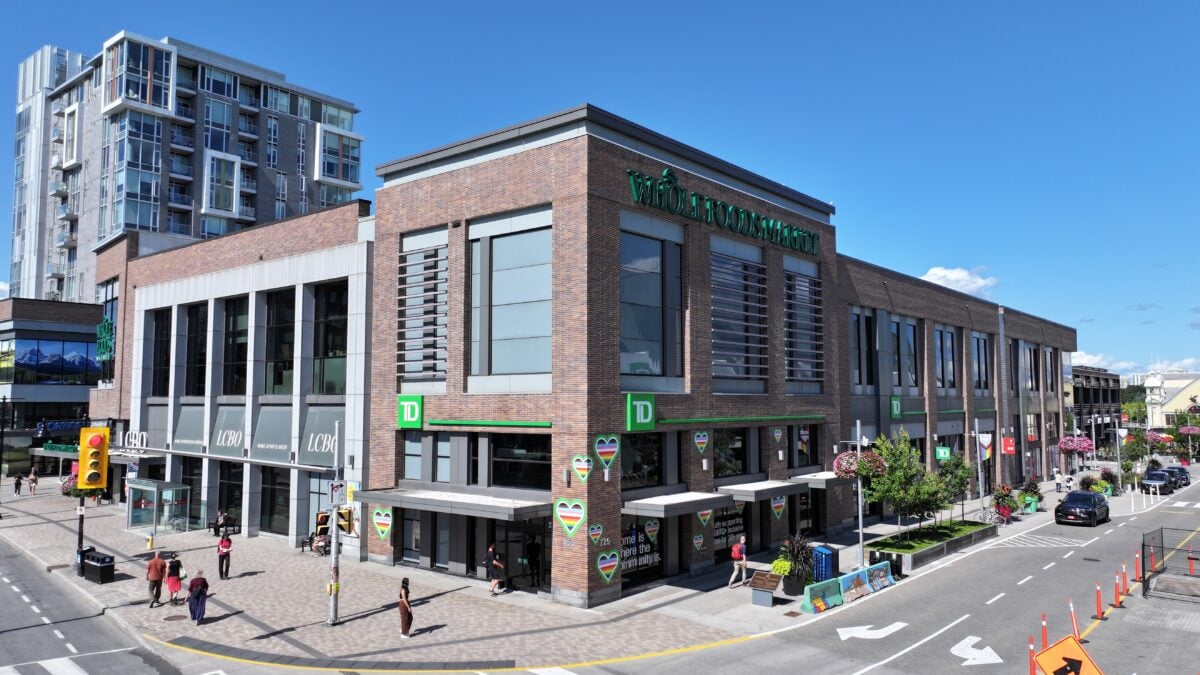
Waks identified changing grocery store requirements as an important development in Canadian retail leasing. Grocers are expanding discount offerings in response to pressure on household budgets while becoming more flexible about store sizes and building configurations. “Where a grocer once needed its exact base-building and loading requirements to operate, many will now adapt to fit the box,” he explained.
That flexibility is opening opportunities in second-generation retail space previously considered unsuitable for grocery operations. Waks cited former Toys “R” Us, Hudson’s Bay and Nordstrom premises as examples of locations that may now be considered for conversion.
His observations concern opportunities across the broader retail property market and do not indicate that Trinity has secured grocery tenants for those particular former stores. Conversions can still require investment in loading facilities, refrigeration, servicing and other building improvements.
Waks said the changes have intensified competition for premises measuring approximately 15,000 to 45,000 square feet. Smaller grocery formats and specialty operators are increasingly competing with other retailers seeking locations in that size range.
Discount grocery remains an important source of demand, but Waks cautioned against treating the market as a wholesale movement toward lower-priced retail. Conventional supermarkets and premium food retailers remain active, particularly in locations with suitable demographics.
He also sees opportunities among specialty, ethnic and international grocers offering fresh food and products tailored to specific communities. Their expansion adds another category of potential tenants for landlords evaluating existing retail properties.
The growing variety of grocery formats is influencing how shopping centre owners approach leasing. A property’s location, surrounding competition and trade area characteristics help determine which type of operator is best suited to available space.
Experienced Leadership Guides Next Phase
The management company’s ownership group includes Waks, Silber and three senior Trinity executives. Silber serves as Partner and Executive Chairman, while Chief Financial Officer Adam Cohen, Senior Vice President of Leasing David Scorniaenchi and Senior Vice President of Investments Rossi Sas are also partners.
Waks and Silber have known each other professionally since 1995, when Silber brought Waks to RioCan. Silber’s background includes more than 30 years with Street Capital Group, service on RioCan’s board of trustees and his current position as Chairman of Verity Pharmaceuticals.
Waks said Silber will contribute to investment strategy, financing and access to capital as the company evaluates new opportunities. The participation of senior executives as owners also provides continuity across acquisitions, leasing, asset management and property operations.
Ruddy remains Founder and Partner and will serve on the board of directors. According to Waks, he will provide strategic guidance and participate in overseeing management while the development business remains under family control.
The company intends to build a larger investment platform, although Waks declined to provide specific financial targets or acquisition volumes for the next several years. Its immediate plans include deploying the third fund’s capital over 24 months while evaluating additional Canadian and potential U.S. investments. “I’m not going to disclose financial targets – our focus is on delivering for our investors, and I’m confident growth will flow from that delivery,” Waks said.