For premium retailers, an effective e-commerce website must do more than make products easy to purchase. It needs to communicate why merchandise commands a higher price, convey what distinguishes the brand and give customers confidence in what they are buying.
Montreal-based REF Digital approaches that challenge by combining strategy, technology and design. The digital agency works across fashion, footwear, home furnishings and specialized products, developing online experiences that reflect each company’s positioning while meeting the practical demands of e-commerce.
In an interview with Retail Insider, Joël Auchu, Executive Creative Director, and Maxime Chabot, Principal Strategy Director, discussed what premium brands should prioritize as online shopping functionality becomes increasingly standardized. Their central argument: when basic functionality is expected, the differentiating question is whether the experience makes the product’s value clear, and does so in a way that feels true to the brand.
“It’s all about emotions for us,” Auchu said. “Functionality nowadays is kind of expected.” For the agency, the opportunity lies in understanding how customers perceive value and translating those qualities into the digital experience.
Why Functionality Is No Longer Enough
Filtering, responsive layouts, secure payments and streamlined checkout are now baseline expectations across much of e-commerce. They make a store usable, but rarely explain why one product or brand is worth choosing over another. For premium retailers, the experience around those functions can help close that gap.
Auchu compares the difference to sitting inside a premium automobile. Two vehicles may offer comparable basic functions, but their materials, interior finishes and even the sound of a closing door can create different impressions.
Online, photography, typography, motion, copy and page composition all shape how customers perceive a product. For retailers selling expensive apparel, footwear, beauty products or home furnishings, those details help communicate craftsmanship, ingredients, materials and design qualities that customers might otherwise examine in person.
“Showcasing the product the right way makes the difference,” Auchu said. He emphasized that the presentation surrounding merchandise is as important to the overall experience as the website’s functional elements.
For REF Digital, the process begins with understanding the company and why customers value its products. That can involve working closely with founders, examining merchandise firsthand and identifying which characteristics deserve attention in the digital experience. Auchu believes firsthand product knowledge helps creative teams make better decisions, revealing qualities that technical specifications alone may not convey.
The point is not to add visual polish for its own sake. It is to identify what customers need to see, understand or feel in order to recognize the product’s value.

Why Conversion Tactics Need to Fit the Brand
Conversion-rate optimization is central to e-commerce strategy, but Chabot cautions against assuming every conventional tactic is appropriate for every retailer. Promotional pop-ups, countdown timers and inventory warnings can encourage immediate purchases, yet undoubtedly conflict with a premium brand’s positioning.
Chabot argues that optimization should consider the relationship a retailer wants to establish with customers. A change that lifts a short-term metric may still be the wrong choice if it weakens the experience or erodes the brand’s credibility. “Does it feel right with that kind of brand?” Chabot asked, describing a question REF Digital considers when evaluating potential changes.
The aim is not to choose between brand and performance, but to improve performance in ways that fit the retailer’s positioning and customer promise.
Chabot also believes conversion rates should be interpreted in the context of how people interact with a retailer. Premium brands can attract substantial interest and online window-shopping. “Sometimes a lower conversion rate isn’t a problem to solve,” she said.
That does not make conversion unimportant. A lower rate is not necessarily a sign of underperformance if it is consistent with the category’s norms and the customer’s purchase cycle. Understanding this is essential to interpreting performance.
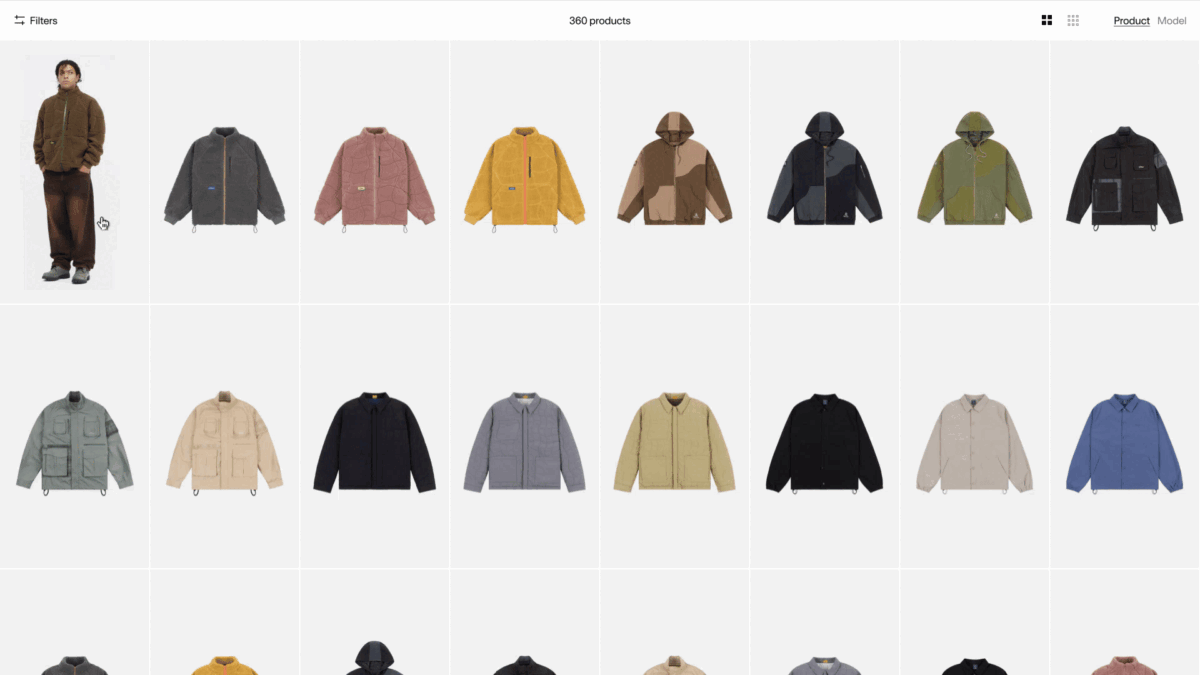
Montreal-based streetwear company Dime illustrates that distinction. Its skate team, films and high-profile collaborations draw a global audience interested in more than shopping. Not every visit signals an intention to buy, so its conversion rate needs to be interpreted in that context. REF Digital designed the website to support that cultural engagement while keeping the path to purchase effortless and intuitive. The project produced a 78% increase in add-to-cart rate, a 131% increase in conversion rate and a 13% increase in average order value.
For Chabot, the lesson extends beyond one retailer. Understanding why people visit a website can help brands support purchasing while accommodating other forms of customer engagement.
Product Storytelling and the Value of Visual Presentation
Photography, video and product information help communicate qualities that customers would otherwise assess in person. This is particularly important for premium merchandise, where materials, construction and design contribute to purchasing decisions.
Auchu emphasizes presenting products in ways that reflect their positioning. Depending on the category, that may involve detailed photography, editorial imagery, carefully developed descriptions or technical specifications that customers can explore without navigating excessive information.
Canadian tile and architectural surfaces supplier Céragrès provides an example of how product information and visual storytelling can work together. Its customers include homeowners, architects, designers and other professionals who need to understand both the appearance and technical characteristics of materials.
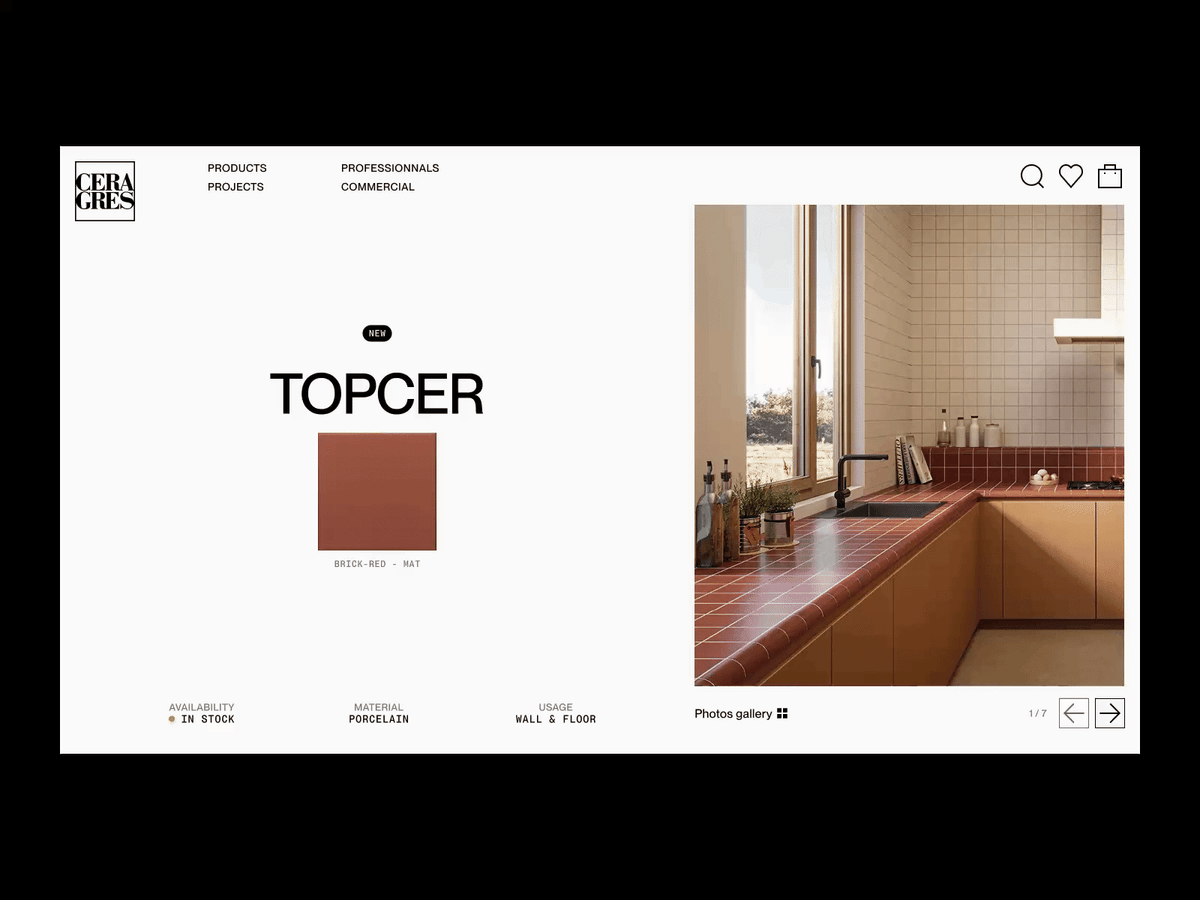
REF Digital developed a website connecting visual inspiration with product discovery. Visitors can explore materials through project imagery while using improved navigation, technical information and sample-ordering capabilities to narrow their selections. The redesign also strengthened the connection between the digital experience and physical showrooms, with wishlists that can be used during consultations or converted into sample orders.
REF Digital’s work had an immediate impact following the project: in the 6 months following the launch, a 30% rise in site traffic, doubled product views, and a sixfold growth in monthly sample orders.

Building Customer Confidence Through Digital Design
For unfamiliar or technically complex merchandise, an e-commerce website may also need to establish credibility before customers are ready to purchase. Digital presentation must explain how a product works, demonstrate its capabilities and provide enough information for prospective buyers to assess its usefulness.
REF Digital’s portfolio includes Halo Dental, a Canadian company developing a digital dental mirror. The device combines a fog-free mirror, an intraoral camera and associated software, requiring a presentation that communicates its features to dental professionals.
The project, developed in collaboration with sister agency LG2, encompassed branding, three-dimensional product visuals and a digital experience designed to demonstrate the device and collect information from prospective customers.
The results speak for themselves: preorders reached 140% of the original target. The example shows how clear demonstrations and accessible information can help prospective customers evaluate a specialized product before trying it firsthand.

How AI Is Reshaping the Shopping Journey
Artificial intelligence is reshaping the entire shopping journey, not just product discovery. Agents increasingly help consumers research, compare and select products, and then complete purchases on their behalf; now even moving the full transaction outside a retailer’s website.
Not every purchase is likely to follow that pattern, though. Consumers may be more comfortable delegating routine purchases than those involving a significant financial or emotional investment. For higher-priced or more emotionally driven purchases, the brand’s own site is likely to remain an important destination for exploration, reassurance and the final decision, even when discovery begins with an agent.
Chabot believes this increases the importance of original, detailed product information. Retailers need content that explains merchandise clearly, including materials, construction, craftsmanship and distinguishing characteristics.
Auchu anticipates that, as more customers arrive directly on individual product pages after researching merchandise through AI assistants and other discovery tools, those pages will become even more often a customer’s first substantial encounter with a brand. They will need to communicate its identity and product value while keeping specifications, availability and buying options easy to access. The challenge is to support agent-led shopping without weakening the brand experience for customers who still want to explore and buy directly. More so, the brand is the only thing AI can’t really own, making the website even more important in that regard.
Where Premium Retailers Should Begin
For premium retailers, Chabot recommends starting with a fundamental question: what makes the brand and its products worth the premium? Retailers should be able to explain what makes their products distinctive, who their customers are and why those customers value what they sell. Those answers can guide decisions about photography, website design, product descriptions and the overall shopping experience.
Chabot also suggests that meaningful improvements do not always require a complete redesign. A product page offers a practical starting point: do its imagery, descriptions and interface text help customers understand what makes the product distinctive and why it is worth choosing?
For premium brands, the opportunity is not always to add more, but to express their value with greater clarity and care. An effective digital experience should feel as considered as the products themselves, communicating what sets them apart and giving customers the confidence to choose them.