Touch-Free Retail to be the New Norm in Canada

Date:

Share post:

By George Brostoff, CEO, SensibleVision

I don’t have a crystal ball, and I can’t tell you what life will look like after the first wave of COVID-19 recedes from North America. I don’t know when a cure or a vaccine will be available, and I don’t know when we will all be able to go back to our regularly scheduled lives. But I do know that retail is never going to be the same again, thanks to the fusion of smart public health policies and technologies to prevent the spread of COVID-19 and other pandemics. And it’s all about reducing unnecessary contact between people and contaminated surfaces.

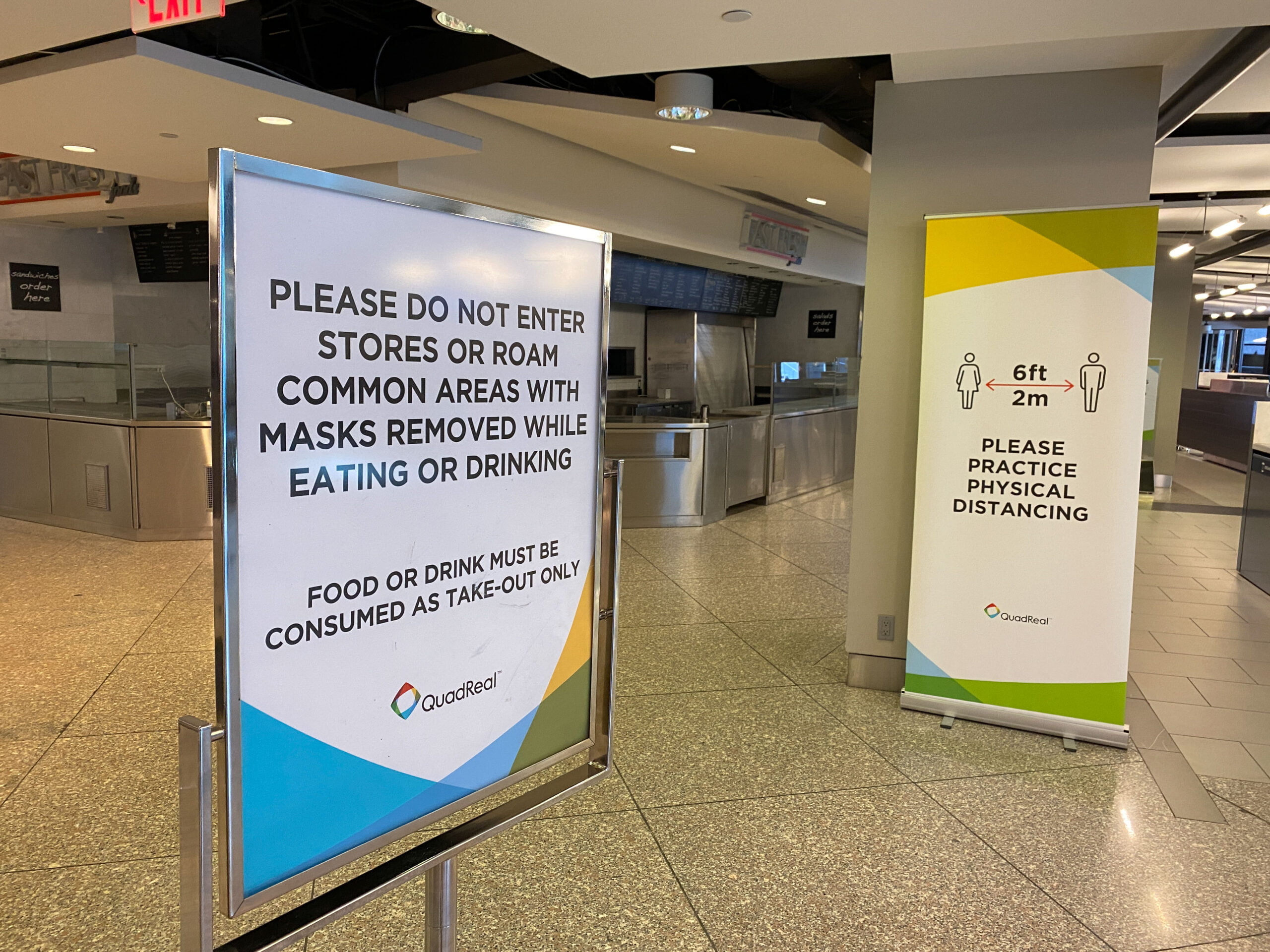
This is the world that we will inhabit beginning this summer. We’ll be allowed to leave our homes to some degree, but many cities have already announced longer-term restrictions on large gatherings. Toronto’s mayor announced in March that all event permits will be revoked until the end of June, which is several weeks after the initial wave of COVID-19 cases is expected to drop. These limitations will also apply to retail stores. We don’t know whether the two-metre zone will still be enforced, or whether Ontario’s cannabis stores will still only be allowed to sell via click-and-collect, but it is very unlikely that we’ll go back to the way we were on March 1.

This is where hands-free shopping will not be a luxury, but a necessity, as stores reopen. The intrinsic problem with stores isn’t that they’re crowded; it’s that hundreds or thousands of people are required to all touch the same surfaces and objects. Cash is already banned in many outlets, and Canadian banks have upped the limit on PIN-less transactions to minimize physical contact with payment pads. But even that reduction in touch points may not be enough to ensure public safety. And as long as retail stores are not seen as safe, they won’t be able to fully reopen and get back into the world of black ink.
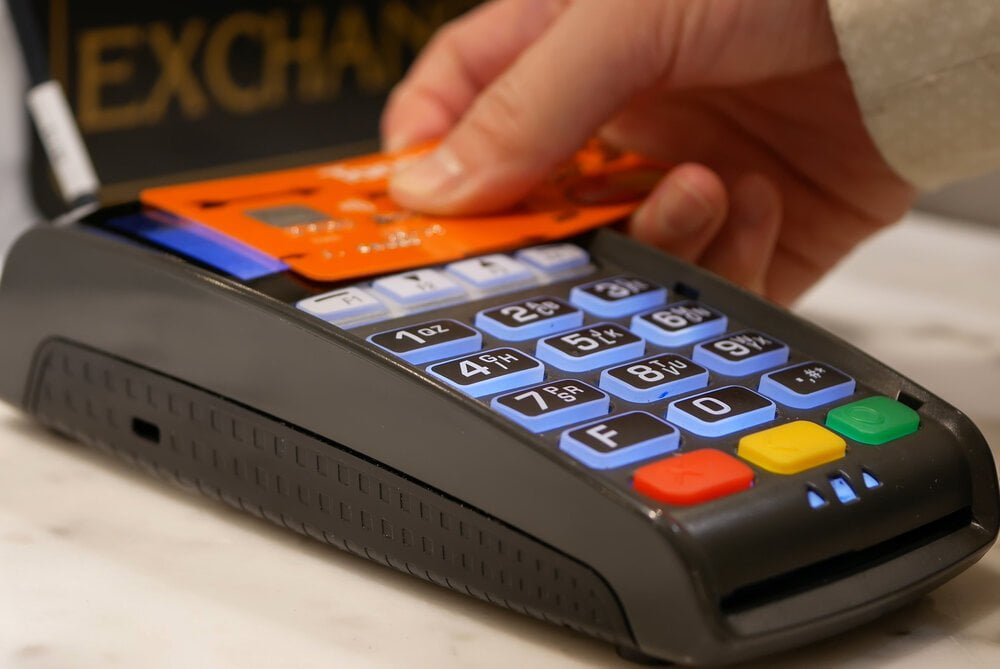
So, what does a touch-free retail experience look like? Simply put, every physical interaction involving technology needs to be replaced with one that can be done at a safe distance. That means replacing traditional check-out lines with systems that can identify shoppers and automatically debit funds without risking the exposures caused by handling cash or presenting physical cards. Think of it as a digital wallet with a facial-recognition component that uses a camera to pair customers with their preferred digital payment platforms.

The best part of this idea is that every bit of the technology that’s needed to make it a reality exists right now. Creating a personal 3D identification image is easy because Apple has been doing it for more than two years. In fact, this approach to security has been used commercially for almost 20 years. At the store end, the kiosks and cameras needed to verify shoppers have also been used for things like cheque cashing since the late 1990s.

Over the last two decades, the technology has gotten faster, smaller, and cheaper, and today it would be very cost-effective for stores to roll out their own biometric-powered systems. And given where our world is today, that may not just be a cool idea: it may be the only option.

George Brostoff

George Brostoff is CEO of SensibleVision, which makes facial-recognition software. Brostoff has seven U.S. patents and has developed technology used by Dell and other major companies. He can be reached at gbrostoff@sensiblevision.com.


LEAVE A REPLY

Please enter your comment!
Please enter your name here

More From Retail Insider

RECENT RETAIL INSIDER VIDEOS

Subscribe to the Newsletter

Subscribe

* indicates required

RECENT articles

Why Bureaucratic Delays Are Making Food More Expensive in Canada

Administrative delays affecting imported meat shipments may be adding millions in unnecessary costs to Canada's food supply chain, argues Sylvain Charlebois.

Longo’s Opens First Welland Store as Growth Continues

Longo’s is a family-operated Canadian organization that started in 1956 when three brothers, Tommy, Joe and Gus opened their first fruit market.

Why Vancouver’s West 4th Retail District Continues to Thrive

New retailers including Sephora, Aritzia and Mandy's Gourmet Salads are investing in Vancouver's West 4th retail district as the Kitsilano corridor continues to attract shoppers while maintaining its distinctive character.

Circle K Advances 750-Store Expansion Plan as Foodservice and Loyalty Drive Growth

Circle K parent Alimentation Couche-Tard is advancing its plan to build 750 new stores by 2030 while investing in foodservice, beverages, loyalty programs and digital engagement to drive future growth.

Canada’s only commercial olive farm on Salt Spring Island to be sold through online auction (Video)

Farm produces extra virgin olive oil used by restaurants across the country and internationally.

Mary Brown’s Chicken opens Toronto flagship with José Bautista at Sankofa Square

The chain, founded in St. John’s in 1969, now operates more than 300 locations across Canada and has begun expanding internationally, with sites in markets including Mexico, the United Kingdom, India and Pakistan.

‘Buy Canadian’ movement gains momentum as shoppers prioritize local brands: Healthy Planet

“Canadians are becoming more intentional about the brands they support.”

Secondhand shopping growth outpacing retail overall: Mastercard

When asked what specific factors consumers consider most important when making purchasing decisions, cost (63%), longevity (52%) and brand trust (45%) lead.

Daily Synopsis: Jun 23, 2026

Walmart Canada looks for innovative suppliers at growth summit, RONA recognized as a 'best workplace', Bay Centre buyer looks to add experiential tenants, Loblaw opens at Broadway and Granville in Vancouver, and other news.

VIDEO: Indoor farming push seen as key to Canada’s food security: GoodLeaf CEO

Food security in Canada hinges on ensuring consistent, year-round access to fresh produce despite the country’s extreme seasonal swings.

Most small businesses worry higher fuel costs could cool summer tourism season: CFIB

"Fuel costs have been squeezing small businesses from all sides: at the pump, across their supply chains and in their customers' wallets."

RioCan announces new grocery, fitness, and apparel tenants for HBC space at Georgian Mall in Barrie

Georgian Mall is the largest enclosed shopping centre in Barrie and the greater Simcoe County area.

VIDEO: Amazon Prime Day 2026 expected to draw Canadian shoppers despite affordability pressures: Bruce Winder

Consumers are grappling with elevated living costs, including higher fuel prices and persistent food inflation.

RH to Open in Former Club Monaco Building on Toronto’s Bloor Street

RH is set to open a store in the former Club Monaco flagship building at 157 Bloor Street West in Toronto, bringing a new home furnishings tenant to one of Canada's most prominent retail locations.

How Consumer Preferences Are Reshaping Canadian Grocery Retail

Canadian grocery retail is evolving as consumers embrace curated assortments, ethnic supermarkets, private-label products and value-focused shopping. Industry veteran Michael Commisso shares insights into the trends reshaping the sector.

Competition Bureau Continues Multi-Year Push Against Grocery Property Controls

The Competition Bureau of Canada has expanded its investigation into Sobeys' use of property controls, continuing a multi-year effort that began with its 2023 grocery competition study and has already prompted changes across the grocery industry.

Prime Day spending set to hit $5.4B in Canada as participation jumps from 52% to 65% in a year

70% expect to spend the same amount (51%) or more (19%) than they did last year.

Fran Deck, Steward of Toronto Landmark Fran’s Restaurant, Dies at 89

Fran Deck, longtime steward of Toronto's historic Fran's Restaurant, has died at age 89. His legacy lives on through one of the city's most enduring dining institutions.

AI implementation gap puts client revenue and talent at risk, Thomson Reuters report warns

While AI tools are widely used across legal, tax, audit and risk professions, many organizations are failing to translate that usage into measurable business value, exposing them to financial and operational consequences.

SELLIT9 raises $4.1M to expand recommerce trade-in platform across North America

The funding round was led by the Business Development Bank of Canada’s Seed Venture Fund, with participation from MaRS Investment Accelerator Fund, AQC Capital and Anges Québec.