Retail Insider has released Q3 2026 Books & Specialty: Expanding Physical Reach, authored by Retail Insider founder and publisher Craig Patterson. The report examines how bookstores, collectibles brands and entertainment businesses are using different physical formats to turn audience interest into purchases.
The report covers Canadian books, music, gaming, collectibles, hobbies, movie exhibition and entertainment-focused retail. It combines Retail Insider coverage, company disclosures and industry research, distinguishing Canadian developments from global financial results and treating proposed openings, distribution agreements and early demand as different stages of commercial progress.
Retail Insider Reports provide executive-level analysis of the sectors and business issues shaping Canadian retail. The Retail Insider Report Hub brings the quarterly collection together, connecting individual businesses with broader evidence about demand, distribution and the economics of physical retail.
General Themes
- Physical reach takes different forms: Branded stores, specialist sections and retail partnerships require different amounts of capital and space.
- Engagement needs a commercial result: Opening interest and social attention must eventually support repeat purchases.
- Store economics remain local: Loyal audiences do not eliminate occupancy costs or the need to adjust formats.
- Merchandise shapes the experience: Product selection influences customization, spending mix and the value of a visit.
- Timing matters: Inventory must be available while film releases, characters and other entertainment properties attract attention.
Retail Insider Coverage
Pop Mart followed its July CF Toronto Eaton Centre opening by confirming ten Canadian leases signed or committed. Its planned permanent Eaton Centre store would expand from an initial approximately 1,728-square-foot presence to roughly 5,028 square feet. Early performance exceeded expectations but also created allocation challenges. As the network grows, availability and demand across multiple characters will provide a stronger test than individual opening periods.
LEGO opened at CF Markville in September, with additional CF Toronto Eaton Centre and Square One locations scheduled in the source report for October 23 and November 6. Completion of the three-store program would increase the Canadian network from 12 to 15. These direct stores complement broad wholesale availability through personalization, loyalty, staff assistance and play. Their contribution depends on what they add beyond another place to buy the product.
Criterion progressed from a TIFF Mobile Closet visit in 2025 and a holiday pop-up to a permanent section within Cinema Cellar at 129 John Street. The specialist setting provides access to film collectors without the operating requirements of a standalone Criterion store. Festival traffic helped test interest, but year-round demand outside TIFF and the holiday period remains a separate question.
Yoto introduced its players, audio cards and accessories to 90 Indigo stores and Indigo.ca in August. Its first major national Canadian retail partnership gives families a place to understand the system after years of predominantly direct sales. Reported Canadian growth of 50 per cent in the prior year lacked a disclosed dollar base. Wider distribution creates a test of device acquisition, repeat card purchases and the value of physical demonstration.
Villager Puzzles reported more than 200,000 cumulative puzzle sales and availability in over 800 Canadian retail locations, including all Simons stores. Canadian women artists receive uncapped royalties on the artwork used. The figures are not quarterly growth measures. They demonstrate how a differentiated product can achieve broad physical reach through existing retailers rather than its own store network.
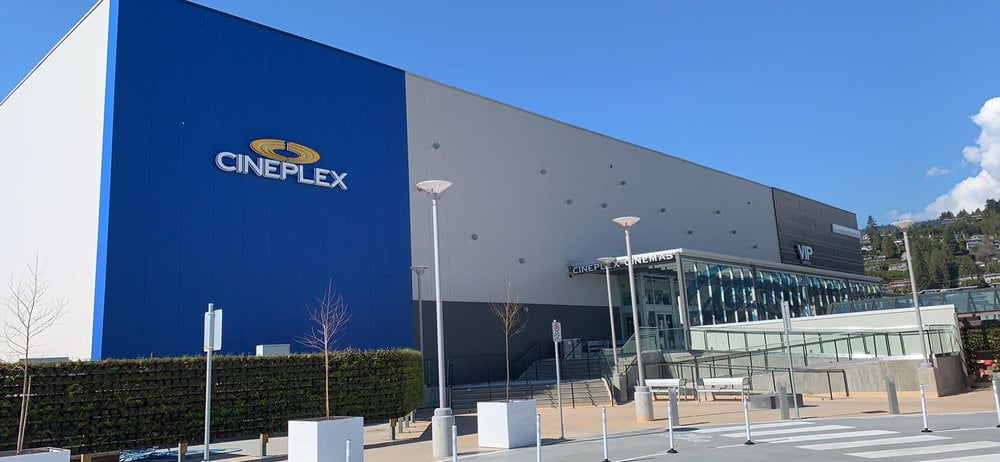
Cineplex supplied measurable evidence of entertainment interest converting into merchandise sales. In its quarter ended June 30, merchandise revenue increased 45 per cent to approximately $4 million, while theatre attendance rose 9.3 per cent. Merchandise remained small relative to the overall business but contributed to concession spending. CineClub members visited about four times as often as non-members, a comparison that does not establish membership caused the difference.
Cineplex initiated a strategic review in September and appointed Bill Walker chief executive following Ellis Jacob’s retirement. The review includes consideration of a potential sale, but no buyer, transaction or timetable had been announced. Its theatre, merchandise, subscription and amusement businesses have different economics. The review itself does not establish that the company or individual assets will change hands.
Broader Industry Coverage
Book City’s 50th anniversary illustrates the value of adapting a neighbourhood network rather than preserving every location unchanged. Its four Toronto stores draw on local buying judgment and customer relationships. In Bloor West Village, the company closed a store in 2012 amid occupancy and competitive pressures, then returned in 2014 with a smaller format after Chapters departed. Demand and the economics of serving it can move independently.
ABC Books presented a different outcome. The report recorded an October 30 departure date from its Yonge Street premises, occupied since 1988, with owner Patrick Hempelmann citing property taxes as a factor in the location’s economics. Inventory was expected to move toward the related BMV Books location on Queen Street West. The future of ABC as a distinct banner was not established.
Book Bar opened in late June with bookselling, hospitality and programming at Mirvish Village. Literary fiction became its strongest-selling category in early trading despite expectations that social-media-driven romance and fantasy would lead. Its hybrid format had no disclosed financial results. Separately, Guildford Town Centre’s temporary Book Corner tested curated bookselling and visits, but unpublished results and its charitable structure prevent treating it as proof of permanent-store economics.
Cineplex’s location-based entertainment results show why spending mix matters. Adjusted store-level EBITDA declined to $3.9 million from $5.8 million as food-and-beverage spending increased but higher-margin amusement spending weakened. Competition also affected some locations. A busy entertainment venue still needs a mix of purchases that supports labour, space and other operating costs.
Build-A-Bear’s global second-quarter revenue fell 7.2 per cent, with management linking weaker traffic partly to products less suited to dressing and customization. No separate Canadian financial result was disclosed. Stronger early Halloween performance followed a return to merchandise supporting the established interactive process. The lesson concerns the fit between product and format, not a measured Canadian sales decline.
Spin Master’s global toy revenue grew 12 per cent in its June quarter, but approximately US$40 million in gross product sales expected in Q3 shipped earlier, partly ahead of the PAW Patrol movie. The timing shift did not change the full-year outlook. Initial sell-through was meeting expectations, while later replenishment remained uncertain. The company was also extending properties into categories including Melissa & Doug books.
Scholastic reported fiscal first-quarter 2027 international revenue of US$60.5 million, approximately unchanged after currency effects. Neither that result nor encouraging U.S. book-fair bookings establishes Canadian growth. Domestic ordering, consumer sell-through and replenishment will provide more relevant evidence of Canadian performance through the fall publishing season.
Editor’s Take
The report’s outlook shifts attention from opening activity to repeat spending. Pop Mart’s character releases, LEGO’s direct stores, Criterion’s year-round presence and Yoto’s Indigo rollout all require evidence beyond initial interest. Book Bar’s trading mix, Cineplex’s merchandise attachment and Spin Master’s replenishment will provide different measures of durability. Each reflects the particular job its physical distribution is intended to perform.
There is no single correct amount of real estate for books and entertainment retail. A branded store can support collecting and interaction, while a dedicated display or specialist partnership may reach customers with a smaller commitment. The financial discipline is the same: inventory, occupancy and operating costs must be supported by sustained purchases. Attention creates the opening, but repeat spending makes it a business.
Conclusion
Read the full Q3 2026 Books & Specialty report for the analysis of bookstores, collectibles, distribution and entertainment-led merchandise. It examines the evidence behind physical expansion while retaining the differences between Canadian and global results.
The report and the wider quarterly collection are available through the Retail Insider Report Hub. The collection connects Canadian retail developments with the commercial tests that determine whether new formats and partnerships can endure.