Advertisement
Advertisement
Home Blog Page 100

Hike in retail sales in November: Statistics Canada

Photo: freestocks
Photo: freestocks

Retail sales increased 1.3% to $70.4 billion in November. Sales were up in eight of nine subsectors, led by increases at food and beverage retailers. Core retail sales—which exclude gasoline stations and fuel vendors and motor vehicle and parts dealers—were up 1.6% in November. In volume terms, retail sales increased 1.1% in November, reported Statistics Canada on Friday.

“Core retail sales rose 1.6% in November after decreasing in the previous two months. The largest increase to core retail sales came from food and beverage retailers (+3.0%). The increase in this subsector was led by beer, wine and liquor retailers, which were up 14.3% in November after falling 11.8% in October amid labour disruptions in British Columbia that impacted the sale and distribution of alcoholic beverages. In the food and beverage retailers subsector, higher receipts were also recorded at supermarkets and other grocery retailers (+1.2%),” explained the federal agency.

“Also contributing to the gain in core retail sales in November were higher sales in the health and personal care retailers subsector (+1.6%).

“Clothing, clothing accessories, shoes, jewellery, luggage and leather goods retailers (+2.4%) were up in November. Clothing and clothing accessories retailers (+2.7%) led the increase in this subsector, following two consecutive monthly declines.”

Higher sales were also recorded at building material and garden equipment and supplies dealers (+2.1%) in November. The increase marks a second consecutive monthly gain for this subsector, said StatsCan, adding that the sole decrease to retail sales in November came from sporting goods, hobby, musical instrument, book, and miscellaneous retailers (-0.2%).

Statistics Canada said sales at gasoline stations and fuel vendors (+2.0%) were up in November after falling 1.4% in October. In volume terms, sales at gasoline stations and fuel vendors rose 0.7% in November.

“On a seasonally adjusted basis, retail e-commerce sales decreased 2.8% to $4.0 billion in November, accounting for 5.7% of total retail trade, compared with 6.0% in October,” it said.

“Statistics Canada is providing an advance estimate of retail sales, which suggests that sales decreased 0.5% in December. Owing to its early nature, this figure will be revised. This unofficial estimate was calculated based on responses received from 61.3% of companies surveyed. The average final response rate for the survey over the previous 12 months was 88.0%.”

Andrew Grantham
Andrew Grantham

Canadian retail sales picked up in November, but failed to hold onto those gains in December,” said Andrew Grantham, Senior Economist with CIBC Capital Markets.

“The 1.3% increase in sales during November was a tick above the advance estimate and consensus forecast, and reflected a 1.1% gain in inflation-adjusted terms. Core retail sales (ex autos and gasoline) rose by 1.6%, on the back of broad-based increases led by food & beverage stores.  However, even after the latest increase, sales volumes remained weaker than they were in August, thanks to declines in the previous two months. Moreover, the advance estimate for December suggested that sales pulled back again with a 0.5% nominal reduction estimated. In other words, the November gain hasn’t changed what has been a broadly sideways trend in retail spending since the start of 2025.”

Shelly Kaushik
Shelly Kaushik

Despite a decent November report, Canadian retail sales continue to be choppy. Considering the significant headwinds of trade uncertainty, consumers appear to be holding on, supported in part by past interest rate cuts, said Shelly Kaushik, Senior Economist, BMO Capital Markets.

“November delivered a welcome rebound, but there is little to get excited about. Part of the strength reflects volatility tied to a labour dispute, rather than a meaningful improvement in underlying demand. The pick-up follows a weak and downwardly revised October and is already giving way to softer momentum in December. Looking through the monthly volatility, the underlying trend in real sales remains negative. Soft consumer sentiment is likely a key factor: the Bank of Canada’s latest consumer survey shows households are feeling increasingly pessimistic about their finances, weighing on spending decisions,” said Maria Solovieva, Economist, TD Economics.

Maria Solovieva
Maria Solovieva

“Our outlook for Q4 real consumption growth remains subdued, tracking close to 0.9% (quarter-on-quarter, annualized). There is some upside risk from services, as our internal credit and debit card data point to building momentum toward year-end. Still, we don’t think expect it to be large enough to lift overall consumption above a below-trend pace.”

More from Retail Insider:

Fairmont partnering with Truman for new luxury Calgary downtown area hotel

Photo: Davey Gravy
Photo: Davey Gravy

World-renowned luxury hospitality brand, Fairmont Hotels & Resorts, part of the leading hospitality group Accor, in partnership with development group Truman has announced the development of a new 225-key Fairmont hotel slated to open in Q4 2031 in what officials are calling a premier location within Calgary’s Greater Downtown. But they did not disclose an exact location.

The new mixed-use development when complete, will house beautifully appointed guest rooms; a signature spa and wellness offering; a robust meetings and events program supporting Calgary’s burgeoning convention demand and 100 luxury branded residences, they said.

Fairmont Calgary is a direct beneficiary of the Stampede Park transformation project, a major revitalization of Calgary’s Culture and Entertainment District centered around the government funded $500 million expansion of its BMO Centre, completed in 2024. The new BMO facility has created Western Canada’s largest convention facility, alongside infrastructure upgrades, new public spaces, and improved transit access to attract more events and visitors to the area, said officials in a news release.

Omer Acar
Omer Acar

“We are honored to play a role in this incredible new property at such a pivotal moment in Calgary’s development. Adding a second property in this flourishing city where the beloved Fairmont Palliser currently resides will be a significant achievement, and reinforces Fairmont’s leadership position in Western Canada, as well as strengthens our long-term brand commitment to Calgary as a destination. Fairmont Calgary will become an exciting new social hub for the local community, hotel guests and residents alike, blending both tradition and modernity,” said Omer Acar, CEO, Fairmont Hotels & Resorts.

The project will bring together a world-class team of architects and designers to build and create the mixed-use building combining a Fairmont hotel with branded residences. The design concept will be announced, and the regulatory approvals process will be initiated in Q1 of 2026. The property’s development adds a major economic benefit to Calgary, providing employment opportunities during its construction and hospitality jobs once open, explained officials.

“This investment underscores our shared confidence in Calgary’s future. Fairmont Calgary will contribute meaningfully to the city’s economy, vibrancy, and its growing reputation as a global destination for business, tourism, and luxury living,” said George Trutina, President, Truman.

Fairmont Hotels & Resorts is renowned for the international luxury hospitality brand’s unrivalled portfolio of 96 extraordinary hotels. Fairmont is part of Accor, a world leading hospitality group counting over 5,700 properties throughout more than 110 countries, and a participating brand in ALL Accor, a booking platform and loyalty program providing access to a wide variety of rewards, services and experiences.

Truman is an Alberta-based family-owned developer and builder. Earlier this year, Truman and Marriott International, Inc. announced plans to open three hotels in Calgary, including W Calgary, JW Marriott Calgary and an Autograph Collection Hotel on Stampede Park.

More from Retail Insider:

Canadian holiday shoppers getting savvier: NerdWallet

Photo- NerdWallet
Photo- NerdWallet

As Canadians look ahead to 2026, many hope to rein in spending but new data shows just how tricky it can be. Despite intentions to spend less, post-season findings from NerdWallet Canada, based on a survey conducted by The Harris Poll, reveal that rising costs and holiday pressures likely pushed shoppers beyond their budgets.

The survey found: 

  • Intention versus reality: 2025 holiday shoppers’ actual spend on gifts, $828 on average, is higher than what those who planned to buy gifts last holiday season anticipated they’d spend.
    • When surveyed in October 2025, Canadians who planned to purchase gifts expected to spend $708, on average. 
    • The post-holiday average suggests actual spending exceeded earlier projections by $120.
  • Overspending wasn’t because of poor planning: Only 7% of 2025 holiday shoppers blame their lack of planning for overspending/overbuying on gifts. 
  • Inflation was still The Grinch of the season: 43% of 2025 holiday shoppers say higher cost of living/inflation impacted the amount they spent on gifts this past holiday season.
  • Canadian holiday shoppers are getting savvier: 33% of 2025 holiday shoppers shopped only during sales, deals and promotions and 23% used loyalty points or cashback to pay for holiday gifts.
  • Elbows are still up: 20% of 2025 holiday shoppers bought more ”Made in Canada” gifts, which were more expensive than foreign-made gifts.
  • Most Canadians were still in the spirit: 89% of Canadians purchased gifts for friends and loved ones this past holiday season. 

NerdWallet Canada personal finance expert Shannon Terrell said even the best-laid, most well-intentioned budgets aren’t impervious to the stressors of the season.

Shannon Terrell
Shannon Terrell

“Holiday gift giving is an overwhelming gauntlet of inflation creep, scarcity marketing, BOGO traps and spend-to-save thresholds. Throw in some emotionally-loaded gifting anxiety for a good measure and you’re looking at the perfect financial storm. Intentions alone aren’t always enough.

“I think higher prices did a lot of heavy lifting this holiday season. Was poor planning or frivolous spending a factor? For some folks, sure. But many Canadians used thrifty gifting strategies to try and get ahead this season, like crafting their own gifts, shopping only during sales and using loyalty points to cover the cost of gift purchases. Yet, even when Canadians stuck to their lists, shopped the sales and cashed in
their points, they still came in over budget. That speaks to a fundamentally different financial landscape than the one Canadians were budgeting for based on previous years’ experience.

Terrell said we need to stop framing holiday overspending as a moral failing and start acknowledging the systemic pressures working against even the most diligent budgeters.

“Both in person and online retail environments actively encourage consumers to spend more, often via an artificial sense of urgency. It can
feel deeply compelling, even financially irresponsible not to take advantage of whatever ‘deal’ is being waved before your eyes. A budget is only half the battle. Implementing a 24-hour cooling off period, where you sit on a purchase overnight, can help dissipate the sense of urgency. This way, you can make a more clear-eyed decision about whether to make the purchase.”

More Canadians are shopping sales and using loyalty points and cashback programs. Are these tools genuinely helping people control costs, or do they sometimes encourage higher spending?

“It can be both, which is what makes these programs so appealing — and dangerous. Swiping your credit card to rack up rewards points or cash back is fine, so long as you have an actionable plan for paying back what you owe before it starts to accrue interest. Interest charges actively devalue your rewards, so unless you’re staying on top of your balance, you may be paying more to grow your point balance than you realize,” explained Terrell.

She said Canadians may not be able to control the ongoing tariff dispute, but they do get to choose how and where they spend their hard-earned dollars.

“In the past year, we’ve seen people voting with their wallets in a show of community support and national economic resilience. I think Canadian retailers have an interesting opportunity here. Yes, there appears to be a growing appetite for Canadian-made goods. But if a home-grown or locally-made product comes at a consistently higher cost, does it become a luxury only higher-income households can afford? The interest is there. The question is whether the industry can meet it without forcing Canadians to choose between purchasing products that align with their values or safeguarding their household budgets.”

More from Retail Insider:

Tourisme Montréal, Palais des congrès secure slate of major conventions worth nearly $100M

Photo: Marc-Olivier Jodoin

Tourisme Montréal and the Palais des congrès de Montréal say a series of major international and North American conventions confirmed in recent months will bring more than 100,000 hotel room nights to the city and generate economic benefits estimated at close to $100 million.

The organizations said the bookings, spread over several years, add to Montréal’s pipeline of large-scale business events and are all slated to take place at the Palais des congrès de Montréal.

Pipeline of large conventions

Among the newly confirmed events are conventions by the World Science Fiction Society, expected to draw about 4,000 delegates in 2027, and the Canadian Labour Congress, with approximately 3,500 delegates anticipated in 2032.

Tourisme Montréal said the confirmations are the result of long-term planning and coordination with partners.

Mylène Gagnon
Mylène Gagnon

“Behind every confirmed convention are years of work, relationship building, strategic planning and an exceptional level of mobilization by our teams and partners. It is this rigour that allows Montréal to remain a destination of choice for business tourism on the international stage. By attracting major conventions, we are laying solid foundations for business tourism and creating a sustainable base for Montréal’s visitor economy,” said Mylène Gagnon, vice-president, sales, convention services and membership at Tourisme Montréal.

Several of the conventions benefited from support through Destination Canada’s Convention Business Fund program, the organizations said. These include the Society for Immunotherapy of Cancer annual meeting, scheduled for 2031 with an estimated 6,000 delegates, and the Orthopaedic Trauma Association annual meeting in 2030, expected to attract about 2,700 delegates.

Recurring events extend calendar

The new confirmations are supplemented by recurring large conventions, including the annual event of the Canadian Institute of Mining, Metallurgy and Petroleum. That conference alternates between Vancouver and Montréal, with the Montréal editions held in odd-numbered years.

Tourisme Montréal and the Palais des congrès said the Montréal events typically draw close to 2,000 delegates and have now been confirmed through 2035, extending the city’s booking horizon for major industry gatherings.

The Palais des congrès said the accumulation of confirmed conventions underscores the role of business events in Québec’s economy.

Emmanuelle Legault
Emmanuelle Legault

“Tourism is a powerful and sustainable economic lever for Québec. At a time when market diversification and international competitiveness are essential, business events provide a tangible and immediate response. By attracting large-scale conventions, we are investing in a form of collective wealth that supports the economy, innovation and Montréal’s long-term appeal,” said Emmanuelle Legault, president and chief executive officer of the Palais des congrès de Montréal.

Sector mix and longer-term impact

Beyond their immediate economic contribution, the organizations said the confirmed conventions are intended to support Montréal’s longer-term positioning in knowledge-based sectors.

Of the 12 conventions confirmed in 2025, five are in the life sciences sector, which Tourisme Montréal described as an area of strength for the city. The concentration of life sciences events is expected to contribute to professional and scientific exchange while reinforcing Montréal’s profile in that field.

The organizations said the conventions also play a role in building Montréal’s international reputation and strengthening its professional networks across scientific, social and economic domains.

Photo: Pascal Bernardon

International rankings cited

Tourisme Montréal and the Palais des congrès also pointed to Montréal’s standing in international rankings for business events, including those published by the International Congress and Convention Association and the Union of International Associations.

They said Montréal has held the position of leading destination in the Americas in those rankings for a ninth consecutive year, citing the city’s event infrastructure, accessibility and experience in hosting large-scale gatherings.

Organizations involved

Tourisme Montréal is a private, non-profit organization that promotes the city as a destination for leisure and business tourism. Founded more than a century ago, it represents more than 1,000 member organizations connected to the tourism sector and is involved in developing visitor experience strategies and tourism-related economic initiatives.

The Palais des congrès de Montréal has hosted large-scale events since 1983 and positions itself as a centre for conferences and exhibitions. The organization said it focuses on innovation and sustainability in its operations and plays a role in Montréal’s economic and international outreach through business events.

Together, the two organizations said the newly confirmed conventions provide visibility several years into the future for Montréal’s business tourism sector, with additional events expected to be secured as bidding and planning continue.

More from Retail Insider:

EQ3 Appoints Jim Hunt as President

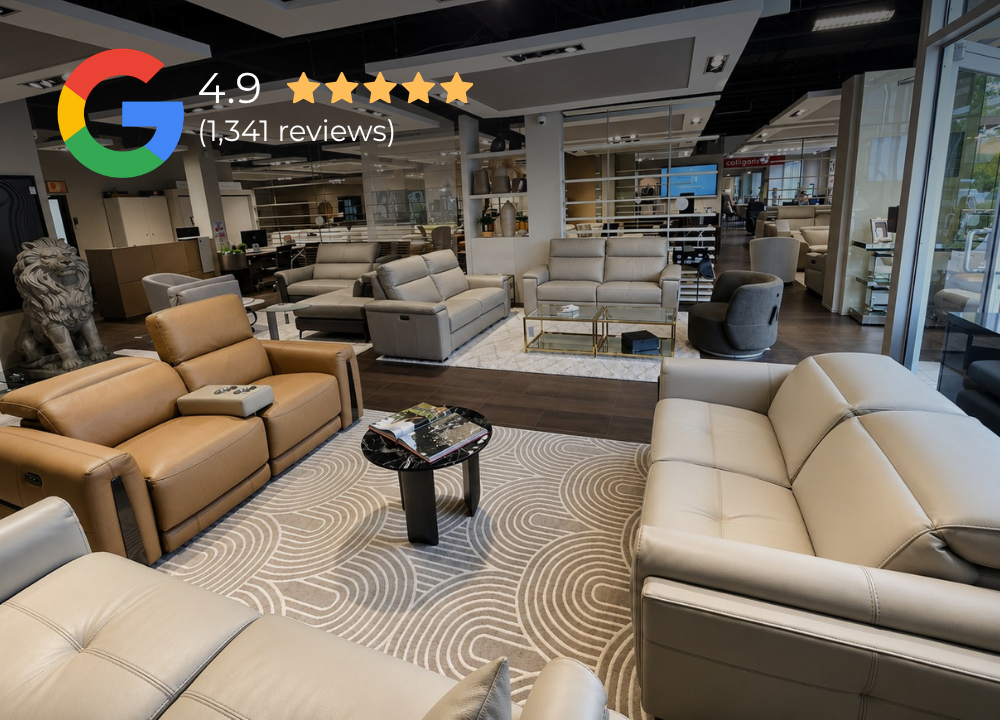
Exterior of EQ3 store in Calgary. Photo: EQ3

Canadian retail design brand EQ3 has appointed Jim Hunt as President, which came into effect January 19.

Hunt brings a deep and longstanding connection to the company, having joined the company’s head office in 2008 during a pivotal period of transformation as the brand transitioned from a franchise model to corporately owned retail. At that time, five franchise locations owned by Hunt were the first to make the transition.

Jim Hunt
Jim Hunt

Hunt subsequently joined EQ3 in Winnipeg as Vice President of Retail Operations, leading the front end of the business and playing a key role in shaping the brand’s retail experience. Hunt later assumed responsibility for Sales and Marketing before moving to Palliser in 2016, where he spent nearly nine years leading sales teams across the U.S. and, later, Canada.

In 2024, he rejoined EQ3 and most recently served as Chief Commercial Officer across both EQ3 and Palliser.

In his new role as President, the company said Hunt will now focus exclusively on the company, with a clear mandate to strengthen profitability, drive long-term growth, and continue building on the brand’s strong design-led foundation.

Peter Tielmann
Peter Tielmann

“Jim’s deep understanding of EQ3, including its people, its customers, and its evolution, makes him
uniquely suited to lead the brand into its next chapter,” said Peter Tielmann, President & CEO of Palliser Holdings Ltd., EQ3’s parent company. “His experience across retail, sales, and brand leadership will be instrumental as EQ3 continues to grow with intention.”

“EQ3 has always been special to me. I’m incredibly proud of what we’ve built together and I’m excited to lead EQ3 into this next era,” added Hunt.

More from Retail Insider:

Outdoor Furniture Retail in Los Angeles: Standing Out in a Crowded Market

Los Angeles is different from most furniture markets considering that people here live outdoors almost as much as inside. Patios, decks, rooftop lounges, those are not just extras, they’re part of daily life. In Los Angeles, outdoor furniture is not something seasonal or occasional, but it is a constant consideration, making the competition in the outdoor furniture market intense. Local boutiques, national chains, online sellers, all chasing the same shoppers. In that environment, an outdoor furniture store Los Angeles shows what works: the right location, a thoughtful mix of products, and staff who really know their stuff.

What Shoppers Actually Want

Buying decisions in LA extend beyond digital images now, as the real world experience is what drives purchase decisions. They want to see it, touch it or sit in it. To see if a chair creaks, whether the cushions sag, how furniture looks under certain lighting. As much as style matters, durability matters just as much and convenience plays a key role as well. Hence, shoppers want to move between online research and in-store experience.

From a retail perspective, Los Angeles outdoor furniture retail teaches that customers respond to guidance as much as product. A salesperson who can explain materials, suggest layouts, or highlight seasonal pieces can make a huge difference. And digital tools help but they’re only helpful if they complement the experience rather than replace it. That balance is what separates a casual browse from a confident purchase.

Displays That Speak

The way furniture is displayed can shape choices more than discounts. Many successful stores arrange products by season: dining sets in spring, lounge furniture in summer, fire pits in the cooler months. Accessories, cushions, umbrellas, lights, they aren’t afterthoughts but they tell the story of the space.

Apart from that, digital touchpoints are subtle but effective. QR codes for stock checks or product info, digital catalogs that mirror the in-store collection. It’s part of a trend that’s become clear in outdoor furniture merchandising trends in Southern California: the best retailers mix tactile and digital, letting shoppers feel and imagine, while providing information quietly in the background. Too much flashy tech can feel pushy. Done right, it supports the human experience rather than replaces it.

Inventory is another challenge. Downtown buyers favor sleek, modern pieces. Suburban shoppers often want softer, more resort-like setups. Staff who understand these nuances—materials, maintenance, layout advice—can transform the visit. A knowledgeable team gives customers confidence, which often leads to larger purchases.

Beyond the Store

Marketing matters, but context matters more. Partnerships with designers, pop-up installations, and small events create touchpoints that feel natural. Online campaigns that show furniture in actual homes resonate far more than staged images. In-store, shoppers appreciate space to explore, sit, and imagine their own outdoor living areas.

This isn’t just about immediate sales. It’s about trust. Shoppers remember whether they felt understood and supported, and that often leads to repeat visits and word-of-mouth referrals.

Key Takeaways

For outdoor furniture retailers in Los Angeles, success is rarely about one single tactic. It’s about combining curation, service, and insight in ways that feel natural. Stores that focus on experience rather than just promotion tend to convert more visitors into buyers.

For businesses exploring strategies for selling outdoor furniture in Los Angeles retail, the lesson is clear: prioritize experience, provide guidance, and let customers feel the space. When done right, even a crowded market can feel navigable. Every display, conversation, and product choice contributes to the overall impression, shaping whether a customer leaves with confidence—or walks out undecided.

Dr. Phone Fix expands to 44 stores after rapid late-2025 growth, reports higher same-store revenue

Photo: Uros Petrovic

Dr. Phone Fix Canada Corporation says it expanded its national retail footprint to 44 locations by the end of 2025, while also posting higher average revenue across its existing stores.

The Edmonton-based consumer electronics repair and resale company said that it grew from 35 to 44 locations over the final 44 days of 2025, a 26 per cent increase in its store count, driven by acquisitions and new store openings.

The company, which trades on the TSX Venture Exchange under the symbol DPF, also reported improved same-store performance in the final quarter of the year, with average annualized revenue per store rising across its original locations.

Late-2025 expansion

Dr. Phone Fix said six of the nine new locations were added through its previously announced acquisition of the assets of Geebo Device Repair Inc. in Atlantic Canada.

The remaining three stores were opened organically, with one new location each in Alberta, Nova Scotia and Ontario.

The company said the expansion reflects its ability to add locations quickly while maintaining operational performance across its retail network.

Piyush Sawhney
Piyush Sawhney

“This update reflects the strength of our operating model,” founder and chief executive officer Piyush Sawhney said in a statement. “We are expanding rapidly while simultaneously improving performance at the store level. That combination is exactly what we believe will drive long-term shareholder value.”

Same-store performance improves

Alongside the store count growth, Dr. Phone Fix reported gains in store-level economics at its existing locations.

From October to December 2025, the average annualized revenue across the company’s original 35 stores increased to about $350,000 per store, up from approximately $320,000 earlier in the period.

The company attributed the increase to stronger execution, improved operational processes and growing brand recognition, saying the results demonstrate its ability to scale while improving productivity and unit economics.

Growth strategy outlined

Dr. Phone Fix said its growth strategy continues to centre on two areas: improving performance at individual stores and expanding its national footprint.

On the operational side, the company said it remains focused on driving revenue growth and margin expansion at each location through cost controls, standardized processes, supplier scale benefits and investments in training and systems.

At the same time, Dr. Phone Fix said it plans to pursue further expansion through a mix of acquisitions and organic store openings in high-traffic markets.

The company said it is targeting the acquisition of independent and regional repair chains, alongside new store development, as part of a broader plan to grow its corporately owned store network.

Building on its recent expansion, Dr. Phone Fix said it is evaluating a pipeline of acquisition opportunities and active site development, with a stated objective of scaling its store count to about 70 locations over the next 12 months.

“We believe the market opportunity remains highly fragmented and under-consolidated,” Sawhney said. “Our proven ability to integrate acquisitions, improve store-level performance, and scale profitably gives us confidence in our path forward.”

Image: Dr. Phone Fix

Demand and market conditions

The company said it continues to benefit from strong consumer demand for device repair services, citing rising device replacement costs, increased reliance on mobile technology and a growing focus on repair and sustainability over replacement.

Dr. Phone Fix did not provide financial guidance or earnings figures in the update, which was described as a corporate and operational overview.

About the company

Founded in 2019, Dr. Phone Fix operates corporately owned retail locations across Canada that provide cell phone and electronics repair services, along with the resale of certified pre-owned devices and accessories.

The company describes itself as eco-friendly and customer-centric and says it works with original equipment manufacturers and certified suppliers to maintain quality standards across its network.

Dr. Phone Fix said it now operates 44 corporately owned locations nationwide following its most recent expansion.

More from Retail Insider:

Canadian Soccer Business names EB Games Canada exclusive video game retail partner

Photo- Canadian Premier League

Canadian Soccer Business has signed a new multi-year partnership with EB Games Canada, adding the video game retailer as an official partner of Canada Soccer and the Canadian Premier League, the organizations have announced.

The agreement makes EB Games Canada the Official and Exclusive Video Game Retailer of Canada Soccer and the Canadian Premier League, positioning the retailer within the national soccer business structure that oversees commercial partnerships and media rights for the sport in Canada.

Partnership scope and positioning

Canadian Soccer Business said the partnership is intended to link the retailer with national and domestic professional soccer properties, with a focus on fan engagement initiatives across the country. The organizations said the arrangement is designed to extend the presence of Canadian soccer beyond matches and into broader cultural settings tied to gaming and entertainment.

Michael Beckerman
Michael Beckerman

“EB Games Canada is a brand deeply rooted in community, creativity, and shared passion, values that also sit at the heart of Canadian soccer,” said Michael Beckerman, Chief Commercial Officer, Canadian Soccer Business.

“This partnership reflects a shared belief in the power of play and participation to bring people together, and it creates meaningful opportunities, from grassroots to the professional and international games, to connect with fans in authentic and lasting ways across the country.”

Canadian Soccer Business described the agreement as part of its broader strategy to connect organizations focused on participation-based entertainment and sport, while strengthening ties between professional leagues, national teams and supporters.

Retailer role and fan engagement

EB Games Canada operates stores across the country and is being positioned in the partnership as a physical point of contact for fans and communities. The organizations said the relationship is intended to create new opportunities to engage existing supporters while attracting new audiences to Canada Soccer and the Canadian Premier League.

Jim Tyo
Jim Tyo

“At EB Games Canada, we believe deeply in the power of play to bring people together, and that same sense of community lives at the heart of Canadian soccer,” said Jim Tyo, President of EB Games Canada.

“Partnering with Canada Soccer and the Canadian Premier League allows us to support the continued growth of the game nationally, while our front-of-kit sponsorship of FC Supra du Québec represents a meaningful investment in the domestic professional game. We’re proud to connect with fans in authentic ways and to help build a strong future for soccer in Canada.

As part of the agreement, EB Games Canada will also become the first front-of-kit sponsor for FC Supra du Québec, the Canadian Premier League’s newest club. The organizations said the sponsorship represents a direct commercial investment in the domestic professional league.

Photo- Canadian Premier League

League and national program implications

The partnership also provides EB Games Canada with opportunities to be involved in Canada Soccer events and experiences. Canadian Soccer Business said the timing aligns with a period it described as significant for the growth and visibility of the game nationally.

The organizations framed the deal as consistent with Canadian Soccer Business’s stated goal of bringing together different parts of the soccer ecosystem, including national teams, professional clubs and commercial partners.

Dominic Martin
Dominic Martin

“We’re excited to welcome EB Games Canada to the Canada Soccer partner family,” said Dominic Martin, Director, Marketing, Canada Soccer. “This partnership will help us connect with fans where their interests live, blending play, community, and sport, while creating new and engaging ways for supporters across the country to connect with Canada Soccer and the game they love.”

Canadian Soccer Business represents corporate partnerships and media rights connected to Canada Soccer’s national team programs, the TELUS Canadian Championship, the Canadian Premier League and League1 Canada. The organizations did not disclose financial terms of the partnership.

More from Retail Insider:

Reebok names KAROL G global brand ambassador as it relaunches Classics line

Source: Reebok
Source: Reebok

Reebok has named Grammy-winning recording artist KAROL G as a global brand ambassador in a multi-year partnership tied to the relaunch of its Reebok Classics line, the company announced.

The agreement places KAROL G at the centre of Reebok’s global marketing and brand storytelling as the footwear and apparel maker rolls out a new campaign, “Born Classic. Worn for Life.” The partnership coincides with Reebok’s plan to reintroduce its Classics portfolio for what it calls a new era, with updated materials and product positioning aimed at today’s consumers.

Strategy behind the partnership

Reebok said the collaboration is designed to elevate its Classics assortment and connect the brand’s heritage products with contemporary cultural influence. As part of the strategy, KAROL G will appear in brand content and global activations, including as the lead figure in the new campaign.

“I’m so excited to join the Reebok family. I’ve been wearing Reeboks for as long as I can remember, so becoming a Global Brand Ambassador feels like a full-circle moment. Reebok Classics have a rich foundation and heritage in style, which is really important to me when it comes to fashion, and I love that I’ll get to be part of the brand’s story and show the world how I take Reebok with me wherever I go,” said KAROL G.

Reebok said the renewed Classics offering will focus on lifestyle sneaker silhouettes produced in 100 per cent real garment leather. The products will be offered in both unisex and women’s-only versions, with an emphasis on premium materials and accessible pricing.

Source: KAROL G Instagram

Product rollout and pricing

The company said the Reebok Classics spring/summer 2026 garment leather collection will go on sale Feb. 18, 2026. The initial lineup includes several core models:

  • Workout Plus (unisex), priced at $140 MSRP
  • Freestyle Lo (women’s), priced at $125 MSRP
  • Club C 85 (unisex and women’s), priced at $130 MSRP
  • Classic Leather (unisex and women’s), priced at $130 MSRP

Reebok said additional releases will follow in multiple colourways and model variations, drawing on both current trends and heritage designs.

Global marketing campaign

The “Born Classic. Worn for Life.” campaign marks the next phase of Reebok’s global marketing strategy for Classics. The campaign film, shot by photographer and director Renell Medrano, revisits what Reebok describes as its most iconic cultural moments and the women who helped define them, including Princess Diana, Jane Fonda and Cybill Shepherd, reinterpreted for a contemporary audience with KAROL G as the central figure.

Reebok said the broader campaign platform will also feature emerging male and female talent from major cities worldwide, highlighting how the brand’s style is expressed across markets including New York, London and Berlin.

“’Born Classic. Worn for Life.’ celebrates the enduring influence of Reebok Classics, connecting the brand’s heritage in footwear excellence with icons from past and present,” said Todd Krinsky, CEO of Reebok. “With Karol at the forefront, we’re redefining how a new generation experiences the legacy of Reebok Classics through individuality, confidence, and style.”

Source: KAROL G Instagram

Broader collaboration plans

Beyond marketing, Reebok said the partnership will expand into product development. In upcoming seasons, the company and KAROL G plan to release an exclusive co-designed collection, extending the Classics range with footwear and apparel influenced by the artist’s personal style and creative direction.

The announcement comes during what Reebok described as a milestone period in KAROL G’s career. The company cited recent high-profile performances and global projects as evidence of her international reach, as well as future plans that include headlining major music events in 2026.

Reebok said the collaboration aligns with its broader effort to position Classics as a central pillar of the brand’s global business, combining heritage products with contemporary cultural relevance through long-term partnerships.

More from Retail Insider:

CFIB Business Barometer: Small business confidence remains steady in January

Photo: Vitaly Gariev

Small business long-term confidence started the year just shy of its historical average, sitting at 59.5 in January, finds the latest Monthly Business Barometer by the Canadian Federation of Independent Business (CFIB).

CFIB is Canada’s largest association of small and medium-sized businesses with 100,000 members across every industry and region. Measured on a scale between 0 and 100, an index above 50 means owners expecting their business’s performance to be stronger over the next three or 12 months outnumber those expecting weaker performance.

Simon Gaudreault
Simon Gaudreault

“We live in uncertain times, but small businesses are resilient and adapting to the new reality. When we asked them to describe their 2026 expectations in one word, the most common responses were ‘growth’ and ‘sales.’ Others included ‘challenging’, ‘same’ and ‘steady’,” said Simon Gaudreault, CFIB chief economist and vice-president of research. “Canada’s economic situation is far from rosy and many challenges persist, but small firms are entering the new year cautiously optimistic.”

Confidence levels across provinces were mixed. Almost all sectors increased their long-term optimism, and some are getting closer or at their historical average. Average wage and price plans remained steady in January, at 2.1% and 2.6%, respectively, said the CFIB. 

More businesses reported struggling with tax and regulatory costs (70%), followed by insurance (69%) and wage costs (62%). A record share of small firms (40%) said capital equipment and technology costs were causing cost constraints, it said.

Andreea Bourgeois
Andreea Bourgeois

Weak demand continues to be the top growth limitation for over half (54%) of small firms. This indicator has been at or near record levels for roughly two years now. Hiring plans turned net positive for the first time since August 2025, with 15% of small firms looking to hire and 10% planning to lay off staff in the next few months, added the national organization.

“Heading into 2026, small businesses are hopeful, but it’s clear they need a stable environment to turn that optimism into growth. Creating favourable conditions for business investment will be key to boosting Canada’s productivity and stimulating entrepreneurship,” said Andreea Bourgeois, CFIB director of economics.


Here is what CFIB members are saying:

  • “At this time, we anticipate no major increases or decreases in our business—remaining relatively steady. Rising costs – especially for equipment – have also been a challenge. Earlier this year, we were forced to purchase a new printer sooner than planned to avoid an additional $7,000 due to tariffs.” – Retail business owner, Alberta.
  •  “2025 was a downturn for us but 2026 is looking like we will get back on track with a good amount of work already pre-sold.” – Construction business owner, Ontario.
  • “As a small business the government overreach for taxes are horrendous. The added tariffs in our own country are impeding growth.” – Retail business owner, New Brunswick.
  • “Overall, we have a positive forecast across the board. The one unknown factor of concern is the rollout of AI and how that will affect our clients’ needs and our operational processes.” – Professional services business, Quebec.

More from Retail Insider: