Advertisement
Home Blog Page 1097

Upscale Tattoo Parlour ‘Black Line Studio’ Launches Expansion with Unique Shopping Centre Location

Image: Black Line Studio

High-end tattoo parlour and jewellery retailer Black Line Studio has opened its second location in Toronto’s CF Shops at Don Mills, as it strives to make its products and services more easily accessible to customers on the outskirts of the city.

The company, which opened its first location on King Street West in 2005, unveiled the new boutique in early February. In addition to providing custom design tattoos, the new Black Line Studio location offers services such as piercings, tattoo removal, vitamin drips and carbon facial peels, and sells a range of artwork and jewellery products.

“The concept behind Black Line was to incorporate all of the essentials of the art world under the same roof,” says Ion Nicolae, owner of the company. “We are part art gallery, part high end tattoo studio, as well as an exclusive jewellery store.”

Image: Black Line Studio

Nicolae came up with the idea for Black Line Studio upon noticing a lack of tattoo parlours catering to customers who were seeking a high-end experience.

“I realized that there was a niche in the market that was not filled,” he says, “which was for anyone who really wants to get a tattoo done, but they want to get it done in a very upscale, clean, open-space environment.”

After the King Street location opened, it quickly became a popular destination for tattoos – even attracting celebrity clients such as Justin Bieber, Johnny Depp and George Stroumboulopoulos.

Black Line Studio King Street (Image: Black Line Studio)

The company sets itself apart from the competition by providing a premiere customer service experience. For example, Black Line Studio provides clients with detailed information on how to properly care for their skin before and after getting a tattoo, and contacts clients in the days after they’ve had a procedure to see how they’re doing.

Black Line Studio’s average customer is between the ages of 25 and 40, however Nicolae says the boutiques also attract older clientele. Since the company provides a higher level of products and services compared to most other tattoo parlours, it charges higher rates, and therefore does not attract a lot of customers younger than 25.

“We’re definitely not the cheapest in town. Everything that we use, and the entire experience that we provide, it requires us to have a certain price point to deliver that,” Nicolae says. “Our target market is someone who appreciates everything that we offer.”

Image: Black Line Studio

Black Line Studio decided to open its second store at CF Shops at Don Mills since the high-end shopping centre appeals to its target audience. In addition, Nicolae says many customers visiting the King Street store were travelling from north of the city, and as a result, traffic and parking presented challenges. The new location presents a more accessible alternative.

“Don Mills is a good stopover for anyone coming from north of the city,” Nicolae says. “It’s an upscale mall, it has a very cool vibe.”

The new store is 1,800 square feet in size, and was designed with the help of designer Jane Son, principal at Toronto-based &SON Studio. The space was designed to be modern and open-concept, with jewellery presented in unique display cases.

“As we looked for the merchandise mix of the future shopping centre, we knew a new generation of health fitness beauty and services would have to be sourced and incubated. I worked with Ion and the Black Line Design team for almost a year to bring this concept to CF Shops at Don Mills,” said Nick Iozzo, Director of Leasing at Cadillac Fairview/CF Shops at Don Mills. 

Nicolae carefully selects the lines of jewellery that are carried in the store, with a focus on lines that are unique and not widely available at other retailers. The items available in the store are original and high quality.

Image: Black Line Studio

“You feel that you’re buying a piece of art,” Nicolae says.

One example includes Pyrrha – a jewellery line that is designed in Vancouver. It specializes in silver talismans featuring various different symbols, each with a different meaning. 

Other collections include Italian jewellery line Monserat De Lucca, and high-end body jewellery from New York-based designer Maria Tash.

The location also features artwork on display by local artist Joey Dammit, who specializes in mixed media pop art.

CF Shops at Don Mills’ owner, Cadillac Fairview, has expressed interest in opening Black Line Studio locations at its other properties, Nicolae says – depending on how well the new location is received.

Once the company has established a strong base in the Toronto region, Nicolae is also interested in eventually exploring the possibility of expanding to other cities, such as Montreal, New York and L.A.

“We want to make sure that Toronto has a good infrastructure, and once that has been proven, then we can look at other cities with the same sort of concept,” he says.

eBay Canada Offering Millions of Items at New “Under $10” Destination

Image: eBay Canada

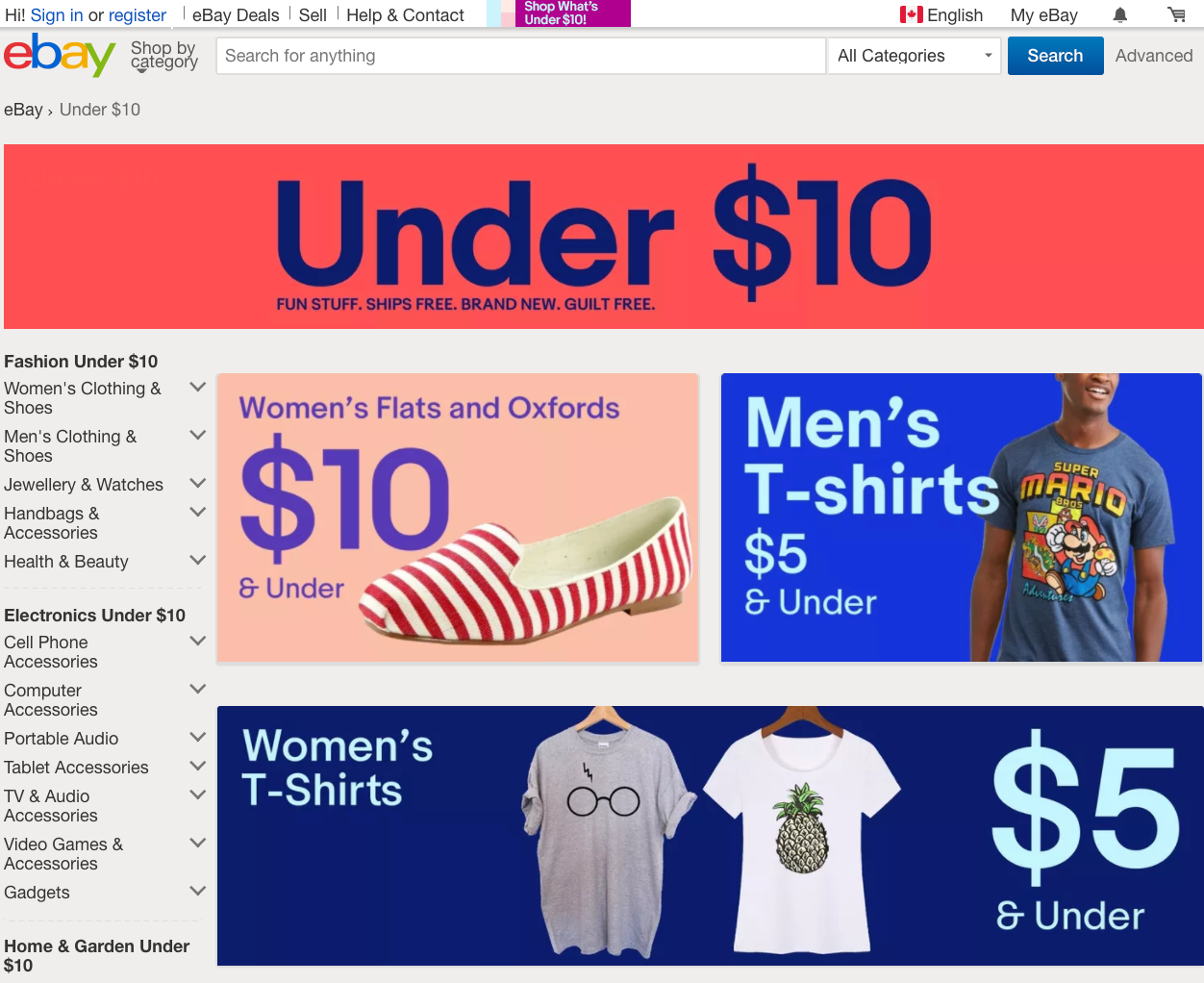
Guilt-free shopping just got so much easier thanks to a brand new eBay destination called “Under $10”. Not only are there millions of items but shipping is free and there is no bidding required. The streamlined process takes the guess-work out of calculating shipping fees and removes the ‘when is my auction-ending?’ anxiety.  

From $5 sunglasses to $8 iPhone cases, the “Under $10” destination offers shoppers millions of all-new items that will not break the bank, all in a single destination. Beyond category, shoppers can browse trending items by price – such as “Tech under $3” and “Beauty under $10” – across men’s and women’s apparel, fitness, kitchen gadgets, home décor, entertainment, and more.

“With ‘Under $10’, we’re making it fun and simple for shoppers to discover amazing new items at incredible prices on eBay.ca,” said Andrea Stairs, General Manager of eBay Canada & Latin America. “This launch is part of eBay’s focus on creating a tailored experience for shoppers, helping them browse eBay’s marketplace of items from across the country and around the world to find exactly what’s right for them.”

Image: eBay Canada

For over 20 years, eBay has been at the forefront of developing Connected Commerce for the world where everything and anything is available for a price.  So much so that every month eBay connects 8-million Canadians with buyers/sellers from around the world. eBay is the world’s largest and most vibrant marketplace for discovering great value, unique selection and with the addition of the “Under $10” section that makes it so convenient to bargain shop from home. 

Israel-Based Bath and Body Retailer to Enter Canada with First Store

Laline
Image: Laline

International Bath/Body/Lifestyle retailer Laline will enter the Canadian market in June of this year with its first location at CF Sherway Gardens in Toronto. It will be the first of potentially dozens of locations in Canada, according to the company. 

Laline was founded in 1999 by Revital Levi and Merav Cohen in Tel Aviv, and now boasts more than 100 stores in Israel, as well as international locations. Branded products include items for the body, bath products, skin peeling, perfumes, makeup, nail polish, body and facial products, aromatic ambiance products for the home as well as various lifestyle products and accessories. 

According to the company, Laline offers several ‘series’ of leading products based on its favourite and “most exciting” fragrances. Each series offers a variety of products ranging from bath products to perfumes. Targets include women, men, babies and teens — there’s also a range of gift packages. Laline says that its Canadian stores will have some collections tailored to the local market. 

In a statement, Laline said: “Our new stores in Canada will be in Laline’s unique design concept that offers a complete pampering experience. From our white and dreamy store design to our unique products with a variety of fragrances, textures and ingredients, the Canadian consumers are in for a new and exciting experience”. 

Image: Laline

Canada’s first Laline store will open this spring at Toronto’s CF Sherway Gardens in June of this year. The 750 square foot boutique will be located in the mall’s new ’Nordstrom Wing’ which houses several smaller retailers such as Loding and L’Intervalle shoes, as well as larger locations for Zara and Nordstrom

In a written Statement, Laline said: “As the Canadian market is one of our main strategic markets we expect to open dozens of branches in the next few years,” and when asked about its growth plans, Laline confirmed that its “main focus for 2018-2019 is the Ontario region”. 

According to Laline’s website, the company has 21 locations internationally, all of which are in Japan and the United States. Just five of those are in the United States, being in San Francisco and Honolulu. 

Japanese Retailers Uniqlo and Muji Continue Canadian Expansion with Store Openings

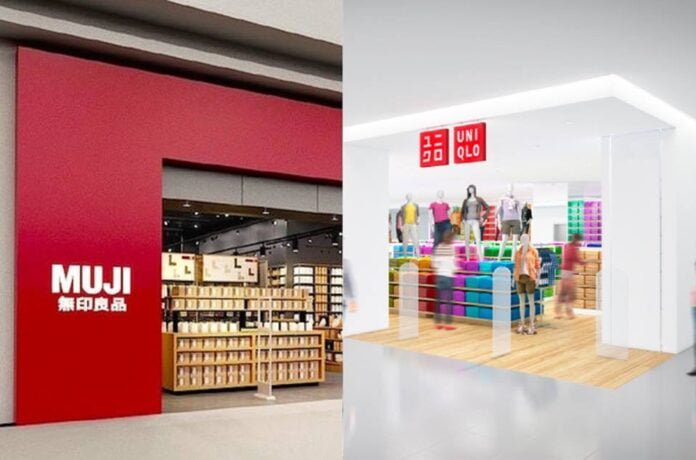
Japanese retailers continue to open stores in Canada. Over the weekend, Uniqlo and Muji each opened stores — Uniqlo opened its second location in suburban Vancouver, while Muji opened its fifth store in the Greater Toronto Area. Both companies have ambitious plans to continue opening stores in Canada. 

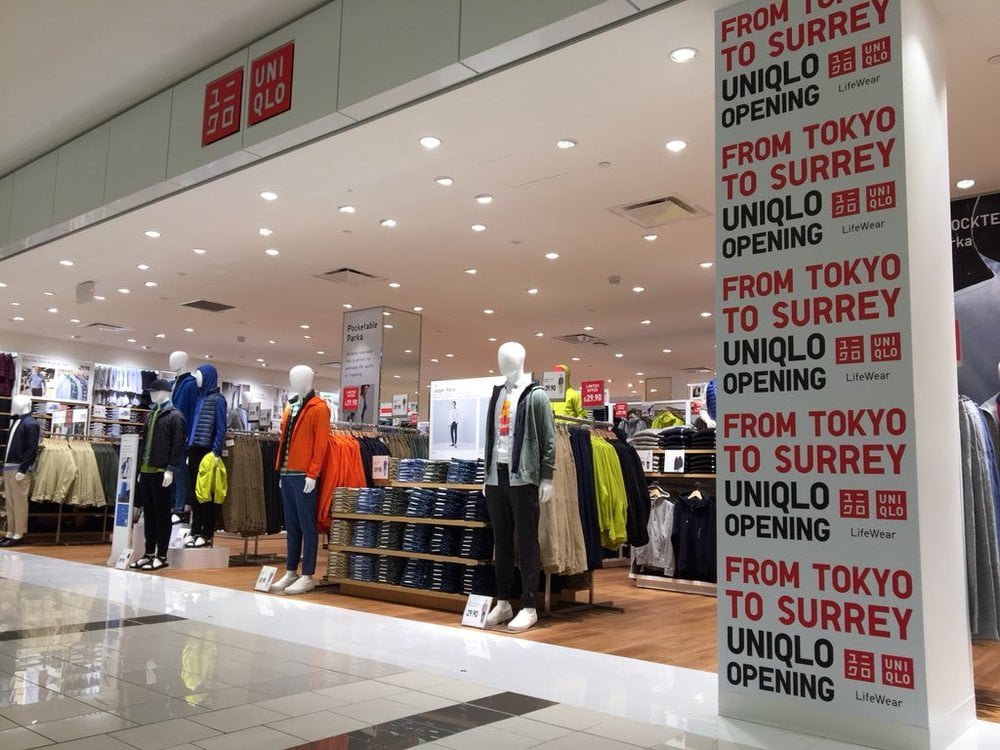
Uniqlo opened its second Vancouver-area store in a 12,800 square foot space between The Gap and Old Navy at Guildford Town Centre in Surrey on Friday. There were lineups to get into the store despite the fact that Uniqlo also opened a 20,630 square foot store at Metropolis at Metrotown in nearby Burnaby in October of 2017. Uniqlo also recently announced that it would open an 8,010 square foot store at CF Richmond Centre this spring, making it a third for the Vancouver area. 

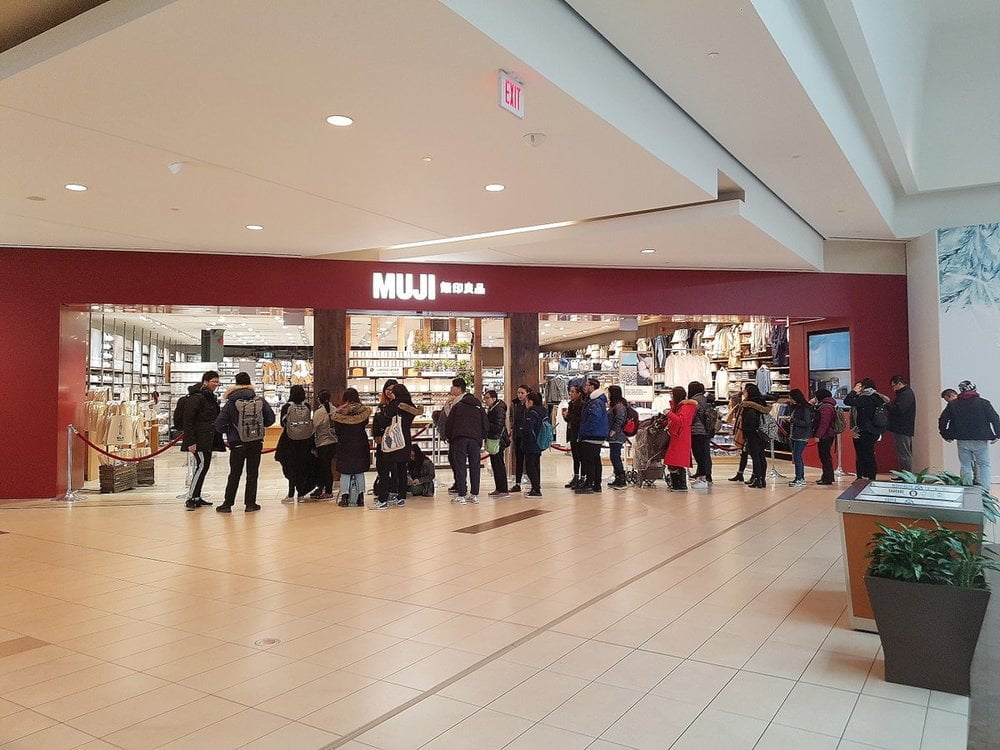
Muji opened a 6,860 square foot store on Saturday at Scarborough Town Centre in Toronto, making it the largest in the city, at least for now. The store is located on the mall’s second-level next to Lululemon. Muji’s downtown Toronto location, which recently temporarily relocated, will see an expansion that some are saying could make it similar in size to the company’s impressive Vancouver Robson Street flagship that opened in December

(UNIQLO STORE AT SURREY’S GUILDFORD TOWN CENTRE. PHOTO: UNIQLO VIA TWITTER)
(LINEUP AT THE OPENING OF MUJI AT SCARBOROUGH TOWN CENTRE. PHOTO: MUJI VIA TWITTER)

Both Japanese retailers are expanding aggressively across Canada, with plans for many more stores. In September of 2016, Uniqlo Founder and CEO Tadashi Yanai told Marina Strauss of the Globe & Mail that Uniqlo could eventually operate as many as 100 stores in Canada.

The company currently operates two stores in Toronto — a 33,400 square foot flagship at CF Toronto Eaton Centre opened in September of 2016 and a month later, a 30,000+ square foot unit opened at at the upscale Yorkdale Shopping Centre. A Uniqlo location on the west side of the GTA is expected to be announced shortly, and other locations are in discussion. 

In an interview last year, MUJI’s Canadian President, Toru Akita, said that he expected MUJI to operate between 15 and 20 stores in Canada by the year 2020. The retailer will have eight stores in Canada by the spring, and the company is expected to soon branch out beyond the Toronto and Vancouver markets with new store locations — “Muji has a game plan and knows where it wants to be in Canada,” said a source at the company. Montreal is said to be a target and the company could see more flagships. 

Japanese retailers continue to enter Canada — we’ll soon discuss a well-known variety retailer that will be opening more stores this spring. Last week, popular Japanese footwear brand ASICS opened its Canadian flagship on Queen Street West in Toronto, and more locations are expected to follow. One of the more aggressive retail expansions in the country is in the works at the moment for variety retailer Miniso, which plans to eventually operate about 500 stores in Canada — though in reality the retailer is Chinese and it positions itself as being a Japanese brand because of its styling and co-founder. 

International brands continue to look to Canada and more retailers will be entering the market this year, including another Japanese footwear brand that we’ll discuss at a later date. Some homegrown retailers are seeing reduced sales as competition increases, and those that fail to innovate could meet their demise. Although some are saying that times are tough when it comes to leasing space to retailers in this country, it’s clear that some brands have plans to continue opening stores. 

Editor’s note: Jeff Berkowitz of Aurora Realty Consultants represents UNIQLO as broker in Canada. Arlin Markowitz of CBRE in Toronto is overseeing MUJI’s Canadian expansion with team members in Toronto and Vancouver. 

ASICS Opens 1st Canadian Flagship

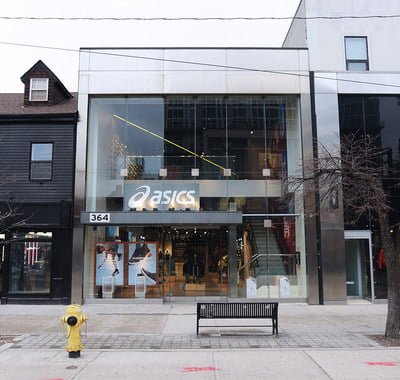
An exterior view of the ASICS Queen Street West Flagship Store in Toronto. (CNW Group/ASICS Canada)

Japanese athletic fashion and footwear brand ASICS has opened its Canadian flagship on Toronto’s popular Queen Street West. This follows the opening of a large Manhattan location in December of 2017, as ASICS rolls out flagships globally. 

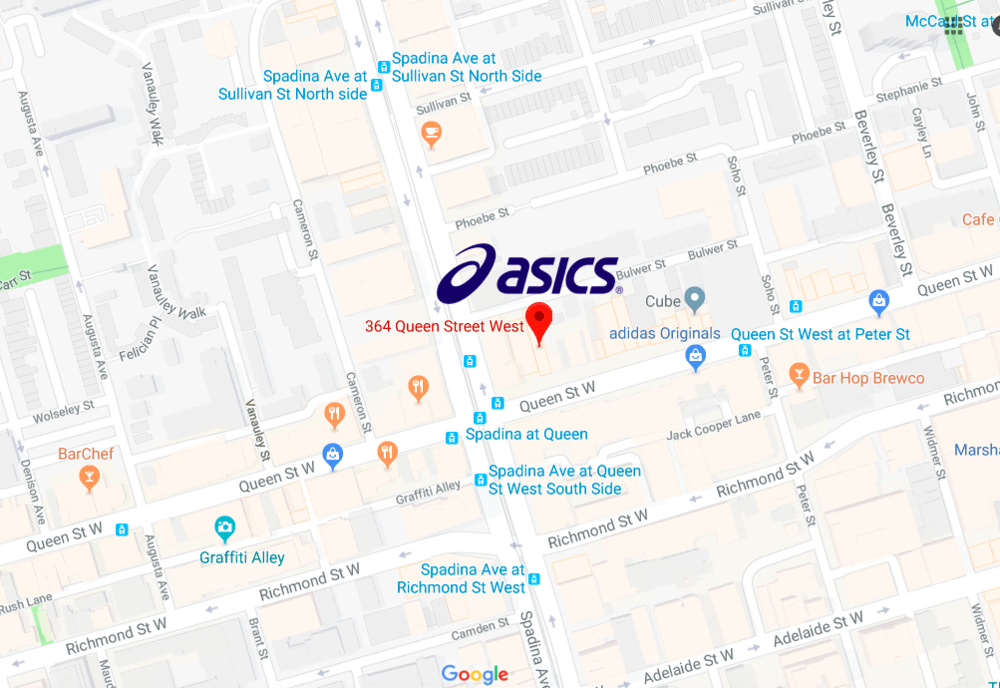
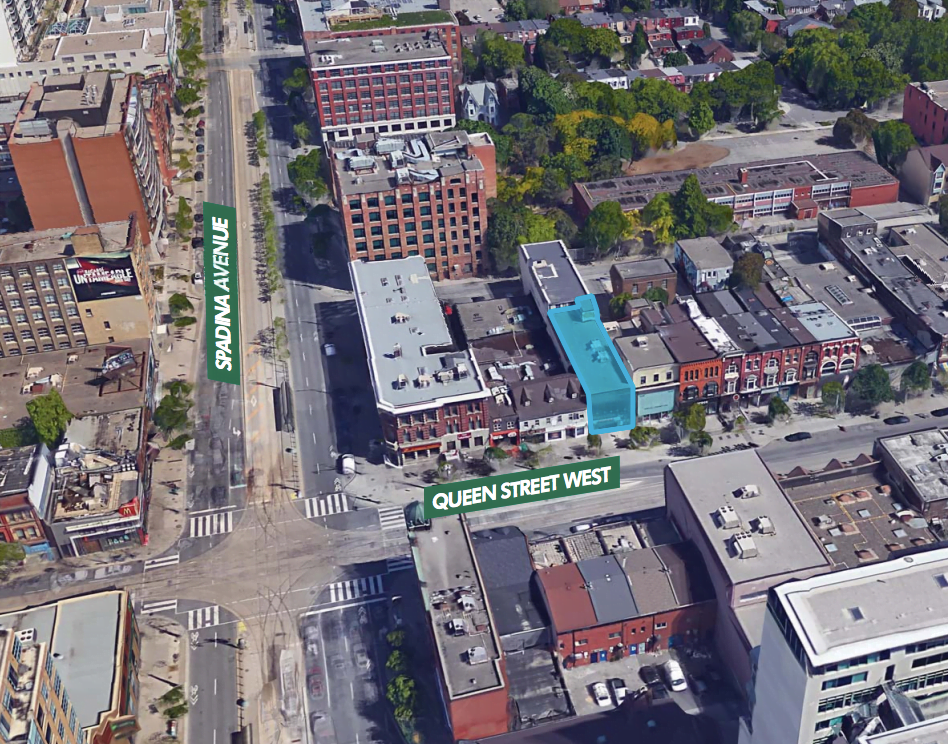
The Toronto store is located at 364 Queen Street West between locations for MAC Cosmetics and nobis, in a retail space most recently occupied by fashion retailer GUESS, which has been closing some of its Canadian stores. The store spans 4,400 square feet over two levels, according to ASICS.

ASICS joins a clustering of athletic-focused brands along Toronto’s Queen Street West retail strip. Nearby retailers include the likes of Adidas, RYU Apparel, Icebreaker Merino Wool, Lululemon and Reigning Champ, with MEC opening a large location on the street later this year. 

(IMAGE: CBRE)

The company was founded by Kihachiro Onitsuka in 1949 in Kobe. ASICS rose to international prominence over the decades for its unique and innovative designs. A vintage range of ASICS shoes are produced and sold under the Onitsuka Tiger label. 

ASICS unveiled its U.S. flagship in December of 2017 at 579 Fifth Avenue (just south of the Rockefeller Center and Saks Fifth Avenue), in a large two-level retail space that houses two brands in the ASICS family – ASICS and ASICSTIGER. The store was described in a press release as being “designed to represent its storied heritage and its mantra and trademark, SOUND MIND, SOUND BODY as well as unveil a new platform for the brand to reach a wider variety of consumers”. The Toronto flagship also features ASICSTIGER.

“Our first Canadian flagship store represents a larger brand shift. After launching our I MOVE METM brand campaign last fall, growing our Canadian presence was inevitable, “says Richard Sullivan, President of ASICS Canada. “The flagship store represents the new direction of the brand, offering consumers a brand experience aimed at celebrating movement, while offering them the best of our products across both performance and lifestyle, better catering to their needs.”

RKF acted as broker on behalf of ASICS, and CBRE listed the Queen Street premises. 

The Detox Market expands its Retail Footprint

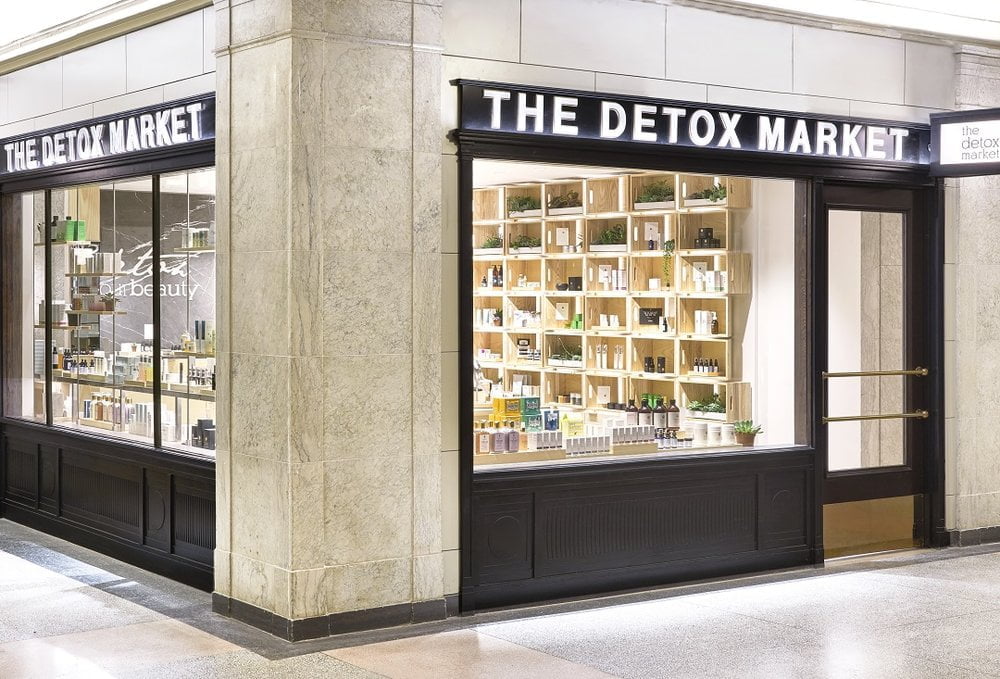
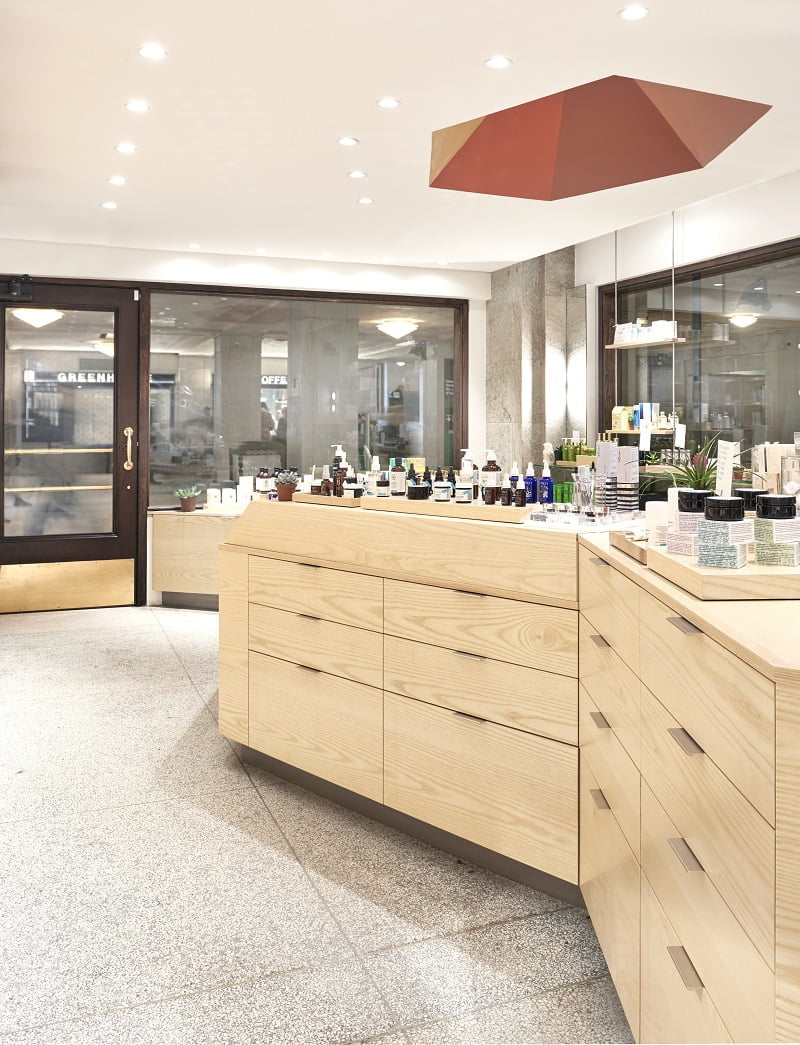
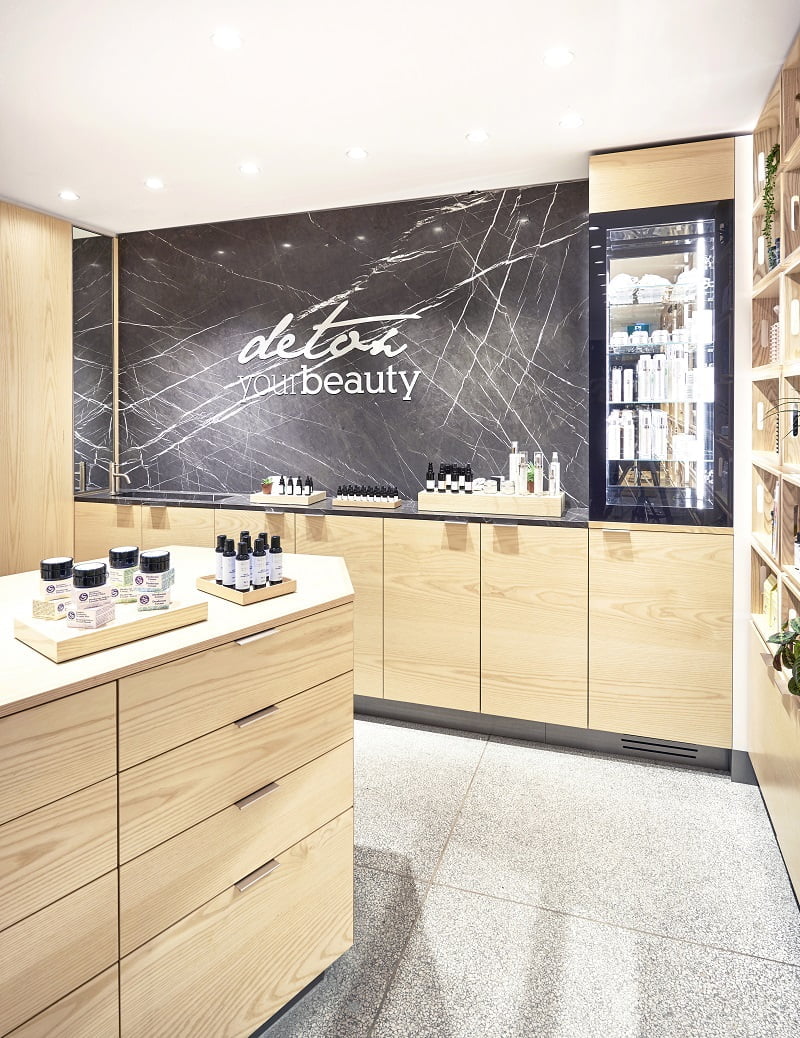
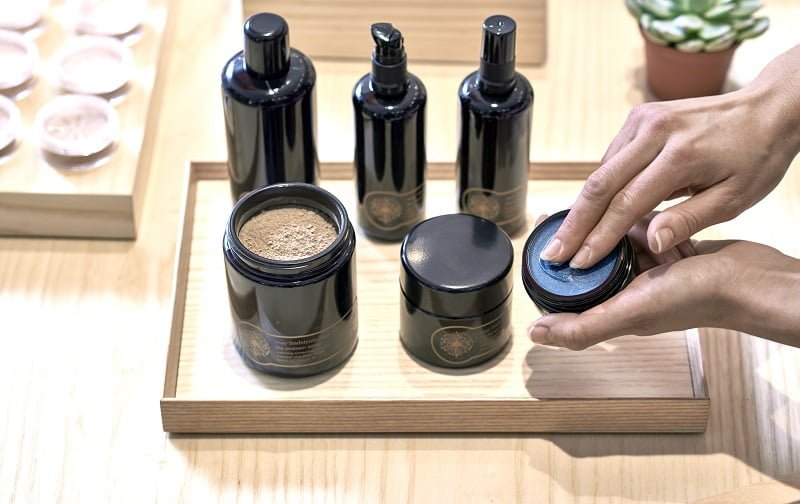
The Detox Market at Union Station

Natural beauty retailer The Detox Market has opened its third Canadian location inside Canada’s busiest transportation hub – Toronto’s Union Station.

Founded in 2010 in California, The Detox Market specializes in beauty, wellness, health and home products that are eco-friendly, non-toxic and cruelty-free.

After establishing a presence in California, the retailer expanded into the Canadian market in 2012, with the opening of a flagship store on King Street West. A Yorkville location followed in 2015, and in early February, the company unveiled its newest store, located in Union Station’s Front Street Promenade.

Although the new store is only approximately 300 square feet in size, the busy location provides valuable exposure for the rapidly growing retailer.

“For us, it’s about sharing our message and making these incredible products available,” says Laura Townsend, marketing director at The Detox Market. “Union Station has a quarter million people passing through each day, so we saw this as an opportunity to share this green beauty world with mass amounts of people.  Hopefully we can entice some of them to drop in and get the conversation going.”

In addition to catering to commuters and downtown dwellers, the new location also lets the company gain exposure among travellers passing through the busy transportation hub. Since The Detox Market does not yet have stores in any other Canadian cities, Townsend says the company’s stores are destinations for many visitors to Toronto, who are interested in trying out natural beauty brands.

“The stores are very much destination stores,” she says.

The company’s core target market includes women between the ages of 25 and 35, who are health-conscious and wellness-minded, according to Townsend. However, she says the products have appeal among a wide range of consumers. In fact, natural products represent the fastest growing segment of the beauty industry worldwide.

Vanessa McDonald

“We’re finding that we get different customers from all walks of life – all age ranges,” Townsend says.

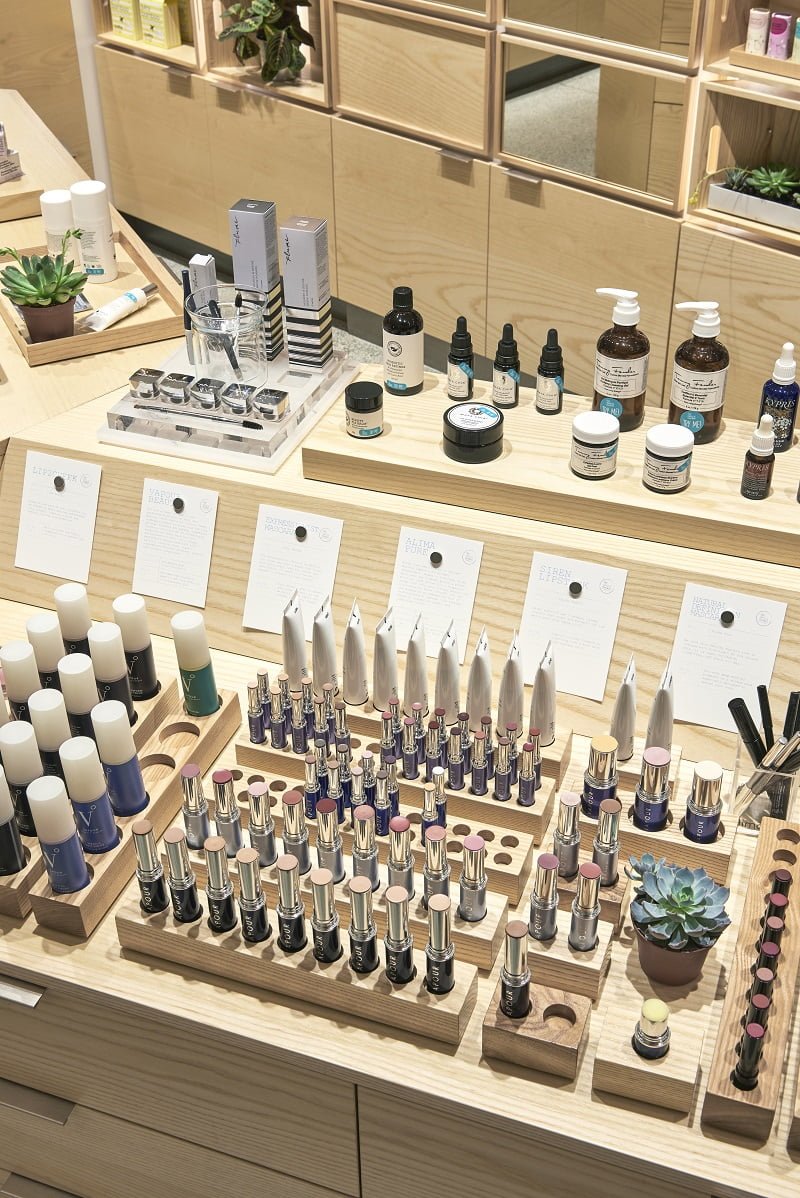
In selecting brands to carry within its stores, The Detox Market applies a strict set of standards. Each product must have pure ingredients, must be effective, must be a pleasure to use, and must have beautiful packaging.  The company has a hefty list of ingredients that won’t be found in any of the products it sells, including lead, parabens, propanol and synthetic fragrances, among others.
The company strives to create educational experiences within its stores, enabling customers to learn about the products it offers and the benefits of embracing a natural beauty regime.

The opening of the new store comes as Union Station undergoes a massive revitalization project. As part of that initiative, the transit hub’s retail offerings are being overhauled and enhanced.

“As part of the revitalization project, the team at Union are building a culinary, cultural and retail destination that represents the best of our city,” says Vanessa McDonald, VP of brand strategy and partnerships at Union Station.

Located in the Front Street Promenade near The Detox Market are stores including artisanal chocolate shop CXBO, clothing brand The Peace Collective, specialty coffee shop Pilot Coffee, and Naked Beauty Bar.

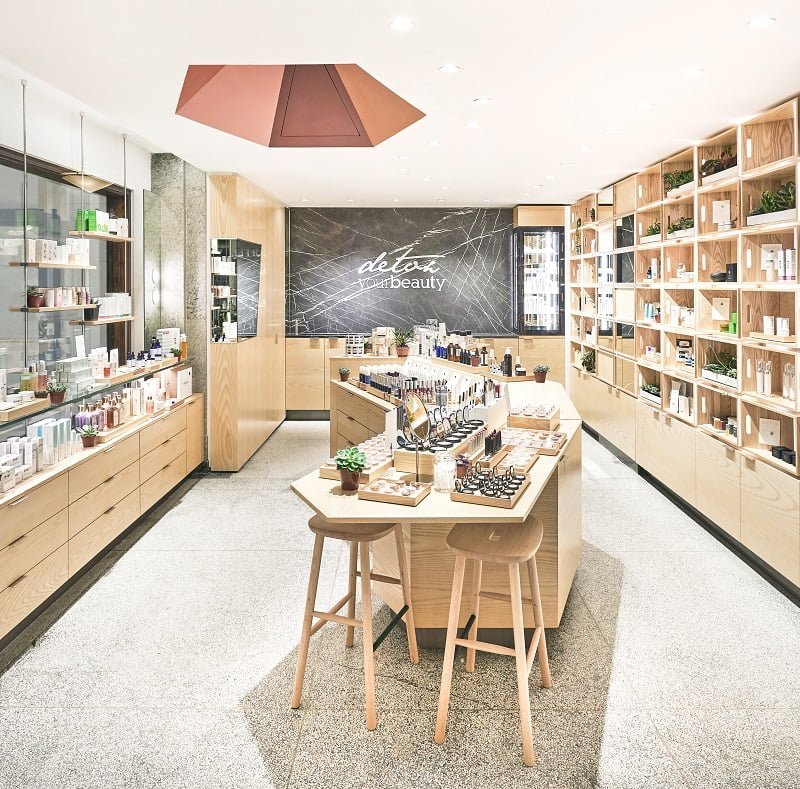
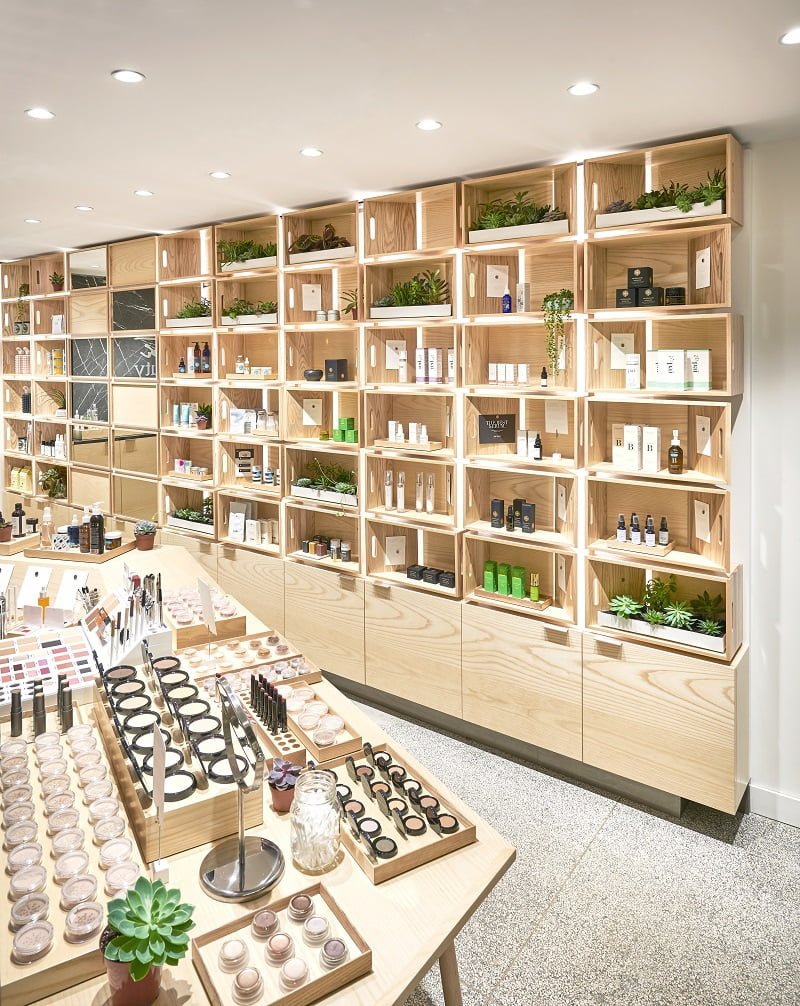
The Detox Market’s new boutique boasts a look and feel that’s different from the other stores, since the retailer’s founder, Romain Gaillard, strives to make each store unique. The company worked with Suulin Architects to design the space, which aims to reflect The Detox Market’s natural-focused philosophy. Design elements include naturally finished ash wood from Quebec, and a feature wall interspersed with greenery.

The retailer’s other Toronto locations range in size from 1,200-1,400 square feet.

The Detox Market also offers online sales, which represents a growing proportion of its overall sales, according to Townsend.

With three locations in Toronto now, The Detox Market hopes to eventually expand to other major Canadian cities, such as Calgary, Vancouver and Montreal. In the meantime, the company is pursuing further expansion in the U.S. market, with plans to open another store in L.A. and a store in Manhattan.

Judith & Charles Embraces Street-Front Retail with 2 Spring 2018 Openings

JUDITH & CHARLES MONTREAL FLAGSHIP UNDER CONSTRUCTION. PHOTO: MAXIME FRECHETTE

Montreal-based women’s fashion brand Judith & Charles is embracing street-front retail as it plans to open two Canadian stores this spring — one in Vancouver, and one in Montreal. It’s a change in strategy for the retailer, which until 2014 only operated stores in major shopping centres.

The Montreal store will become the company’s flagship and furthermore, will be the first time that the company has had a standalone presence in the city where it was founded. Opening on April 1 of this year, the new store will be located at 2090 ue de la Montagne will span 2,309  square feet. The store will be contained in a restored heritage building in the heart of the city’s ‘Golden Square Mile’.

Judith & Charles is opening the Montreal flagship as it prepares to exit Ogilvy, where it has operated a concession for the past 25 years. Ogilvy is merging with nearby Holt Renfrew to create an expanded ‘Holt Renfrew Ogilvy’ that will be about 250,000 square feet. Part of the repositioning has resulted in many of Ogilvy’s former vendors having to relocate.

Judith & Charles Future Granville Location in Vancouver (Image: Twitter)

The Vancouver store, located at 640 Granville Street, will replace a location about half its size within CF Pacific Centre. The new Granville street store will be 2,293 square feet on one level. The downtown Vancouver replacement store is scheduled to open on May 1 of this year and replaces Ella Shoes that most recently occupied the space.

Street-front retail is a new focus for Judith & Charles, which until 2014 operated stores exclusively within malls (and at Ogilvy). In the spring of 2014, Judith & Charles opened a store at 2207 West 4th Avenue in Vancouver’s Kitsilano area and it got press for moving away from the company’s mall-based retail strategy.

Judith & Charles currently operates 11 Canadian store locations. Of those, three are in Vancouver, four are in Toronto, two are in Montreal, and Ottawa and Calgary each have one store location. Stores are mixed in downtown cores and in suburban malls.

Founded in 1975 in Paris, the Judith & Charles brand was originally named Teenflo. In 1990, Judith Richardson and Charles Le Pierrès bought the brand, moving its headquarters to Montreal. In 2008, Teenflo was renamed ‘Judith & Charles’. Priced as a ‘contemporary’ brand, it is best known for its Italian yarns, exceptional fit and minimalistic styling, and locally-based craftsmanship.

4 Ways Canadian Retailers Can Create Loyalty and Drive Revenue

exc-5a9eea63e2c483767c8aea70

By Greg Zakowicz, Senior Commerce Marketing Analyst at Oracle + Bronto

Amazon may be increasing its Canadian presence, but Canadian ecommerce is still losing more than half its business to retailers outside the country. Smartphones have increased connections between consumers and brands and their access to products is nearly constant – and unrestricted. It’s no surprise that with increased exposure, consumer expectations have evolved. Consumers now expect more from the brands they engage with. Not only do they count on the same features as before, like quality, consistency and reliability, they now also expect relevance, affordable and speedy shipping – as well as excellent customer service. That’s a lot to expect from retailers – they certainly have their work cut out for them.

Canadian retailers now face two challenges: How do they keep ecommerce dollars domestic, and how do they foster loyalty among consumers? One strong solution: Email engagement and relevance. Consumers expect marketing emails to be relevant, but according to a recent report by Fluent, only 15% of them find them to be consistently useful. And because brands often have limited internal resources to execute a sophisticated segmentation strategy, they then turn to batch-and-blast methods, sending the same message to everyone. This email strategy makes it impossible to consistently deliver relevant content to consumers, and it does little to create engagement and cultivate loyalty.

Fortunately, all is not lost. Here are a few tried and true tips that can help connect your brand with consumers – even if you have limited internal resources available.

Product recommendations: Intuitive product recommendations provide relevance to your emails, even if you batch-and-blast. These recommendations will be specific to the subscriber, consider purchase and browse activity, email message content and any specific business rules you’ve set up. The more specific to the individual subscriber you can be, the more personalized the product recommendations will feel to your customer.

Browse recovery: Subscribers who browse your site but fail to place a product in their cart are no longer lost revenue opportunities. Browse recovery messages are targeted, automated messages sent to subscribers who do exactly that – and direct them back to where they were shopping. This tactic is lesser-known but quickly growing in popularity with retailers. Implementing browse-recovery creates emails that are relevant to your subscriber – creating a sense of personalization – and drives revenue for retailers. Now, more than 60% of consumers expect browse behavior to be used to make emails more relevant – and more personal.

Imagine shopping for a new desk. You visit three websites, view some related products, but abandon your session. The next day you receive an email from all three companies. Two are batch-and-blast, full of random assorted office products, while the other showcases the desks that you spent the most time on – the very type of desk you’re looking for. Which message would you click on? Where would you shop?

This is the power of browse recovery.

If you’re going to send your subscriber an email regardless, why not make it one that is relevant and based on their actual interests versus one that is a standard batch-and-blast?

Post-purchase (and other lifecycle messages): You need to send automated messages based on user action, such as a welcome series for new subscribers, in order to capture primary engagement moments. Post-purchase messaging is a great example of how lifecycle messages can help build loyalty. Nurturing your customers, and their purchases, at this critical time provides a level of personalization that only strengthens the retailer-customer bond. This step is essential in improving your customer’s opinion of your brand and making them want to do business with you, again and again. Messages that thank the customer, offer product care or how-to tips and tricks and other helpful messages can be the difference between a one-time purchase and a lifelong customer.

Buy-online-pickup-instore (BOPIS): If you have brick-and-mortar stores, utilizing BOPIS can be an important differentiator. Consumers today want immediacy after making a purchase – they just don’t want to pay for it. This is why Amazon offers two-day – and two-hour – delivery. But this is exactly where stores can compete and take the fight to Amazon. BOPIS allows customers to have the convenience of online purchasing, while also benefiting from the immediacy of receiving the product. An important factor to consider? Sixty-five percent of consumers purchase additional items when picking up orders in-store.  

Competition is fierce, global and – for consumers – almost instantly accessible. As consumers continue to rely on their smartphones to search for and purchase products, creating – and keeping – loyalty is more important than ever. Being relevant and engaging with your audience is what will ultimately separate your brand from competitors. Only 15% of consumers find marketing emails consistently relevant. What would your subscribers say about yours?

Greg Zakowicz – As a former consultant with more than 10 years of experience in email, mobile and social media marketing, Greg Zakowicz has first-hand knowledge about the challenges facing the retail industry. Now, as Senior Commerce Marketing Analyst at Oracle + Bronto, he provides thoughtful insight to the Internet Retailer Top 1000, and is a frequent speaker at ecommerce events. Follow him at his website or Twitter @WhatsGregDoing.

Oracle + Bronto arms high-growth retailers with sophisticated marketing automation to maximize revenue opportunities. The Bronto Marketing Platform powers personalized multichannel content that generates the higher engagement needed for retail success. Keenly focused on the commerce marketer, Bronto continues its long-standing tradition as a leading email marketing provider to the global Internet Retailer Top 1000 and boasts a client roster of leading brands, including Rebecca Minkoff, Timex, Lucky Brand, Theory, Brooks, Ashley Homestore and Christopher & Banks. For more information visit bronto.com.

Partner content. To work with Retail Insider, contact Craig Patterson at: craig@retail-insider.com.

Why Canadian Landlords are Innovating by Adding Broader Food & Beverage Options

YVR INTERNATIONAL AIRPORT. PHOTO: SSP CANADA

One of the things that became clear in recent years–and was even more evident at the 2018 ICSC Whistler Conference–is that, at a time when many traditional enclosed malls are struggling to replace large format anchors and the retail industry is going through a difficult transition, creative new dining concepts continue to heat up.

The theme of this year’s conference, which took place on Sunday, January 28th through Tuesday, January 30th, 2018 at the Fairmont Chateau Whistler Resort in Whistler, BC in Canada, was The Future Is Now: Embracing Change. Judging by the activity and the conversation throughout the event, the future–and the present–is all about dining.

More and more we are seeing food tenants–whether sit-down restaurants, QSRs, or something else entirely–becoming not just a bigger piece of the puzzle, but a truly dominant tenancy in retail projects. With redevelopment, that’s becoming even more prevalent. Part of this is because of attrition and disruption in some other retail segments, most notably a slowdown  in traditional soft goods retailers like fashion. But popular and promising new and existing food concepts are both more active and readily available for mall owners and operators (as well as developers, brokers and leasing professionals) looking for a way to elevate their centers. Landlords are definitely seeing the value in adding these types of uses to their centers. This is an evolving and competitive category, and demand for dining remains strong, even as other categories are facing some headwinds.

Renderings of Rockland food court concept

We are seeing a significant amount of redevelopment in larger enclosed centers, many of which are relocating, expanding or upgrading their food and food court offerings–and making the decision to make these spaces a true focal point of the center. This is a fundamental shift from the small food courts of the past that were often tucked away in a remote corner of the mall. At a number of high-profile malls across North America, we see that recurring pattern. Here in Canada, prominent recent examples of high-profile mall upgrades or renovations that included an expanded or significantly upgraded dining component include Guildford Town Centre in Surrey, BC, Park Royal Shopping Centre in West Vancouver, BC, and CF Richmond Centre in Richmond, BC. All of these projects feature large or redesigned food courts as a central feature. The demand is there from customers, and the demand is there from tenants, as well–who recognize the co-tenancy benefits of a strong dining component.

New, creative and non-traditional food court tenants are particularly desirable. Mall owners and operators are recognizing that providing shoppers with a better/wider selection of fresh, healthy and non-traditional dining options is a winning proposition. Landlords are seeing the opportunity to not only fill an empty space, but to fundamentally differentiate their projects by bringing in these new/unique food offerings.

Some malls are having great success by creating food clusters, essentially creating a kind of upgraded and expanded version of the food court model. Owners and operators are bringing in larger numbers of more diverse food concepts and positioning them in a network to create a sense of place and a draw that attracts diners both from inside and outside the mall. In the process, this creates what is almost an anchor type of draw, with the food tenants collectively serving as a de facto anchor. At a time when many department store dinosaurs are struggling or closing their doors, that value as a kind of alternative anchor and regional draw is immeasurably important.

Guildford Town Centre Redevelopment, including new 1,034-seat food court

Guildford Town Centre Redevelopment, including new 1,034-seat food court

Entrepreneurs are experimenting with new chef-driven restaurants and innovative dining concepts that push the envelope in a number of creative ways–and mall owners and operators are showing a corresponding willingness to seek out and add those concepts to their tenant rosters. The enthusiasm for trying new things is at an all-time high. We are seeing more dining tenants licensed to serve alcohol, maybe offering things that aren’t usually found in food courts. Speaking of which, the very nature of what a food court can and should be is being challenged. The notion of “food halls” is gaining traction, essentially providing an updated concept of the traditional food court–and hopefully permanently dispensing with the stigma associated with early food courts as being somewhat uninspired and utilitarian. In addition to new and appealing tenants, food halls are more likely to have more resources invested from a design and development standpoint.

The financial calculus makes sense. You can generate more rent from food tenants than non-food uses (dining tenants are typically able to pay higher rates on a per-square-foot basis as a result of their ability to drive revenue from smaller footprints). Food also tends to be more recession resistant. And, in the midst of an ongoing retail evolution as the industry adapts to competition from online and mobile sales platforms, the restaurant segment looks more appealing than ever. You may be able to convert electronics, fashion, and other retail sectors from brick-and-mortar to an online shopping model, but consumers can’t eat online. Restaurants can cost more on the front end (particularly if you are creating 15 food court units instead of one large empty box for a traditional anchor), so there is higher capital exposure up front and a somewhat higher risk of failure. But the ROI potential makes that well worth it.

CF Richmond Centre Mall and Food Court Renovation. Photos: ABBARCH

Perhaps most importantly of all is what innovative dining concepts and expanded food offerings can contribute that does not show up on the balance sheet–at least not directly. The social element of dining–particularly a space where there are lots of food tenants clustered together, with plentiful and comfortable seating areas–is critical. It helps to establish that experiential element missing from most traditional enclosed malls, and provides the kind of animated, activated and central gathering places that are an important draw in the best mixed-use and open-air centers. For tenants in this active and diverse segment–and the mall owners and operators looking to benefit from their presence–which is supercharged with creativity and innovation, that dynamism and social appeal might be one of the most important assets of all.

Jason Schouten

Jason Schouten began his real estate career in 2004. He joined the brokerage industry in 2006 and in 2016 joined Avison Young as principal to lead the firm’s retail practice throughout British Columbia and Western Canada. Jason has worked closely with many national and international retailers and their development partners with site selection, market and demographic analysis, leasing strategies, lease negotiation, strategic expansion planning and roll-out services.

BRIEF: FAO Schwarz to Land in Canada, Shanghai Stationery to Open 1st Location

Retail Insider Brief

By Helen Siwak, Retail Insider Brief Editor

Holt Renfrew Flagship Renovation Nears Completion

Holt Renfrew in Vancouver. Photo: Helen Siwak

Holt Renfrew has been renovating its CF Pacific Centre flagship in Vancouver for the past couple of years, coinciding with an expansion that grew the store to about 188,000-square-feet over three levels.

Recently completed areas include a street-level accessories hall, second floor women’s ready-to-wear and this spring, the lower-level Holt’s men’s store will unveil new luxury boutiques.

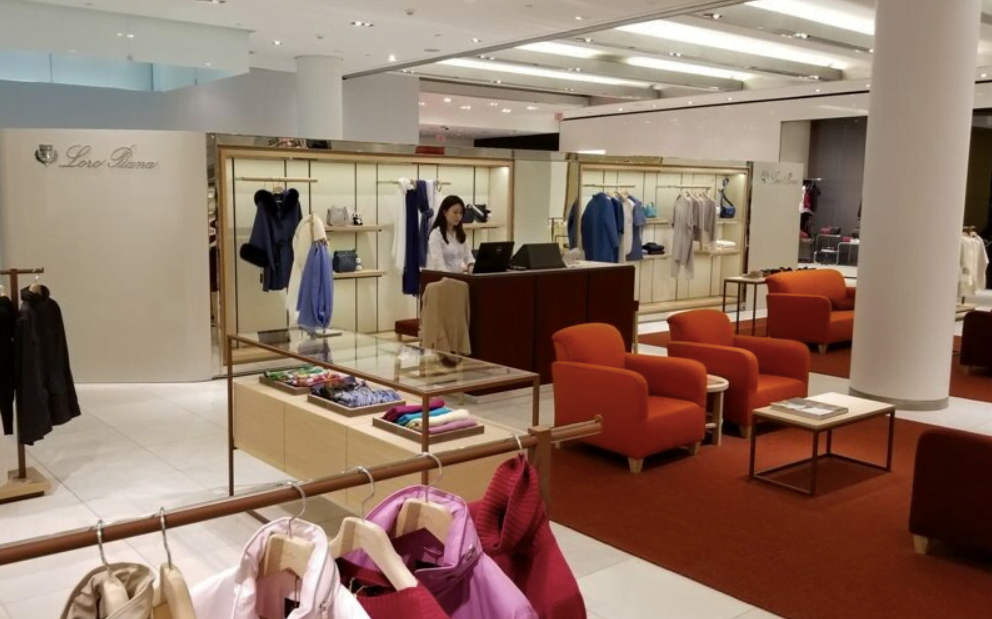
The accessory hall has recently seen the addition of Loro Piana, Bottega Veneta, Céline and Dior boutiques — Dior is a concession and joins completed spaces for other concessions such as Gucci, Prada and most recently, Burberry. The Burberry accessory concession is a new concept, featuring an enhanced design with minimalist shelving in matte charcoal finish and mirrored cabinet fronts. The floor is a diagonal modified chequerboard in white and black, with recessed lighting, and high ceilings.

[Below: Several photos of the expanded accessories floor at Holt’s in Vancouver. Photos: Helen Siwak]

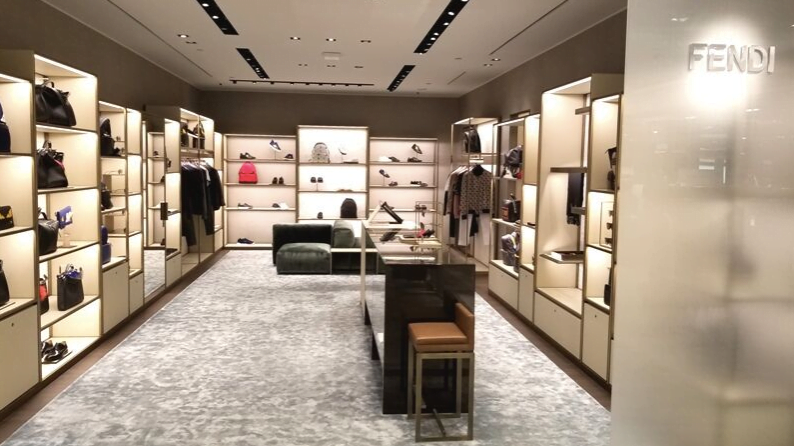
Other accessory shops include the likes of Chloé, Azzedine Alaia, with Fendi, Hermés watches, Miu Miu and Givenchy, expected to be unveiled by the summer — it is the best accessory hall in Canada. On the women’s floor upstairs, Holt’s has unveiled new spaces for brands Céline, Brunello Cucinelli, Miu Miu, and Azzedine Alaia.

Holt Renfrew’s strategy is to present collections in large shop-in-store spaces that include a mix of concession and Holts-operated boutiques. A Fendi men’s boutique opened recenetly and opening soon on the men’s floor, as well, will be boutiques for Brioni and Moncler. Holt’s Vancouver men’s store competes with the Toronto Yorkdale store for the best offering of luxury menswear brands — and that might be the case for a while, because rumour has it that the Holt Renfrew Men’s store at 50 Bloor Street West could shutter this year.

[Above: Photos of new women’s boutiques at Holt’s Vancouver and the new Fendi men’s boutique. Photos: Helen Siwak]

Matt & Nat to Open at CF Sherway Gardens on March 15

Matt & Nat at Sherway

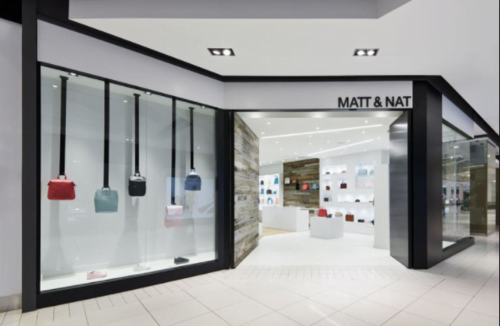
Eco-friendly fashion brand Matt & Nat will launch the company’s second GTA store next week in CF Sherway Gardens in Toronto. Easily recognizable with its bright white clean interiors with circular lighting, the stores are both welcoming and chic.

Founded in Montreal in 1995, Matt & Nat (short for “mat(t)erial” and “nature”) is known for its cruelty-free product lines and since launching in 2007 has remained true to its commitment to not use leather or any other animal-based materials in its bag and accessory designs. Product linings are made of fabric created with 100% recycled plastic bottles and the company has been utilizing recycled bicycle tires in their latest collections.

Originally launched as a handbag and small accessory brand, Matt & Nat followed-up with footwear, and now offers keychains, wallets and sunglasses, lifestyle bags (ie. yoga, crossbody, diaper), and a selection of pet accessories for dog lovers. Consumers are lapping up the plant-based offerings and expect new product lines as the 2018 and 2019 collections are revealed.

The company wholesales to retailers in Canada as well as globally, and it also has a robust e-commerce business at mattandnat.com/shop.

Reigning Champ Launches Flagship on Robson Street

(LIGHTING UP THE NIGH SKY: REIGNING CHAMP ON ROBSON. PHOTO: GAURAV MEHRA)

In July 2017, Retail-Insider published an extensive overview of downtown’s Robson Street and the upswing in retailers interest in what was once the definitive ‘place to see and be seen’ for Vancouver shopping and dining experiences.

As the dynamic duo of Martin Moriarty and Mario Negris of CBRE, continue to broker deals, the street is hitting its stride. The latest company to take up residence is Vancouver-based retailer Reigning Champ. In what was music lovers’ paradise, HMV, at 1148 Robson Street, the 3,000-square-foot flagship space brings the brands premium athletic clothing and streetwear to downtown.

The brand currently has three other Canadian stores, one in Kitsilano and two in Toronto, and recently celebrated 10 years of business in 2017. Part of the CYC Corporation, which includes respected streetwear brand Wings+Horns and also works with Supreme, Reigning Champ offers basics such as hoodies, sweatpants, sweaters, and tee shirts for both men and women utilizing a monochromatic palette.

CYC Corporation owns its own factory in Vancouver and, in addition to the garments being incredibly practical and durable; the Reigning Champ products satisfy the ‘Shop Local. Buy Local.’ mantra that west coasters find so attractive.

Shanghai Baixin Stationery Co. Crossing Pacific with 1st North American Location in Vancouver

Shanghai Baixin Stationery Co.

With the popularity and near cult-like following of Asian retailers UniqloMuji and Miniso in Vancouver, is it any wonder that Shanghai Baixin Stationery is heading to Canada to set up shop later this year?

Martin Moriarty and Mario Negris of CBRE Vancouver brokered the deal for the Shanghai-based company at 533 Granville Street with a size of 1,690-square-feet. This is in immediate proximity to Holt Renfrew, Joe Fresh, Tip Top Tailors, and next to Lebanese concept restaurant Zaatar y Ziet. Close to transit hub, Waterfront Station, shoppers seeking colourful and affordable stationery will have no problem accessing that which they desire.

Founded in 1912, Shanghai Baixin Stationary Store, formerly known as Baixin Bookstore, has over 100 years history in retailing school supplies and office supplies in Shanghai. Aimed to appeal to students, businesses, the company provides trendy stationery and office supplies, including renowned local and imported brands Parker, Scheaffer, Pilot Juice, and Stabilo.

While we have no renderings of what the finished store will look like, consumers with a penchant for colourful and quirky stationery will see the doors open sometime in the spring/summer.

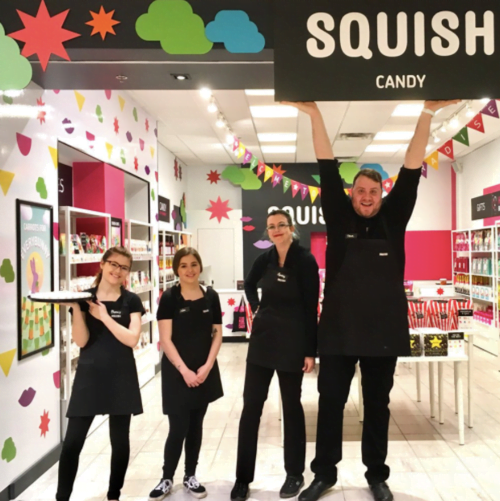
Squish’s Gourmet Gummies Captivate Southgate Centre 

(PHOTO: SQUISH VIA TWITTER)

North America’s first artisanal candy store specializing in over 100 flavours, the Montreal-based Squish Candy, opened their latest location in Southgate Centre in Edmonton.

Squish Candy recently announced that it has plans to expand across Canada with approximately 30 stores in the next two to three years. The U.S. market is also being explored as the innovative and fun gummies continue to captivate shoppers with their intensive flavours and vegan options.

Gummy connoisseurs welcomed the switch-up from the traditional fruit-based flavours to Squish’s unique ones which are split into five categories: Fruity (fruits and berries), Intense (spicy chillies, super sours, salty-sweet), Decadent (milkshake, gooey marshmallow, Calm (tea, fresh mint), and Cocktail (Champagne bubbles, rum cocktails). The gummies are non-GMO, fat-free, vegan or vegetarian, with no artificial colours or flavours.

The first Squish store opened in 2014 in Montreal and currently, there are multiple stores in Quebec and Ontario, one in Alberta, and one in Vancouver inside Hudson’s Bay within the Top Shop on the Lower Level.

FAO Schwarz Readies for a Landing in Canadian Airports

Image: FAO Schwarz

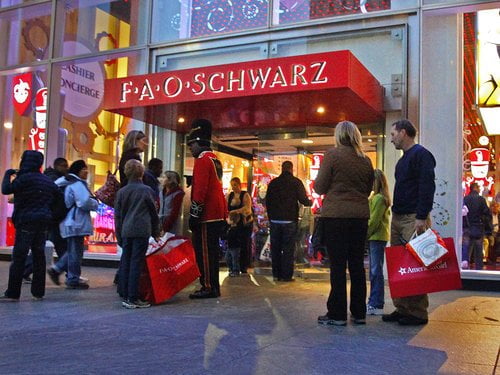
Iconic NYC-based toy retailer FAO Schwarz has announced that it will be continuing its massive expansion as part of its revival which was launched in 2017.  The closing of the famous New York City store two years ago obviously did not signal the death knell for the legendary toy store! Beloved by children of all ages and memorable for its appearance in Hollywood movies such as Miracle on 34th Street, Tom Hanks’ Big, Baby Boom with Diane Keaton, and the classic Eyes Wide Shut with Cruise and Kidman, the legacy of FAO Schwarz is destined to continue.

Having launched shops with over 5,000 U.S. retailers last year, FAO Schwarz has signed an agreement with Hudson Group, one of the largest travel retailers in North America, to open a chain of FAO Schwarz-branded airport shops in Canada and the U.S. with the first slated to open later this year.

Internationally, the toy retailer said last Thursday that it will open locations in Beijing and Shanghai this year through collaboration with China’s largest toy distributor, Kidsland. There will also be an additional 30 smaller FAO Schwarz stores and shops in 200 department stores across China in the next five years.