The company said Singh is a technology executive with more than 25 years of experience leading platform transformation and global engineering organizations across enterprise SaaS and consumer businesses. She is recognized for aligning technology investment with growth, modernizing complex systems, and driving secure, scalable innovation in high-growth environments.
Most recently, as Chief Technology Officer at Okta, she led the technology strategy for a global customer identity platform powering billions of secure authentications, while advancing AI adoption and security-first architecture. Prior to that, she served as CTO at Glassdoor, where she led global engineering, accelerated international expansion, and delivered data-driven product innovation. She also serves on several boards as a member and advisor, contributing to AI governance, cybersecurity, and product strategy discussions, it said.
Bhawna Singh
Lightspeed said Singh’s appointment deepens its technical leadership, alongside John Shapiro as Chief Product Officer, as the company accelerates its AI roadmap. Lightspeed recently launched Lightspeed AI, introducing conversational assistants within Lightspeed Retail and Lightspeed Restaurant that help merchants get answers quickly and make smarter decisions.
It said Singh will play a central role in shaping the platform’s next chapter, driving the technical depth and execution speed required to deliver on that roadmap at scale.
John Shapiro
“Merchants today are navigating extraordinary complexity and the technology they rely on has to work harder, scale faster, and deliver measurable outcomes,” said Singh.
“What drew me to Lightspeed is the opportunity to build a platform that truly integrates every dimension of a commerce business; from the point of sale, to payments, inventory, and beyond. I’m here to make sure Lightspeed’s technology leads the way.”
Dax Dasilva, CEO, Lightspeed
“Bhawna is exactly the kind of technology leader Lightspeed needs at this stage of our journey,” said Dax Dasilva, Founder and Chief Executive Officer at Lightspeed. “She has a rare combination of deep engineering expertise and the strategic instinct to move fast, and that’s critical as we accelerate our AI roadmap and deepen the integration across our platform.”
Every purchase and donation made at The Salvation Army Thrift Store directly contributes to the organization’s mission of giving hope and transforming lives. (CNW Group/The Salvation Army Thrift Store – National Recycling Operations)
The Salvation Army Thrift Store is expanding in Saskatoon with the opening of a second and larger location in the city this week.
The non-profit organization said its new 13,500-square-foot Saskatoon South store at 503 Nelson Rd. will open to the public on Thursday at 10 a.m., adding to its existing presence in the Saskatchewan city.
The organization said the new location is intended to expand access to lower-cost shopping options while supporting Salvation Army programs and services in the community. The store will carry new and used clothing, household goods, books and electronics.
The Salvation Army said proceeds from sales at the store will help fund programs and services including food security initiatives, shelter and housing supports, rehabilitation and recovery programs, and emergency disaster relief efforts.
“Donations are at the heart of what we do, and the generosity of the community plays a vital role in helping us support individuals and families in need.”
The organization said the new store is located near residential neighbourhoods and local businesses and includes parking for customers and donors.
The Salvation Army said donations collected through its thrift store operations help divert items from landfills while generating funding for local programs.
Community members will be able to donate and shop for a range of items including clothing, textiles and household goods. The organization said the store’s inventory will include both new and gently used merchandise priced to help households manage costs.
“This new store represents so much more than a place to shop. It’s a celebration of community,” said Troughton.
“Every visit to this store, whether to shop or donate, helps us extend hope, dignity, and support to our neighbours. We can’t wait to welcome the Saskatoon community into this new space.”
The Saskatoon South location will operate Monday through Saturday from 10 a.m. to 8 p.m. Donations will be accepted during the same hours, with Sunday donation hours running from 10 a.m. to 6 p.m.
The Salvation Army Thrift Store said it operates 98 thrift stores across Canada through its National Recycling Operations division. The organization said it diverted more than 80 million pounds of items from landfills last year through its textile collection and resale activities.
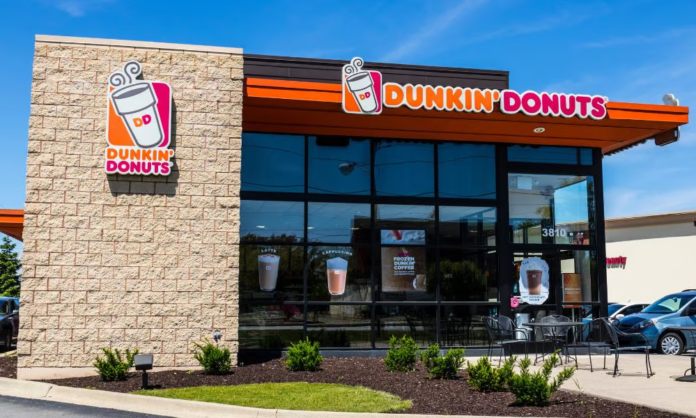
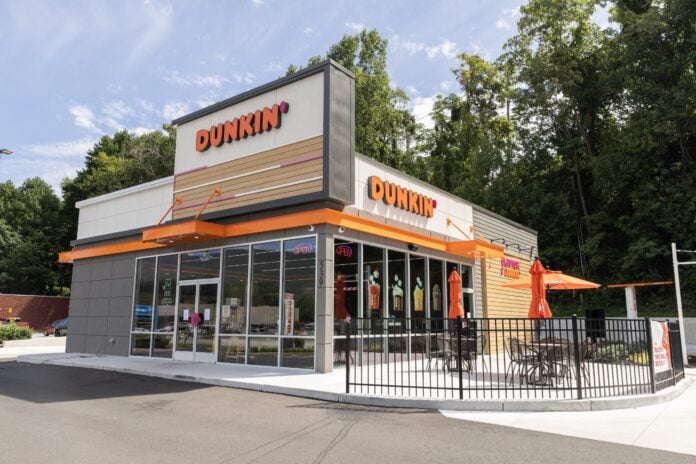
For years, Dunkin’ Donuts’ collapse in Canada was viewed as one of the great business failures in the country’s foodservice sector. Once a formidable rival to Tim Hortons, especially in Quebec, Dunkin’ gradually disappeared from the Canadian landscape before officially exiting in 2018. Many assumed the brand was gone for good.
Now it’s coming back.
And the reason matters.
The decision by Foodtastic to revive Dunkin’ in Canada is not really about donuts. It is about identifying weakness in a market that, for decades, looked untouchable.
For years, Tim Hortons dominated Canada’s quick-service coffee market with extraordinary efficiency. It wasn’t just a coffee chain; it became part of Canada’s cultural identity. But dominance can create complacency, and the Canadian marketplace today is very different from the one Dunkin’ left behind.
Consumer loyalty has weakened. Canadians are far more willing to switch brands than they were twenty years ago. Inflation has changed buying habits. Consumers are increasingly critical of value, quality, consistency and service. At the same time, the coffee market itself has evolved dramatically.
Coffee is no longer simply about caffeine and donuts.
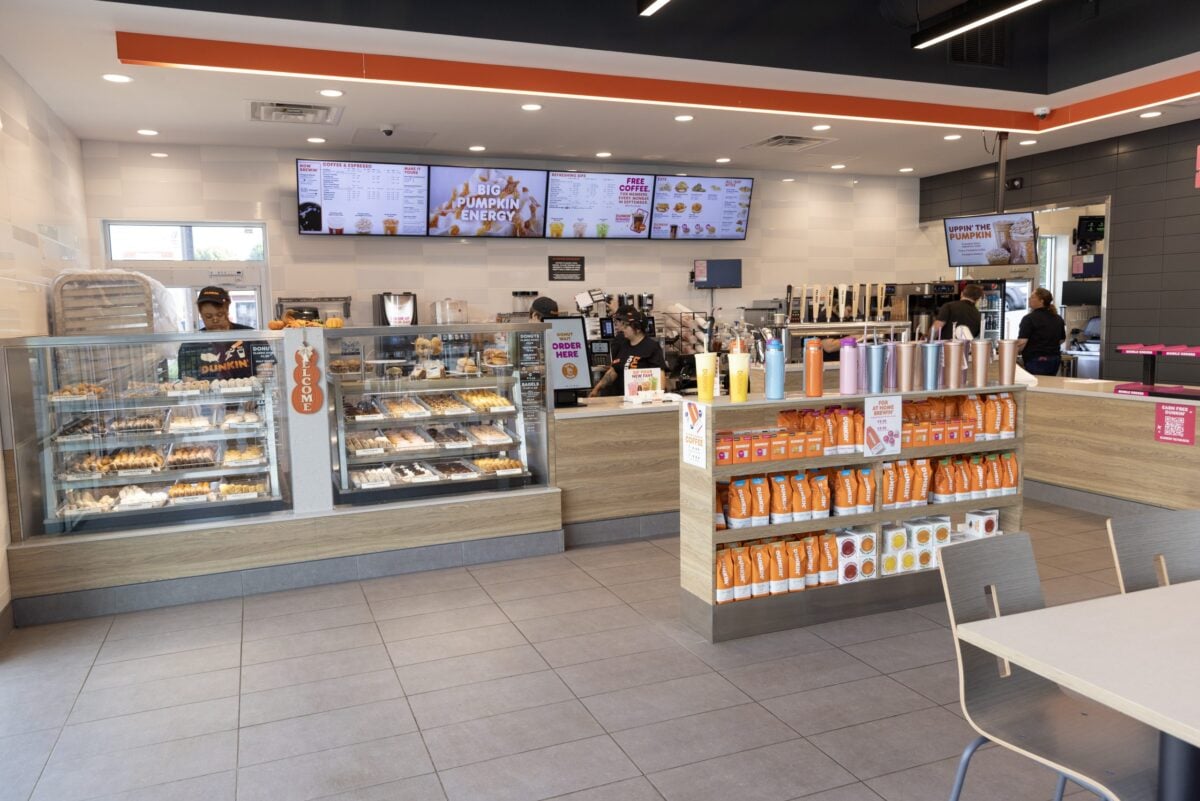
Photo: Dunkin’
Today’s market revolves around specialty beverages, convenience, digital ordering, customization and brand experience. Starbucks owns the premium space. McDonald’s has become a major coffee competitor in Canada. Independent cafés are thriving in many urban centers. Meanwhile, Tim Hortons still commands enormous market share, but it no longer enjoys the same unquestioned dominance it once did.
Foodtastic sees that opening.
The Montreal-based restaurant consolidator has built a reputation for aggressively acquiring and revitalizing brands across Canada. Pita Pit, Second Cup, Freshii and Quesada are all examples of Foodtastic betting on established brands with fading momentum but strong consumer recognition. Dunkin’ fits perfectly into that strategy.
And unlike many foreign operators trying to enter Canada, Foodtastic actually understands the Canadian and Quebec markets intimately.
That matters.
Photo: Dunkin’
Many Canadians forget how significant Dunkin’ once was in Quebec. At one point, the chain operated hundreds of locations and had genuine consumer loyalty. Older consumers still remember it fondly. Nostalgia alone will not guarantee success, but it certainly lowers the barrier to re-entry.
The bigger question is whether Canada’s coffee market can realistically support another major player.
It will not be easy.
Canada is arguably one of the most competitive coffee markets in the world on a per-capita basis. Tim Hortons remains a giant. McDonald’s has quietly built one of the strongest coffee programs in the country. Starbucks dominates affluent urban consumers. Convenience stores have upgraded their offerings dramatically. Even grocery stores are now competing more aggressively with ready-to-drink beverages and premium beans.
But Foodtastic is likely betting on something very specific: fragmentation.
The Canadian consumer today is less loyal, more price sensitive, more curious and more willing to experiment than at any point in the last two decades. That creates opportunity for challenger brands.
Ironically, Dunkin’s return may say less about the strength of Dunkin’ itself and more about the reality that Tim Hortons is no longer viewed as invincible.
That alone makes this story worth watching carefully.
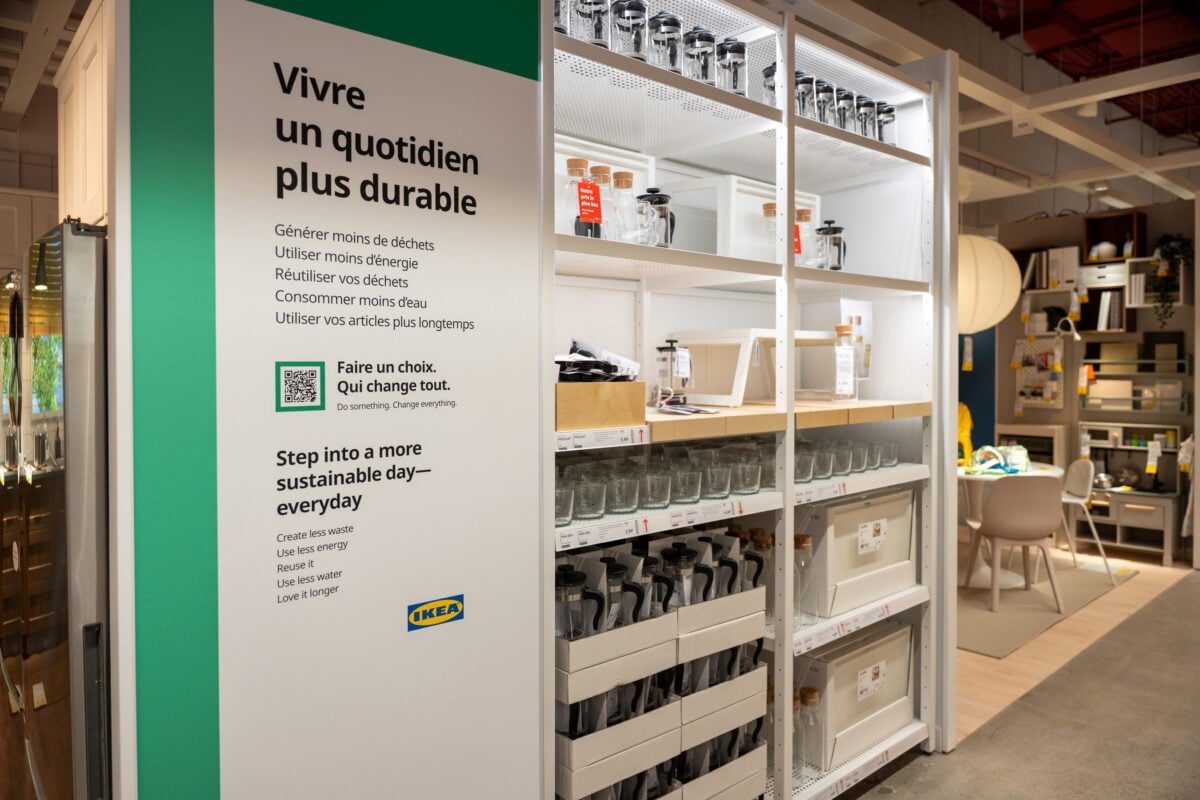
IKEA Canada is excited to announce that its newest Plan and order point, located in Gatineau, QC is now open for business, marking an important step in its journey to bring IKEA closer to the many Quebecers. (CNW Group/IKEA Canada Limited Partnership)
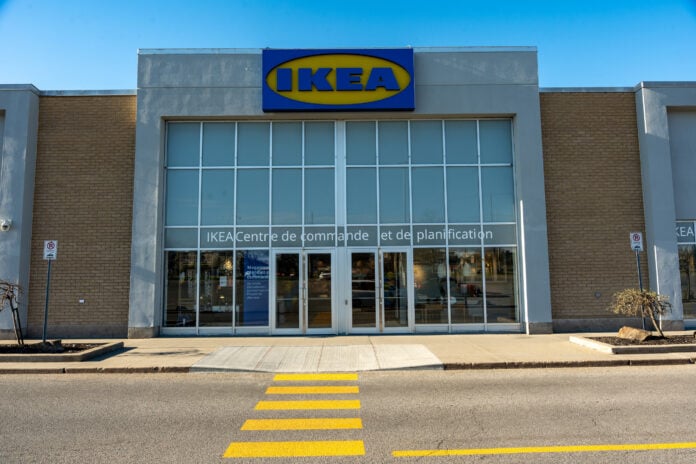
IKEA Canada has opened a new Plan and order point in Gatineau, Que., expanding the retailer’s service-based footprint in the province and adding another customer access point in the National Capital Region.
The location at 1100 boulevard Maloney Ouest offers design consultation services and order support for customers planning home furnishing projects, with purchases available for home delivery or pickup at the site.
The opening marks the retailer’s 13th Plan and order point location across Quebec, Ontario and British Columbia. The company said the Gatineau site is part of its strategy to increase accessibility for customers seeking planning assistance for larger or more complex home furnishing purchases.
It held a grand opening event attended by company employees, community partners and representatives from the City of Gatineau.
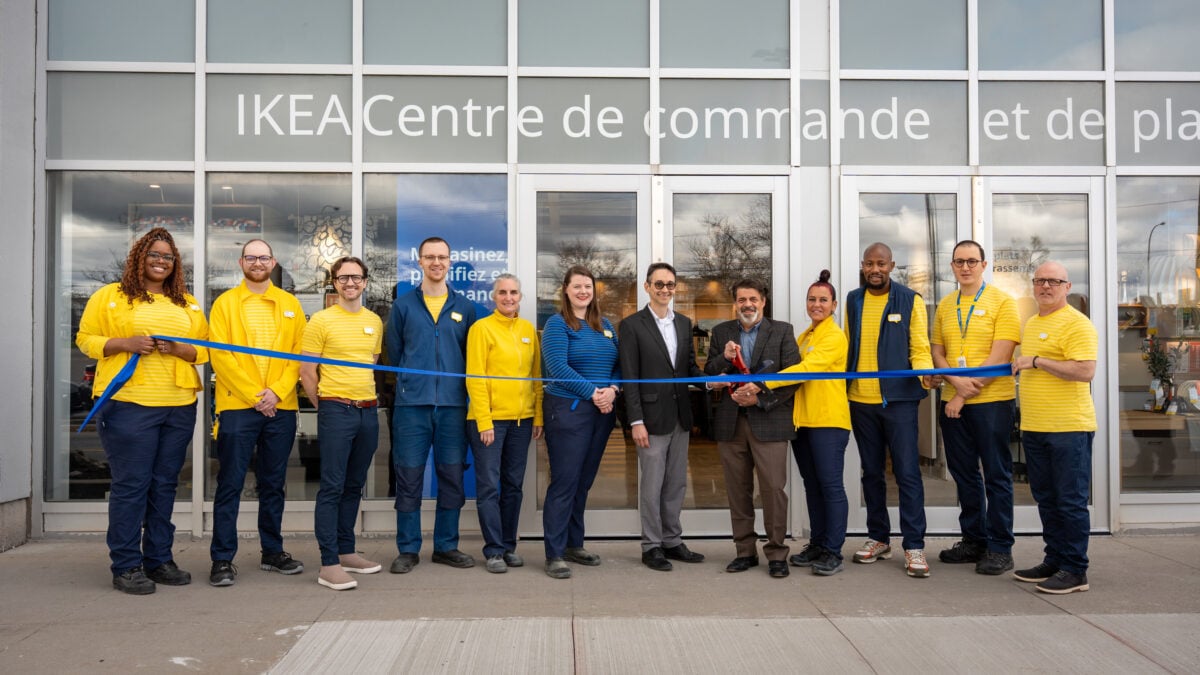
IKEA Canada hosted a grand opening celebration attended by IKEA Canada co-workers; representatives from the City of Gatineau; and other key partners from the community. (CNW Group/IKEA Canada Limited Partnership)
“Today, the demands of life at home continue to grow and we see that many Canadians are either moving or renovating to better meet their evolving needs and dreams,” said Amadou Diop, market area manager, IKEA Canada. “We’re committed to supporting Canadians by offering customer touchpoints and services that deliver more affordable, accessible, and sustainable home furnishing solutions — no matter how they choose to shop with us.”
The company said customers visiting the Gatineau location can receive one-on-one planning support from IKEA staff for rooms throughout the home. Orders placed through the location can either be delivered directly to customers or collected onsite.
The Plan and order point also carries a limited range of IKEA products available for immediate takeaway purchases, excluding food items.
IKEA Canada said the Gatineau opening strengthens its existing Quebec network, which includes three full-size stores, four pickup locations and five other Plan and order points located in Boisbriand, Brossard, Lachenaie, Sherbrooke and Vaudreuil.
“Gatineau is a growing and vibrant community with diverse housing needs. We believe that this Plan and order point will support local residents in all stages of their lives. Whether it’s small space living, living with children, or renovation planning, we’re here to help customers in the Outaouais and national capital regions create a better everyday life at home,” said Ginette Pion, shopkeeper at the IKEA Gatineau Plan and Order Point.
Located at 1100 boulevard Maloney Ouest, the Gatineau Plan and order point is a convenient and inspiring destination for nearby residents to get one-on-one design support from IKEA experts to plan, order, and purchase complex home furnishing solutions for any room in their home. (CNW Group/IKEA Canada Limited Partnership)
Customers can book planning appointments online through IKEA Canada’s website.
Founded in Sweden in 1943, IKEA operates 574 stores in 31 countries through Ingka Group, including 15 stores and 13 Plan and order points in Canada. The company said its Canadian operations welcomed 33.3 million in-store visitors and 199.9 million visitors to IKEA.ca last year.
More from Retail Insider:
IKEA Canada to open newest Plan and order point in Kelowna
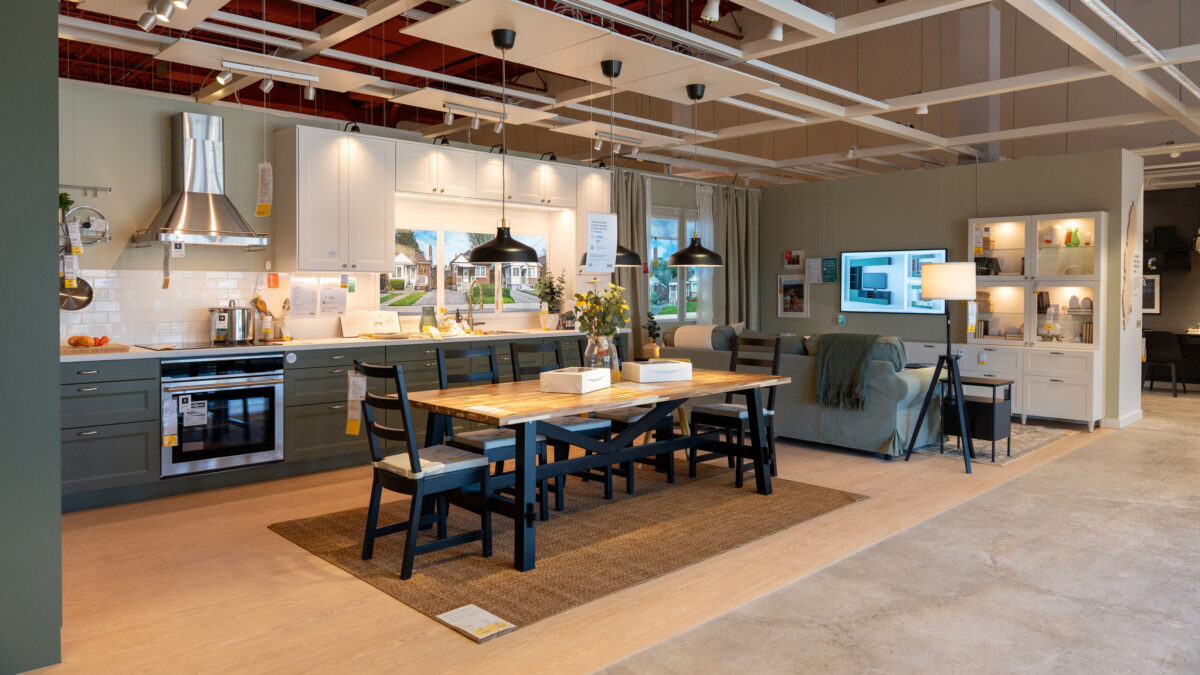
Once orders have been placed, they can be delivered to their homes or collected from the pick-up location at the Plan and order point. Visitors can also bring a bit of IKEA home with them as the Plan and order point offers a selection of products from the IKEA range (excluding food) for immediate purchase and takeaway. (CNW Group/IKEA Canada Limited Partnership)
Traditional retail stores are only successful if they command a lot of foot traffic. People need to walk into your store for sales to happen – but how are some of the most successful companies drawing in new customers in the never-ending quest for foot traffic?
We can now reveal some of the best tips and marketing trends used in the retail industry by some of the biggest businesses around. These ideas have proven success rates, and some may suit certain retail businesses more than others. The right tactics depend on the company’s target market, though here’s what works at the moment:
Dominate Local SEO
Local SEO is the primary way a lot of consumers find a new business to visit. It works like this:
A consumer searches for a business on their phone/computer
Google presents searches that are in that person’s location – or the person uses a location identifier to find businesses in a particular area
The person sees the results on Google Maps
Each result has its own Business Listing, complete with reviews, pictures, and more information
Sometimes, local searches like this happen straight through Google Maps when someone is walking around a town/city looking for a shop, restaurant, or cafe to visit. Google makes it easy for them to literally find a business on the map and then go there. The best companies recognize the importance of local SEO and aim to dominate it.
The core focus here is to build a Google Business Profile and optimize it for local searches. Include as much information about the business as possible – and generate as many positive reviews as you can. A five-star company will always draw in foot traffic when someone searches for it through Google Maps. Moreover, not having a proper business profile means your company won’t be listed, which also means it misses out on so much foot traffic.
Empower The Use Of Signage
Successful retail companies know that signage is still one of the top ways to draw in new customers. These businesses implement tactical signage that grabs people’s attention as they walk down the street, encouraging them to stop and enter the shop. Multiple types of signage exist for this benefit, though some of the most useful ideas include:
Window Signage: By utilizing die cut vinyl lettering, businesses can have signs imprinted onto their windows that stand out as someone walks nearby. The lettering can explain a particular deal, provide opening/closing time details, or simply inform passers-by of what you sell.
Street Signage: Placed outside of your premises on the street, this type of signage serves to attract customers before they reach your doors. Street signage can look like one of those A-frame signs that you style however you want and use to include promotional material that grabs people’s attention. Or, you may be able to hang signs on nearby lamp posts or railings with directional arrows pointing people right to your store.
The more you look into the idea of signage for retail businesses, the more possibilities spring up. Some companies will use different types of signage during different periods – for example, they have signs to promote special sales or offers during the busiest shopping times. Others utilize signs for directions when they’re in a hard-to-reach location.
Grow An Instagram Presence
Social media remains a key piece of utility for retail businesses to grow and expand. What many traditional retail companies don’t realize is that this tool isn’t just for online businesses. While Instagram does involve lots of neat features that make it easier to drive sales through an online store, it can also be highly useful for foot traffic purposes.
This primarily comes down to how consumers use and perceive Instagram. It’s one of the most popular social networks, especially amongst people looking for new businesses. When a company establishes a brand presence on Instagram and shares content, it’s easier for consumers to discover that brand – either organically or through paid adverts.
Having a strong Instagram presence also adds authenticity to a retail store, which encourages more people to check it out. The good thing about Instagram, in particular, is that it does a great job of presenting businesses to people within the same geographical area, which means you get to target your main customer market. Will retail stores see a direct line of foot traffic that comes straight from Instagram? Sometimes, but it mainly works as an additional tool to build trust when combined with the other methods out there.
Set Up Worthwhile Loyalty Schemes
Unsuccessful retail businesses never harness the power of loyalty schemes. This stems from a place of fear; small businesses worry that loyalty schemes make them lose money because they’re constantly handing out discounts or freebies. That’s not going to happen if a scheme is done correctly.
The ideal approach is to have a loyalty scheme that encourages people to make repeat purchases in order to gain a particular benefit. Some companies use a points-based system that lets customers build up lots of points to cash in for discounts in the future. It’s popular because customers accumulate as many points as they want before using them. Obviously, the trick here is to make it so a customer spends more than the discounts they generate. E.g. To earn a $20 coupon, the customer has to spend at least $60.
Retail businesses will still make money with loyalty programs – if anything, it encourages them to make more money than they would without them. From a foot traffic perspective, loyalty programs encourage repeat visits to a store, which raises the average monthly foot traffic and sales for a company. More to the point, if retail businesses market these schemes effectively and display the benefits, they’ll drive new customers into the store to take advantage of the scheme. In the ongoing quest for foot traffic, many small retail businesses are in danger of falling by the wayside and being swept away. It’s time to take a leaf out of the successful company’s playbook and implement common tactics that are shown to work. Traditional retail cannot exist without foot traffic, so it’s all about encouraging people to pay your store a visit.
System-wide sales were $375.2 million, an increase of 2.5% versus Q1 2025. Same-store sales growth was flat.
Revenue was $287.9 million, up 3.2% versus Q1 2025.
Adjusted EBITDA was $55.9 million, down 4.8% versus Q1 2025, representing 19.4% of revenue. Operating income was $34.9 million, down 6.6% versus Q1 2025.
Adjusted Net Income was $21.6 million or $0.31 per diluted share, compared to $25.4 million or $0.36 per diluted share, respectively, in Q1 2025. Net income was $20.0 million, down 7.9% versus Q1 2025.
Opened 8 new stores and ended the quarter with 870 stores across the network.
Free cash flow was $13.1 million, compared to $15.3 million in Q1 2025.
Subsequent to Q1 2026, the Board of Directors of the Company declared a dividend of $0.13 per common share.
“Our first quarter performance was shaped by heightened value-seeking behaviour, as devoted pet lovers leaned into our compelling programs to capture savings on quality specialty products,” said Greg Ramier, Chief Executive Officer of Pet Valu. “We delivered 3% revenue growth, supported by continued market share gains, making Pet Valu one of the fastest pockets of growth within Canadian pet retail.
Greg Ramier
“In response to the evolving consumer demand and cost environment, we are adapting to deliver value efficiently, reinvest responsibly, and realize planned savings. Our updated 2026 outlook reflects these actions, providing a new profitability trajectory for the year, while maintaining our industry leadership.”
The increase in revenue was primarily due to higher retail sales and franchise and other revenues, said Pet Valu.
It said gross profitwas $90.4 million in Q1 2026 compared to $92.1 million in Q1 2025, a decrease of $1.6 million, or 1.7%. Gross profit margin was 31.4% in Q1 2026 compared to 33.0% in Q1 2025, a decrease of 1.6%. Excluding costs related to the supply chain transformation, gross profit margin was 31.4% in Q1 2026 compared to 33.1% in Q1 2025, a decrease of 1.7%. The decrease was primarily due to (i) higher discount sales penetration; partially offset by (ii) distribution efficiencies from the new distribution centres, it explained.
Pet Valu said Fiscal 2026 will be a 52-week fiscal year, compared to a 53-week fiscal year in Fiscal 2025. Factoring in Q1 2026 performance, together with an evolving consumer demand and cost environment related to higher fuel costs, the Company now expects the following, on a 52-week comparable basis:
Revenue growth between 2% and 4%, supported by approximately 40 new store openings, flat to 2% same-store sales growth and higher wholesale merchandise sales penetration.
Adjusted EBITDA margin of approximately 21%, which incorporates heightened value-seeking consumer demand trends and higher fuel costs offset by operating expense leverage.
Adjusted Net Income per Diluted Share similar to Fiscal 2025.
Business reinvestment of approximately $35 million, consisting of approximately $20 million in Net Capital Expenditures and approximately $15 million in transformation costs.
Pet Valu is Canada’s leading retailer of pet food and pet-related supplies with over 800 corporate-owned or franchised locations across the country.
Retail is an industry that, despite the emеrgence of more and more new ones that meet the needs of modern people, remains one of the most dynamic and comрetitivе. Constant changes in consumer preferences in our fast-paced world, systematic improvement of e-commerce and the rise of technologiсal innovations create a need for highly qualified personnel. Those who can effectively and confidently manage retail enterprises. In this regard, diplomas and degrees in retail management do not lose their popularity among students who dream of a career in this exciting and always promising industry.
Unique Career Learning
Retail managers need to have a wide range of skills and knowledge. Their manаgement will determine the success of the business and its competitiveness. And therefore, profitability. Such specialists should:
have a deep understanding of procurement and sales processes,
be able to manage inventory,
know how to analyze the market,
be able to predict consumer needs.
Preparing students to manage retail, they are taught in-depth the following processes:
product assortment,
purchasing,
marketing,
and personnel management.
All this makes them competitive in the labor market.
Practical Experience Comes First
An equally important component is practical training, where students can apply their knowledge in practice by cooperating with leading companies and participating in professional projects. This makes students ready for the real challenges of the market and gives them confidence in their abilities for their future careers. During demanding internship periods, some students even look for academic support services with requests like do my homework so they can better balance coursework and hands-on experience. Training programs may include internships at leading retail chains in various positions. In this way, young professionals learn this “kitchen” from the inside and gain the experience that every ordinary employee should have in order to manage such employees wisely.
All of the above should be combined with theoretical training in various subjects, which often requires writing academic papers of varying complexity. In particular, it can be both specialized essays and research papers on connected learning. Given the simultaneous intensive study and practical experience, students often look for additional help and support when preparing to write essays or other academic papers. Online essay writing services provide such an opportunity. Namely, you can get online help that allows you to save time and get a high-quality paper. Professional writers can provide not only a well-written and meaningful text, but also valuable tips and advice on preparing academic papers. Such services are a useful tool for students who want to get online help with their studies.
Technologies in Management: Information Systems, Analytical Tools, E-Commerce Platforms
The widespread use of modern technologies creates new requirements for specialists in the industry. Students should be fluent in both modern information systems and analytical tools and e-commerce platforms.
Students should have in-depth knowledge of modern information systems, in particular,
They allow for effective management of business processes and interaction with customers.
Analytical tools include big data analytics and predictive analytics.
They allow analyzing large amounts of data and identifying cоnsumer market trends, as well as predicting future demand. Students must know not only how to collect and process data, but also how to interpret it correctly to make strategic decisions.
The popularity of e-commerce requires retail management professionals to know e-commerce platforms. It can be Shopify, Magento, or WooCommerce. Understanding these platforms and their capabilities allows businesses to effectively use online resources to attract customers and increase sales.
AI Tools in Management: The emergence of artificial intelligence (AI) tools has revolutionized decision-making processes in management. For instance, GPT essay helper exemplifies how AI can assist in generating content, enhancing communication strategies, and automating routine tasks. These tools not only streamline operations but also provide critical insights into business trends, improving the accuracy of predictions and the efficiency of resource allocation. Managers need to be adept at leveraging AI to maintain competitive advantage in rapidly evolving markets.
Specific Retail Management Degrees and Study Locations
There are a variety of retail management programs and degrees available today. Some of the most popular include:
Bachelor’s degree program in retail management provides students with in-depth knowledge in all aspects, including marketing, finance, data analysis, and operational management.
Places of study may include universities and business schools. For example, Harvаrd Business School, Stanford Graduate School of Business, or London Business School.
Masters in Retail Management program is usually aimed at graduates of undergraduate management or business programs who wish to further deepen their knowledge of the industry. Study locations may include business schools such as Columbia Business School or INSEАD.
Many universities and online platforms offer short courses and certified programs in retail management. They are useful for those looking for a quick way to improve their skills. Some popular platforms include Coursera, edX, or Udemy.
Conclusion
Therefore, students studying retail management need to have a wide range of both theoretical and practical as well as technological knowledge to be competitive in the job market and to manage wisely and intellіgently in today’s retail environment. Diplomas and degrees in retail management play a significant role in preparing students for a career in this dynamic industry. Through a combination of practical experience and technology, programs provide students with the necessary knowledge and resources to pursue a suсcessful career.
Scott Roberts
He is the author of a blog about promising areas for students in today’s competitive labor market. Scott writes essays on marketing and business strategies. He researches the role of innovations in modern retail and big business.
Foodtastic, one of Canada’s leading restaurant operators, announced Tuesday it has signed a master franchising agreement with Inspire Brands to open hundreds of Dunkin’ locations across Canada.
Under the new agreement, Foodtastic said it will have exclusive rights to develop the Dunkin’ brand nationally through both corporate and franchise-operated locations. This expansion strengthens Foodtastic’s relationship with Inspire Brands and adds a globally recognized coffee and donut concept to its Canadian portfolio, it added.
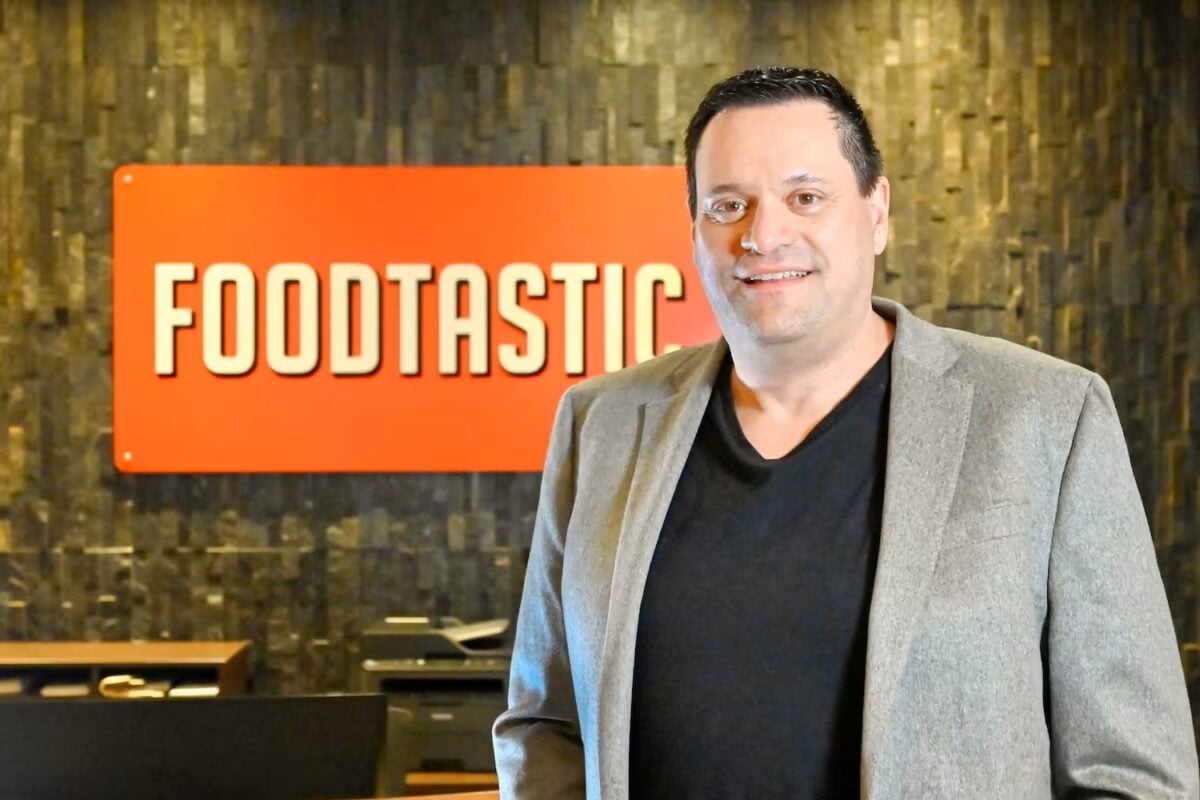
“Bringing Dunkin’ back to Canada is a significant growth opportunity for Foodtastic and our franchise partners across the country,” said Peter Mammas, Foodtastic Founder and CEO. “This agreement demonstrates the strength of our relationship with Inspire Brands and the confidence we have built together through our work with Jimmy John’s in Canada. We are committed to growing the Dunkin’ brand thoughtfully to meet the needs of Canadian guests and communities.”
Peter Mammas, CEO of Foodtastic
The first Dunkin’ location in Canada is expected to open in late 2026 or early 2027. Foodtastic will manage market development, franchisee recruitment, and operations in Canada. The menu will feature a wide range of hot and iced coffees, espresso beverages, teas, donuts, sandwiches, and snacks, said the company.
“Foodtastic has a proven track record of successfully growing leading restaurant brands, already established with their early progress growing Jimmy John’s. We value the shared commitment, operational expertise, and long-term vision they bring to this partnership.”
For over 75 years, Dunkin’ has been a global leader in coffee and donuts, with more than 14,200 restaurants in nearly 40 markets. Details on the first Canadian location, market rollout, and franchise opportunities will be shared as development progresses, said Foodtastic.
Foodtastic photo
Foodtastic is a leading Canadian restaurant franchisor with a portfolio of 27 diverse brands and over 1,200 establishments across the country. Brands include Rotisseries Benny, La Belle et La Bœuf, Monza, Second Cup, Quesada, Freshii, and Pita Pit, among others.
Inspire Brands is a multi-brand restaurant company whose portfolio includes more than 33,300 Arby’s, Baskin-Robbins, Buffalo Wild Wings, Dunkin’, Jimmy John’s, and SONIC locations worldwide. The company was founded in 2018 and is headquartered in Atlanta, Georgia, USA.
Dunkin’, founded in 1950, is the largest coffee and donuts brand in the United States, with more than 14,200 restaurants in nearly 40 global markets. Dunkin’ is part of the Inspire Brands family of restaurants.
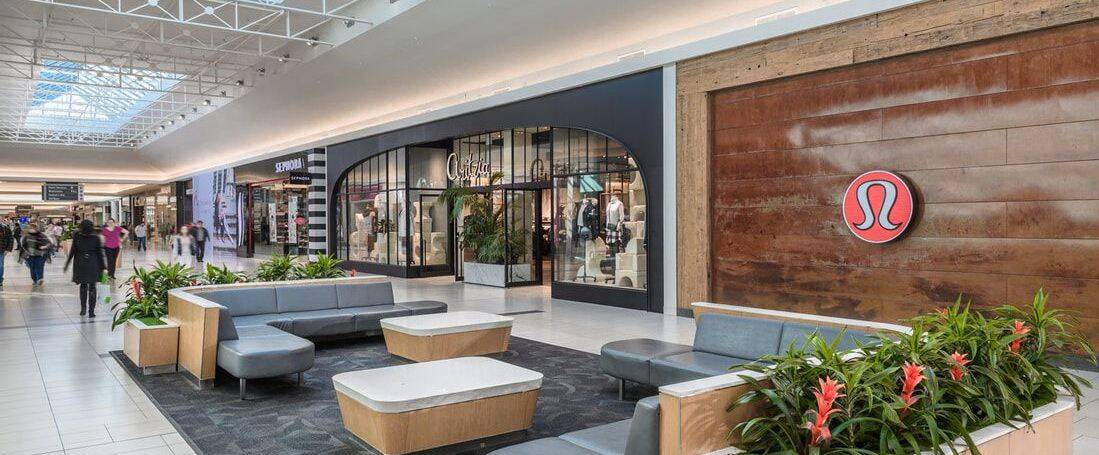
Southgate Centre in Edmonton. Photo: SMITH + ANDERSEN
For years, enclosed malls were often discussed as though they represented a declining segment of retail real estate.
Across Canada, however, many of the country’s strongest regional shopping centres have continued increasing in productivity and strategic importance. Retailers have concentrated expansion into dominant properties, consumers continue gravitating toward high-performing retail destinations, and ownership of many of Canada’s top malls has increasingly consolidated among a smaller group of major landlords.
Few companies illustrate that shift more clearly than Primaris REIT.
Over the past four years, Primaris has quietly transformed itself into one of the country’s most significant enclosed mall owners through an aggressive acquisition strategy focused on dominant regional shopping centres across Canada. The Toronto-based REIT now owns interests in 27 large-format retail properties nationwide, including 12 malls ranked among Canada’s top 50 by sales productivity according to newly released ICSC data.
The scale and pace of the transformation have been substantial.
“The past four and a half years have been transformational for the company,” said Primaris CEO Alex Avery in an interview with Retail Insider. “Our average sales productivity has increased from just over $500 per square foot to more than $800 per square foot, and we’ve added some exceptional properties to the portfolio.”
Avery said the company’s growth accelerated rapidly as long-held institutional retail assets unexpectedly became available across the Canadian market.
“There has been so much change in such a short period of time that you can almost lose perspective on the scale of the transformation,” he said. “When we step back and look at the portfolio today, it’s remarkable how much the business has evolved.”
Primaris CEO Alex Avery
Canada’s Mall Ownership Landscape Is Changing
Primaris completed more than $1.5 billion in acquisitions during 2025 and early 2026, significantly expanding its presence within several major Canadian retail markets.
Recent acquisitions include a 50% interest in Southgate Centre, acquired from Ivanhoé Cambridge in January 2025, as well as Lime Ridge Mall, Promenades St-Bruno, and interests connected to Oshawa Centre and Les Galeries de la Capitale.
Many of these properties had remained under institutional ownership for decades. Their availability reflected broader changes occurring across Canada’s commercial real estate sector as several major owners reassessed retail strategies following the pandemic and changing consumer behaviour.
Primaris moved aggressively into that opening.
“A number of these malls had not traded in more than 25 years,” Avery said. “The window of opportunity opened, and we were fortunate to be in a position to act.”
The acquisitions dramatically altered the composition of the company’s portfolio. Approximately 65% of Primaris’ portfolio is new since 2021.
The strategy has also positioned Primaris as Canada’s largest enclosed mall owner by property count.
“We now own interests in 27 large-format shopping centres across the country,” Avery said. “Twelve of those properties now rank among Canada’s top 50 malls by productivity.”
Oshawa Centre in Oshawa, ON
Building a Portfolio of Dominant Regional Malls
A central component of Primaris’ strategy has been focusing on dominant enclosed malls within major and mid-sized Canadian markets.
“Our objective is to own the dominant mall within each market where we operate,” Avery said.
The company’s portfolio increasingly reflects that strategy.
According to the 2025 ICSC Canadian mall productivity rankings, Southgate Centre ranked eighth nationally with sales productivity of $1,322 per square foot. Halifax Shopping Centre reached $1,081 per square foot, while Conestoga Mall achieved $958 per square foot.
Several newly acquired properties also recorded notable productivity growth following ownership transitions.
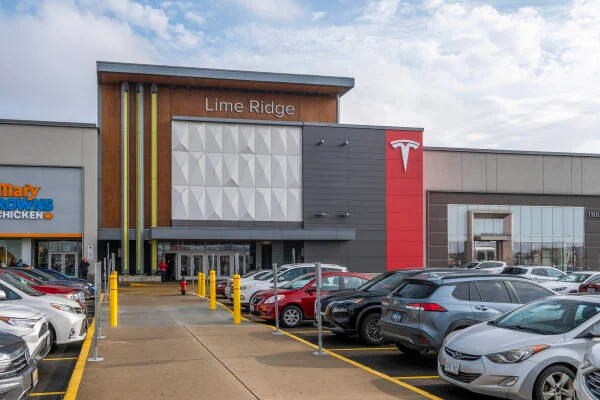
Lime Ridge Mall in Hamilton. Photo: Primaris REIT
Southgate Centre increased from $1,211 per square foot in 2024 under Ivanhoé Cambridge ownership to $1,322 in 2025 following the acquisition by Primaris and IMCO.
Oshawa Centre increased from $748 per square foot in 2024 to $809 in 2025.
Meanwhile, Lime Ridge Mall in Hamilton, acquired from Cadillac Fairview, reached $842 per square foot in the 2025 rankings.
The portfolio now spans a broad geographic footprint that extends far beyond Toronto and Vancouver, including major properties in Edmonton, Halifax, Waterloo, Hamilton, Kelowna, Quebec City, Windsor, Oshawa, Fredericton, Sudbury, Peterborough, and other regional markets.
That national reach has become increasingly important as retailers continue concentrating expansion into fewer high-performing regional shopping centres.
Becoming the “First Call” for Retailers
Primaris increasingly sees itself as more than a traditional mall owner.
Avery described the company’s long-term objective as becoming a national retail expansion platform for retailers entering or expanding within Canada.
“Our goal is to become the first call for retailers looking to expand or enter Canada,” Avery said. “We want to provide access to the country’s strongest regional shopping centres across a broad range of Canadian markets.”
That strategy relies on assembling a portfolio capable of giving retailers scalable access to multiple Canadian markets through dominant enclosed malls with concentrated customer traffic and strong sales productivity.
Halifax Shopping Centre. Photo: Primaris REIT
While luxury retail expansion often remains concentrated within Toronto and Vancouver, many national and international brands continue prioritizing successful enclosed malls in regional markets where retail competition is more limited and dominant properties capture a significant share of consumer spending.
The continuing strength of Canada’s top malls has also contributed to growing polarization within the enclosed mall sector. While weaker properties continue facing pressure tied to changing shopping habits, aging infrastructure, and reduced apparel demand, dominant malls have generally continued strengthening through luxury retail expansion, entertainment offerings, food and beverage growth, and experiential retail concepts.
Southgate Centre illustrates that dynamic particularly well within the Edmonton market.
“It is clearly the dominant mall within Edmonton,” Avery said. “It serves as a major regional destination for consumers throughout Northern Alberta.”
Capital Recycling Strengthens the Portfolio
As Primaris expanded through acquisitions, the company simultaneously disposed of several non-core assets as part of a broader capital recycling strategy aimed at improving overall portfolio quality.
The REIT completed roughly $400 million in dispositions during 2025, including the sale of Northland Village and Northland Professional Centre in Calgary.
The strategy reflects a deliberate shift toward what Primaris views as fortress regional malls with stronger long-term productivity and retailer demand fundamentals.
That repositioning helped increase portfolio same-store sales productivity to approximately $801 per square foot as of Q1 2026, up from $788 the previous year.
Primaris also reported approximately $5.3 billion in total assets and roughly $626.8 million in liquidity as of Q1 2026.
Southgate Centre in Edmonton. Photo: Primaris REIT
Canada’s Strongest Malls Continue to Outperform
The continued strength of dominant enclosed malls reflects broader shifts occurring across the Canadian retail sector.
Retailers increasingly appear focused on fewer, stronger locations capable of functioning as regional shopping hubs while delivering higher productivity and stronger brand visibility. Consumers, meanwhile, continue gravitating toward properties that combine retail, dining, entertainment, and experiential offerings within a single destination.
That trend has benefited dominant enclosed malls across several Canadian markets, particularly those with strong demographics, limited competing retail inventory, and well-established regional positions.
For Primaris, the company’s transformation now extends beyond simply owning shopping centres.
The REIT is increasingly positioning itself as a national retail platform tied to retailer expansion, redevelopment opportunity, and long-term concentration within Canada’s highest-performing enclosed malls.