Welcome to the Daily Synopsis by Retail Insider. We published 11 articles today exploring key Canadian retail developments, including new store openings and Q1 financial updates.
lululemon opened a flagship store on Montreal’s Sainte-Catherine Street West featuring a larger, design-focused space. Cavallo Custom Clothing launched an appointment-only showroom in Toronto’s Etobicoke emphasizing bespoke service. Happy Belly Food Group reported $19.3 million in Q1 system-wide QSR sales, marking an 80.4% year-over-year increase associated with a growing franchise network.
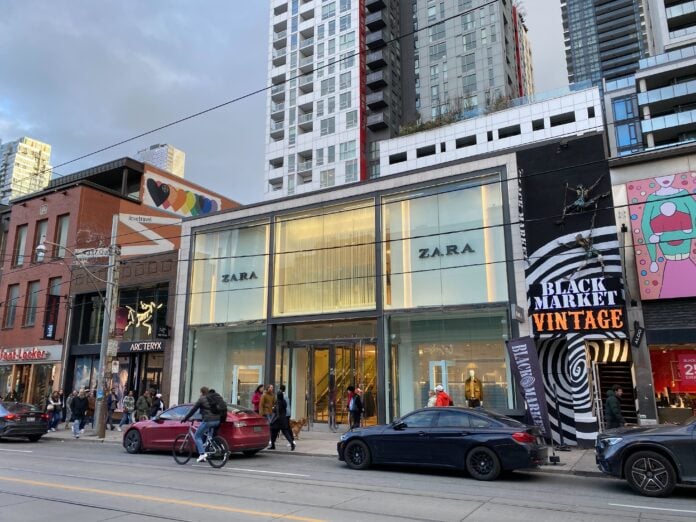
Former Zara store at 341 Queen Street West in Toronto on Sunday, November 24, 2024. Photo: Dustin Fuhs
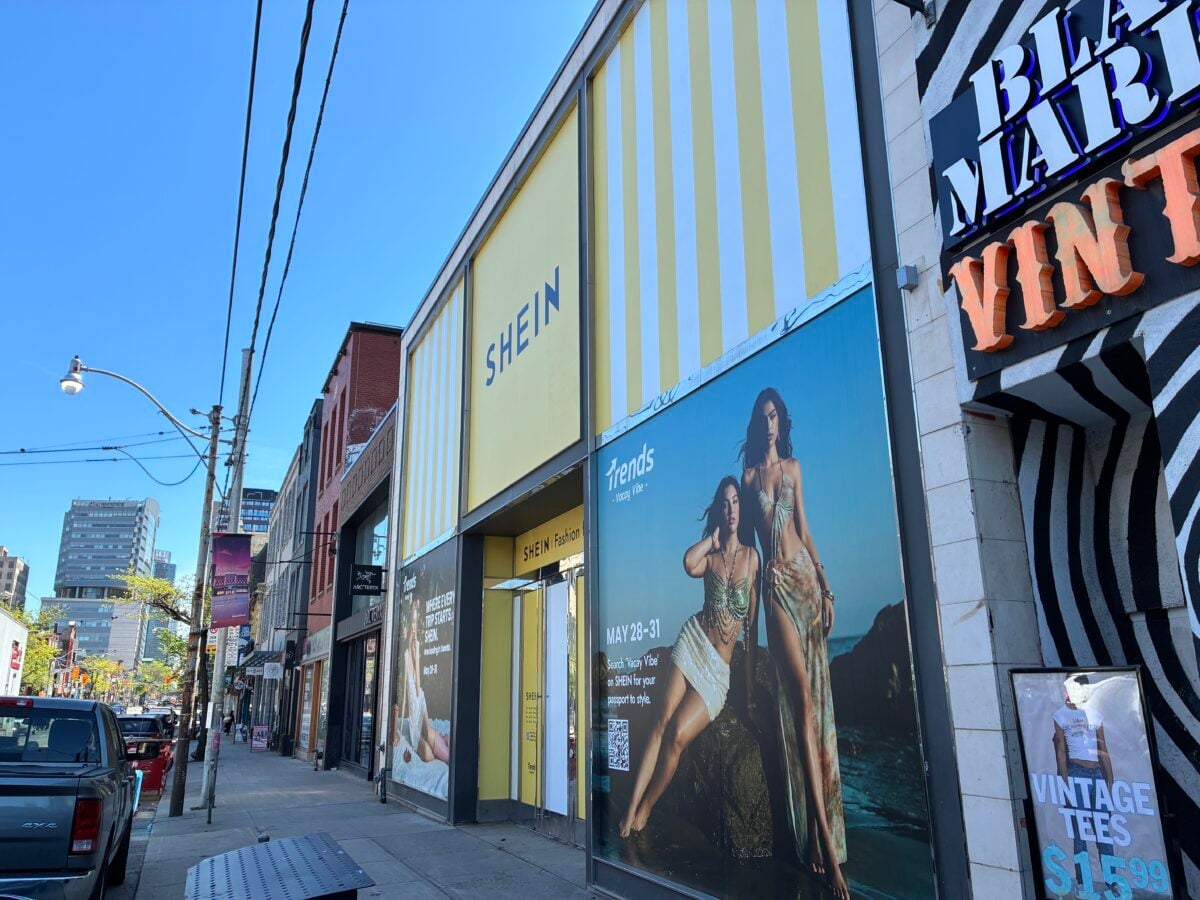
A major former Zara storefront on Toronto’s Queen Street West is set to be temporarily reactivated later this month as SHEIN continues expanding its physical retail presence across Canada through immersive short-term activations.
The four-day Toronto pop-up will operate from May 28 to May 31 at 341 Queen Street West, the prominent multi-level location that housed Zara for roughly two decades before the retailer closed the store in late 2024. The highly visible corner space, known for its expansive street frontage and heavy pedestrian traffic, has long been one of the corridor’s most recognizable international fashion retail locations.
Retail Insider previously reported on Zara’s departure from the site amid broader changes unfolding across Queen Street West, including evolving shopping patterns, rising operating costs, and ongoing disruption connected to Ontario Line subway construction. Less than two years later, the space is returning to retail use through a very different type of fashion concept.
While Zara helped define an earlier generation of fast fashion expansion built around large permanent urban stores, SHEIN represents a newer retail model shaped by e-commerce, algorithm-driven merchandising, social commerce, and rapid trend responsiveness. Rather than committing to long-term flagship locations, the company has increasingly relied on temporary experiential activations that blend shopping, entertainment, and digital engagement.
SHEIN pop-up on Queen St. in Toronto, May 2026. Photo: Dustin Fuhs/6ix Retail
Physical Retail Becomes an Extension of Digital Commerce
Although SHEIN built its global business as an online-first retailer, the company has steadily increased its presence in physical environments through temporary concepts designed to create urgency, visibility, and social-media engagement.
Unlike conventional apparel stores focused primarily on inventory depth and transactional shopping, SHEIN’s activations typically function as curated brand environments centred on discovery and interaction. The Toronto pop-up will feature rotating assortments across women’s and men’s apparel, curve fashion, accessories, beauty, home décor, and pet products, alongside themed summer trend installations designed for social sharing and customer engagement.
According to materials distributed ahead of the opening, merchandise assortments will refresh daily throughout the four-day engagement. The strategy mirrors the fast-moving product turnover and constant stream of newness that helped propel SHEIN’s rise online, where the company became known for rapidly responding to emerging fashion trends and consumer behaviour.
The Toronto activation will also feature multiple themed retail environments tied to summer fashion aesthetics, continuing the company’s broader approach of transforming physical retail into an extension of its digital ecosystem.
Increasingly, digitally native retailers are using storefronts less as permanent transactional spaces and more as temporary marketing platforms capable of generating online visibility, customer acquisition, and social-media amplification. In some cases, short-term activations can create more attention and engagement than traditional long-term stores.
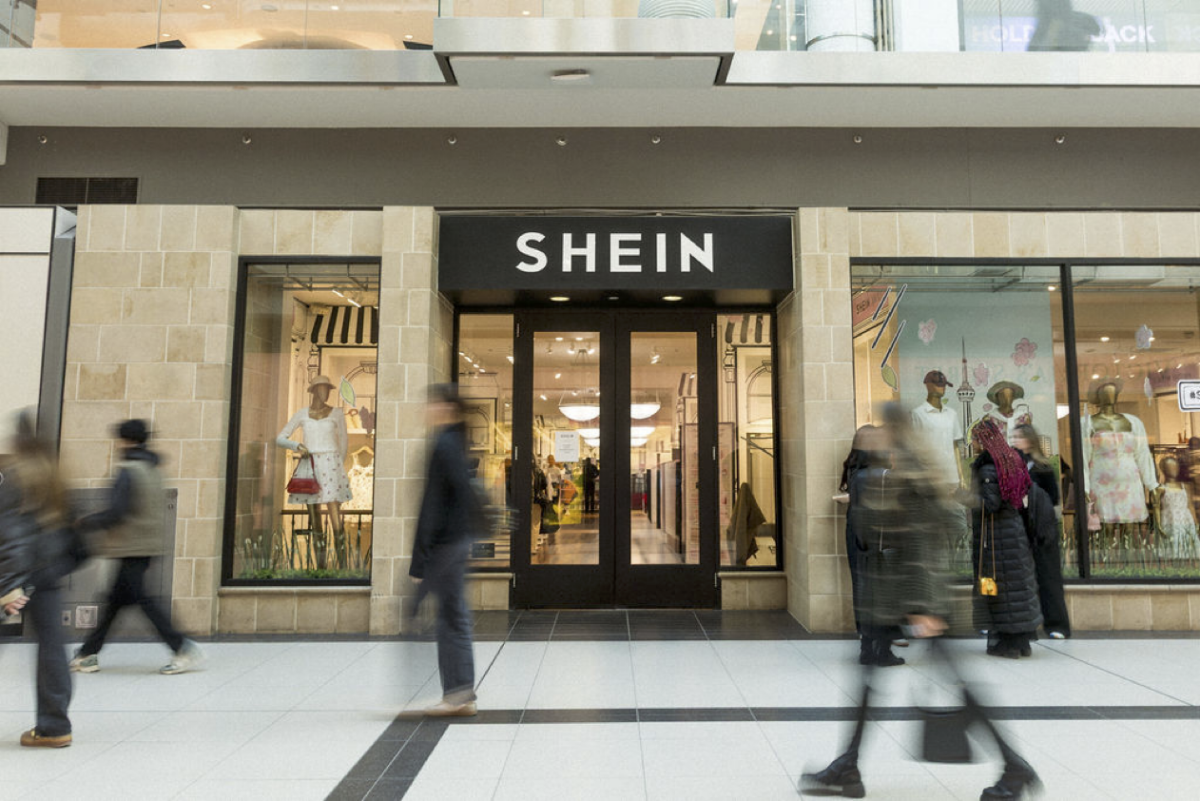
Former SHEIN pop-up at CF Toronto Eaton Centre. Image: SHEIN
SHEIN Expands Canadian Pop-Up Strategy
The Queen Street West concept is part of a growing pattern of Canadian activations for SHEIN over the past two years.
From Vancouver to Toronto to Montreal, the company has steadily expanded its physical footprint through temporary retail engagements in major urban markets. In April 2026, SHEIN launched a Spring/Summer activation at Metropolis at Metrotown in Burnaby featuring multiple trend installations and interactive experiences. Earlier this year, the retailer also operated a pop-up at CF Toronto Eaton Centre centred on brands including Dazy and SHEGLAM.
Additional Canadian concepts have included a Vancouver pop-up on Granville Street that reportedly drew large crowds in 2024, a holiday-focused activation at Square One Shopping Centre in Mississauga, an Ottawa event tied to activewear and lifestyle merchandise, and a multi-level Montreal pop-up.
Across the various Canadian markets, the company has maintained a relatively consistent operating approach built around limited-time engagements, rotating merchandise assortments, exclusive in-person promotions, and strong integration with TikTok and Instagram-driven marketing strategies.
The frequency and scale of the activations suggest Canada is becoming an increasingly important market within SHEIN’s broader North American growth and visibility strategy.
Queen Street West Continues Its Retail Transformation
SHEIN’s arrival at the former Zara location also reflects the continuing evolution of Queen Street West and other major urban shopping corridors.
For years, the area was defined by large-format international retailers operating traditional flagship stores designed around long-term occupancy, substantial inventory, and steady downtown foot traffic. Today, many retailers are reassessing those models as e-commerce competition, shifting consumer behaviour, and changing downtown dynamics reshape urban retail economics.
At the same time, temporary retail concepts have become increasingly attractive for brands seeking flexibility and visibility without the long-term commitments associated with permanent storefronts. Pop-ups now frequently function as marketing vehicles, media backdrops, and experiential brand environments alongside their retail purpose.
The contrast between Zara’s former long-term presence and SHEIN’s temporary activation highlights how quickly the retail landscape continues to evolve. Physical retail spaces are increasingly being designed not only for commerce, but also for content creation, community engagement, and digital amplification.
For Queen Street West, the activation offers another glimpse into how prominent retail spaces may continue adapting during a period of significant transition for Toronto’s downtown shopping environment.
SHEIN’s Toronto Summer Trends Pop-Up will open to the public from May 28 to May 31 at 341 Queen Street West.
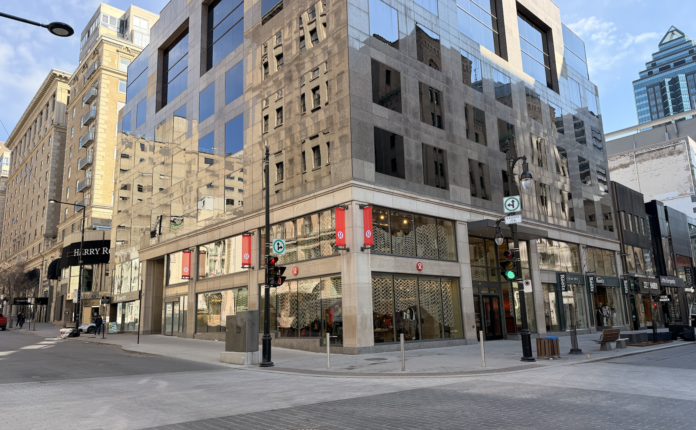
Lululemon at 1035 Ste-Catherine O in Montreal. Photo: Maxime Frechette
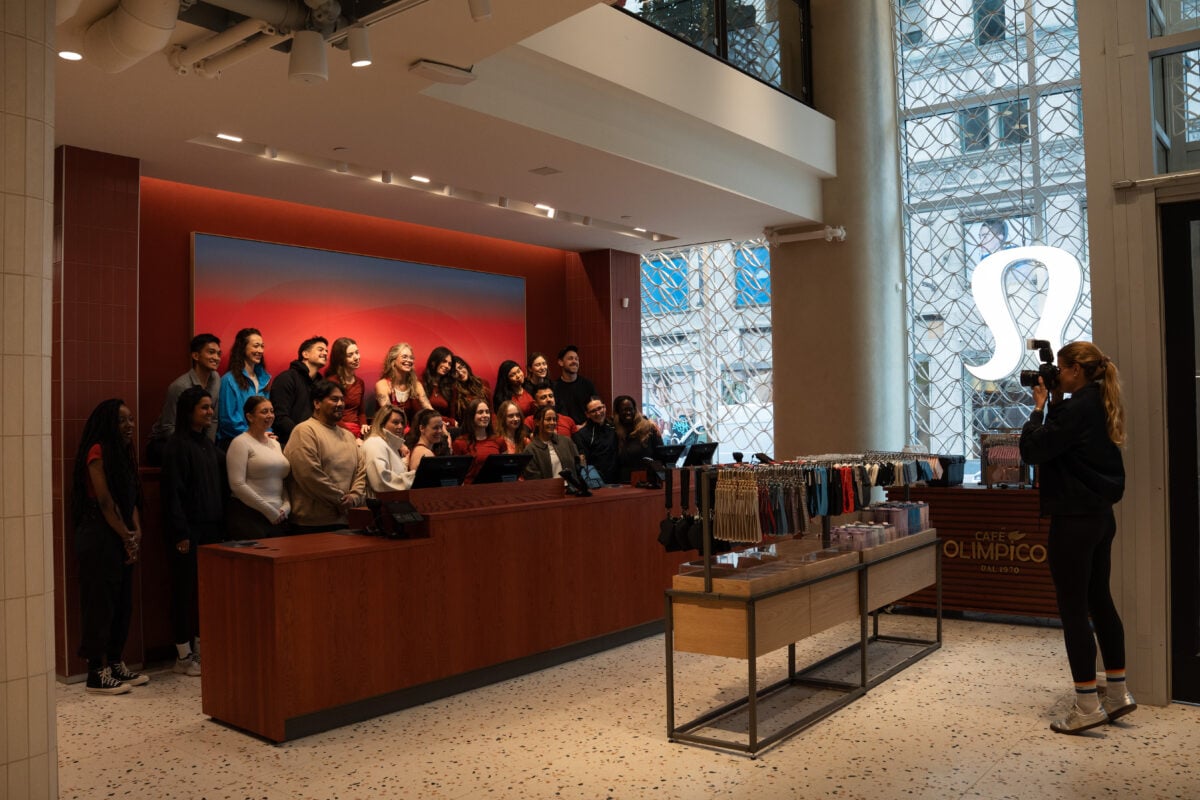
Canadian activewear giant lululemon has unveiled a new two-level downtown Montreal store at the high-profile corner of Sainte-Catherine and Peel Streets, opening one of the company’s largest and most design-focused Canadian locations to date in the Marine Building.
Located at 1035 Sainte-Catherine Street West, the new store spans approximately 11,600 square feet across two levels and replaces lululemon’s previous Sainte-Catherine Street West location, which had operated nearby for 16 years. The larger footprint allows lululemon to expand product presentation across women’s and men’s apparel, footwear, and accessories tied to categories including yoga, running, training, and everyday movement.
The intersection is among Montreal’s busiest and best-known shopping corners, benefiting from significant pedestrian traffic, direct access to the Underground City network, and proximity to office towers, hotels, universities, and tourism destinations. The surrounding corridor has also seen renewed leasing momentum in recent years as major retailers continue reinvesting in downtown Montreal retail.
The opening additionally fills a highly visible retail space that had sat mostly vacant since the closure of an American Eagle store during the pandemic era, further reflecting renewed demand for major retail corners along Sainte-Catherine Street West.
lululemon Ste-Catherine’s Street Opening Weekend, Credit: Studio Nido
Store Design Draws Inspiration From Vancouver and Montreal
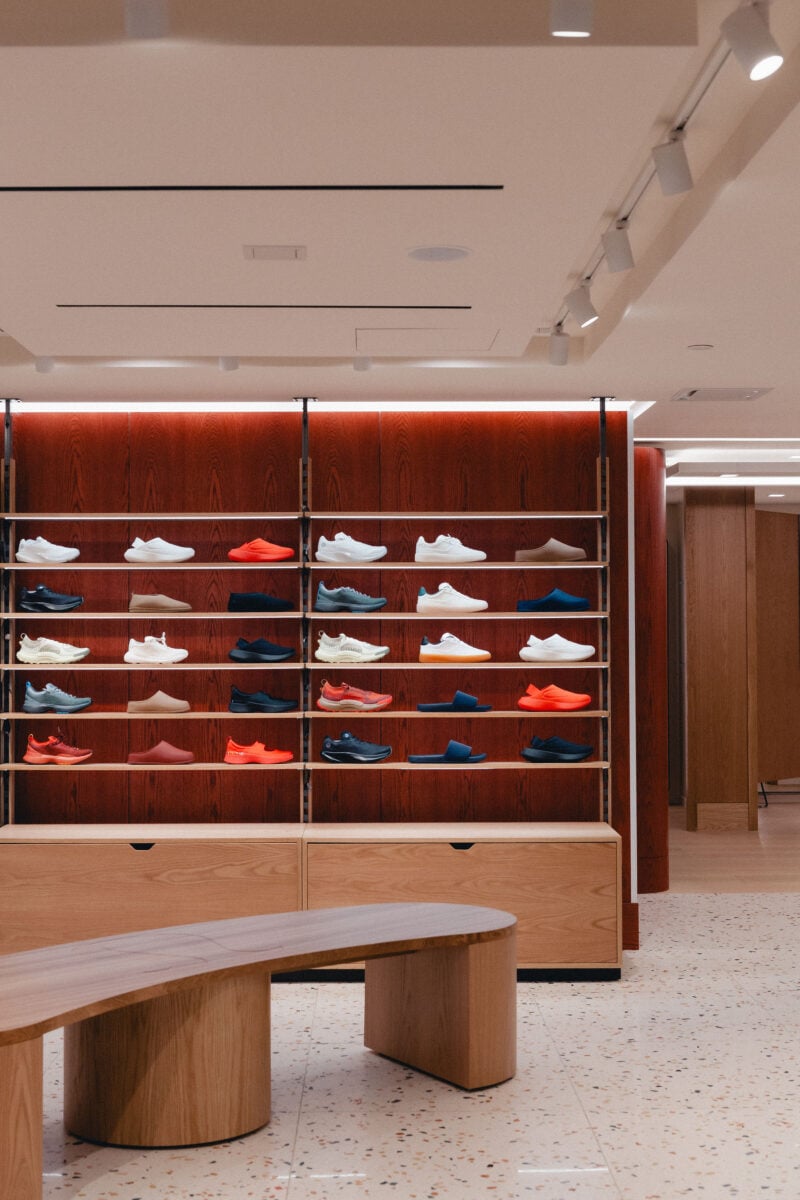
The new Montreal store incorporates references to lululemon’s Pacific Northwest origins while embedding design details tied specifically to Montreal. Visitors entering the space encounter a softer Pacific Northwest-inspired colour palette accented with touches of cedar red. Natural textures and lighter tones create a warmer atmosphere than many traditional athletic apparel stores.
As shoppers move toward the second floor, wall treatments inspired by the mountainous landscapes surrounding Vancouver create a visual transition between levels.
Throughout the storefront, mesh design elements create movement across the windows while showcasing the phrase “VIVRE EN MOUVEMENT,” a localized message connecting the environment to Montreal.
One of the store’s most distinctive architectural features is a curved element on the second floor that designers affectionately nicknamed “the croissant” during the development process because of its shape.
The location also includes a commissioned artwork by Montreal artist Jason Cantoro positioned behind the cash area. Additional localized design moments throughout the store serve as an ode to Montreal and reflect characteristics associated with the city’s identity and culture.
The overall result is a retail environment intentionally tailored to Montreal rather than replicated from another market.
Premium Retailers Continue Investing in Experiential Urban Stores
The Montreal opening reflects broader changes occurring across premium retail, where brands are increasingly using larger urban stores to immerse shoppers in storytelling and experiential retail environments.
For premium retailers, store design has increasingly become part of the brand experience itself. Architecture, localization, and merchandising are playing larger roles as brands attempt to strengthen emotional connections with consumers and encourage longer in-store visits.
That trend has become especially visible in major urban markets where retailers are investing in larger-format stores functioning as both shopping destinations and brand showcases. The larger store format also provides additional space for footwear presentation, an increasingly important category for lululemon.
Executives at lululemon recently discussed the company’s evolving store strategy during its March 2026 earnings call, emphasizing larger-format store “optimizations” in influential cities, elevated presentation, localized merchandising, and enhanced guest experiences.
The company also noted that its largest stores generate productivity levels above the fleet average. lululemon executives additionally described the company’s updated store approach as featuring reduced product density, clearer activity-based merchandising, and improved navigation for guests.
The Montreal location aligns with that evolving retail direction.
lululemon Ste-Catherine’s Street Opening Weekend, Credit: Studio Nido
Montreal Continues lululemon’s Canadian Urban Store Evolution
lululemon’s investment in Montreal follows a series of major urban store projects across Canada over the past decade.
The strategy evolved through the expansion of lululemon’s Vancouver flagship at the southeast corner of Robson and Burrard Streets, which first opened in 2014 before expanding into adjacent space and reopening in an enlarged format in 2022.
More recently, lululemon opened a major store at the intersection of Yonge and Bloor Streets in Toronto in June 2024, further reflecting the company’s focus on prominent urban retail corridors and larger-format environments.
The Montreal location continues that strategy, combining elevated design, localization, and expanded retail space within one of Canada’s most important downtown shopping districts.
The company has also emphasized localization and community-driven retail environments globally, including newer stores in Soho in New York and Gangnam in Seoul.
Continued Investment in Quebec and Canada
The opening brings lululemon’s Quebec store count to eight locations and reflects continued investment in both the Quebec market and Canadian physical retail more broadly.
The retailer continues to expand internationally while refining and upgrading its North American fleet through relocations, renovations, and larger-format store optimizations. During its March 2026 earnings call, the company said it plans to complete approximately 35 store optimizations globally this year in addition to opening new locations.
Despite broader caution in some areas of North American retail, lululemon continues investing heavily in premium urban retail environments and experiential stores as part of its long-term growth strategy.
In Montreal, that strategy now takes shape through a store designed as both a retail destination and a localized expression of the brand itself.
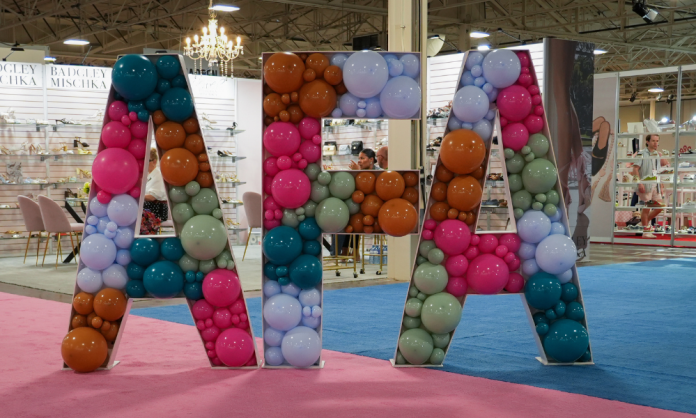
Retailers across Canada are being encouraged to mark their calendars as the Association of Footwear and Apparel Canada prepares to host its next industry event this summer — United in Style S/S 2027.
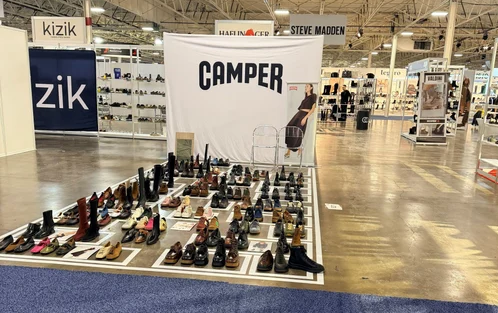
The United in Style by AFA Canada trade show will take place at the Toronto Congress Centre from August 11 to 13, bringing together brands, retailers, and industry professionals for a multi-day gathering focused on business development, product discovery, and forward-looking insights. As in past editions, the event is expected to attract a broad cross-section of the Canadian footwear and apparel sector, with a focus on fostering connections and supporting growth across the industry.
While the August timing places the show firmly within the current retail calendar, attention is already turning to what comes next. Early direction for Spring/Summer 2027 collections is beginning to emerge, offering retailers a glimpse into the tone and mood that will shape future assortments.
Photo: AFA United in Style
Initial indications suggest a season defined by lighter palettes and a more expressive approach to colour. Soft pastels are expected to sit alongside brighter accents, creating a balanced mix that reflects both optimism and versatility. At the same time, there is growing interest in texture and material contrast, with brands exploring ways to add depth without compromising wearability.
Silhouettes are also expected to evolve, with a continued emphasis on ease and adaptability. Retailers can anticipate collections that are designed to move fluidly across occasions, reflecting ongoing shifts in how consumers approach both work and leisure dressing. This adaptability remains a key theme as brands respond to changing lifestyles and purchasing behaviours.
For retailers, the AFA Canada August 2026 show provides an opportunity to engage with these emerging directions in a meaningful way. Beyond product, the event serves as a platform for conversation, allowing industry participants to exchange ideas, identify opportunities, and better understand the forces shaping the market.
As the industry continues to navigate a complex and evolving landscape, events such as this play an important role in maintaining alignment across the sector. The August gathering will offer both a practical and forward-looking perspective, helping retailers prepare for the seasons ahead.
More details on programming and participating brands are expected to be released in the coming weeks. Visit the website for more information.
“Our first quarter results reflect the enduring strength and resilience of grocery-anchored real estate,” said Blair Welch, Chief Executive Officer of Slate Grocery REIT. “We completed over 725,000 square feet of leasing at double-digit rental spreads, highlighting the embedded growth and pricing power within our portfolio. With rents that remain meaningfully below market, a stable balance sheet, and sustained demand for high-quality grocery spaces, we believe we are well-positioned for continued strong performance.”
Rental revenue grew to $59.322 million US in the quarter, an increase of 11.8% from a year ago.
In a letter to unitholders, Welch described the quarter as strong with sustained high leasing volumes at double-digit rental spreads driving continued Net Operating Income growth.
“The REIT completed over 725,000 square feet of total leasing throughout the quarter, achieving strong rent growth on new and renewed leases. Renewal spreads were completed at 18.9% above expiring rents, and new deals were completed at 49.0% above comparable average in-place rent,” he noted.
Blair Welch
“Portfolio occupancy at quarter-end remained stable at 94.4%, and we expect our robust pipeline of new leasing opportunities to support continued steady occupancy over the coming quarters.
“High leasing volumes at double-digit rental spreads over the last several quarters are continuing to translate into healthy NOI growth for the REIT. Adjusting for completed redevelopments, same-property NOI increased by 2.1% or $3.5 million on a trailing twelve-month basis.
“The REIT’s average in-place rent of $12.98 per square foot remains well below the market average of $24.591, providing meaningful runway for continued rent increases.”
Welch said the REIT continues to have a strong conviction in the enduring strength and resilience of grocery-anchored real estate.
“Fundamentals in the grocery sector remain favorable, with elevated construction costs and tight lending conditions continuing to limit new retail development and overall retail availability. Today, the vacancy rate for grocery-anchored properties sits at just 4.0% , underscoring the structural undersupply that continues to define the sector. This dynamic translates directly into pricing power for landlords, creating an environment that supports tenant retention and meaningful increases in rent as leases expire,” he said.
“Grocery-anchored retail remains well-positioned, and we believe these fundamentals, combined with the resilience of consumer spending on food and essential goods, underscore the longterm stability of our portfolio.”
System-wide sales across Quick Service Restaurants totalled $19.3M in the first quarter of fiscal 2026, up 80.4% versus the same quarter last year (2025 – $10.7M). The increase is attributed to organic baseline restaurant growth, alongside increased restaurant count, which reached 87 operating restaurants at the end of Q1 2026, up 74.0% versus 50 in the prior year.
Total operating revenues, services, interest income and rebates totalled $6.0M in the first quarter of fiscal 2026, up 82.2% versus the same quarter last year (2025 – $3.3M). Year-over-year growth was driven by continued sales growth in QSR, multiple business acquisitions in the past twelve months, and net new restaurants (10 new openings in Q1).
Total product sales totalled $4.7M in the first quarter of 2026, up 70.3% versus the same quarter last year (2025 – $2.8M). In addition, royalties and franchise fee revenues reached $0.97M during the quarter, up 118% from the prior year (2025 – $0.45M), which was driven by an increase in royalties collected from added franchised restaurants in the system.
Adjusted EBITDA was $(0.17M) or (2.9%) in the first quarter of fiscal 2026 versus $0.14M or 4.2% in the same quarter last year.
Total cash and cash equivalents remain healthy at $6.2M as of March 31, 2026 (2025 – $3.0M).
As of April 30, 2026, subsequent to fiscal 2025, the Company has opened and is operating 17 additional restaurants.
“Happy Belly continued to deliver strong growth in the first quarter of fiscal 2026, with system-wide sales across our Quick Service Restaurant portfolio increasing 80.4% year over year to $19.3 million. This growth reflects continued organic baseline restaurant performance, the contribution of recent acquisitions, and the expansion of our operating restaurant base to 87 locations at quarter end, up 74.0% from the prior year,” said Sean Black, Chief Executive Officer of Happy Belly Food Group. “During the quarter, we opened 10 new restaurants, further demonstrating the strength and repeatability of our growth model. Subsequent to quarter end, we continued that momentum, with 7 additional restaurants opened and operating. This continued expansion reinforces the demand for our brands and the effectiveness of our area developer and franchise platform.
Sean Black
“Total operating revenues also increased 82.2% year over year to $6.0 million, while total product sales increased 70.3% to $4.7 million. Importantly, royalties and franchise fee revenues grew 118% to $0.97 million, driven by the continued expansion of franchised restaurants across our system. This is a key metric for us as we scale towards 100+ operating locations in the first half of this year. As our restaurant footprint grows, these higher-margin revenue streams become an increasingly important contributor to our financial profile.
“With $6.2 million in cash at quarter end, and less than $60,000 in total secured debt, we remain well positioned to continue executing our strategy without having to slow down. We are proud of the progress made in Q1 2026 and remain focused on disciplined growth, operational execution, and scaling Happy Belly as a leading acquirer and operator of emerging food brands. Our expanding franchise system provides increased royalty and franchise fee revenues providing a strong foundation for long-term shareholder value creation. Moving forward in 2026 we anticipate delivering significant organic growth, surpassing our original expectations for the full year. With cash in the bank, building the business in the back half of 2026 is going to be a lot of fun”.
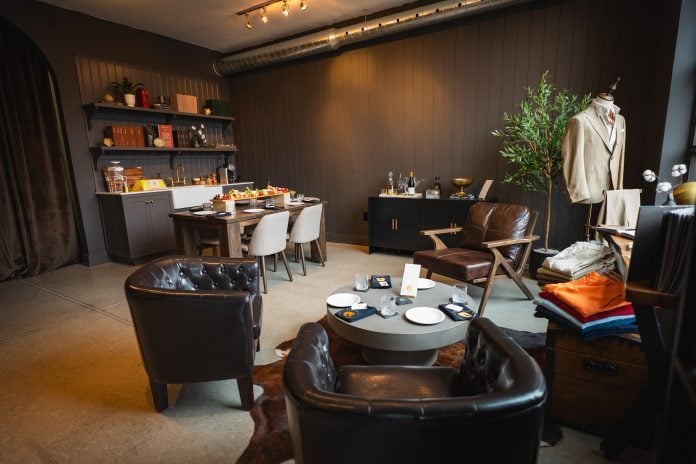
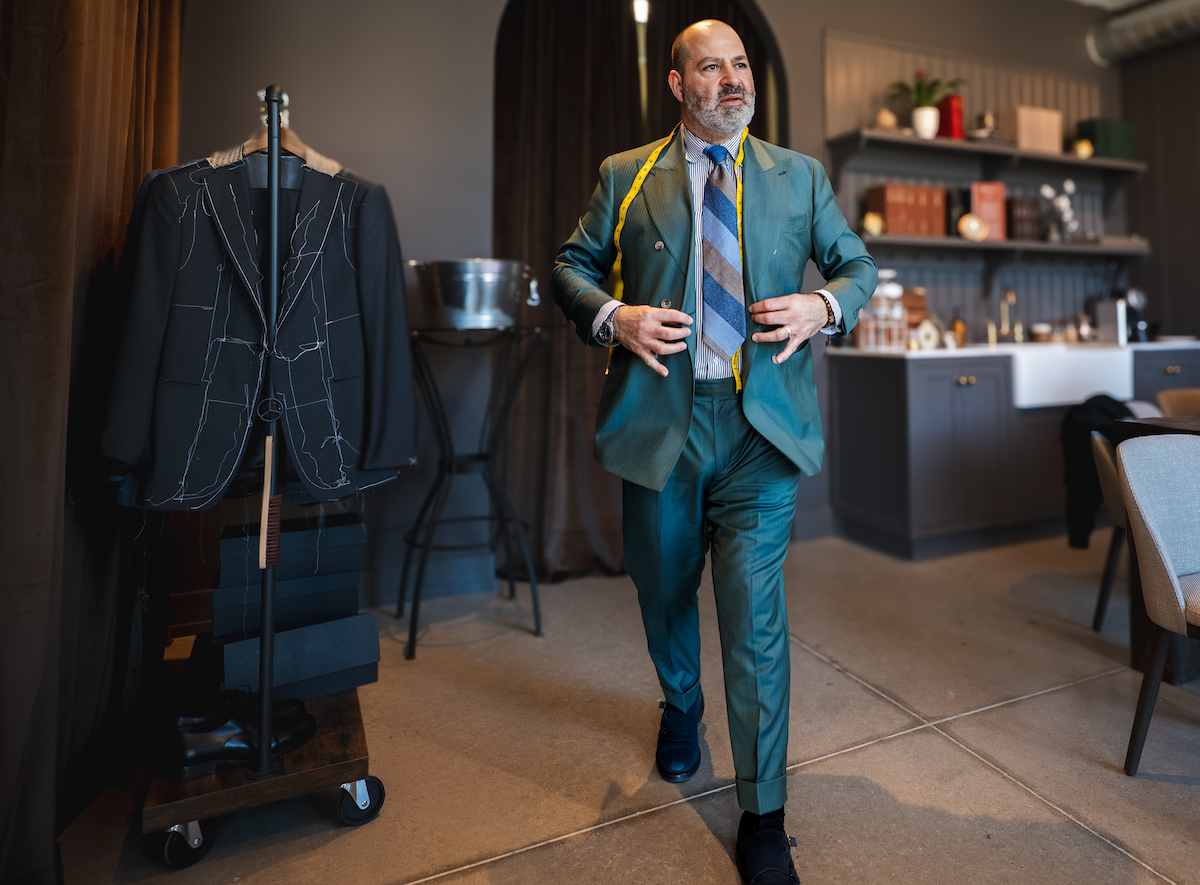
Cavallo Custom Clothing studio in Toronto. Image supplied
Toronto’s custom menswear landscape is seeing a new, highly personalized entrant with the launch of Cavallo Custom Clothing, founded by industry veteran Domenic Esposto. Operating out of a compact, appointment-only showroom in Etobicoke, the concept blends traditional European tailoring with an experiential retail model rooted in hospitality and relationship-building.
Esposto describes the 500-square-foot space as intentionally intimate, designed to feel more like a home than a store. “It’s very cozy, very welcoming,” he said in an interview, noting that the layout allows clients to fully experience the environment upon entry.
A Tailoring Experience Built Around Clients
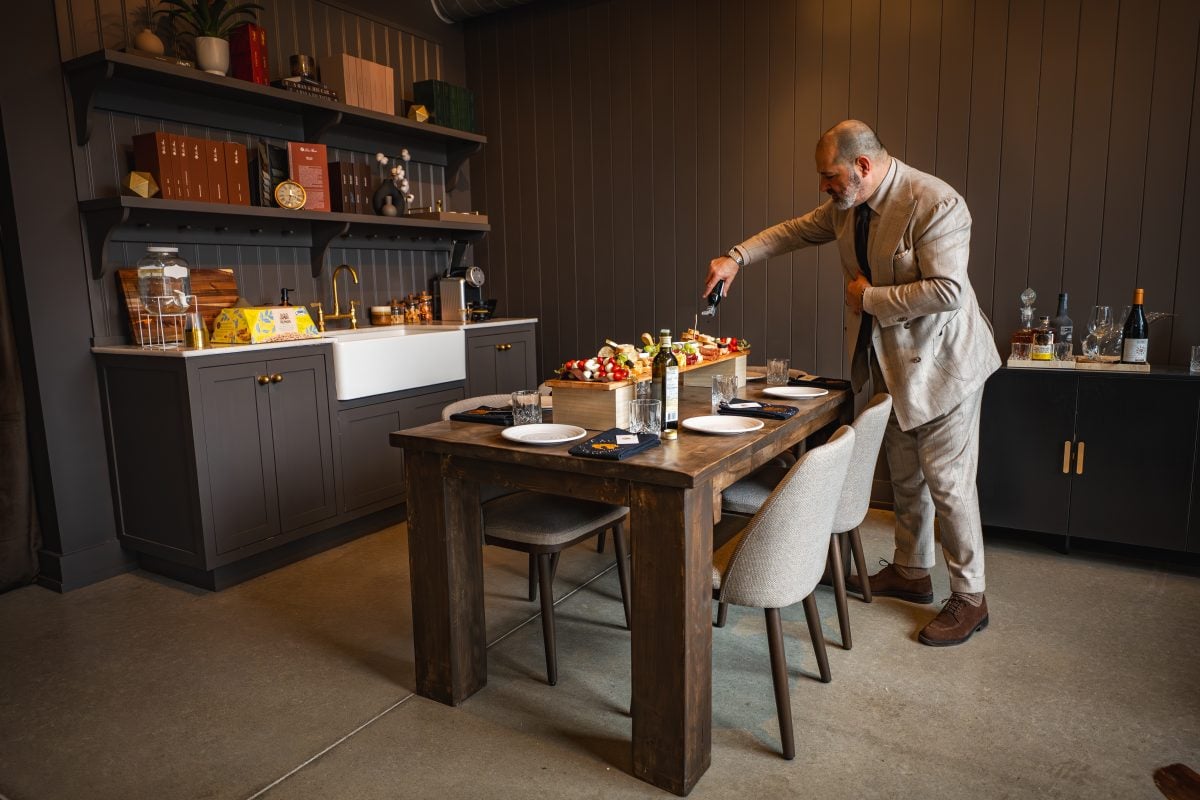
The showroom functions as more than a retail environment. It serves as a private venue where clients can engage in fittings, consultations, and social gatherings. Esposto regularly hosts bridal parties and group fittings, transforming the space into a catered experience complete with food and beverages.
“The space is theirs,” he explained. “There’s no rush, no pressure. It’s about creating an environment where people feel comfortable.”
This approach reflects a broader shift in luxury retail, where experiential engagement is becoming as important as the product itself. Esposto has incorporated a bar setup and multi-purpose dining table to support this concept, positioning Cavallo as both a tailoring studio and a social hub.
Domenic Esposto in the Cavallo Custom Clothing studio in Toronto. Image supplied
European Craftsmanship Anchors the Offering
At its core, Cavallo Custom Clothing focuses on made-to-measure garments produced in Europe, with manufacturing partners in Italy and Spain. The offering spans tailored suits, outerwear, knitwear, footwear, and select casual pieces, all crafted using fabrics sourced primarily from Italian and British mills.
Esposto emphasized the importance of quality and heritage in the product mix. “It’s full tailored clothing, from outerwear to shoes. Everything is made to measure and built around the client,” he said.
While the business is currently centered on bespoke services, Esposto plans to introduce limited ready-to-wear capsules in the future. These collections will complement the custom offering while maintaining the brand’s elevated positioning.
Expanding Beyond Menswear
Although Cavallo is rooted in menswear, the brand also offers a women’s made-to-measure program. Using the same fabrics and manufacturing processes, the women’s line includes tailored suiting developed from proprietary fit specifications.
“There is a full ladies made-to-measure program,” Esposto noted, adding that early interest has already emerged from clients seeking tailored alternatives in women’s fashion.
From Industry Veteran to Entrepreneur
Esposto brings more than 25 years of experience in luxury menswear to the venture. His career includes senior roles at major Canadian retailers, where he developed expertise in both operations and client service.
After decades working within established organizations, he launched Cavallo Custom Clothing in 2023, initially operating through home visits and off-site appointments. The decision to open a dedicated showroom followed growing demand and a desire to elevate the client experience.
“I didn’t have four walls at first,” he said. “But as the business grew, it became clear that we needed a home to present things properly.”
Domenic Esposto sets up for entertaining in the Cavallo Custom Clothing studio in Toronto. Image supplied
A Community-Focused Retail Model
Beyond tailoring, Esposto is positioning the showroom as a community gathering space. Plans include hosting wine tastings, client events, and seasonal gatherings such as summer barbecues. Partnerships with local businesses, including Etobicoke-based beverage suppliers, are also part of the strategy.
The goal is to create an ecosystem that extends beyond transactions. “I want it to be a gathering spot,” he said. “It’s about building relationships and bringing people together.”
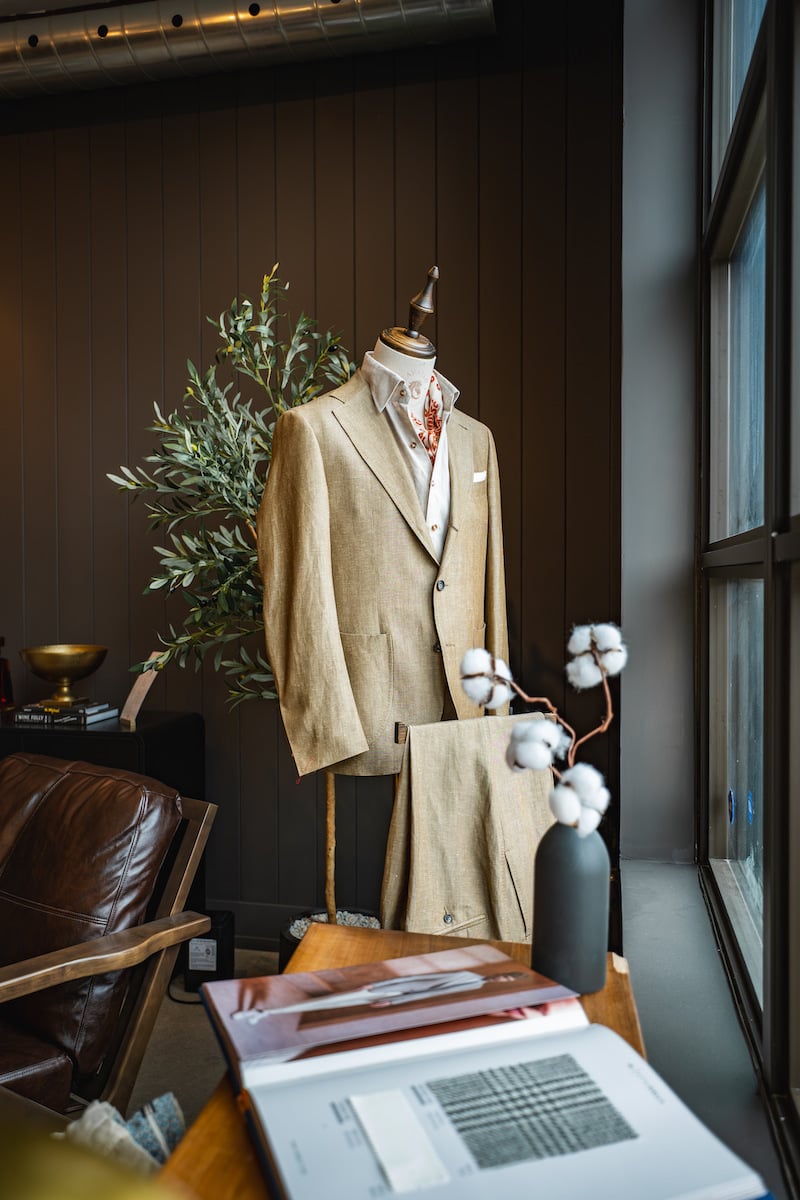
Cavallo Custom Clothing studio in Toronto. Image supplied
Growth Through Localized Expansion
Looking ahead, Esposto sees opportunities for expansion through additional neighbourhood-based locations rather than traditional retail scaling. Potential future spaces in areas such as Yorkville or Burlington could replicate the Cavallo concept with slight modifications, including a broader ready-to-wear component.
“There could be satellite touchpoints in other communities,” he said, noting that each would be tailored to its local market.
Digital growth will also play a role, though Esposto remains cautious about e-commerce for a bespoke business. Instead, he sees digital channels as a way to drive awareness and appointments rather than direct sales.
Embracing Quiet Luxury and Italian Influence
Cavallo’s aesthetic is heavily influenced by Italian tailoring traditions, with a focus on understated elegance and craftsmanship. Esposto points to the concept of “sprezzatura,” or effortless style, as a guiding principle.
“We’re seeing a move toward that timeless, gentlemanly look,” he said. “It’s about subtle details and confidence, not something that screams at you.”
This philosophy aligns with broader trends in luxury fashion, where “quiet luxury” continues to gain traction among consumers seeking refined, enduring style over overt branding.
A Niche Concept in a Changing Market
Cavallo Custom Clothing enters the market at a time when personalization and experiential retail are reshaping consumer expectations. By combining bespoke tailoring with hospitality-driven engagement, the brand offers a differentiated approach within Toronto’s competitive menswear sector.
For Esposto, the focus remains clear. “It’s about creating something personal,” he said. “A place where people feel at home, and where the experience matters as much as the garment.”
Calgary’s retail real estate market demonstrates stability and healthy demand. The vacancy rate has held steady, while average market asking rents have climbed to nearly $30 per square foot, according to JLL’s Q1 2026 Market Dynamics report.
This consistent rent growth reflects ongoing retailer confidence in the market. Net absorption remained positive in 2025 even with the Hudson’s Bay closures. General retail drove absorption, while malls lagged, said the report.
Airdrie and Northwest Calgary were the most popular submarkets for retail expansion. Construction starts and under-construction volume increased significantly, highlighting developer optimism for future demand, it added.
“Overall, Calgary’s retail market offers strong occupancy, rising rents, and measured new supply additions. Anthem Properties and Rencor Developments have secured Costco as an anchor retailer to its 300-acre Bingham Crossing development in Springbank, west of Calgary,” said JLL.
“Meanwhile, Brookfield is developing Livingston Commercial Centre, a 113,000-s.f. daily needs shopping plaza in Northeast Calgary. Calgary’s food & beverage sector continues to gain momentum, reinforcing the city’s position as an emerging dining destination. Recent openings include Foodtastic’s Enoteca Monza at CF Market Mall, while Happy Belly Food Group is bringing iQ Food’s first Western Canada location to the city.
Ron Odagaki
“Beyond dining, Lululemon opened a flagship on 17th Ave. Outlook Calgary is expected to remain a top growth market for household expenditures, with new communities driving retail plaza demand. The city is well-positioned for CUSMA renegotiations, with the Trans Mountain pipeline providing expanded export capacity to non-U.S. markets. Sales of core discretionary goods have outperformed expectations, particularly in home furnishings, clothing & accessories, and jewellery.”
The report said the vacancy rate remains stable at 2.4 per cent − among the lowest in North America. Construction activity surged by 67 per cent, with over 2 million square feet under construction in 2025. New development activity is expected to continue in the foreseeable future. Despite closures, the market posted positive net absorption of approximately 360,000 square feet in 2025. Leasing volume increased by 10 per cent in 2025, reaching 1,370,000 square feet.
“We still have a relatively low and stable vacancy rate. I think that’s what’s driving demand, and the lack of supply of retail spaces is keeping rental rates up and keeping demand up as well, he said.
“Calgary’s fundamentals in terms of retail and consumption, and new businesses looking at Calgary as a market to expand into, are strong. Calgary has fundamentals that are attractive to a lot of retailers, existing or new entrants, and I believe that will continue in the foreseeable future. We’re probably one of the stronger markets in the country, with a very rosy-looking future relative to what’s happening elsewhere. Because of that, Calgary continues to be a focal point for retailers entering Canada or expanding from other provinces.”
Odagaki said there’s been a transition to value-conscious retail.
“If you look at grocery, dollar stores, thrift stores, those segments are doing well. There’s also been an uptick in discretionary spending in what I’d call “sweet rewards”—sweet treats, desserts, things like that. That part of the food sector in Calgary has seen an increase in sales,” he said.
“We are getting a lot of calls from retailers seeking to capitalize on the resurgence and new stability of the downtown. Overall, when you include the Beltline as part of the larger downtown core, and the residential coming in, it’s creating a stabilizing effect for the inner city. There’s optimism around a new benchmark in terms of return to office and regular workweeks. That’s reflected in increased traffic and optimism from retailers, including fast food operators, looking to expand downtown.
“I think retail in Calgary is still stable. The influx of residents might be slowing down, but we’re still probably one of the cities leading the pack. That data continues to support retailers looking at Calgary as a destination for new stores.”
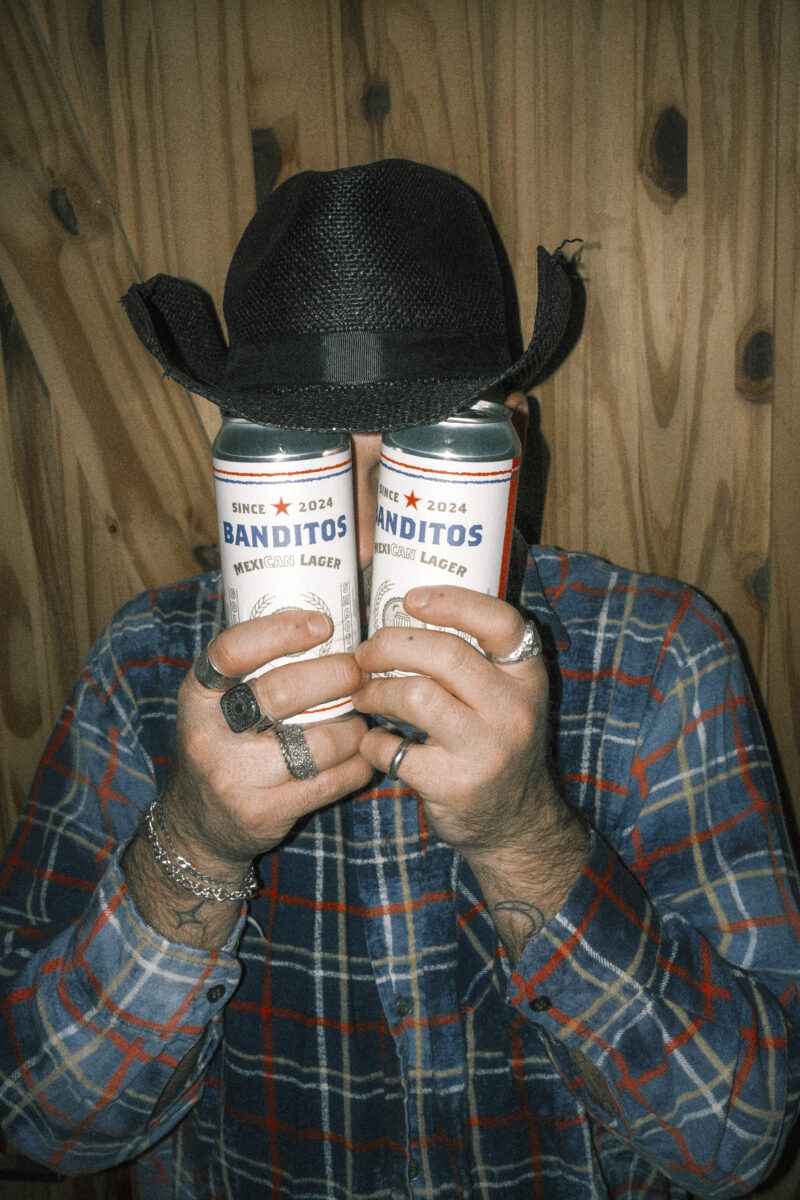
The Toronto-based beer company announced that Kirk will participate in campaigns, activations and other brand initiatives as the company expands its marketing and partnership efforts across Ontario.
Banditos founder Anthony CK Thomas said the partnership is intended to extend beyond a traditional endorsement arrangement as the company positions itself as a challenger brand in Canada’s beer market.
Founded by Thomas, the company said it was created to build a lifestyle-focused brand tied to hospitality, sports and entertainment.
“With growing investments across sports, entertainment and culture, Banditos continues to expand its presence as a lifestyle-driven challenger brand designed to stand apart within Canada’s beer market,” the company said in the release.
Anthony CK Thomas
The company said Kirk’s ties to both Mexico and Canada, along with his path to becoming an MLB all-star, aligned with the brand’s image and growth strategy.
“Alejandro represents a lot of what Banditos stands for,” said Thomas. “He earned everything that came his way. Nothing was handed to him, and that mentality matters to us. We are building a brand that wants to compete, grow and earn the right to blaze its own trail in the market. This goes beyond a traditional partnership. He is someone we want building this with us, side by side.”
Kirk said the partnership appealed to him because of the company’s connection to both countries.
“This partnership felt natural to me right away,” said Kirk. “Being from Mexico and now playing baseball in Canada, it is exciting to be part of a brand that brings those two worlds together. What Anthony and the Banditos team are building feels authentic, and I’m proud to be a part of it.”
The company said the partnership was first teased May 5 through a joint Instagram post announcing Kirk as “the newest member and global ambassador of La Familia Banditos.”
Banditos said the beer is available at LCBO locations, Longo’s stores and select restaurants and bars across Ontario.
The company describes itself as a Canadian-made Mexican-style lager brand founded by Thomas and focused on hospitality, sports, culture and community.
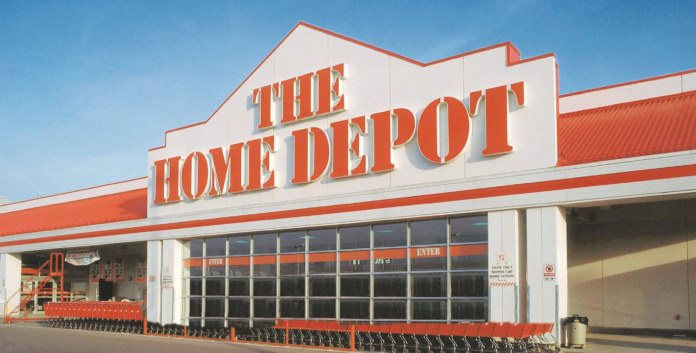
The Home Depot Canada Foundation has launched its annual spring Orange Door Project campaign with a goal of raising $1.3 million to support youth homelessness initiatives across Canada.
The campaign runs to June 14 and will direct funds to 127 local youth-serving organizations in communities where donations are collected, according to the foundation. The organization said the initiative follows its 2025 campaigns, which raised $2.9 million.
Canadians can donate to the campaign in stores or online through OrangeDoorProject.ca. The foundation said all funds raised will remain in the communities where they are collected.
The organization also said it will match all donations made in-store and online on May 23, marking the first time the foundation has offered matching contributions during the spring campaign.
In addition to direct donations, the foundation said customers can support the campaign by purchasing TradeWorx baseball caps, with net proceeds helping fund its TradeWorx initiative.
The program provides skills training and certifications for youth facing barriers to employment and housing, with the foundation saying the initiative partners with organizations across Canada to support more than 200 young people pursuing careers in the skilled trades.
The Home Depot Canada Foundation said its broader strategy focuses on preventing and ending youth homelessness through investments in housing, community supports and employment readiness programs.
The foundation has pledged $125 million in support by 2030.
According to the organization, it invested $12.2 million in grants in 2025, supporting 179 charitable partners and programs that included housing renovation projects, prevention programs, emergency short-term housing initiatives, trades training, and personal and professional development programs.
The foundation also said associates contributed more than 48,000 volunteer hours through its Team Depot volunteer program last year, with all stores participating in community events focused on shelters, housing units and youth centres.