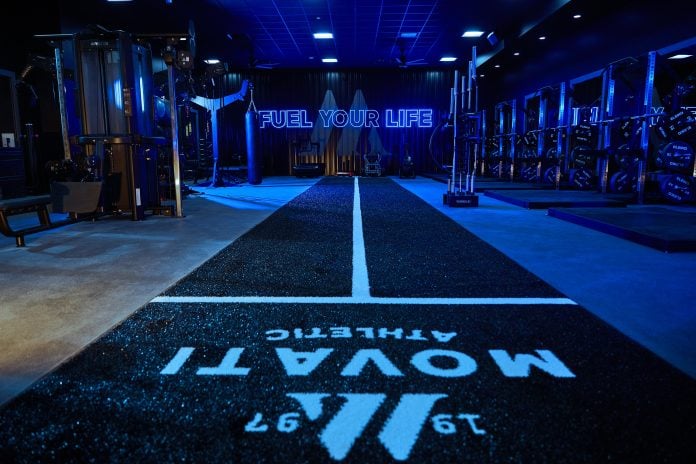
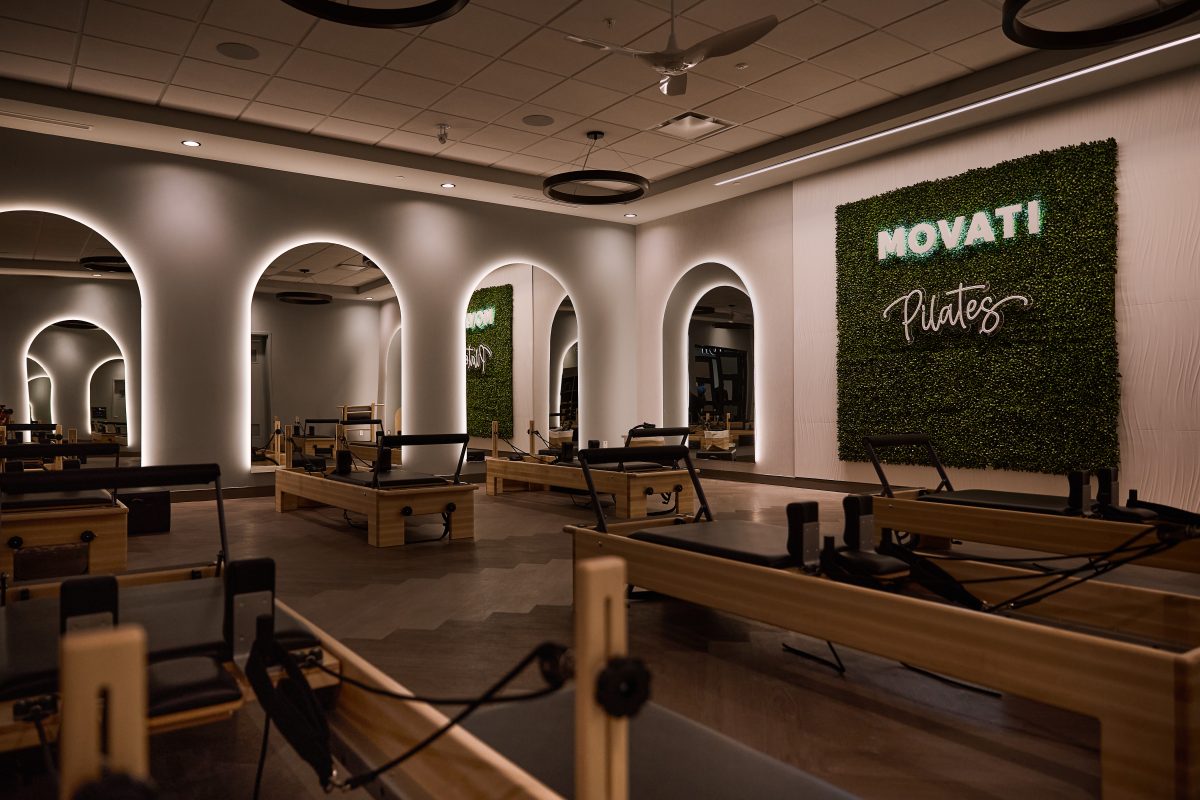
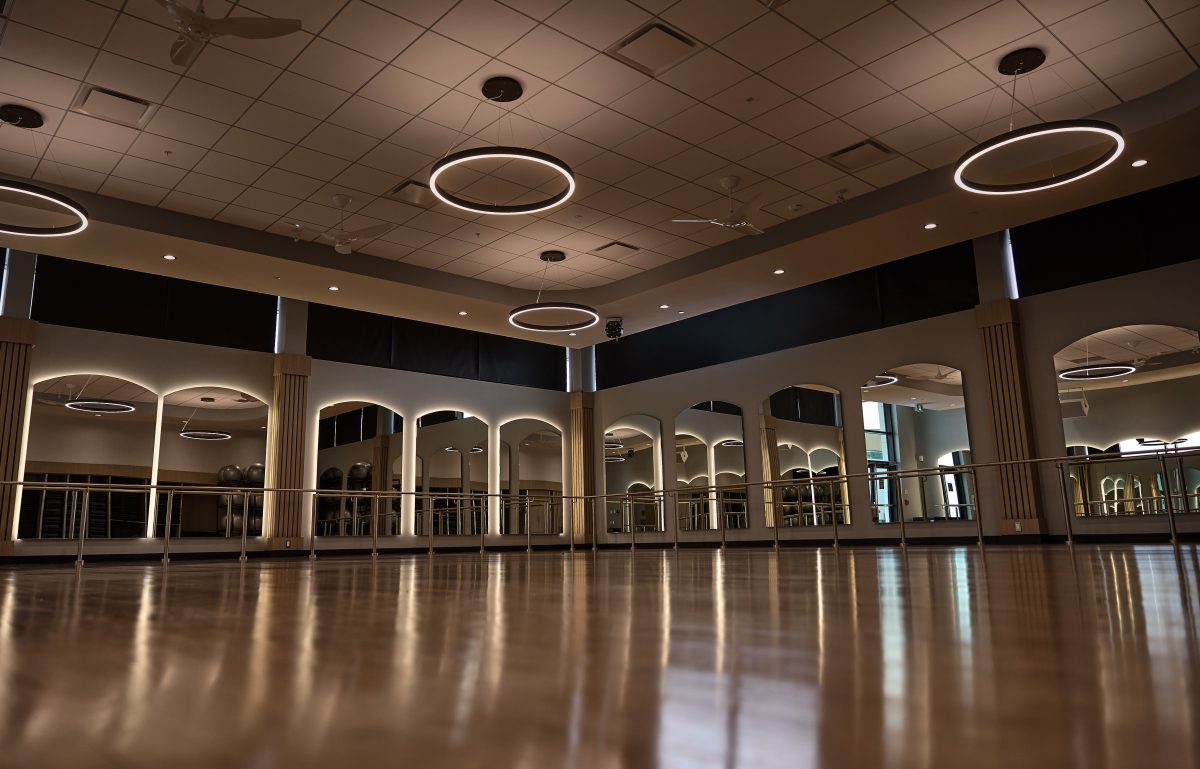
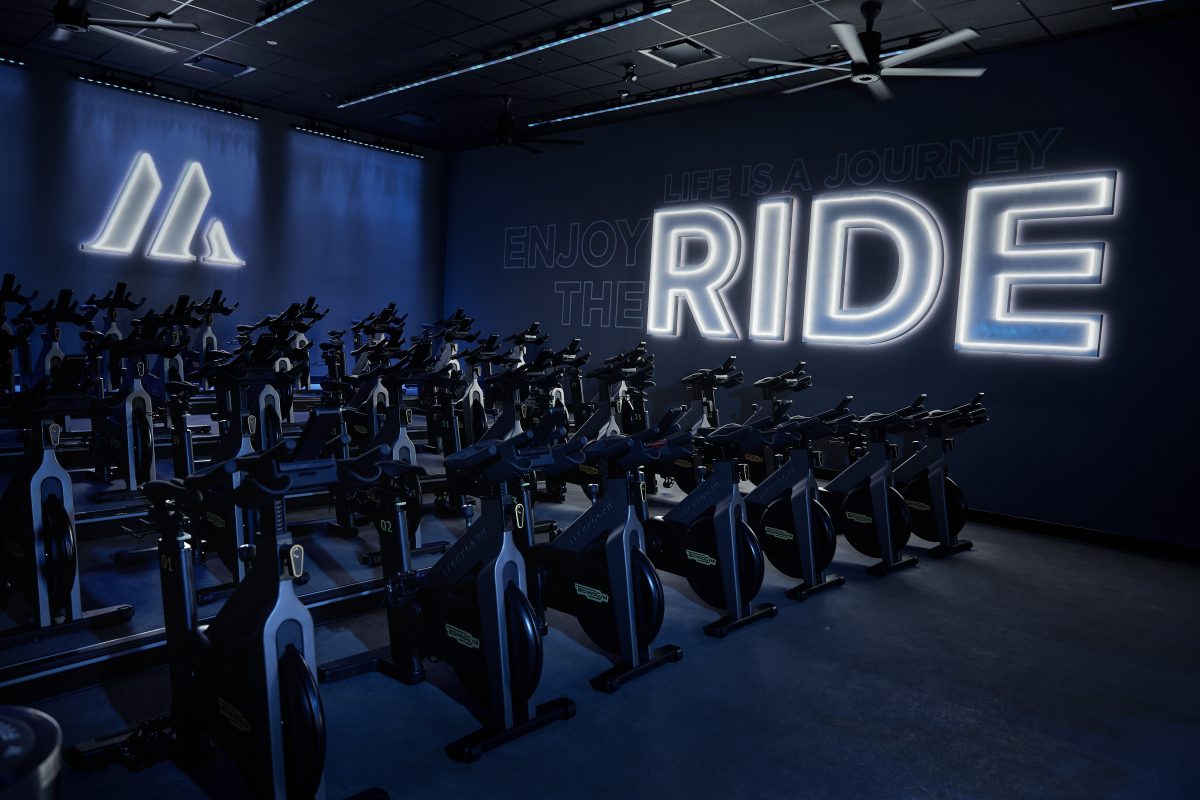
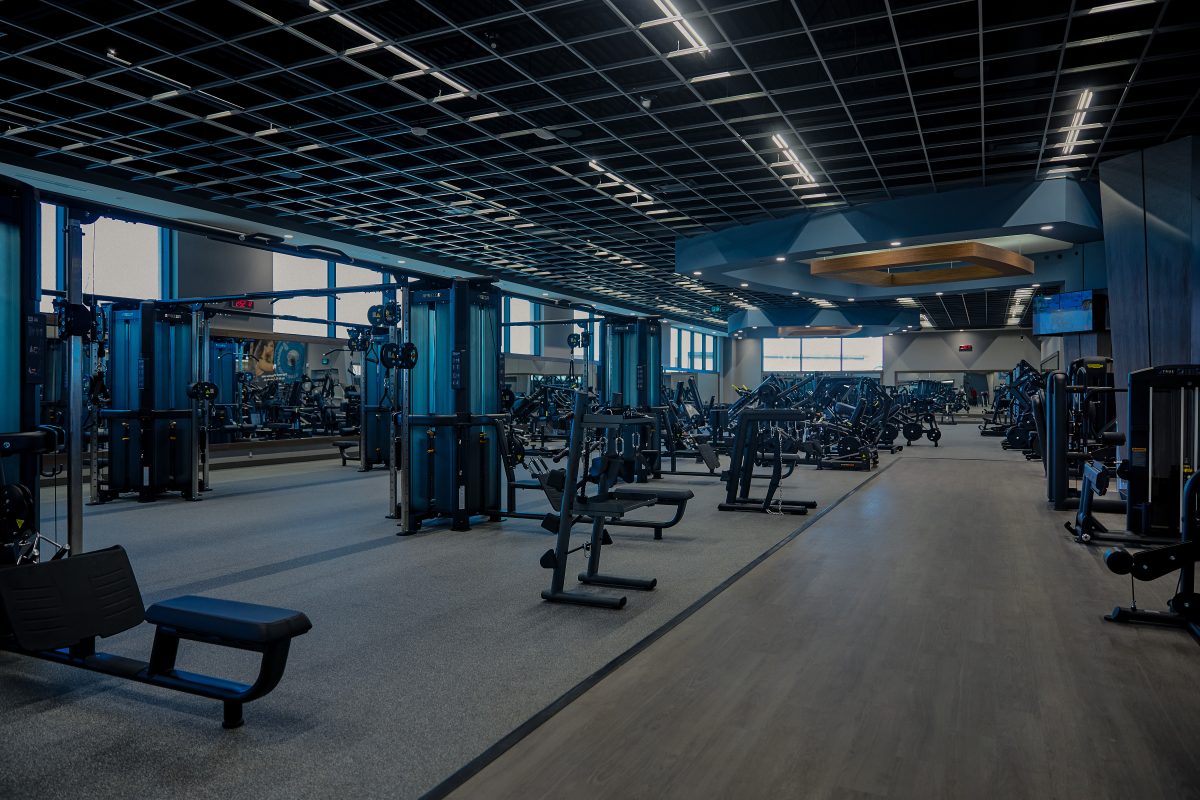
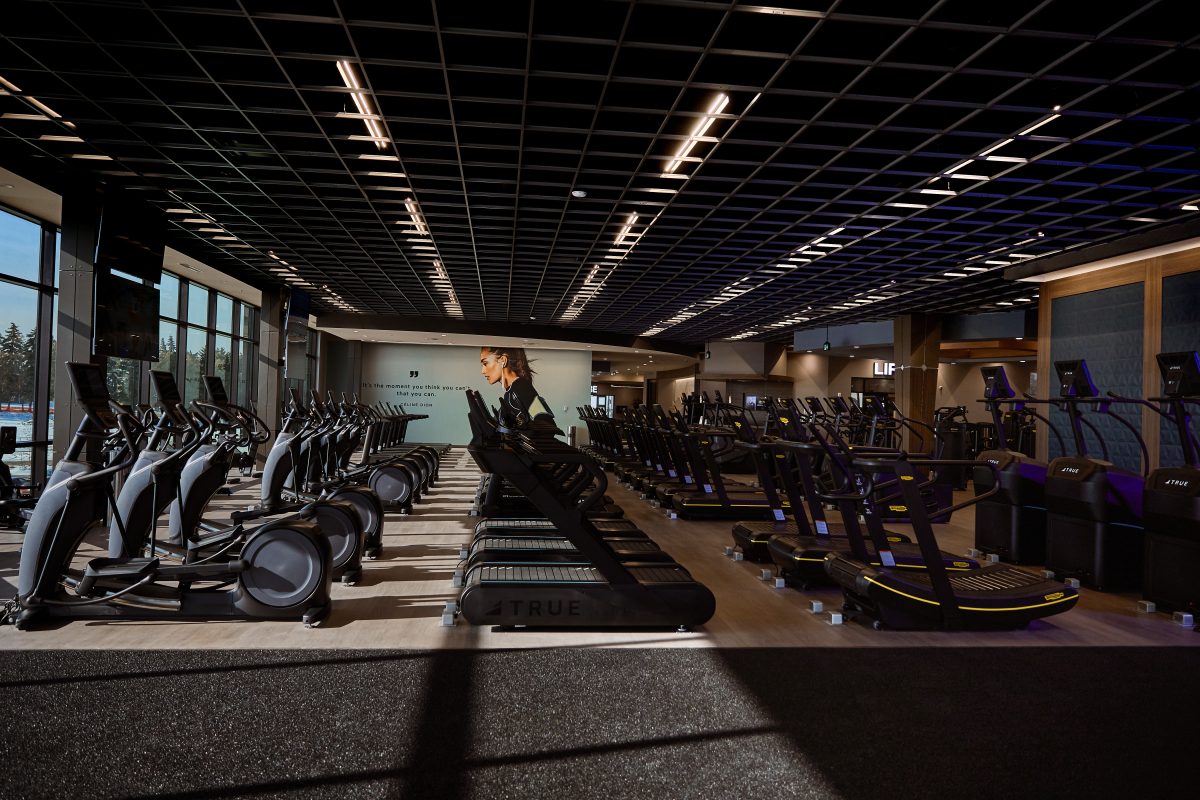
MOVATI Athletic, one of Canada’s fastest-growing premium fitness clubs, has opened its Harvest Hills location at Harvest Hills Market (510 50 Street SW, Edmonton) – its fourth in the market.
“Edmonton has embraced MOVATI from day one, and opening our fourth location here is a proud milestone for our team,” said Chuck Kelly, CEO of MOVATI Athletic. “From Albany to Windermere to Manning, the response from the community has been incredible. Harvest Hills represents our continued commitment to creating spaces where people feel welcome, feel comfortable, and feel healthy.”
Founded in 1997, the company said it is redefining the fitness experience, blending the intimacy of boutique fitness with the luxury and amenities of a full-service club. It has 19 locations across Ontario and Alberta and is poised for continued growth nationally and internationally.
Recently, the brand was named the 2025 Best of YEG Thrive Award Winner for Best Multiple Location or Large Gym/Studio,
“The sprawling, spa-like 71,000-square-foot club features three spacious strength training areas, a large cardio floor and wellness services, including rock saunas, eucalyptus steam rooms, a cold plunge, a hot tub, and a 25-metre lap pool. After a workout, members can unwind in the exclusive M Lounge, a stylish space designed for relaxation and connection,” said the company.
“Joining MOVATI is like having a membership to multiple boutique studios plus a premium fitness club, all included in one membership. MOVATI Harvest Hills features eight dedicated fitness studios: an open-air yoga SKY Studio; HOT Yoga Studio; VIBE multi-purpose Studio featuring anti-gravity, bungee, and Aerial Hoop Fitness; RIDE Cycle Studio with multi-tiered flooring and hi-tech connectivity; MOVE Studio offering an improved Women’s Only experience; FUEL Studio featuring multi-functional training stations for high-intensity cardio and strength workouts.”
The company said members can add additional services to their membership with dedicated Small Group and 1-on-1 Personal Training in the LIFT Studio and Reformer Pilates in a dedicated PILATES Studio. Serene and private wellness services in the Recharge studio offers contrast therapy, red-light, and compression therapy for advanced recovery.
MOVATI said the $25-million investment is more than just about fitness. The new Harvest Hills location has created 115 permanent team positions, delivering a meaningful economic impact to the surrounding community.
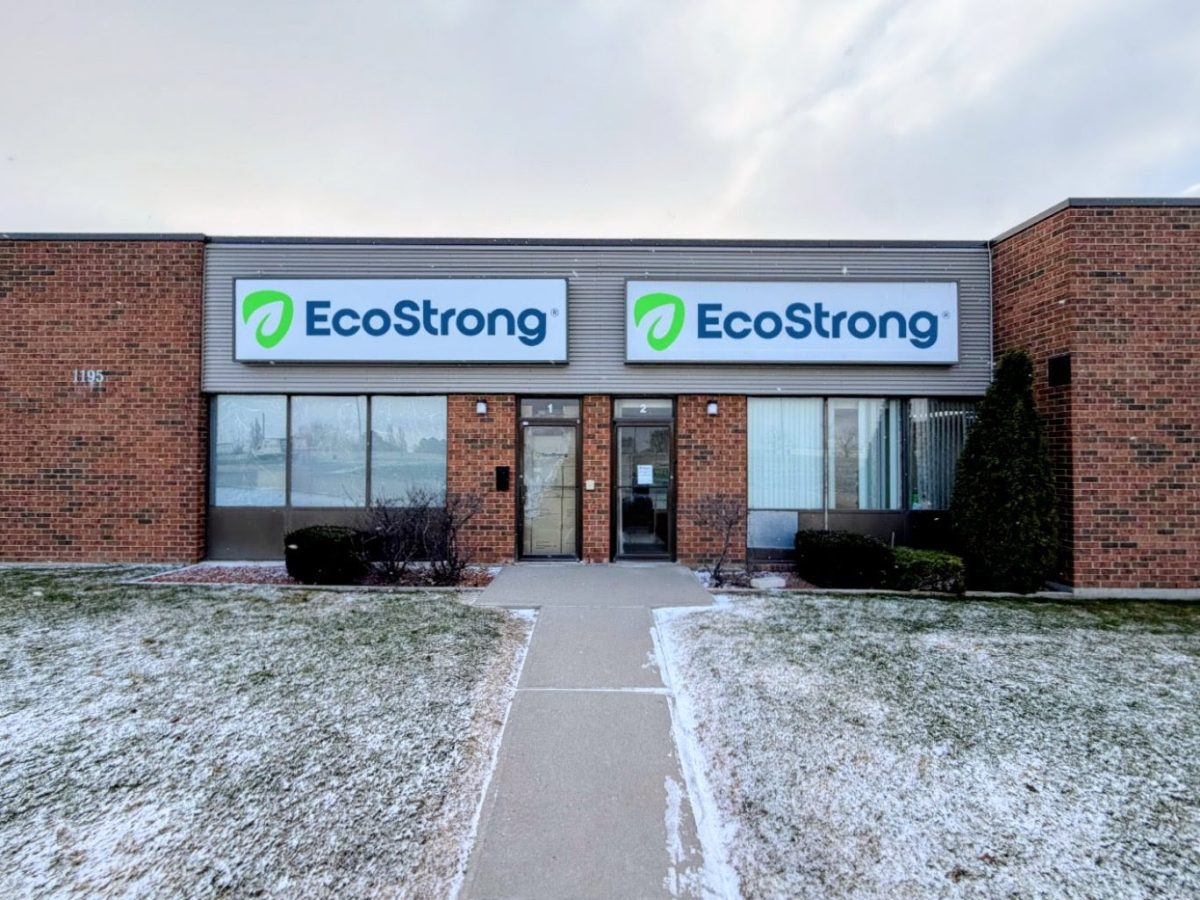
The EcoStrong brand is expanding its retail presence in Canada as its Canadian-made product line — formulated, manufactured and packaged in Cambridge, Ontario — is now available nationwide at PetSmart Canada, through select independent retailers and on Amazon.ca.
EcoStrong said it is the safe, pro-grade eliminator for unrelenting stains and odours — using biology-first, source-targeting formulas so problems are Gone-for-Good, not just covered up. EcoStrong products are formulated, manufactured and packaged in Cambridge, Ontario. The company is family-owned and Canadian-run.
“With so many Canadians intentionally choosing to support Canadian-made products, bringing our manufacturing home was a strategic and deeply meaningful decision,” said Eric Sims, president ofEcoStrong Canada. “EcoStrong is a Canadian-run, family-owned company and we are proud that the products Canadians have grown to love are now made right here at home — for Canadians.”
Sims said the milestone marks a significant moment for the fast-growing brand, which has built a strong following across Canada through online sales but until now manufactured products in the United States.
Eric Sims
The expansion into national retail represents the next phase of EcoStrong’s Canadian growth strategy. The brand has served more than 750,000 customers worldwide since launching in 2018 and continues to see strong repeat purchase rates across its stain and odour elimination categories, said the company.
“Retail expansion is important — but manufacturing in Canada is the bigger story,” said Sims. “We believe Canadian consumers want high-performance products made domestically, and we are committed to investing in Canadian production as we grow.”
All products are produced in EcoStrong’s Cambridge facility using its proprietary biology-first, source-targeting technology.
With more than 70 per cent of Canadian households owning at least one pet, demand for effective and safer cleaning solutions continues to rise. EcoStrong has experienced significant growth across Canada, including 418 per cent year-to-date growth online, it said.
LOVE will manage food and beverage services at Spruce Meadows for sporting events, private events, and public performances. As part of the partnership, the company will introduce menu offerings that showcase regional flavours while delivering an exceptional guest experience, explained Spruce Meadows, which is an iconic, sprawling equestrian facility on the south side of Calgary.
“As Spruce Meadows enters its 51st year of operations and continues to evolve as a year-round sports and entertainment venue, we are delighted to introduce Liberty Oak View Entertainment as a partner with us on the journey. Together we are committed to elevate the fan experience to new heights,” said Linda Southern-Heathcott, President & CEO of Spruce Meadows.
Linda Southern-Heathcott
“Our teams will raise the bar and bring something truly memorable to every event. I invite our guests to come and discover what we have to offer, from family-friendly events to unforgettable concerts, show jumping tournaments, Cavalry FC games, PetFest, the International Christmas Market and so much more.”
Spruce Meadows said hospitality enhancements include redesigned concession concepts, faster service models, and improved point of sale flow, all designed to elevate the event day experience while making food and beverage offerings more accessible.
The partnership reflects its ongoing commitment to its year-round guest experience as the venue continues to expand its programming as the sports and entertainment destination in south Calgary, it noted.
“Spruce Meadows is a world-class destination with a reputation built on quality and attention to detail, and our approach to hospitality reflects that same standard,” said Nick Di Donato, Co-Founder, Liberty Oak View Entertainment. “From day one, our focus is on delivering a food and beverage experience that is intuitive, high-quality, and consistent for every guest.”
Nick Di Donato
LOVE said it is positioned to deliver an intentional, full-service hospitality solution combining creativity, service excellence, and an unmistakable “wow” factor. Managed by leaders from Oak View Group and Liberty Entertainment Group, the partnership launched at Rogers Stadium in Toronto and serves as a platform for transforming venue hospitality nationwide, setting a new benchmark for food, beverage, and premium experiences across Canada.
Liberty Oak View Entertainment (LOVE) was formed in 2025 through a partnership between Oak View Group (OVG) and Liberty Entertainment Group (LEG).
The latest Retail Insider articles explore key shifts in Canadian retail real estate and grocery sectors. Walmart is closing three Montreal stores while investing $150 million in Quebec to focus on larger Supercentre formats. Meanwhile, Canada’s mall redevelopment efforts are hitting significant obstacles due to housing market slowdowns and increased construction costs. Farm Boy celebrates its 52nd store in Collingwood, underscoring continued grocery expansion in Ontario. These developments highlight the sector’s ongoing need to adapt amid economic pressures and evolving consumer demand.
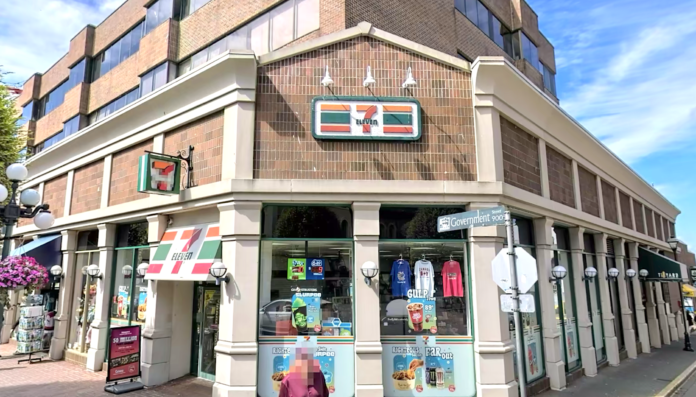
7-Eleven store on Government Street in Victoria BC. Photo: Apple Maps
Seven & i Holdings has announced plans to close 645 7-Eleven locations across the United States, Canada, and Mexico during its 2026 fiscal year, marking a significant shift in strategy for the world’s largest convenience store operator. While the company also intends to open 205 new stores, the net reduction of 440 locations reflects a deliberate repositioning rather than a contraction of the business.
The move represents the fifth consecutive year that 7-Eleven has closed more stores than it has opened in North America, underscoring a broader transformation underway within the convenience retail sector.
The 7-Eleven store closures strategy is closely tied to financial positioning ahead of a potential U.S. initial public offering, now expected no earlier than 2027. By exiting underperforming locations, the company is aiming to improve margins and present a more efficient operating model to investors.
At the same time, the closures reflect structural changes in the business. Tobacco sales, once a cornerstone of convenience retail, have declined sharply in recent years, falling approximately 26 percent since 2019. Many of the stores being closed are older locations that were heavily reliant on cigarette sales and are difficult to retrofit for modern food offerings.
Macroeconomic pressures are also playing a role. Inflation and a softer labour market have impacted discretionary spending among core convenience store customers, resulting in lower traffic at certain locations.
In some cases, stores are not closing entirely but are being converted into wholesale fuel sites. These locations retain fuel operations while eliminating in-store retail, reducing labour and overhead costs while maintaining revenue from gasoline sales.
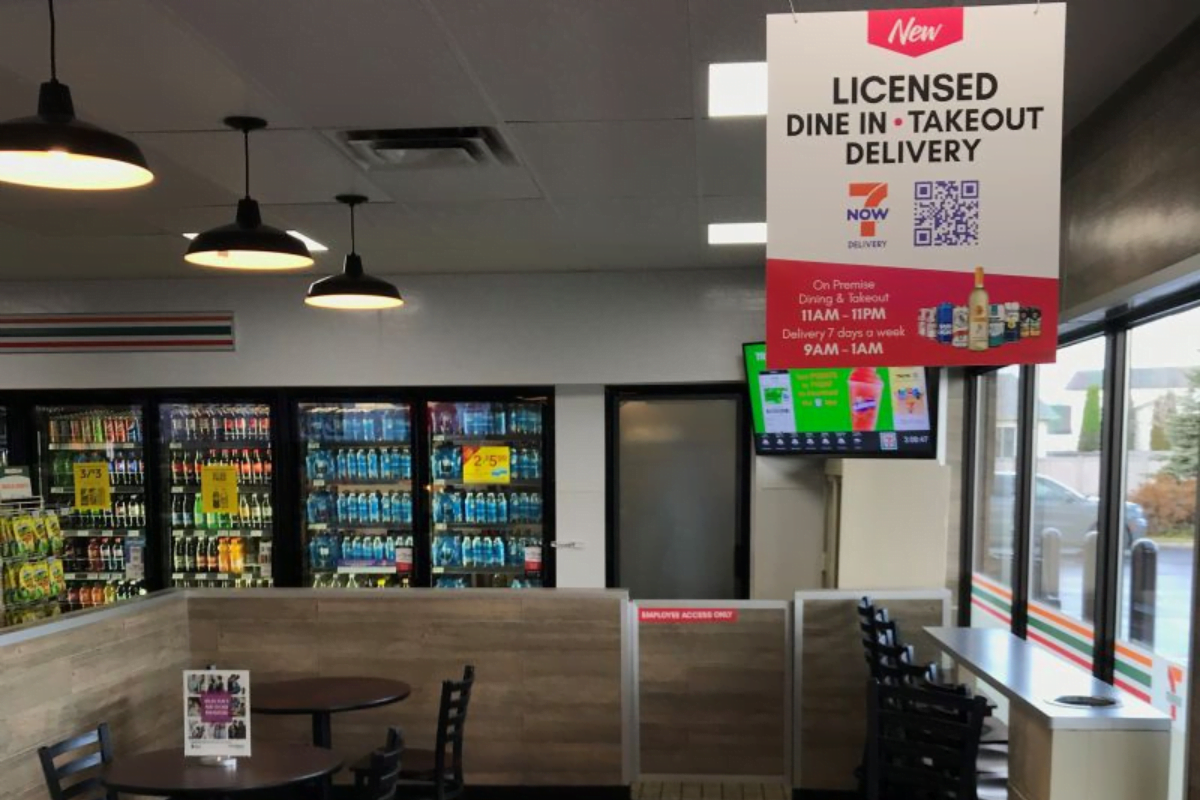
Seven locations in Alberta have been transformed into licensed restaurant formats and adult patrons can now enjoy freshly prepared meals from 7-Eleven Canada with chilled beer, wine, seltzers or coolers by dining in, ordering takeout or delivery. (CNW Group/7-Eleven Canada)
Pivoting Toward Food and Larger Formats
At the heart of the 7-Eleven store closures strategy is a shift toward larger, food-focused locations designed to compete more directly with quick service restaurants.
The company is reallocating capital toward stores that feature expanded fresh food programs, specialty beverages, and seating areas. Fresh food and ready-to-eat meals have emerged as one of the company’s fastest-growing categories, offering higher margins than traditional convenience staples.
This transition reflects a broader effort to reposition 7-Eleven from a last-minute stop for snacks and fuel into a destination for meals throughout the day.
Canada Plays a Distinct Role
While 7-Eleven operates as a unified North American entity, its strategy in Canada differs in several key respects.
The Canadian store base, estimated at roughly 600 locations, is significantly smaller than the U.S. network, which exceeds 12,000 sites following the acquisition of Speedway in 2021. However, Canadian locations have increasingly served as a testing ground for innovation, particularly in food and beverage.
In select provinces, 7-Eleven has introduced licensed alcohol sales, allowing stores to offer beer and wine alongside prepared food. This approach has been easier to implement in Canada than in the United States, where regulatory frameworks vary widely by state.
Canada also presents a more competitive landscape. Alimentation Couche-Tard, the Quebec-based parent of Circle K, remains the dominant convenience retailer in the country and has put pressure on 7-Eleven to improve efficiency and performance. The company’s recent efforts are widely viewed as part of a broader push to compete more effectively with its Canadian rival.
From Convenience to Destination
The evolution underway at 7-Eleven reflects a fundamental shift in how convenience stores operate.
Historically, the model relied on fuel, tobacco, and packaged goods. Today, those categories are either declining or delivering lower margins. In response, 7-Eleven is focusing on fresh, higher-quality food offerings that can drive repeat visits and increase average transaction values.
Recent product launches in Canada highlight this strategy. Items such as Japanese-style egg sandwiches, known as Tamago Sando, represent an effort to bring elevated convenience food to North American consumers. These offerings are designed to replicate the quality and appeal of Japanese convenience stores, where fresh food plays a central role in daily consumption.
By introducing globally inspired products and improving food quality, 7-Eleven is working to change consumer perceptions and build credibility as a meal destination.
Long-Term Outlook
Despite the planned closures, 7-Eleven remains the largest convenience retailer in the world, with more than 12,000 locations across North America. The company’s long-term strategy includes expanding its network of larger-format stores and reaching approximately 1,300 upgraded locations by 2030.
The current wave of closures should be viewed less as a retreat and more as a recalibration. As the traditional convenience store model faces structural decline, 7-Eleven is moving to align its footprint with evolving consumer expectations.
The success of this strategy will depend on the company’s ability to execute at scale, particularly in food service, where competition is intense and customer expectations are rising.
In the old days, purchasing insurance meant entering a private room, answering questions, waiting for your quotation, trying to grasp some difficult terminology, and hoping to have made a good choice. However, for many Canadians, purchasing insurance remains quite detached from their regular experiences in life. Everything else seems to have become much more convenient when purchased or researched online; insurance just took its time catching up.
The discrepancy in question is one of the main reasons for the increasing popularity of online platforms. Canadians are now more comfortable making practical decisions through tools that let them explore at their own pace, and YouSet is one example of how this shift is taking shape by letting users compare quotes from multiple insurers and buy online in one place. The bigger story is not about one platform. It is all about new demands and a paradigm shift.
The Old Insurance Experience No Longer Fits Everyday Habits
A lot of consumer frustration comes from mismatch. Humans have found ways to manage their chores with speed and agility. They place orders for food through an app, transfer funds from one account to another within seconds, and check for prices even while making mid-sized purchases. This is when they encounter the insurance process, which remains rigid, time-consuming, and difficult to understand.
The reason why such incongruities become glaringly apparent is that humans have become much more adept with digital interfaces. They want information provided in a clear manner, saved for future use, and be able to undo any action they have taken. Insurance has become part of that expectation.
What makes this shift interesting in Canada is that insurance is woven into ordinary life. It is linked to rental housing, driving, home ownership, and property protection. These are not special cases but affect students, couples, families, newcomers, and longtime residents equally. If a product reaches so many people, then the element of convenience begins to factor into its marketing in a very tangible manner.
People Want to Understand Before They Commit
One of the strongest appeals of online insurance platforms is that they create breathing room. That matters more than it may seem.
An insurance policy is commonly purchased at times when one is already juggling a number of priorities. Perhaps an individual is shifting from one apartment to another, acquiring their first automobile, or planning to purchase a house. At such times, the last thing they want is to go through a hard sell process. They need clarity. They need a straightforward explanation of what is being offered, what they are expected to give up in return, and a chance to make a decision unhurriedly.
Such behaviour is facilitated by the use of digital channels. Rather than squeezing the whole discussion within the confines of one encounter, information is disseminated in a manner that makes the process of absorbing it more manageable.
That freedom changes the tone of the purchase. Insurance stops feeling like a task to survive and starts feeling like a decision that can actually be managed.
A few habits stand out in this new approach:
People prefer reading through choices in their own time
They want to compare before speaking to anyone
They often revisit financial decisions more than once
They value tools that lower stress during practical life changes
These may sound like small preferences, but together they explain why online insurance fits current consumer behaviour so well.
Comparison Has Become a Basic Expectation
In many industries, comparison is no longer a bonus. It is the default starting point. Canadians compare travel options, cell phone plans, streaming services, and mortgage rates. Once people are used to that habit, it becomes hard to accept a process built around seeing only one path at a time.
Insurance platforms are gaining popularity because they bring comparison into a space where it was once harder to access. People can look at different quotes and get a better sense of what separates one option from another. The price matters, of course, but so does the shape of the coverage. A lower number does not always mean better value if the protection is thinner or the deductible changes the real cost later.
This is where digital tools become especially useful for general consumers. Many people are not trying to become experts in insurance. All they need is sufficient clarity to make an informed decision. The parallel format will allow them to quickly see patterns and comprehend the significance of any differences.
This is crucial since indecision usually results in delays. They will either delay making the decision, renew the subscription automatically, or select the first option that appears suitable. Online comparison tools interrupt that pattern by making the decision easier to approach.
Convenience Matters More When the Product Feels Complicated
There is a common assumption that convenience is mainly important for small purchases. In reality, it becomes even more valuable when a product feels confusing.
Insurance is that type of product where most individuals know that it is necessary, but don’t particularly like having to deal with it. It comes with both legal obligations, costs, and even personal ramifications, which means that the whole transaction feels more serious. When a digital platform removes extra steps, that relief has real weight.
Having the convenience of being able to quote and purchase insurance without the trouble of scheduling phone calls or lengthy email threads is attractive for those individuals with time-consuming lifestyles, but also just people looking to streamline their efforts. They may have already spent days comparing housing options or researching vehicles. They do not want the insurance step to feel like a whole new project.
This growing preference for convenience does not come from laziness. It comes from overload. Modern consumers manage a lot of decisions at once. The platforms that respect their time tend to earn attention faster.
Some of the appeal comes down to very practical things:
Quotes can be explored from home at any hour
The process feels easier to fit around work and family life
Reducing the number of touchpoints reduces friction
Renewal becomes easier
In that sense, online insurance platforms are succeeding because they understand modern energy levels as much as modern technology.
The Real Shift Is About Control
At the centre of this trend is a simple idea: people want more ownership over the process. That is what makes online insurance platforms feel current.
In older models, information often arrived in pieces. The consumers relied on another party to set the pace, introduce the next choice, and clarify the prices. While that model might have served well for decades, many Canadians now wish to assume a new role in their purchasing. They wish to conduct their own research, interpret the results on their own, and consult if they must.
This demand for control manifests itself throughout all aspects of consumer behaviour. Consumers would like to determine the time, effort, and moment of making decisions. Insurance is now being pulled into that same cultural shift.
This does not necessarily imply that human intervention has lost its relevance. While there may be some who require additional confidence, particularly if they have specific requirements, they may benefit more from digital platforms. It is because the digital platforms set a base, allowing any subsequent discussion to be well-informed rather than relying on anything.
This is why online insurance platforms are becoming increasingly popular in Canada. This is because they fit seamlessly with the manner in which individuals usually operate in the other aspects of their lives. For a growing number of Canadians, that feels less like a new way to buy insurance and more like the way it should have worked all along.
There is a specific kind of frustration that follows Milan Design Week. You walk through a showroom in Tortona and come across a piece that catches your eye: the proportions are perfect, the material looks great, and you know exactly where it would fit in your home. Then, when you contact the brand, the answer is essentially: “Not yet”.
There is a specific kind of frustration that follows Milan Design Week. You walk through a showroom in Tortona and come across a piece that catches your eye: the proportions are perfect, the material looks great, and you know exactly where it would fit in your home. Then, when you contact the brand, the answer is essentially: “Not yet“.
That gap between presentation and availability is one of the least-discussed mechanics in the design supply chain. From the Salone del Mobile 2026 to the moment a piece actually lands in a showroom, whether at a specialized retailer like Tomassini Arredamenti or through an international dealer, the timeline is longer than most design enthusiasts expect. Additionally, it does not move at the same speed across all brands, categories, or markets.
Why the Salone del Mobile Is Not a Product Launch
The Salone del Mobile operates on a logic that is fundamentally different from a product launch event. What gets shown in April is not necessarily what gets shipped in May. The fair functions as a trade signal: brands present directions, test reception, take orders from distributors and key accounts, and use the response to calibrate production volumes. A piece that generates strong interest at the fair such as a B&B Italia sofa, may enter full production runs; while a piece that draws a quieter response may be held at limited edition status, delayed, or quietly retired before it reaches general distribution.
This distinction matters for retail planning. The debuts seen at Euroluce or in the main pavilions at Rho are often pre-production or very low-volume prototypes. The finishes on display may not match the final production spec. Lead times quoted at the fair are usually optimistic, benchmarked against ideal conditions that rarely hold across the full pipeline (material sourcing, upholstery runs, hardware availability, and shipping logistics).
What “Available Soon” Actually Means After Milan Design Week
The realistic expectation for most fair debuts is a 3-to-6 month window between presentation and first commercial availability in primary markets. Heritage brands with established distribution networks (those that have been sending collections through the same channel partners for decades) tend to hit the shorter end of that range. Newer studios or brands making significant category shifts tend toward the longer end, sometimes pushing availability past the end of the calendar year.
How Furniture Category Shapes the Timeline
Not all furniture moves through the pipeline at the same pace, and the category of the piece is one of the strongest predictors of when it will actually land in a showroom or clear for online purchase.
– Seating (sofas, lounge chairs, dining chairs) tends to carry the longest lead times because of the labor intensity of upholstery work and the number of configuration and finish variables that need to be resolved before production scales. A Poliform sofa presented at the Salone will typically require several months before standard configurations are available through authorized dealers, with custom specifications taking longer still. This is not a logistics failure; it reflects the manufacturing reality of high-end upholstered pieces, where precision and consistency across a production run require careful scheduling.
– Case goods, such as storage units, shelving, and tables, generally sell faster, particularly when their construction relies on established material processes and joinery techniques that the manufacturer already produces on a large scale. For example, a new table from a brand with extensive experience in solid wood production, such as Riva 1920, may be ready for delivery within weeks of the fair closing if the design uses existing materials. Novelty in material (a new stone finish, an experimental laminate, a brass component sourced from a new supplier) adds time, sometimes significantly.
Lighting is its own category. Euroluce editions frequently include prototype pieces that will not see commercial release for six months or more. For example, a fixture validated for the European market may require additional testing and documentation before it can be shipped and installed in North America. Buyers specifying Euroluce debuts for North American projects should build that buffer into project timelines as a matter of course.
The Authorized Dealer’s Role in Managing Furniture Availability
For retail professionals and consumers operating outside Italy, the authorized dealer network is where the timeline question gets answered in practice. Dealers with established direct relationships with Italian manufacturers (and with sufficient order volumes to carry weight in the brand’s production scheduling) are often able to commit inventory ahead of general availability, securing early production slots that put them in a position to fulfill orders before the broader market.
This is one of the structural advantages that long-standing specialized retailers hold over generalist platforms and newer entrants. Tomassini Arredamenti is one of the retailers where many of the new collections presented at the Salone del Mobile actually land first, making it a practical starting point for buyers who want to move from fair discovery to purchase without losing months in the process.
That kind of pipeline intelligence is not uniformly distributed. A consumer purchasing through a channel with shallow brand relationships may wait months longer for the same piece than a buyer working through a dealer with preferential production access. In high-demand debut seasons, the difference between knowing your dealer’s position in a brand’s production priority list and not knowing it can mean the difference between receiving a piece before a project deadline or after it.
Read this Timeline Before You Commit to a Designer Piece
The practical upshot for anyone purchasing off a Salone debut is a short list of questions worth asking before placing an order.
Is the piece shown a production-ready model or a fair prototype?
What finish and configuration options are confirmed for the first production run?
What is the dealer’s current allocation, and where does a new order fall in the production queue?
Is the lead time quoted from order confirmation or from fair close?
These questions do not change the fundamental appeal of a piece that earns it. But they prevent the specific frustration of planning a space around an arrival date that was always going to slip.
Milan in April sets the terms. Delivery in October (or the following spring) is where those terms resolve. Knowing the difference between the two is what separates retail professionals who manage client expectations well from those who spend autumn apologizing for delays that were visible from the showroom floor.
Retail shrink is hammering operating margins across Canada. Losses from retail theft nearly doubled from $5 billion in 2018 to a staggering $9 billion recently. What used to be isolated petty shoplifting has morphed into an organized, dangerous criminal enterprise.
Retailers now face sophisticated criminal networks and a 300% spike in violent incidents during store thefts. Protecting your store environment takes a localized, proactive approach. You need to blend national data trends with regional intelligence and modernized physical security if you want to protect your bottom line.
The 2026 Retail Crime Wave
Organized Retail Theft Is Surging
Recent surveys show that 45% of Canadian small businesses have recently dealt with direct crime. And these aren’t random smash-and-grabs. The crimes have become systematic, coordinated, and increasingly bold.
Global trends confirm that organized retail theft keeps climbing, with these operations acting as a funding pipeline for larger criminal groups. Across multiple provinces, property crimes and thefts stay elevated. If you’re a commercial operator, the old loss prevention playbook simply doesn’t cut it anymore.
Shifting Tactics, Heightened Risks
Criminal tactics in 2026 show a disturbing level of premeditation and aggression. The physical threat to employees and customers is real: a 300% surge in violent retail theft incidents over four years makes that painfully clear. Ontario alone reported over 61,000 shoplifting incidents in a single year.
Thieves are also getting creative. Police have observed offenders using baby strollers to hide merchandise, a tactic contributing to a sharp 28% year-over-year rise in thefts in regions like Ottawa. Sound familiar? If you run a retail operation, you’ve probably noticed this kind of boldness firsthand.
The Real Cost of Vulnerability
Inadequate security doesn’t just cost you inventory; it chips away at profitability and stability. Canadian merchants currently spend a median of $5,000 on crime-related damages over a three-year span, mostly covering immediate repairs and stock replacement. But indirect costs often dwarf those figures and throw off quarterly financial projections.
When severe, localized violent crime hits (like targeted homicides in the GTA), retailers scramble into reactionary spending. That usually means rapidly ramping up guard hours and camera coverage, which instantly squeezes already-tight margins.
Independent operators feel this the hardest. One Orillia hardware store hired uniformed guards after suffering brazen daytime thefts. Moves like that erode monthly profits and drain capital you’d rather put toward growth. So what’s the smarter play? Weighing emergency reactions against the structured investment of a planned security upgrade.
Reactive vs. Proactive Security: A Cost Comparison
Approach
Initial Investment
Ongoing Costs
Shrinkage Impact
Staff SafetyÂ
Reactive
Low (basic locks, legacy alarms)
High (emergency guard hires, frequent repairs, rising insurance)
High (theft happens before any response)
Low (staff face criminals with limited support)
Proactive
Moderate (HD cameras, smart access control)
Predictable (fixed monthly monitoring fees)
Low (visible deterrence stops crime before entry)
High (remote monitoring and panic buttons protect workers)
Securing the Niagara Peninsula
Local Crime Dynamics
National crime strategies often fall flat when they ignore regional nuances. Take the Niagara region: it had a Crime Severity Index of 54.47 in 2023, well below the national average of 80.4. That sounds reassuring on paper.
But the area’s distinct economic drivers tell a different story. Exceptionally high tourism volume and seasonal business cycles make commercial properties in Niagara lucrative targets for coordinated property crime. A low index doesn’t mean low risk if your business sits in a high-traffic corridor.
Compliance and Police Response
Local law enforcement policies directly shape how your commercial security needs to be set up. In Niagara, police strictly enforce the Verified Alarm Response Program (VARP). Under this protocol, officers only dispatch to alarms verified independently by audio, video, or multiple zone activations.
What does that mean for you? If your system can’t verify an alarm, you’re not getting a police response. To stay VARP-compliant and ensure rapid emergency dispatch, working with regional experts to install integrated security systems for Niagara Falls homes & businesses is a smart move. Getting this right prevents costly false alarm fines and guarantees help when real threats emerge.
Practical Deterrents for Canadian Retailers
The good news? Plenty of businesses are already stepping up. Data shows that 67% of small businesses in Canada have invested in extra security measures to address mounting safety concerns. If you’re still running outdated systems, 2026 is the year to upgrade.
Here are the core upgrades worth considering:
HD IP cameras: Cover all entryways, high-value inventory zones, and point-of-sale terminals. Clear footage is your best evidence in a dispute or prosecution.
Electronic access control: Use keycards or biometric locks to regulate who gets into stockrooms and administrative offices. No more propped-open back doors.
Virtual video guard services: Remote monitoring specialists can use two-way audio to challenge suspicious individuals in real time, without putting anyone on-site at risk.
Staff de-escalation training: Give your frontline workers professional techniques to manage confrontational situations safely.
Store layout optimization: Redesign your floor plan to eliminate blind spots. Keep high-risk merchandise within the direct line of sight of employees.
Fortifying the Future of Canadian Retail
Organized and violent retail crime isn’t going away anytime soon. With shrink reaching a record $9.1 billion, store owners can’t afford to lean on outdated loss prevention models. Not when criminal networks are this sophisticated.
Investing in intelligent, compliance-driven security protects your inventory and deters aggressive offenders. More importantly, it keeps your staff and customers safe every single day. As the retail landscape grows more unpredictable through 2026, robust physical security isn’t optional. It’s a foundation for staying in business.
Search visibility within the beauty and cosmetics sector is shaped by highly competitive product categories, informed consumers and rapidly changing trends. Brands are not only competing on product quality but also on how effectively they present information across search environments.
As a result, many aesthetics businesses are adopting more structured approaches with beauty and cosmetics SEO to ensure their website and content aligns with how users search, evaluate and purchase skincare and cosmetic products online.
Search Behaviour in Beauty Is Research-Driven
Consumers within this sector rarely make immediate purchasing decisions. Instead, they move through a research-heavy journey that includes ingredient evaluation, product comparisons and reviews.
Search queries often reflect these stages. Users may begin with informational searches about skin concerns, then progress towards product-specific queries as they narrow their options.
This behaviour requires brands to provide content that supports each stage of the journey rather than focusing solely on product pages.
Ingredient Transparency Supports Visibility
Search engines prioritise content that demonstrates clarity and relevance. In the beauty sector, this often relates to ingredient transparency.
Users frequently search for specific ingredients, their benefits and potential side effects. Pages that clearly explain formulations, functions, and suitability are more likely to align with these queries.
Providing detailed and accurate information not only improves search relevance but also supports trust and decision-making.
Product Pages Must Go Beyond Descriptions
Standard product descriptions are no longer sufficient to support search performance. Pages must provide comprehensive information that addresses user concerns and expectations.
This includes:
Ingredient breakdowns
Usage guidance
Suitability for different skin types
Expected results
By expanding beyond basic descriptions, brands can better align with intent and improve engagement.
Content Authority Influences Rankings
Search engines favour websites that demonstrate consistent expertise within a topic. For beauty brands, this means building authority around skincare, ingredients and product usage.
Educational content such as guides, routines and explanations supports this authority. When integrated effectively, this content enhances the overall relevance of the site.
Over time, this strengthens rankings across both informational and commercial queries.
Visual Content Plays a Supporting Role
Imagery is an important component of beauty ecommerce. Product visuals, application demonstrations and before-and-after examples all contribute to user understanding.
Search systems evaluate how visual content supports the overall page. Images should be relevant, clearly presented, and aligned with the product being described.
While visuals enhance engagement, they must be supported by structured content to fully contribute to search performance.
User Experience Impacts Engagement
Ease of navigation, clarity of information and page performance all influence how users interact with a site. Poor user experience can lead to higher bounce rates and reduced engagement.
Beauty consumers often compare multiple products before making a decision. Providing clear pathways, filters and structured categories helps users find relevant information efficiently.
Improved user experience supports both engagement and search visibility.
Reviews and Social Proof Strengthen Relevance
User-generated content plays a significant role in the beauty sector. Reviews, ratings and testimonials provide additional context that supports decision making.
Search engines recognise these signals as indicators of relevance and trust. Integrating authentic user feedback into product pages can enhance both visibility and conversion.
This also helps address common concerns that may not be covered in standard product descriptions.
Data Helps Refine SEO Strategy
Performance data provides insight into how users interact with content. Metrics such as engagement, search queries and conversion patterns highlight areas where optimisation can be improved.
Analysing this data allows brands to adjust content, refine targeting and improve alignment with user intent.
This ongoing process ensures that SEO strategies remain effective as search behaviour evolves.
Building a Competitive SEO Strategy in Beauty
Achieving strong search performance within the beauty sector requires a combination of structured content, clear product information and consistent optimisation. Brands must align their strategies with how users research and evaluate products.
For businesses seeking to strengthen their approach, working with experienced providers such as Searchflex supports the development of integrated SEO systems that align content, technical structure and user intent, enabling more consistent and scalable performance.
The Canadian Federation of Independent Business (CFIB) is welcoming Tuesday’s announcement by the federal government to temporarily suspend excise fuel taxes on gasoline and diesel as it will provide welcome relief for small businesses already squeezed by high costs.
“It is good to see both government and the official opposition supporting action on this critical issue,” said Dan Kelly, President of the CFIB.
Dan Kelly
“Business owners have been feeling significant energy cost pressures and uncertainty over the past two months. Nearly two-thirds of small businesses report they are currently absorbing additional fuel costs, while about a third have increased their prices as a result.
“The next step for the federal government should be to permanently eliminate the tax-on-tax treatment of charging the GST on gasoline and diesel fuel taxes. Provincial governments should also follow suit and pause their fuel excise and sales taxes.”
The CFIB is Canada’s largest association of small and medium-sized businesses with 103,000 members across every industry and region.
On Tuesday, the federal government said: “The global landscape is rapidly changing. In response, Canada’s new government is focused on what we can control – building a stronger, more independent, more resilient economy. We’re building an economy where Canadians are empowered with greater security, certainty, and a lower cost of living.
“Global conflict and ongoing supply disruptions in the Middle East are driving up fuel prices around the world. To make Canada more energy secure and less reliant on external factors, our government is advancing major projects to realise Canada’s full potential in clean and conventional energy. We’re building big in electricity, LNG, and nuclear to provide all Canadians with clean, reliable, and affordable power. As we build for the long term, we are providing immediate relief to bring down costs for Canadians right now – including cutting taxes for 22 million Canadians, cancelling the consumer carbon tax, and protecting and expanding vital social programs.”
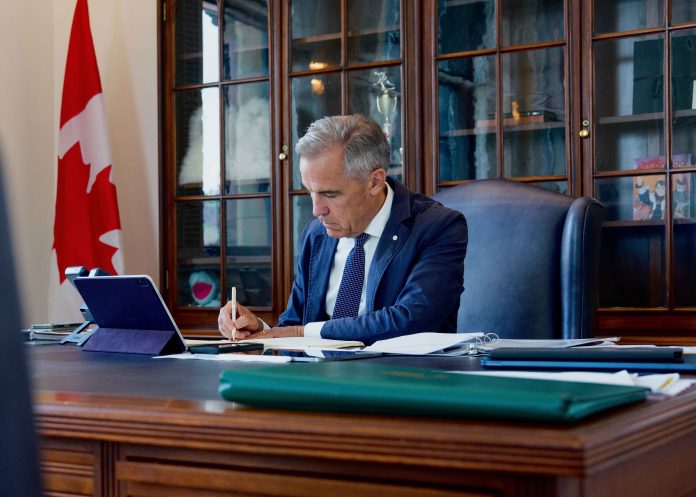
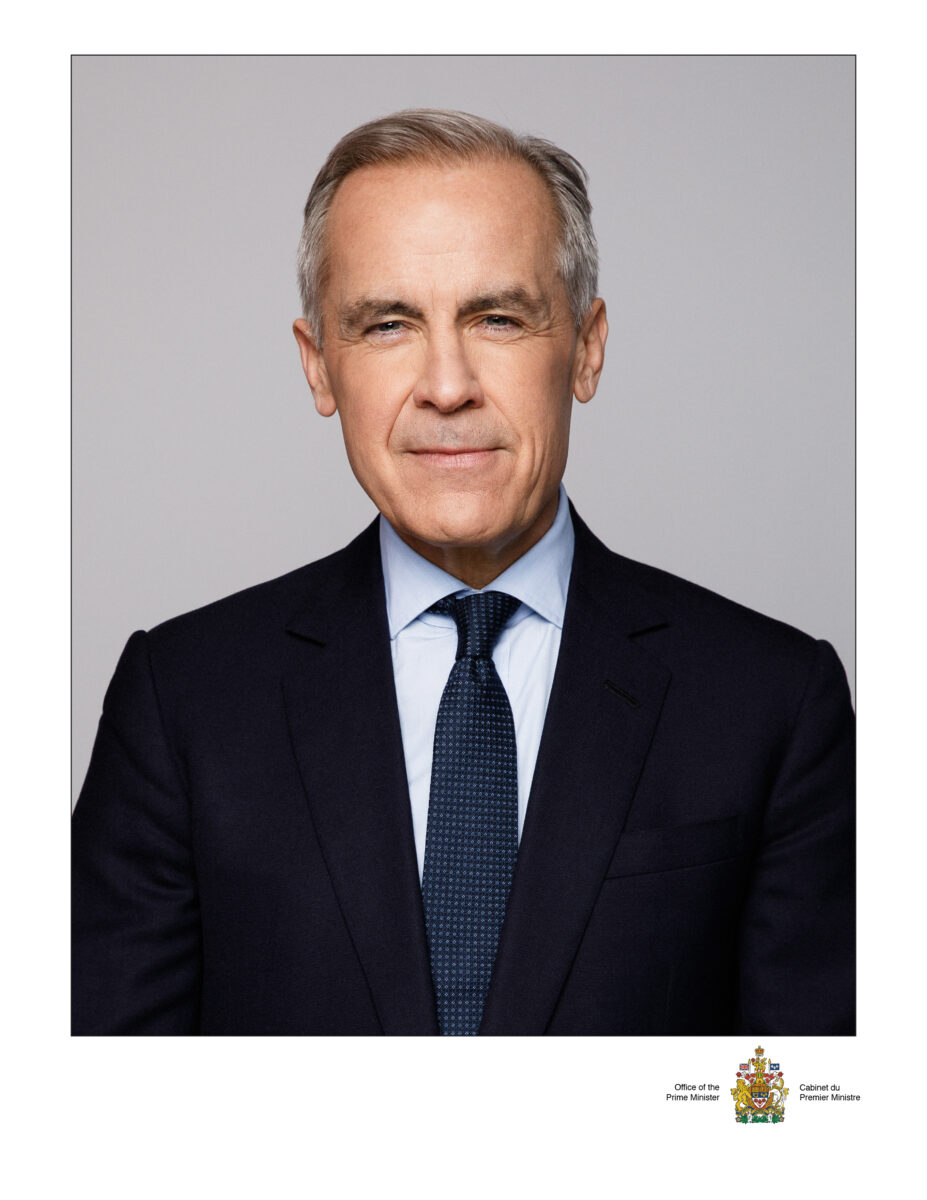
Prime Minister, Mark Carneyannounced that the government is temporarily suspending the federal Fuel Excise Tax on gasoline and diesel across Canada. Starting April 20, Canada’s new government will suspend the full amount of the tax on gasoline and diesel until September 7. This is expected to reduce Canadians’ bills at the gas station by 10 cents per litre on regular gasoline and 4 cents on diesel. The government is also temporarily suspending the federal Fuel Excise Tax on aviation fuels.
“We’re building a stronger, more resilient, and more independent Canadian economy. As we build, we’re cutting your taxes, reducing the costs of your homes, and providing you relief at the pump. We cannot control what other nations do. We’re focused on what we can control – building Canada strong for all,” said Carney.
The government said cutting the tax on gasoline and diesel until Labour Day is a responsible measure that will reduce operating costs for truckers and businesses in the food, agriculture, housing, construction, and delivery sectors. With lower costs and greater financial strength, businesses can hire more workers, confidently build, and export more products to global markets.
Mark Carney
Canada’s new government was elected to build a more resilient economy – an economy that creates good careers, strengthens our sovereignty, and empowers all Canadians with a lower cost of living. We’re moving with speed and ambition to build a country where all Canadians have greater certainty, security, and prosperity, it added.
“The temporary suspension of fuel excise taxes next week will provide immediate relief across the retail supply chain particularly in transportation, last-mile delivery, and inbound freight. That will help ease margin pressure and, in some cases, slow price increases for consumers,” said Gary Newbury, Interim COO & Rapid Performance Recovery Specialist – RetailAID Inc.
Gary Newbury
“But this is a tactical move, not a structural fix.
“Fuel is only one component of the total cost-to-serve. For most retailers, labour, network design, inventory positioning, and operational discipline have a far greater impact on profitability.
“The real risk is that businesses treat this as relief rather than an opportunity. Stronger operators will use this window to improve routing, reset cost structures, and address inefficiencies as a coordinated strategy. Others will see a short-term margin lift, then face the same pressure when costs rise again.
“This buys time. It doesn’t fix performance.”
Retail analyst Bruce Winder said: “The federal government’s announcement to temporarily eliminate the Federal Fuel Excise Tax will help the retail industry at a time of uncertainty.
Bruce Winder
“From the consumers perspective, this will lower monthly expenses and allow for spending on retail goods & services, particularly as we enter the summer holiday travel season in a few months. More money in the pockets of consumers means they will spend more at retail. Especially for discretionary items.
“For retailers the benefit is at least two fold. They get the tailwind of additional consumer spending based on above, as well as a small break on transportation and operational costs at a time of heightened energy prices.”
George Minakakis, Founder and CEO of the Inception Retail Group, said: “Anything that reduces the financial burden this war is placing on consumers is a positive development. The more important question is whether it will be enough to prevent a deceleration in consumer spending.
“The full economic effect of this disruption has not yet worked its way through the system. Shipping remains uneven, supply chains are moving slowly, and we know that shortages are surfacing beyond oil and LNG. At the same time, several asian overseas markets that supply retail goods are also dealing with energy shortages and are rationing, adding further pressure to costs and availability.
George Minakakis
“An end to the war would be an important first step, particularly as households are already contending with a wider affordability squeeze in food and energy. There is also ongoing uncertainty around trade. We still do not know what form the next trade arrangement will take, nor whether tariffs will be reduced, maintained, or prolonged.
“Retailers, meanwhile, will have little choice but to become more agile on pricing, inventory, and margin management.
“More broadly, I am concerned that consumers and businesses were already operating in an environment defined by economic uncertainty and affordability pressures. This war adds more complexity, and lower gas prices are good, but will it be good enough for consumers to keep shopping for anything other than essentials?”