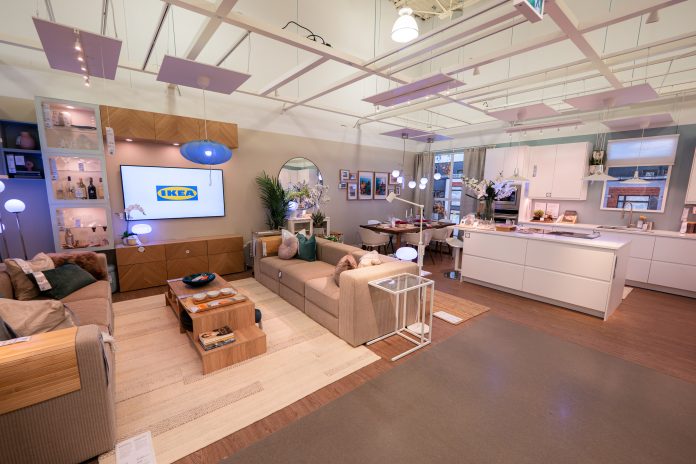
IKEA Canada says it is opening its newest Plan and order point in Gatineau, Quebec on May 11.
Located at 1100 boulevard Maloney Ouest, the Plan and order point will be the sixth location in the province (13th across Canada), marking an important step in its journey to bring the brand closer to many Quebecers, said the home furnishing retailer.
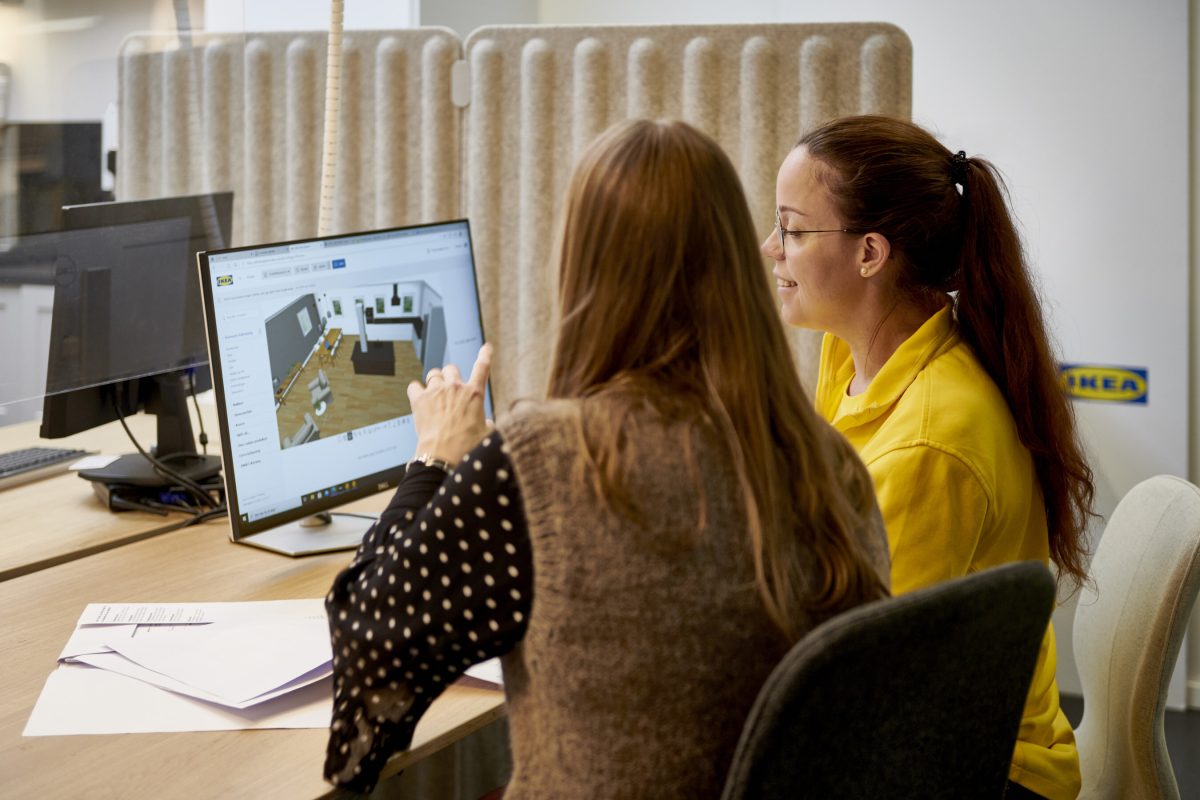
It said Plan and order points offer easy access to expert design services when planning, ordering, and purchasing home furnishing solutions for any room in the home such as kitchen renovations or bedroom storage systems. Once orders have been placed, they can be delivered to their homes or collected from the pick-up location at the Plan and order point.
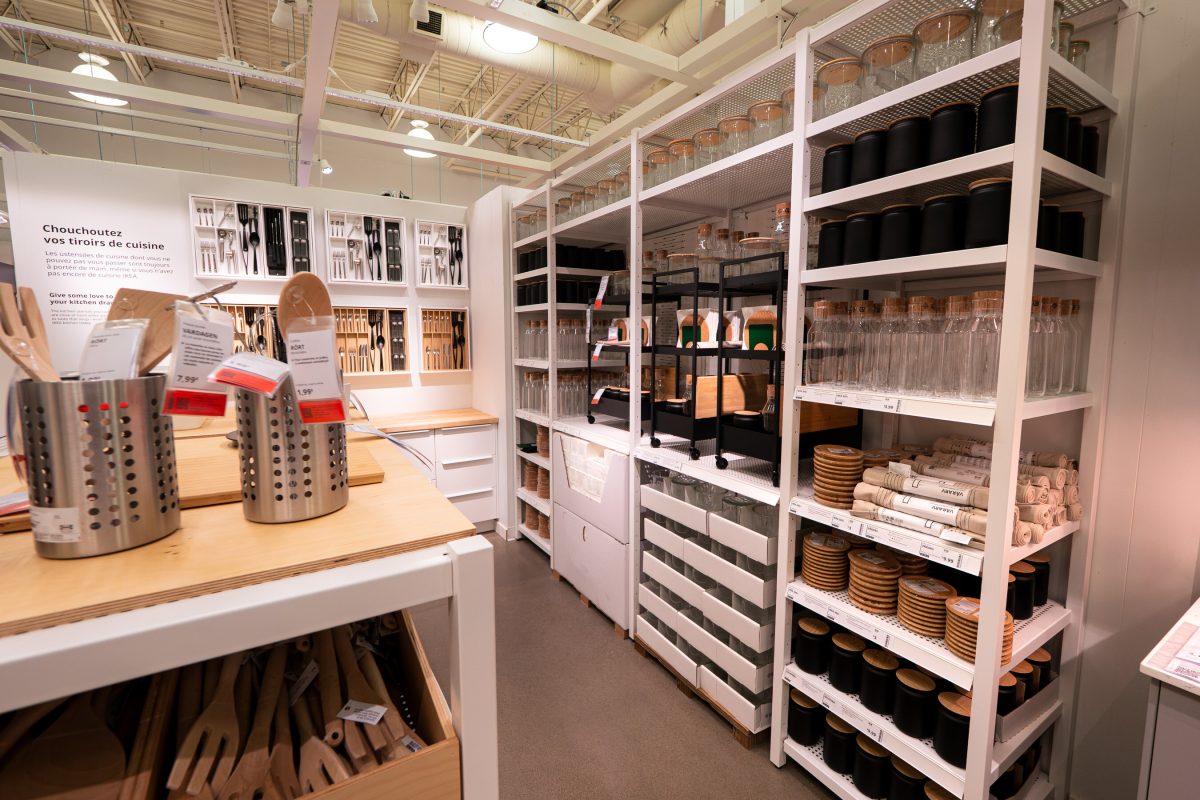
“For those looking to instantly refresh their spaces, visitors to the Gatineau Plan and order point will be able to shop a selection of IKEA products (excluding food – sorry, no meatballs) for immediate purchase and takeaway,” it said.
The company operates 12 Plan and order point locations in Quebec, Ontario, and British Columbia.
“These service-based customer meeting points are one of the many ways IKEA Canada is transforming its business to deliver a seamless retail experience wherever, whenever, and however customers choose to shop with the brand,” explained the retailer.
“Plan and order points help to reduce the distances that customers must travel to visit an IKEA location, which has affordability, accessibility, and sustainability benefits. IKEA Canada looks forward to providing this elevated planning experience to its new Gatineau neighbours.”
System wide sales across Quick Service Restaurants totaled $63.1M in fiscal 2025, up 108% versus the prior fiscal year (2024 – $30.30M). The increase is attributed to organic baseline restaurant growth, alongside increased restaurant count, which reached 77 operating restaurants in 2025 versus 43 in the prior fiscal year, representing a 79% increase in operating restaurant count. Total restaurant count includes the acquisitions and investments during fiscal 2025.
Total operating revenues, services, interest income, and rebates totaled $22.1M in fiscal 2025, up 176% versus the prior fiscal year (2024 – $8.0M). Year-over-year growth was driven by continued sales growth in the QSR segment, as well as four (4) business acquisitions in 2025, combined with new franchised restaurant openings and royalties collected during 2025 (34 restaurants added to the Happy Belly portfolio).
Total product sales totaled $18.1M in fiscal 2025, up 162% versus the prior fiscal year (2024 – $6.9M). Furthermore, royalties and franchise fee revenues reached $2.8M, up 195% from the prior fiscal year (2024 – $0.95M), which was driven by royalties collected from 34 new restaurant additions to the Happy Belly portfolio in 2025.
Adjusted EBITDA reached $0.1M or 0.3% in fiscal 2025, a 60% increase versus the prior fiscal year (2024 – adjusted EBITDA loss of $(0.1)M or (1.2)%). Q4 2025 adjusted EBITDA was $(0.5)M or negative 8.2% versus $(0.2)M or negative 6.5% in the same quarter last year.
Total cash and cash equivalents remain healthy at $3.0M as of December 31, 2025 (2024 – $3.5M). One non-brokered private placement was completed during fiscal 2025 for aggregate proceeds of $500,000 at a subscription price of $1.50.
Happy Belly made strategic cash and equity investments during fiscal 2025. First, acquiring two (2) QSR brands: Smile Tiger Coffee Roasters, and Salus Fresh Foods Inc. The Company also (i) completed an earn-out transaction in regard to its Via Cibo Restaurants brand, and (ii) acquired the remaining 50% ownership of Heal Wellness. In addition, with a franchise pipeline of over 680 restaurants in development, and expectations of a record number of new restaurant openings in 2026, the Company determined to increase capacity for growth in 2026 and, as a result, investments were made in Q4 2025 to add headcount and infrastructure.
As of April 30, 2026, subsequent to fiscal 2025, the Company has opened and is operating 17 additional restaurants.
Sean Black
“Happy Belly closed 2024 with 43 operating locations and 421 contractually committed franchise locations across a portfolio of emerging brands at various stages of development, construction, and operation. By the end of 2025, we had expanded to 77 operating locations and 666 committed franchise locations. This meaningful acceleration in both open and committed units reflects the increasing demand for our brands and the strength of our area developer model,” said Sean Black, Chief Executive Officer.
“Our performance in 2025 reinforces our position as a disciplined, high-growth, multi-brand restaurant platform with a scalable and predictable expansion model. These achievements lay a strong foundation as we continue executing on our strategy to become Canada’s leading acquirer and scaler of emerging food brands, while delivering long-term shareholder value.”
“We are proud of what our team has accomplished. Our proven, repeatable growth model drove system sales to more than double year over year, increasing 108%. During the year, we added 34 new restaurant locations to the Happy Belly portfolio through a balanced mix of organic expansion and strategic acquisitions, further strengthening our presence across key markets and concepts.
“I would like to congratulate our brand leaders, franchise partners, area development partners, team members, and cross-functional groups in both Canada and the United States for an outstanding year. As Happy Belly continues to scale, so do its highest-margin revenue streams of royalties, franchise fees, and rebates which grew by 195% year over year. This marks an important milestone as we transition from foundational capital deployment to meaningfully advancing toward positive cash flow. As our franchised footprint expands, these high-margin segments will play an increasingly critical role in accelerating that trajectory.
“Our core principles have been the 3P’s: People, Product and Process, while staying operationally and financially disciplined throughout our execution. Our current infrastructure is a testament to the team-oriented culture at Happy Belly. Our brand partners and management team work together to support franchisees in global expansion. In 2026 we anticipate delivering significant organic growth beyond our 2025 growth total of 34 new locations, surpassing our original expectations for the full year. With a clear focus on growth, we believe our best years are still to come.”
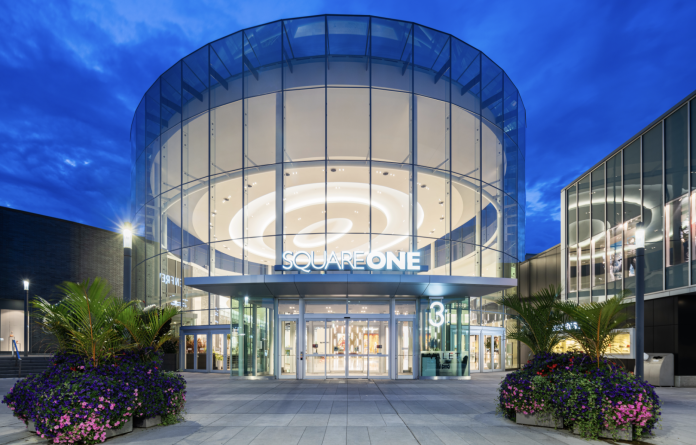
Square One in Mississauga. Photo: Oxford Properties
Square One Shopping Centre is no longer just a regional shopping destination. It is increasingly becoming the centrepiece of one of the most significant urban transformations in North America.
Located in the heart of Mississauga, the centre is evolving alongside the multi-decade Square One District redevelopment, a project that is reshaping more than 130 acres of land into a dense, mixed-use urban environment. The scale is substantial, with plans calling for approximately 18 million square feet of development, including thousands of residential units, office space, and new public realm infrastructure. As this transformation unfolds, Square One is shifting from a destination mall into the retail anchor of a growing downtown core.
A City Within a City Takes Shape
Mississauga is undergoing a fundamental shift. Long viewed as a suburban extension of Toronto, the city is now intensifying its development and positioning itself as a self-sustaining metropolitan centre. The Square One District sits at the centre of that ambition.
As new residential towers rise and thousands of residents move into the area, a daily population is forming around the shopping centre. This is changing how Square One functions. Rather than relying solely on regional visitors, the centre is increasingly serving a local, urban customer base that lives, works, and spends time in the immediate area.
Oxford Properties, which owns and manages the shopping centre, is adapting its strategy accordingly. The focus is expanding beyond traditional retail to include food, services, and experiences that cater to a more frequent, everyday customer.
Rendering of the future Square One District, via Oxford Properties
Retail Strategy Shifts with Population Growth
Robert Horst, Vice President, National Retail at Oxford Properties Group, described this transition as a shift from a standalone shopping destination to an integrated urban environment.
Robert Horst
He noted that Square One is evolving into a mixed-use core that serves both regional shoppers and a growing local population. This dual role is influencing leasing decisions, with greater emphasis on categories that support daily life as well as destination shopping.
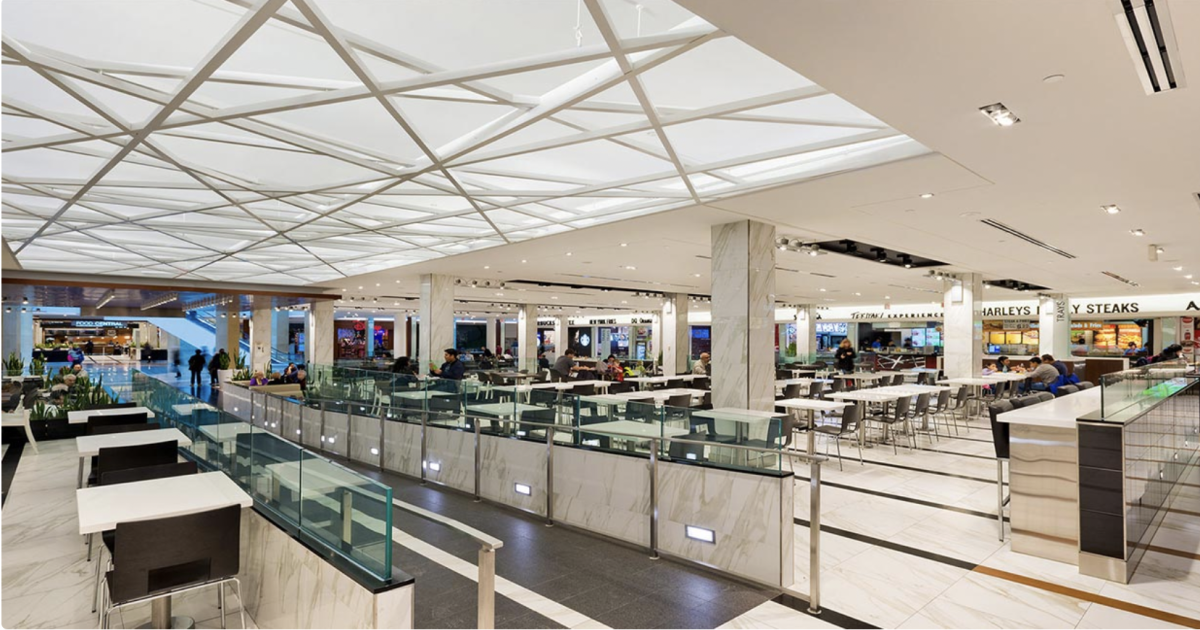
The centre’s food district provides a clear example of this shift. Designed to offer high-quality, fast-casual dining, it has seen strong productivity as nearby residents increasingly use the space as part of their regular routines. This reflects a broader trend where food and beverage offerings are becoming essential components of modern retail environments.
Strong Performance Reflects Strategic Evolution
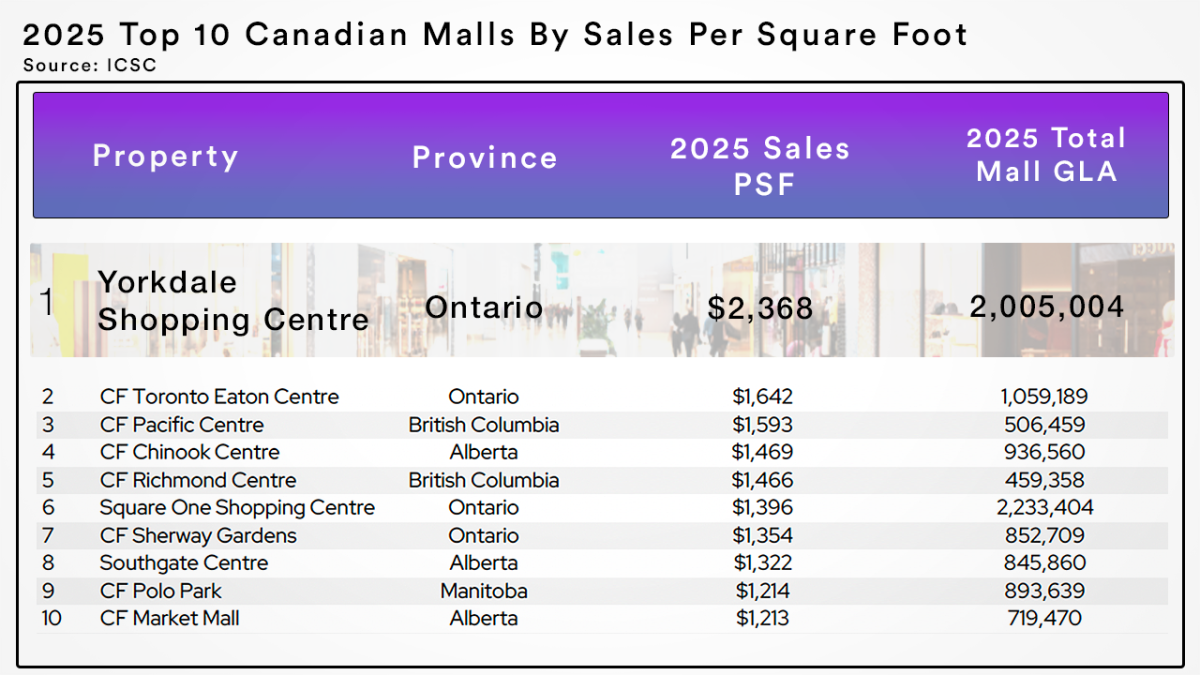
That evolution is also reflected in performance. According to the International Council of Shopping Centers 2025 data, Square One recorded sales of approximately $1,396 per square foot, ranking among the top shopping centres in Canada.
This places the centre firmly within the country’s top tier of retail destinations. Its productivity underscores how scale, tenant diversity, and a rapidly growing urban population are translating into strong and sustained retail performance.
Scale, Diversity, and Market Reach
Square One remains one of the largest shopping centres in Canada, with more than 2.2 million square feet of retail space. Its scale allows it to serve a broad and diverse trade area across the western Greater Toronto Area.
What distinguishes the centre is the range of its offering. Square One brings together value-oriented retailers alongside premium and luxury brands, creating a tenant mix that appeals to a wide cross-section of consumers. This diversity positions the centre as both an everyday shopping destination and a place for aspirational retail experiences.
The surrounding growth in Mississauga reinforces this positioning. With a population approaching 800,000 and continued intensification planned through the city’s long-term development framework, the area around Square One is becoming one of the most important urban nodes in the region.
Square One in Mississauga. Photo: Oxford Properties
Infrastructure and the Future of Downtown Mississauga
The transformation of the Square One area is being supported by significant infrastructure investment, including transit expansion that will further connect the district to the broader region. This is helping to create the conditions for a walkable, high-density downtown environment.
City-building initiatives are also reinforcing the shift. Plans for new public spaces, cultural venues, and employment hubs are positioning the area as more than a retail destination. Instead, it is emerging as a place where people live, work, and gather.
Within this context, Square One plays a foundational role. It provides the retail and experiential backbone that supports the broader ecosystem, attracting both residents and visitors while adapting to changing patterns of urban life.
Holt Renfrew at Square One in Mississauga. Photo: Oxford Properties
A Model for the Future of Retail
The evolution of Square One reflects a broader shift in the retail industry. Shopping centres are no longer defined solely by the stores they contain. Their success increasingly depends on how well they integrate into the urban fabric and serve the communities around them.
As Mississauga continues its transformation, Square One is positioned at the centre of that change. Its role is expanding from that of a traditional mall to a key component of a new downtown, where retail, residential, and public life intersect.
In doing so, it offers a clear example of how large-scale shopping centres can evolve to remain relevant in an era of rapid urban growth and changing consumer expectations.
Toronto-based skincare brand Three Ships has launched a city-wide OOH (out-of-home) campaign that challenges one of beauty’s most widely used — and least regulated — claims: “natural” and “clean.”
Despite driving billions in sales, these terms have no legally binding definition in cosmetics in the U.S. or Canada, meaning brands are free to interpret them individually. The campaign brings this tension to life through bold posters across Toronto with lines like “Natural. According to who?” and “Clean. Based on what?”
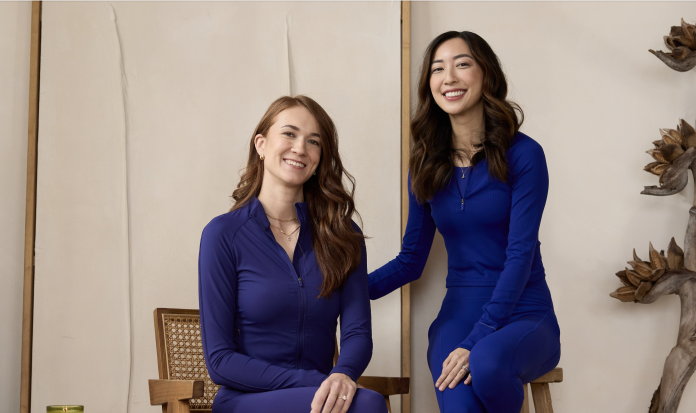
Each poster directs to a landing page where consumers can learn more and add their name to support clearer standards — helping quantify demand for future regulatory change, say Laura Thompson and Connie Lo, Co-Founders of the company.
“Transparency has always been core to who we are as a brand, and honestly this has been a dream of ours since the very beginning. When Connie and I were first building Three Ships, we were shocked to find out there was no legal definition of “natural” or “clean” anywhere. It felt impossible. These are words that carry so much weight for consumers, yet the only regulation that exists around how brands use them comes down to basic false advertising rules. We knew we wanted to help change that someday. This campaign is our first step toward doing that publicly, and it definitely won’t be our last,” said Thompson.
“We’re really excited about this moment because it feels like the right time to bring others into the conversation. One of the things we’re hoping this campaign does is help us find like-minded brands who share this frustration and want to see the same change. We don’t want to do this alone, and we’re hoping this is the start of building a real coalition around it,” added Lo.
Laura Thompson and Connie Lo
Defining “natural” and “clean”
For Three Ships, explained Thompson, natural means ingredients that are entirely plant or mineral-derived, not petrochemical in origin, processed using defined and allowed methods, and sourced with full transparency.
“Clean means formulated responsibly, with safety backed by clear and substantiated evidence, full ingredient transparency, and no misleading claims. These are the standards we hold ourselves to and we’ve been very intentional about defining them clearly,” she said.
Lo said the biggest issue is that there is no standardized definition across the industry at all.
“Every brand has their own interpretation. Every retailer has their own standards. So a product that one brand calls natural might not meet another brand’s definition, and the consumer has no way of knowing that. That’s exactly why this cause matters so much to us. These words carry real weight for shoppers and right now they have no consistent meaning, which makes the whole category confusing to navigate,” she said.
The heart of the campaign
At its heart this campaign is about consumer education, said Thompson.
“Through our own consumer research and just by listening to natural skincare shoppers over the years, we kept hearing the same thing: natural and clean beauty is so confusing, what do these terms actually mean, are they the same thing? We wanted to give people a name for that frustration and help them understand what’s actually driving it.
Lo said their bigger dream and end goal is to help push for real regulatory change.
“But we see consumer education as the essential first step. You can’t build momentum for policy change without first helping people understand the problem. So this campaign is about raising awareness and showing that there is genuine consumer demand for clarity,” she said.
Three Ships image
Outcomes hoping to achieve
Thompson said they want consumers to feel seen.
“So much of what we heard in our research was this real frustration that natural and clean beauty is just hard to shop with confidence. We hope the landing page gives people a place to have this frustration acknowledged, and to help them understand why it exists. Beyond that, we want to show regulators and the broader industry that there is real consumer appetite for this kind of clarity and transparency,” she noted.
Lo said partnership is one of their core brand values, so they’re also hoping this becomes a rallying point for other brands who care about the same thing.
“We genuinely want to find partners across the industry who are passionate about pushing for a shared definition and working toward change together. The petition is one signal of consumer demand, but building a coalition of brands who are aligned on this is just as important to us,” she said.
Laura Thompson and Connie Lo
When asked how do they address the risk of confusing or alienating consumers by questioning familiar marketing language, Thompson said: “We actually rooted this whole campaign in consumer insight for that exact reason. The frustration we kept hearing was that natural and clean beauty is already confusing to shop. Consumers told us that, so what we’re doing is acknowledging something that people are already feeling and giving it context. These words mean a lot to how people want to live their lives and take care of themselves, and we took that seriously when developing the campaign.”
Lo said they were really deliberate about the tone here.
“We are not trying to fearmonger or demonize any ingredients or brands. We’re simply saying that we want there to be a shared definition of natural and clean so that consumers always know what they’re getting when they shop the category. And that’s our end goal really, being able to help everyone navigate natural and clean beauty with confidence,” she said.
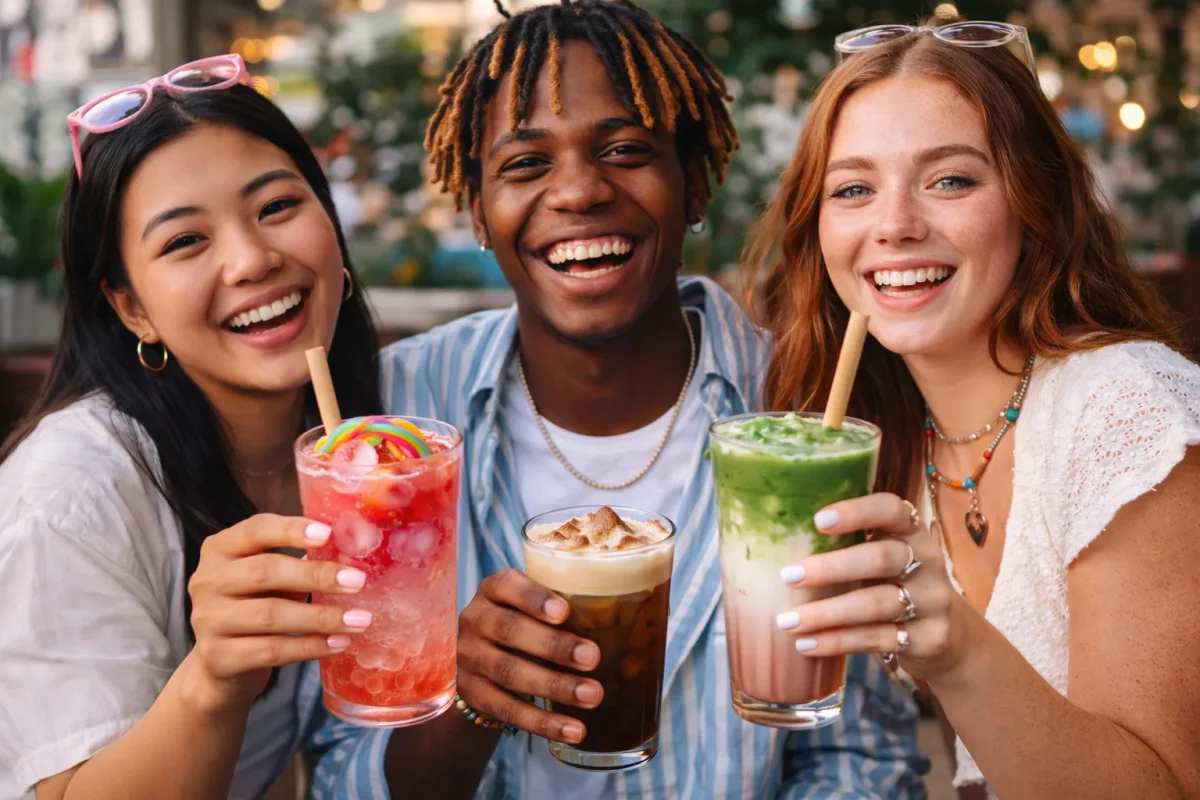
Representing 40% of the global consumer base,Gen Z is now driving food and dining trends – and keeping up with them is becoming one of the industry’s biggest challenges.
Largely fueled by TikTok and Instagram Reels, Gen Z’s tastes shift faster than brands can respond. To win their palate, food must be daring and unique one week, then comforting and familiar the next.
To keep pace, four-fifths of the world’s leading food and beverage brands are turning to Tastewise – a human- and agent-powered food intelligence platform built exclusively for food & beverage.
Tastewise helps brands predict emerging food trends early and turn them into actionable go-to-market strategies before they peak. Already ahead of the curve on major Gen Z-driven trends:
Solo dining
The Filipino food boom
Increasing demand for spicy flavours
The rise of nostalgic beverages
Trusted by PepsiCo, Kraft Heinz, and Nestlé, Tastewise combines enterprise-grade AI with human-in-the-loop supervision to deliver narratives 10x faster, increase sales conversion by 25%, and reduce research costs by up to 65%.
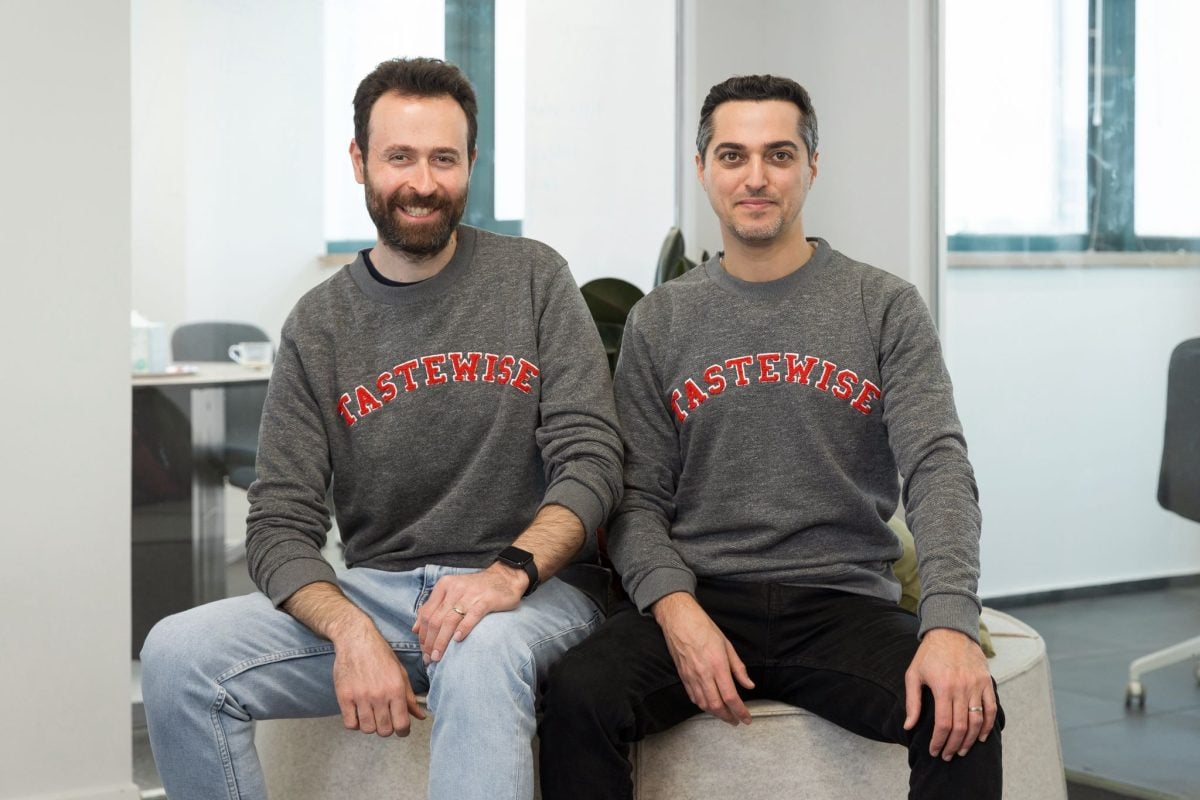
Alon Chen
Alon Chen, founder and CEO at Tastewise, said today’s food and beverage landscape is multifaceted; trends emerge across multiple environments and there are more options than ever before in home kitchens, retail aisles, restaurant kitchens, and more.
“For Gen Z, especially, where new formats appear on platforms like TikTok week to week, the visible expression of a trend can change quickly. But the need driving that behaviour tends to be far more stable,” he said.
“That’s where Tastewise focuses: rather than tracking trends merely at the surface level, we identify and map the root consumer needs that drive them. This allows us to distinguish between a short-lived spike in attention and a broader, more durable shift in behaviour, and anticipate the next iteration of that consumer demand.
“The challenge for most companies today isn’t a lack of data, but the abundance of it. Businesses have more data than they can effectively synthesize. What’s often missing is the ability to connect signals across sources and determine whether they are statistically meaningful and consistently growing.
“This is where AI plays a critical role. By analyzing large-scale, continuously updated data across multiple touchpoints, we’re able to identify emerging patterns, validate whether they are gaining traction, and understand how they translate into real consumer behaviour.
“Once brands identify a trend, they need to act before the moment passes. Getting from idea to launch used to take months to years. However, agentic agents have really changed the pace, creating bolstering brands to operate at speed and scale that allows them to create competitive advantage, and turning insights into evidence-backed strategies, narratives, and assets in minutes.”
Balancing speed with the risk of chasing short-lived fads
Chen said the key is identifying the underlying consumers ‘why’ behind a trend.
“Today it’s chocolate on Pringles, tomorrow it’s hot sauce in cereal, but the root reason for those trends is the consumers’ desire for bold flavours, a mix of sweet and sour, or sensory experiences,” he explained.
“The brands that focus on the root cause behind the signals will benefit from it as the trend gains traction. The value can be created only when there is a clear alignment between the trend, the target consumer, and the brand’s long-term strategy. The ability to segment these signals across different audiences is what allows brands to move with both speed and precision.
“Tastewise helps businesses decide what to pursue by analyzing how consumer needs translate into emerging trends, and by identifying which signals are statistically meaningful and worth acting on. Our synthetic consumer panels allow brands to better understand how specific audiences are likely to respond, enabling evidence-based decisions.”
Kampus Production photo
Separating a micro-trend from a long-term consumer shift
Chen saidmicro-trends are expressions of emerging trends, just in more temporary or experimental formats.
“The key is to understand what they signal. If consumers try something once and move on, it usually means the format itself is not sustainable, but the underlying need still exists and may reappear in different forms,” he said.
“Long-term shifts, on the other hand, build over time, showing steady growth in conversations, menu adoptions, and orders. They appear across multiple channels, such as social content and menu adoption.
“For example, trends like ‘Girl dinner’ and solo dining show how people are moving toward autonomy and changing eating routines. The specific trend may evolve, but the underlying need is stable.
“The key for brands is to understand the ‘why’ behind individual trends. At Tastewise, we help brands do exactly that by identifying how consumer needs translate into both short-term signals and long-term shifts, enabling them to invest with greater confidence.”
Tastewise photo
Combining AI with human insight
Chen said traditional market research is mostly limited by how fragmented and scattered it is to synthesize.
“Brands are often dealing with massive volumes of data that aren’t easily connected to specific audiences or actionable decisions, which creates a lag between insight and execution,” he noted.
“Combining AI with human expertise makes it easier. AI can process continuously evolving data across multiple sources, identify statistically meaningful patterns, and surface insights. This allows brands to move from scattered signals to evidence-based direction.
“At Tastewise, this approach is built around three principles: insights that are tailored to each brand (bespoke), consistently reproducible across datasets (repeatable), and transparent in how conclusions are reached (explainable).
“By handling the heavy lifting of data processing and pattern recognition, AI frees up teams to focus on what humans do best, which is creativity, strategy, and culinary innovation. Our proprietary AI agents bring speed, scale, brand and domain expertise to this work – from trend identification to marketing campaign creation, essentially the entire lifecycle of a product from ideation to launch – to allow businesses to move faster than ever.
“For brands today, the question is no longer whether to use AI, but how to integrate it effectively to operate at the speed and scale the market now demands.”
Often, the most obvious opportunities are the least ideal ones for small brands to pursue. Big players have already noticed, dominate the shelves, and have deep pockets to win market share, said Chen.
“However, with the right insights, small brands can identify high-potential trends – emerging flavour preferences, subtle dietary shifts, or underserved consumer segments – that offer an entry point into the wider market. Poppi is a good example. Instead of trying to compete against PepsiCo or Coca-Cola directly, it found and captured its own niche – gut-friendly soda – before the big players arrived,” he added.
“Where R&D, testing, and validation costs were once a barrier, agentic workers change the equation, giving smaller brands access to a large team at a third of the price.
“Through our synthetic consumer panels, brands can have a deeper understanding of audiences. It helps them to identify which ingredients are generating buzz, which channels their audience uses, and how to refine concepts faster and far more cost-effectively than traditional consumer research.
“However, for me, the biggest advantage our technology provides is confidence. Getting a product on shelves isn’t cheap, and smaller players can’t afford failed launches as legacy brands can. Having the right tools to enter any space with conviction, whether it’s an internal product pitch meeting or a retail buy-in meeting to land a crucial contract, is what separates market winners from the rest.”
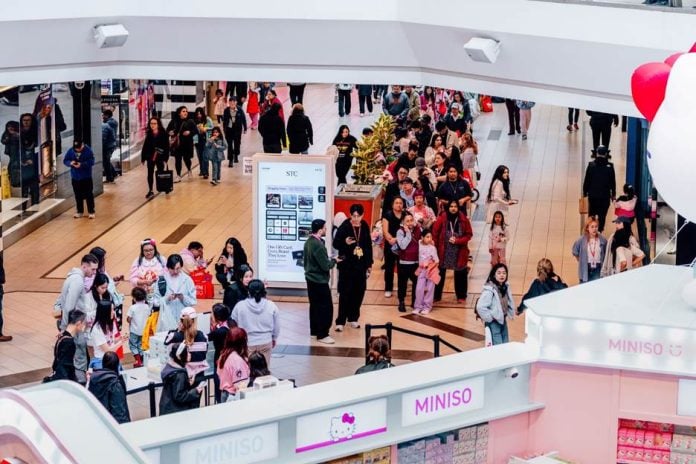
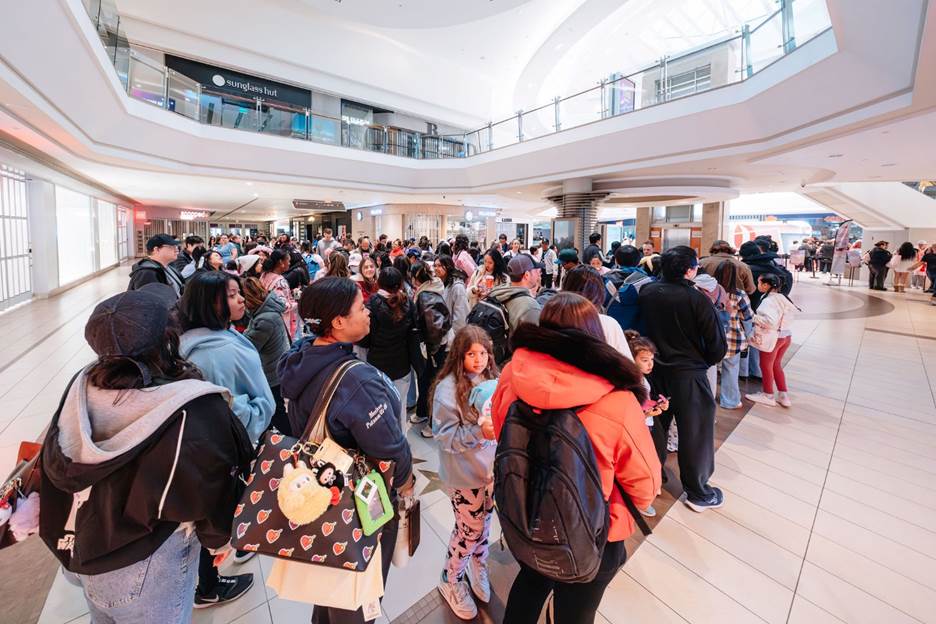
Crowds at the Miniso Hello Kitty pop-up at Scarborough Town Centre in Toronto. Photo: Oxford Properties
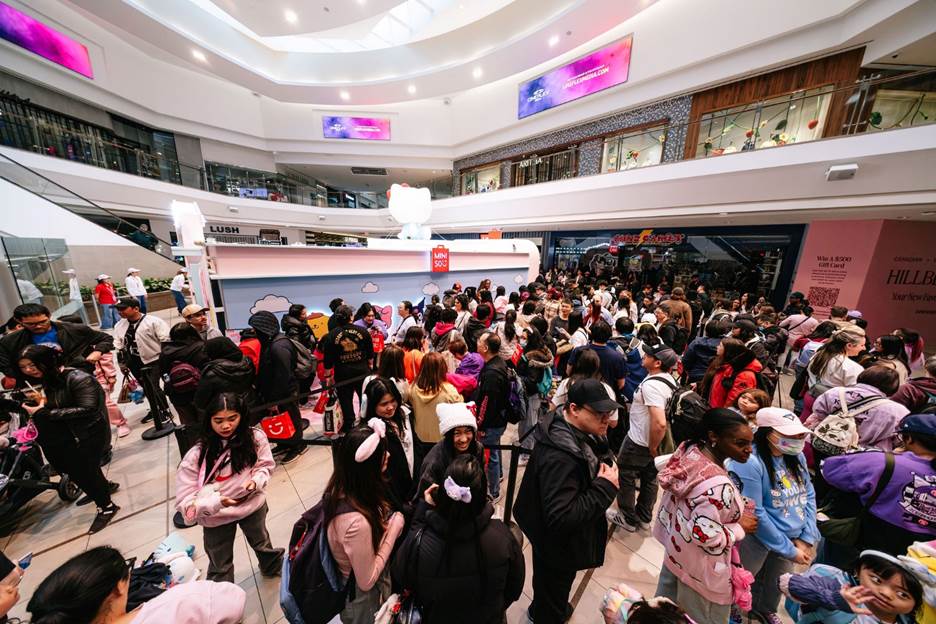
A first-to-Canada retail activation is already proving its appeal, as MINISO’s Hello Kitty and Friends pop-up has drawn significant crowds at Scarborough Town Centre. The limited-time experience, which opened on April 25 and runs through May 24 in Centre Court, is showcasing the growing strength of character-driven retail in Canadian shopping centres.
The pop-up features more than 500 products tied to Sanrio, including collectibles, plush items, and accessories. Among the highlights is the Racing Club Collection Vinyl Plush Pendant Surprise Box, an item exclusive to Canadian pop-ups, further reinforcing the sense of scarcity and urgency driving traffic to the activation.
Strong Opening Day Signals Consumer Demand
Early performance points to strong consumer interest. According to Oxford Properties, the opening day drew significant crowds, with fans lining up ahead of the public opening and maintaining steady foot traffic throughout the day. Social media activity also accelerated quickly, underscoring the cultural resonance of the concept and the continued popularity of globally recognized character brands.
The grand opening featured early access for invited guests, followed by a public opening at 10:00 AM. A Sanrio mascot made appearances throughout the morning, contributing to an interactive and highly shareable in-mall experience.
“This exclusive pop-up experience will resonate with the wider community and reinforce STC as a cultural destination. We’re proud to bring one-of-a-kind retail experiences to Centre Court and create an exciting activation with engaged and enthusiastic fans. This is about fun, fandom and friendship in the heart of the community,” said Karen Calibuso-Kwa, Scarborough Town Centre Marketing Manager. “This is more than a pop-up; it is a must-visit experience.”
Crowds at the Miniso Hello Kitty pop-up at Scarborough Town Centre in Toronto. Photo: Oxford Properties
Part of MINISO’s Shift Toward IP-Led Retail
The MINISO Hello Kitty pop-up Canada activation reflects a broader strategic shift for the retailer. In recent years, the company has transitioned from a general merchandise model to an IP-focused retail strategy centered on licensed collaborations and collectible-driven assortments.
This evolution has been supported by rapid expansion across Canada. MINISO surpassed the 100-store mark nationally in late 2025 and now operates approximately 110 locations across the country, forming part of a broader North American network approaching 300 stores.
The retailer’s “Super IP + Super Store” approach emphasizes character partnerships, with Sanrio among its top-performing collaborations alongside other global brands. This shift has repositioned stores as destinations for fandom and discovery, rather than purely transactional retail environments.
Larger Formats and Experiential Concepts Gain Traction
MINISO has also introduced new store formats designed to enhance customer engagement. The “MINISO LAND” concept at West Edmonton Mall, spanning more than 1,000 square metres, represents the brand’s largest Canadian location and features thousands of SKUs within an immersive themed environment.
In Toronto, the CF Toronto Eaton Centre location has evolved into an “IP Collection” hub, showcasing multiple licensed partnerships through dedicated in-store zones. These environments are designed to appeal to collectors and fans, reinforcing repeat visits and longer dwell times.
The Scarborough Town Centre pop-up builds on this strategy in a temporary format, allowing MINISO to create a high-impact retail moment while testing demand for immersive concepts in a condensed footprint.
Crowds at the Miniso Hello Kitty pop-up at Scarborough Town Centre in Toronto. Photo: Oxford Properties
Pop-Ups Reinforce the Role of Shopping Centres as Destinations
The success of the MINISO Hello Kitty pop-up Canada launch highlights the growing importance of experiential retail in Canadian malls. Landlords are increasingly leveraging pop-ups to generate excitement, drive traffic, and position centres as cultural and community destinations.
For brands, these activations offer a platform to showcase exclusive products, connect directly with consumers, and amplify engagement through social media. In this case, strong opening-day performance suggests that character-driven retail continues to resonate, particularly when paired with limited-time availability and interactive elements.
As the pop-up continues through May, it is expected to remain a draw for both dedicated fans and casual shoppers, reinforcing the role of immersive retail experiences in today’s evolving market.
February delivered 4.0% YOY growth across All Stores, with discretionary momentum holding firm: All Stores less Automotive, Food, and Pharmacies climbed 5.6% YOY. Overall, growth was uneven, with consumers spending more on health and wellness while pulling back on electronics and alcohol. Three main factors drove February’s results. First, Health and Personal Care Sales increased 9.1% YOY as consumers invested more in wellness products and treatments. Second, Beer, Wine and Liquor Stores fell -5.2% YOY, likely reflecting pricing and product shift from American stock. Third, Electronics and Appliance Stores dropped -14.0% YOY due to RAM supply shortages and weak housing market demand.
The strength in Health and Personal Care reflects broader wellness trends. Social media platforms are driving interest in daily wellness routines and turning them into mainstream consumer behaviours. At the same time, the increased prevalence of GLP-1 drugs are reinforcing this shift. We see the ripple down effect as consumers using these treatments are eating out less and buying more specialty foods (up 5.5% year over year), while also spending more on beauty, skincare, and ongoing health routines. The recent approval of a generic version of Ozempic in Canada could improve affordability and access. The key question is whether broader adoption will increase total spending or moderate it as prices come down.
Beer, Wine, and Liquor Stores declined -5.2% YOY, a reversal that appears to be driven by supply and product mix changes in addition to a drop in demand. Retailers who stockpiled American liquor through early 2025 have largely run dry; U.S. products began pulling off shelves last March, leaving consumers with a different mix of products. The decline may reflect lower volumes as shoppers adjust to fewer familiar or preferred options, in addition to the broader trend of moderation tied to wellness behaviours and reduced consumption. Either way, the easy value that U.S. imports once provided is gone, and retailers are navigating an environment with uncertain consumer tolerance.
Electronics and Appliances Stores fell -14.0% YOY. Supply constraints, particularly around key components such as RAM, continue to limit availability, with tight global memory supply driven in part by strong demand from AI infrastructure and data centre buildouts, which is absorbing a larger share of industry capacity. At the same time, demand is also soft. A flat housing and condo market means fewer moves and delayed appliance purchases and upgrades. Consumers are holding onto products longer and replacing them less often.
As we move into spring, JCWG is thinking about:
Will generic GLP-1s accelerate spend shift or plateau it by normalizing costs and broadening access?
Can electronics recover without a RAM supply reset, or will AI demand keep consumer tech starved through 2026?
If housing stays stagnant, how long does appliance demand remain muted? What does this mean for retailers’ inventory and promotional strategies?
How are YOU positioning wellness products and services to benefit from GLP-1-driven behaviour changes?
Retail Sales by Product Category, Same Month Comparison
Sales for the Month of February
Feb-26
Feb-25
YOY
All Stores
59,612,454
57,311,827
4.01%
Motor Vehicle and Parts Dealers
15,869,134
14,991,840
5.85%
Gasoline Stations
5,620,136
5,893,747
-4.64%
All Stores Less Automotive
38,123,184
36,426,240
4.66%
Food and Beverage Stores
11,783,647
11,550,471
2.02%
Supermarkets and Other Grocery Stores*
8,717,834
8,454,536
3.11%
Convenience Stores
583,564
569,755
2.42%
Specialty Food Stores
856,700
811,794
5.53%
Beer, Wine and Liquor Stores
1,625,549
1,714,385
-5.18%
Health and Personal Care Stores
5,770,051
5,288,273
9.11%
All Stores Less Automotive, Food, and Pharmacies
20,569,486
19,587,496
5.01%
General Merchandise Stores
9,055,600
8,368,944
8.20%
Furniture, Home Furnishings, Electronic and Appliance Stores
2,703,169
2,864,155
-5.62%
Furniture Stores
929,631
940,753
-1.18%
Home Furnishings Stores
617,591
579,923
6.50%
Electronics and Appliance Stores
1,155,947
1,343,479
-13.96%
Clothing and Accessories Stores
2,776,807
2,654,436
4.61%
Clothing Stores
2,169,868
2,031,066
6.83%
Shoe Stores
242,992
245,258
-0.92%
Jewellery, Luggage and Leather Goods Stores
363,947
378,113
-3.75%
Sporting Goods, Hobby, Book and Music Stores
3,457,727
3,162,442
9.34%
Building Material and Garden Equipment
2,576,185
2,537,518
1.52%
Miscellaneous Store Retailers
2,430,301
2,196,072
10.67%
Cannabis Retailers
440,520
408,216
7.91%
Foodservices and Drinking Places
7,442,461
6,952,396
7.05%
Retail Sales by Store Category, Year to Date Comparison
Year-to-Date Sales Ending February
Feb-26
Feb-25
YTD
All Stores
121,196,314
117,837,635
2.85%
Motor Vehicle and Parts Dealers
31,010,359
30,812,855
0.64%
Gasoline Stations
11,474,740
12,066,576
-4.90%
All Stores Less Automotive
78,711,215
74,958,204
5.01%
Food and Beverage Stores
24,489,402
23,673,212
3.45%
Supermarkets and Other Grocery Stores*
18,244,381
17,460,992
4.49%
Convenience Stores
1,191,136
1,178,594
1.06%
Specialty Food Stores
1,718,388
1,614,795
6.42%
Beer, Wine and Liquor Stores
3,335,497
3,418,829
-2.44%
Health and Personal Care Stores
11,975,076
10,932,427
9.54%
All Stores Less Automotive, Food, and Pharmacies
42,246,737
40,352,565
4.69%
General Merchandise Stores
18,339,580
16,934,434
8.30%
Furniture, Home Furnishings, Electronic and Appliance Stores
5,708,997
6,146,657
-7.12%
Furniture Stores
1,969,996
2,047,799
-3.80%
Home Furnishings Stores
1,249,325
1,219,326
2.46%
Electronics and Appliance Stores
2,489,676
2,879,531
-13.54%
Clothing and Accessories Stores
5,639,620
5,404,809
4.34%
Clothing Stores
4,428,887
4,200,136
5.45%
Shoe Stores
510,961
517,105
-1.19%
Jewellery, Luggage and Leather Goods Stores
699,772
687,570
1.77%
Sporting Goods, Hobby, Book and Music Stores
7,187,805
6,521,292
10.22%
Building Material and Garden Equipment
5,370,737
5,345,373
0.47%
Miscellaneous Store Retailers
4,998,980
4,460,671
12.07%
Cannabis Retailers
918,759
846,072
8.59%
Foodservices and Drinking Places
15,161,901
14,269,120
6.26%
Ecommerce Sales
Feb-26
Feb-25
Ecommerce Sales, YTD
3,894,940
3,764,543
2.30%
Ecommerce Sales, YOY
4,071,615
3,985,960
2.15%
Regional Sales, Year to Date Comparison
Region
Year-to-Date, 2026
Year-to-Date, 2025
YTD
British Columbia
16,858,309
14,958,583
12.70%
Vancouver
8,739,119
8,666,053
0.84%
Alberta
15,823,257
14,958,583
5.78%
Prairies*
7,921,513
7,785,290
1.75%
Ontario
45,597,434
44,678,599
2.06%
Toronto
21,206,027
20,702,799
2.43%
Québec
26,336,462
25,372,014
3.80%
Montréal
12,959,088
12,725,189
1.84%
Atlantic Canada
8,214,888
7,984,086
2.89%
Territories
444,450
441,118
0.76%
NATIONAL RETAIL BULLETIN
Stay up to date with JCWG’s monthly analysis on U. S. and Canadian retail sales.
Retail Insider’s latest articles are listed below, followed by Canadian Retail News From Around the Web. Highlights include the end of traditional anchor stores reshaping Canadian malls through subdivision and mixed-use redevelopment. Reitmans is marking its centennial with a new logo and a revamped store concept for a refreshed customer experience. Aritzia’s U.S. expansion underscores its rise as a North American retail powerhouse. Together these stories and others show Canadian retail evolving to remain relevant in diverse and competitive markets.
For more than five decades, Casavogue has served Montréal customers with a curated selection of high-end furniture designed for the entire home. In addition to its established showroom, the company is now highlighting another component of its offering: a dedicated warehouse location where customers can discover a wide range of furniture at reduced prices.
Located in Saint-Léonard, the Casavogue warehouse provides access to a variety of products for the living room, bedroom, and dining room, with discounts of up to 65% off. The space offers an opportunity for customers to explore additional inventory while benefiting from more accessible price points across key furniture categories.
A Complementary Destination for Home Furnishings
The warehouse broadens Casavogue’s selection with an extended range of furniture beyond the main showroom, from sofas and armchairs for the living space to beds and storage for the bedroom, along with dining tables and chairs designed to suit a variety of interiors.
This additional location offers greater flexibility for those looking to furnish a space or take advantage of promotional pricing, while still accessing products aligned with Casavogue’s focus on quality and design.
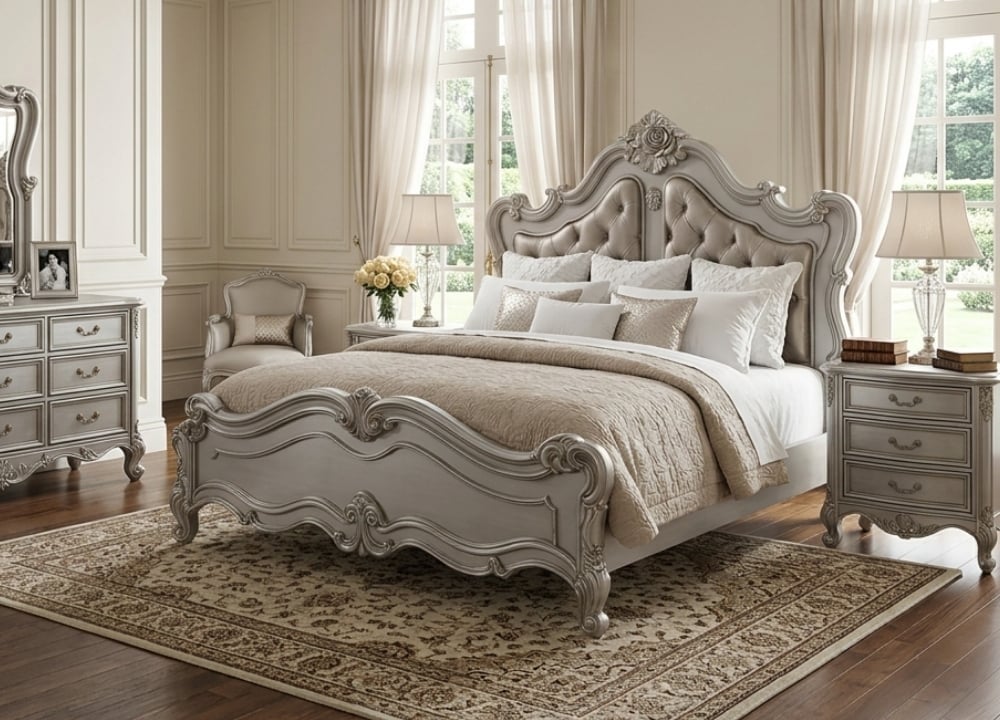
Charles David Barroco bedroom set. Image: Casavogue
Accessing Value Across the Home
With discounts of up to 65%, the warehouse allows customers to explore options for refreshing multiple rooms within a single visit. Whether updating a living area, completing a bedroom, or furnishing a dining space, the selection supports a variety of needs and budgets.
The warehouse format also encourages discovery, with inventory that may vary over time, offering customers an opportunity to find pieces that complement their existing interiors or inspire new design directions.
Visit the Casavogue Warehouse
The Casavogue warehouse is open on Thursdays and Fridays, offering customers the opportunity to explore the selection in person.
The Retail Council of Canada has announced the finalists for its 2026 Excellence in Retailing Awards, spotlighting companies that are shaping the future of Canadian retail across customer experience, operations, marketing, and sustainability.
This year, 64 finalists were selected across 10 competitive categories, representing a broad cross-section of the industry. The list includes major national chains, specialty retailers, financial institutions, and emerging brands, reflecting the increasingly interconnected nature of retail in Canada.
Kim Furlong, President and CEO of the Retail Council of Canada, emphasized the significance of the recognition.
Kim Furlong
“To be named an ERA finalist is to stand among the most accomplished in Canadian retail,” she said. “In a complex and demanding year, these organizations demonstrated the kind of leadership and forward momentum that defines excellence.”
Broad Representation Across Canadian Retail
The 2026 finalist roster includes a wide range of prominent retailers and organizations such as Walmart Canada, Loblaw Companies Limited, IKEA Canada, Sephora Canada, and The Home Depot Canada, alongside specialty and emerging brands including Silk & Snow, Surmesur, and Hillberg & Berk.
Financial and telecommunications players such as CIBC, Bell, and Rogers Communications Inc. are also represented, highlighting the continued convergence between retail, services, and customer experience ecosystems.
Grocery and food retail remains strongly represented, with companies including Sobeys Inc., Longo’s, Farm Boy Company Inc., and Pattison Food Group among the finalists.
Industry Themes: Canadian Focus, Experience, and Technology
This year’s finalists reflect several key themes shaping the retail landscape.
A growing “buy Canadian” movement has gained traction, with retailers placing increased emphasis on domestic sourcing, Canadian-made products, and local brand partnerships. This shift comes amid broader economic pressures and heightened consumer awareness around supporting local businesses.
At the same time, experiential retail continues to evolve. Retailers are investing in physical environments designed to engage customers beyond the transaction, creating spaces that foster brand loyalty and community connection.
Technology is also playing a more visible role. Artificial intelligence is being deployed across both customer-facing and operational functions, from personalization and inventory management to supply chain optimization.
Sustainability remains another defining priority. Finalists across multiple categories demonstrate that environmental initiatives are increasingly aligned with business performance, rather than treated as separate efforts.
RCCSTORE26 to Showcase Industry Leadership
Winners will be announced at the Excellence in Retailing Awards Gala, taking place during RCCSTORE26 on June 2 and 3. The annual conference is expected to feature more than 75 speakers and attract retail leaders from across Canada and internationally.
The event will also recognize Awards of Distinction recipients, including Michael Brownstein, CEO of Browns Shoes, and Jillian Harris, Co-Founder of The Jilly Box.